September 2022
Bodes well for us with the student in her 80s who came to Birkbeck to study literature... Because. She. Wanted. To.
Not. To. Get. A. Job.
English universities face fines over dropout and employment rates
https://www.theguardian.com/education/2022/sep/30/english-universities-tests-low-quality-subjects?CMP=Share_AndroidApp_Other
Mini-Budget. Major Catastrophe.
https://kamikwasi.tax/
Love things that visualise massive numbers like this
Yet they've abandoned the prophylaxis programme for the vulnerable, ignoring the path of 32 other countries who use Evusheld. There's just no joined up logic here. https://x.com/BBCHughPym/status/1575879974917210112
Alzheimer’s drug slows mental decline in trial — but is it a breakthrough?
https://www.nature.com/articles/d41586-022-03081-0
Weekend musical excitement awaits!
The trouble will really start when these AI art models are hooked up to 3D printers. Machine dreams made reality.
(Yes, I know that generating 3D models is a different game to the current Stable Diffusion efforts etc)
Time to squeeze in a bit of research writing between meetings...
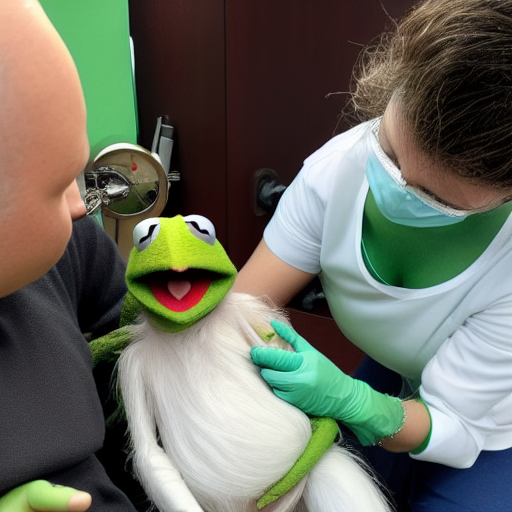
AI generated image.
Nicking a friend's joke: If you gave 1000 monkeys 1000 typewriters, they couldn't have come up with that image.

Throwback Friday bringing me the promise of Con leaders gone by

Oh yes! Out today - new music from Jack and me...
Jack Butters & Martin Eve / The House That Jack Wrecked / 2022 / TICITACI 078
https://ticitaci.com/releases/jack-butters-and-martin-eve-the-house-that-jack-wrecked.html
Featuring "gob harp"
And 303s
4* REF publication! https://x.com/TheProfRog/status/1575510372613767168
I believe there was a recent prominent US court ruling about the use of copyrighted material in the production of machine-learning models. Could someone please point me to that?
Thursday Toby
Our PM just falls back saying "I believe what we're doing is right".
And there's no answer to this "belief". No evidence or rationality will change her mind. She believes it. So we'll do it.
We're so screwed.
Terraform: Up & Running, 3rd edition is now published.
I really enjoyed the earlier edition of this book. Looks like this iteration is also useful.
https://blog.gruntwork.io/terraform-up-running-3rd-edition-is-now-published-4b99804d922a
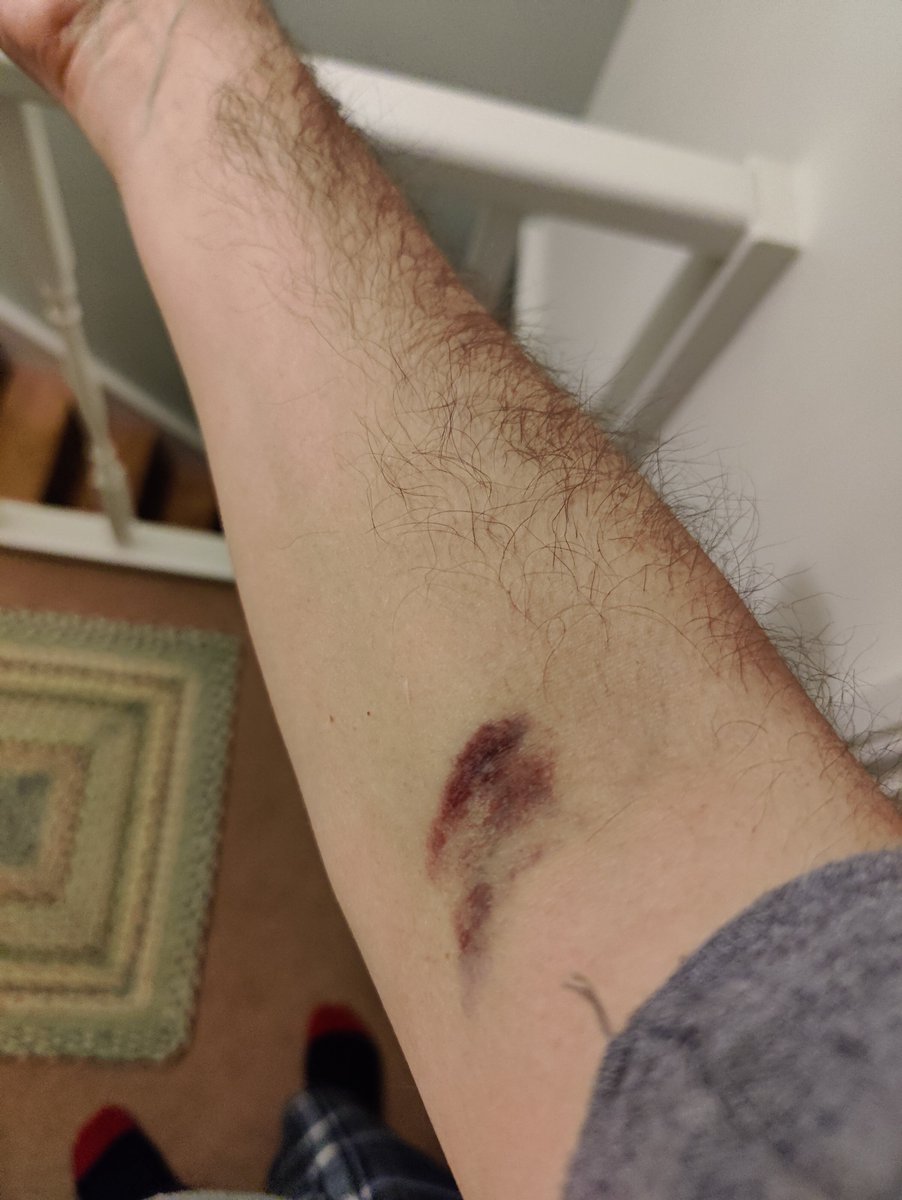
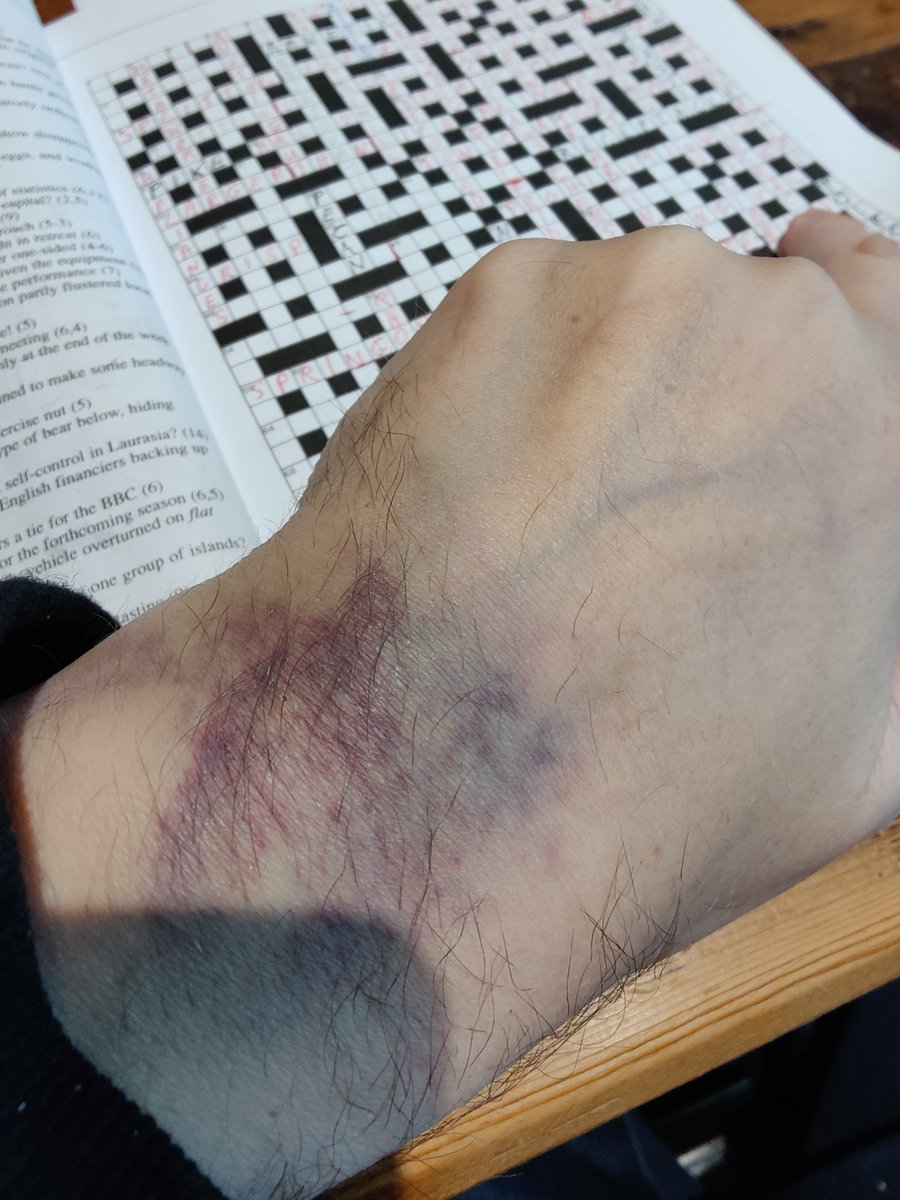
More steroid-related bruising - I look like a pin cushion!
Differential personality change earlier and later in the coronavirus pandemic in a longitudinal sample of adults in the United States | PLOS ONE
https://journals.plos.org/plosone/article?id=10.1371/journal.pone.0274542
Coolio, US west coast rapper of Gangsta’s Paradise fame, dies aged 59
https://www.theguardian.com/music/2022/sep/28/coolio-dead-59-gangstas-paradise-rap?CMP=Share_AndroidApp_Other
The level of hate is just so depressing. Disgusting that someone could hold such views, let alone be paid by a major newspaper to write them. Makes me sick. https://x.com/TobyonTV/status/1575017769682472960
It's an "innovative hybrid offering" in which one hybrid part of the pension remains while the other substantial chunk disappears. https://x.com/USSpensions/status/1575082497108418561
I've received multiple absolutely despairing emails today from members of our patient group saying they are not safe at work, asking for urgent advice. Official guidance is "ask your employer for a reasonable adjustment" & "avoid people with Covid". Thrown to the wolves.
A tech house outfit called "Tech Support" is most amusing https://techsupportuk.bandcamp.com/album/feelings-electric
So far, no panicked call from night reg re kidney function results. So either they're not dire; or they've accepted they are going to be dire; or nobody has looked at them yet 😂
This will vary hugely with the treatment regimen, too. Those on b-cell depleting rituximab or cyclophosphamide at massively increased risk. https://x.com/ShannonB/status/1574765061813460995
It's interesting that the JAK inhibitor that I am on, Baricitinib, is actually used to treat severe covid. But appears also to blunt vaccine response and place patients already on it at increased risk.
I fixed our mortgage for 10 years in 2018. Seemed so overly cautious at the time. Now given that the government seems intent on bankrupting significant portions of the population, it looks much sounder. Just can't believe what they're doing.
Made it to the hospital. First it's blood tests to see what my creatinine and potassium levels are doing. Just have to hope these aren't through the roof and that I don't get some panicked on-call reg calling me just as I get back home. It has been known to happen.
Then I'm off to Nuclear Medicine for a DEXA scan. This is a dual-energy X-ray absorptiometry test, which measures bone density. They're checking, basically, how brittle my bones are after 16 years of continual high-dose steroids. May adjust treatment to stop me breaking my feet.
Finally, it's into the MRI scanner to try to work out the damage to my hip. For the past year, I've had excruciating pain when I walk. Hopefully the MRI will help to ascertain what damage the dratted arthritis has done, now. And how we might fix it.
Magnus Carlsen publicly accuses Hans Niemann of more cheating
https://www.theguardian.com/sport/2022/sep/27/magnus-carlsen-hans-niemann-chess-cheating?CMP=Share_AndroidApp_Other
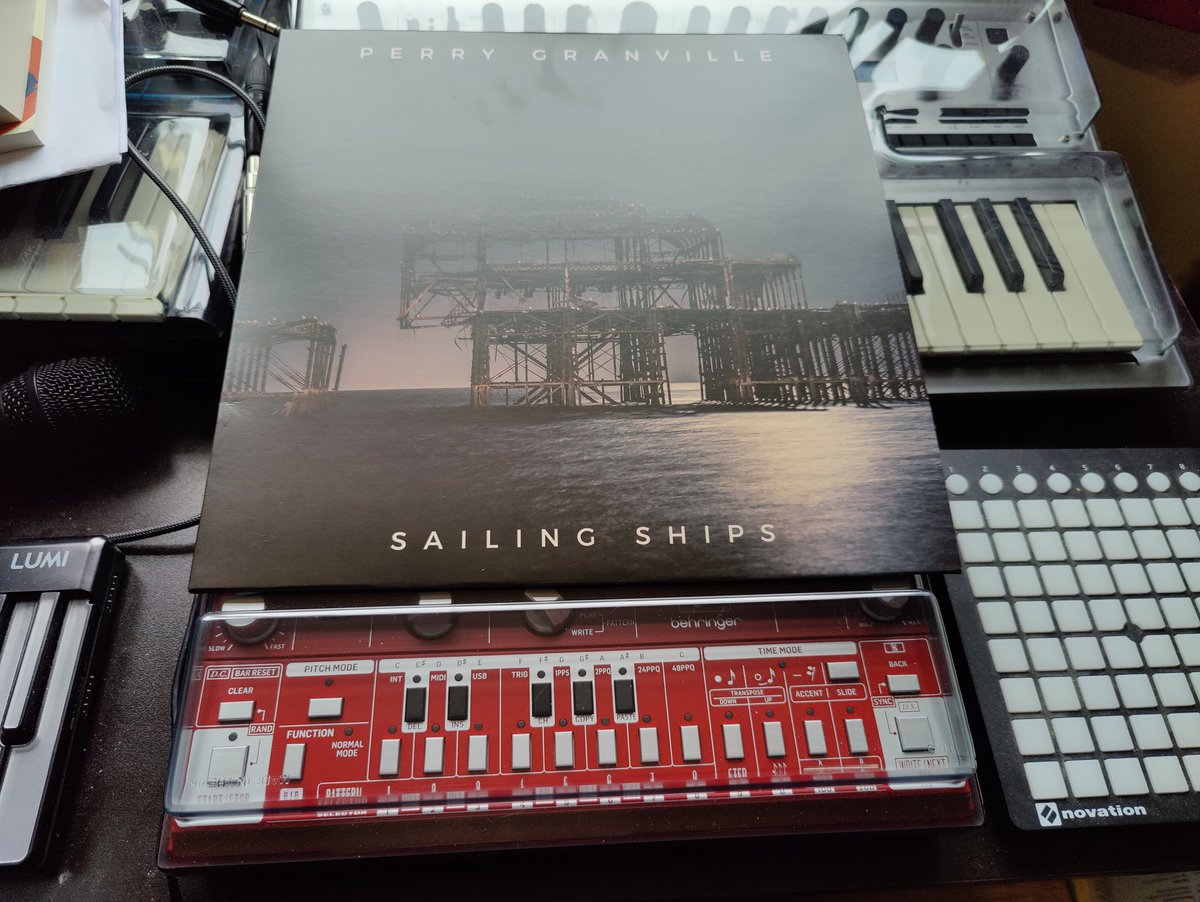
Oh yes. I've been really excited for this release for ages. It was massively delayed due to vinyl pressing hold ups - years' worth of delays!
Remixes from @HardwayBros / Duncan Gray and @BobSalmond.
Sailing Ships - The Remixes by Perry Granville
https://higherloverec.bandcamp.com/album/sailing-ships-the-remixes?from=fanpub_fnb
Optimizing compilers deduplicate strings and arrays
https://lemire.me/blog/2022/09/23/optimizing-compilers-deduplicate-strings-and-arrays/
‘Suit you, sir!’ – how we made The Fast Show, with Paul Whitehouse and Simon Day
https://www.theguardian.com/culture/2022/sep/26/suits-you-sir-how-we-made-fast-show-paul-whitehouse-simon-day?CMP=Share_AndroidApp_Other
Closed out today's otherwise admin-heavy day with 1,000 words of writing on "libraries" and corpora for LLMs. Tomorrow brings lots of hospital tests so will be working flexibly around those.
Persona RS & Bojarchük - Bitterness (Original Mix)
https://soundcloud.com/playgroundrecords/persona-rs-bojarchuk-bitterness-original-mix
Had an invitation to participate in Christmas University Challenge(!) Obviously, it's not possible for me to attend in-person filming events and this made me quite sad.
But also, I'm secretly terrified that I'd botch the literature questions and look like a total idiot.
Terraform 1.3 Release Introduces Simplified Refactoring Experience
https://www.infoq.com/news/2022/09/terraform-simplified-refactoring/
Also have some music out this week! Jack Butters & Martin Eve - The House That Jack Wrecked on tici taci records. Harmonicas and 303s at the ready!
https://on.soundcloud.com/tkoRX
A really enjoyable writing session this afternoon; I've come out of it feeling energised to get to the end of this project. Tonight we'll play a card game with friends on Skype, then it's brace for the week ahead. Not least blood tests, DEXA, and MRI at the hospital on Tuesday.
Still so weak after recent hospitalisation, coupled with the general steroid unpleasantness. Even short walks are still fairly challenging. But rebuilding a bit of strength.
Hammering out some words in Paper Thin on "libraries", Linus's Law, and cryptographic software security. Powering through on a great mix from the tici taci head honcho, Duncan Gray.
https://soundcloud.com/ticitaci/dj-mix-17-9-22-3-hours
Revisiting this classic Schneier, Bruce, ‘Essays: Did NSA Put a Secret Backdoor in New Encryption Standard?’, Schneier on Security, 2007 <https://www.schneier.com/essays/archives/2007/11/did_nsa_put_a_secret.html>. Quite extraordinary stuff.
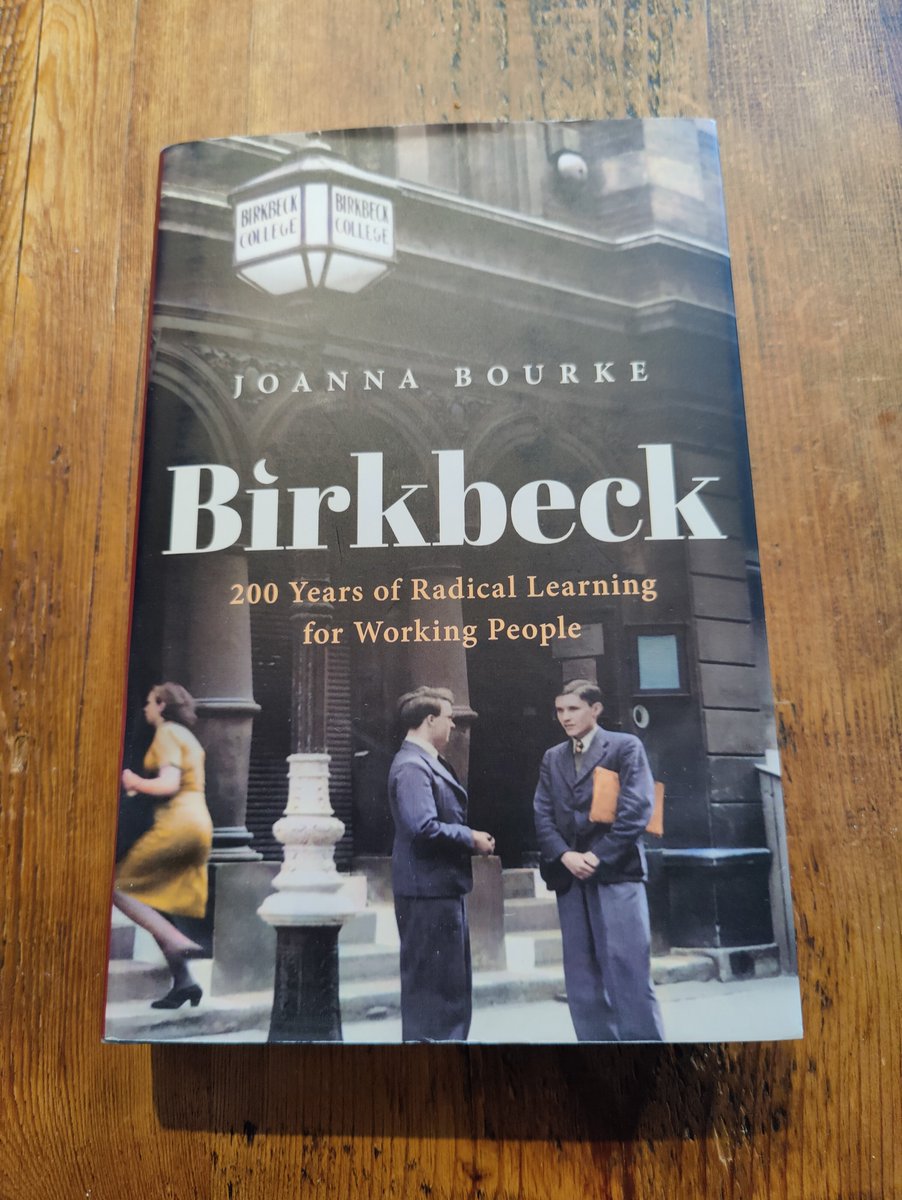
Also, just arrived in the post, is my copy of my colleague @bourke_joanna's history of the first 200 years of Birkbeck College, University of London. "It's massive!" is the only critical comment I can pass until I've read it 😂
The introduction charts the moral panic over providing education to the working classes, including that they might get drunk after study. I'll raise a glass to that. (Please don't tell hospital hepatology.)
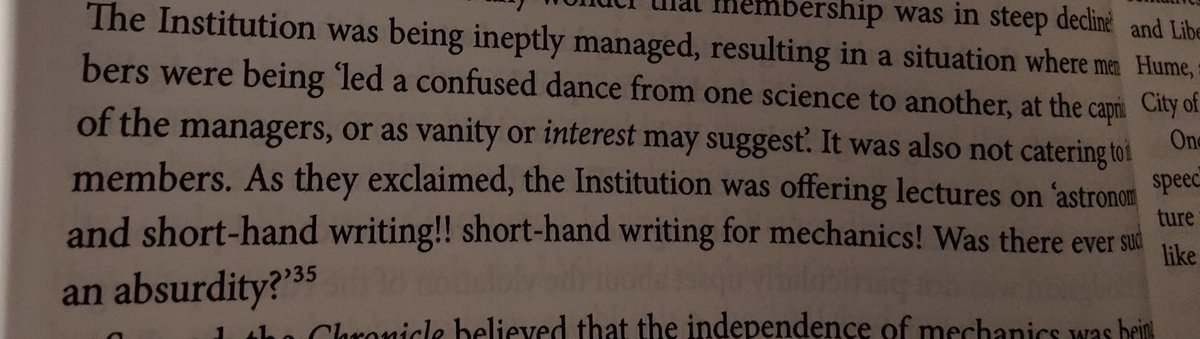
I love that The Saint James' Chronicle was worried that mechanics' institutions, from which Birkbeck derived, were "scattering the seeds of evil" and hoped to bring about "the destruction of this Empire". (p 6)
On the other hand, it's really interesting that one of Birkbeck's founders, Brougham, argued that working class education would lead to stability, rather than revolution. Unsure if that was just a rhetorical move or if education was truly viewed as a taming influence. (p 18)
Criticisms of senior management running all the way back to 1824 😬😂
I enjoyed the scandal of women attending anatomy classes in 1827! (p 58)
Fascinating early rivalry between KCL and Birkbeck. Arthur Cayley Headlem basically told Birkbeck to stay in lane and stick to educating "those who have not had a proper school education" (p 129). Condescending git!
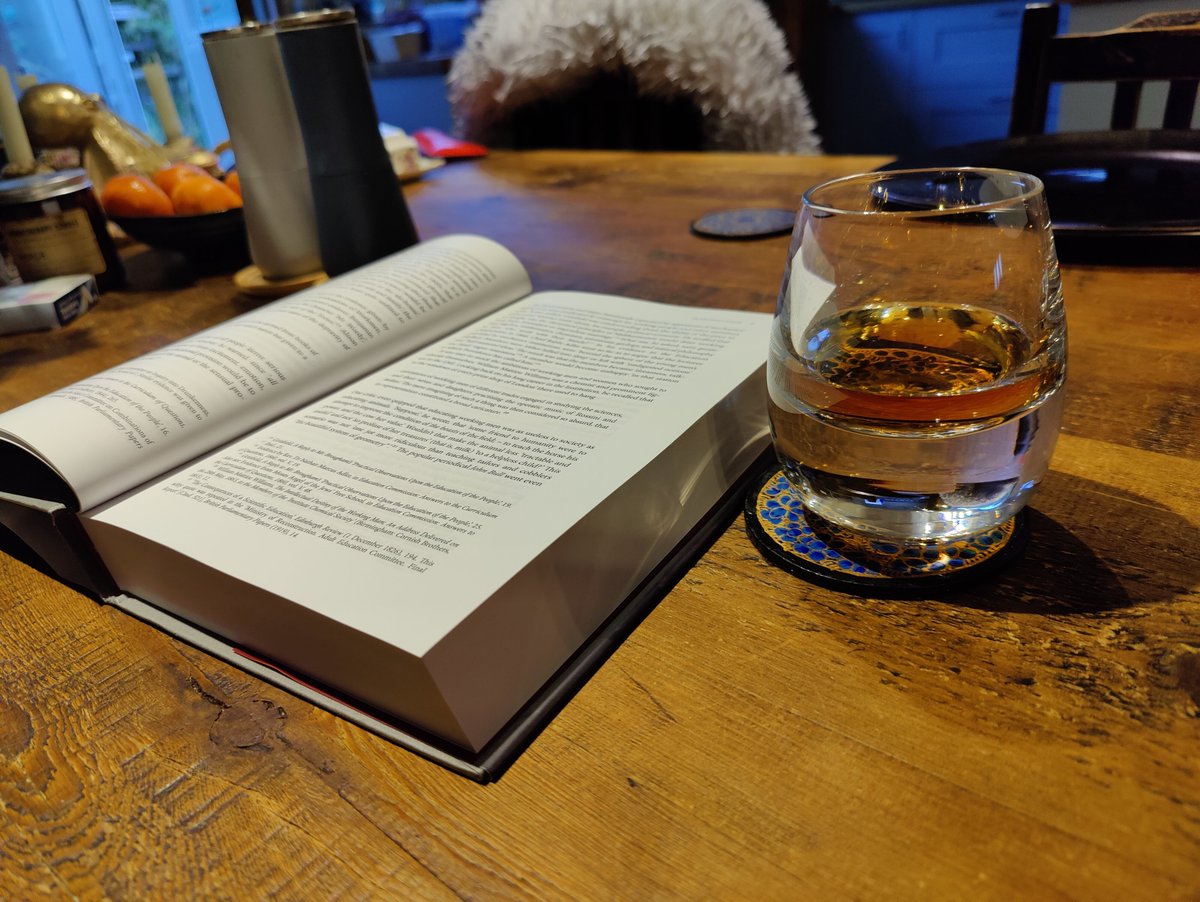
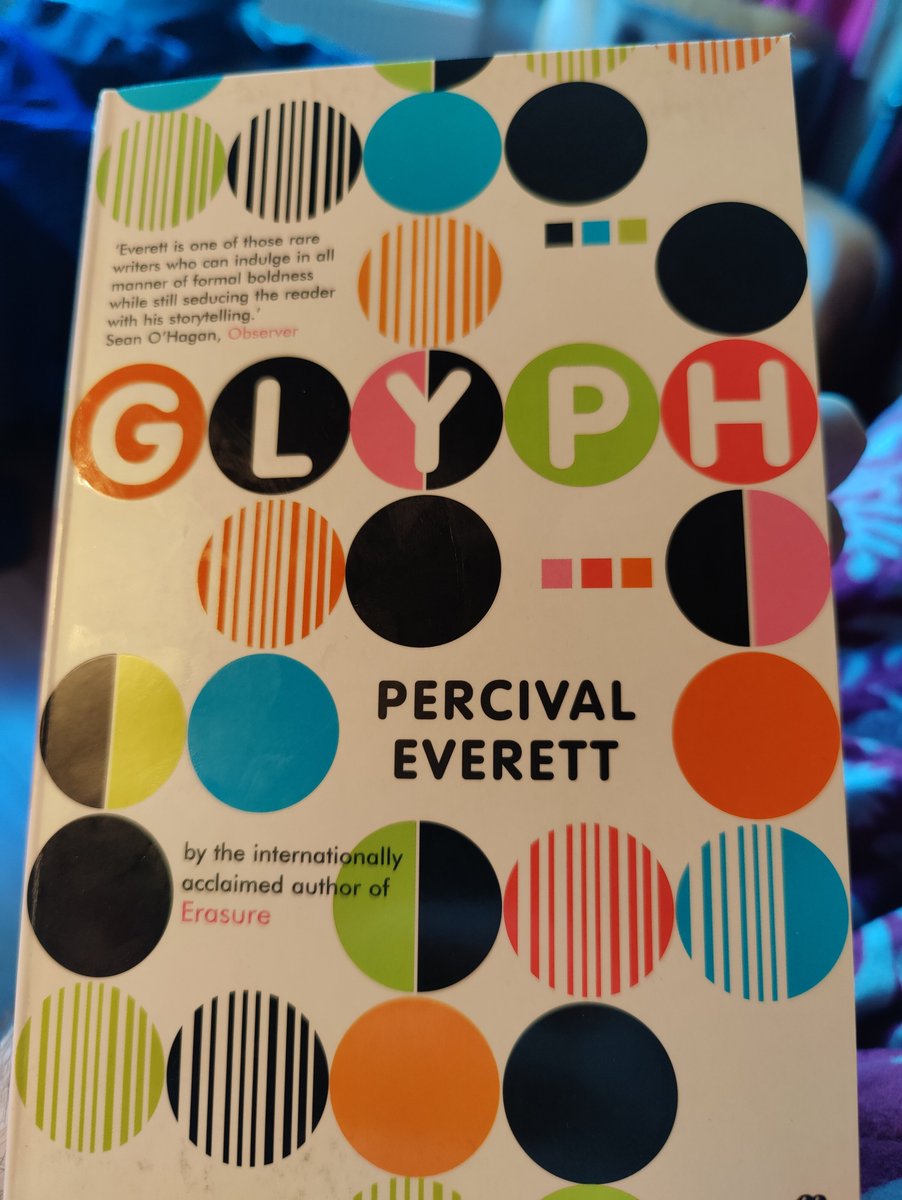
Today I read another Percival Everett novel, Glyph. This is one of his meta-fictional academic texts about language and the university discipline of English's theory strand. I don't think it's one of his best - it has a most irritating preternatural infant narrator!
I felt there was possibly some resonance with Kafka's "A Report to the Academy" with the child being made a kind of Red Peter figure - indeed, there is specifically a parallel with an ape called Ronald in the novel.
I also noted another "flight to Mexico/Other parts of the American continent" strand in this text - more subtle than in Telephone or in So Much Blue's El Salvador.
Even over 20 years ago, mind, Everett was writing about attention, empathy and apathy. There's a whole paragraph devoted to this in Glyph - on how apathy is underrated.
My friend, @NikolaBrigden, here speaks powerfully about the challenges of caring for someone with a serious longterm illness in this era of Covid.
https://open.spotify.com/show/2c3b8fVp1JTWAGPbFniAiX
An important and interesting point also occurred to me, listening to this. Some doctors have suggested that immunocompromised "should now take some more calculated risks". But the problem is that there is no comeback on those giving the advice if the risk doesn't pay off.
If a doctor advises a patient "you need to live a little" and then the patient dies of Covid, there was no "cost" in giving the faulty advice. It's easy to gamble with other people's money.
Teachers and nurses face tax increase after mini-budget hands cut to bankers
https://www.theguardian.com/uk-news/2022/sep/24/teachers-and-nurses-face-tax-increase-after-mini-budget-hands-cut-to-bankers?CMP=Share_AndroidApp_Other
Toby's interest in Strictly has waned quite early this year

'Mixed messages' for those most at risk of Covid
https://www.bbc.co.uk/news/uk-scotland-63014299
I worked in computer programming through my degrees and kept my hand in at it. Was always my backup plan as I never thought I'd get an academic job. https://t.co/Y5r4y9iB4h
I've been saying this for several years, too. Problem is that my discipline has so many other challenges in the UK context that this is not high up anyone's list. But it's going to be a massive headache/problem and will require new models of assessment (if we want to assess). https://x.com/raphaelmilliere/status/1573698108810268673
Also, when you have real-world observational data that support a therapy, RCTs are unethical. Randomising patient groups to receive or not receive life-saving drugs, when there's evidence it works, shouldn't make it past any IRB in my view. https://x.com/TRyanGregory/status/1573667853965852674
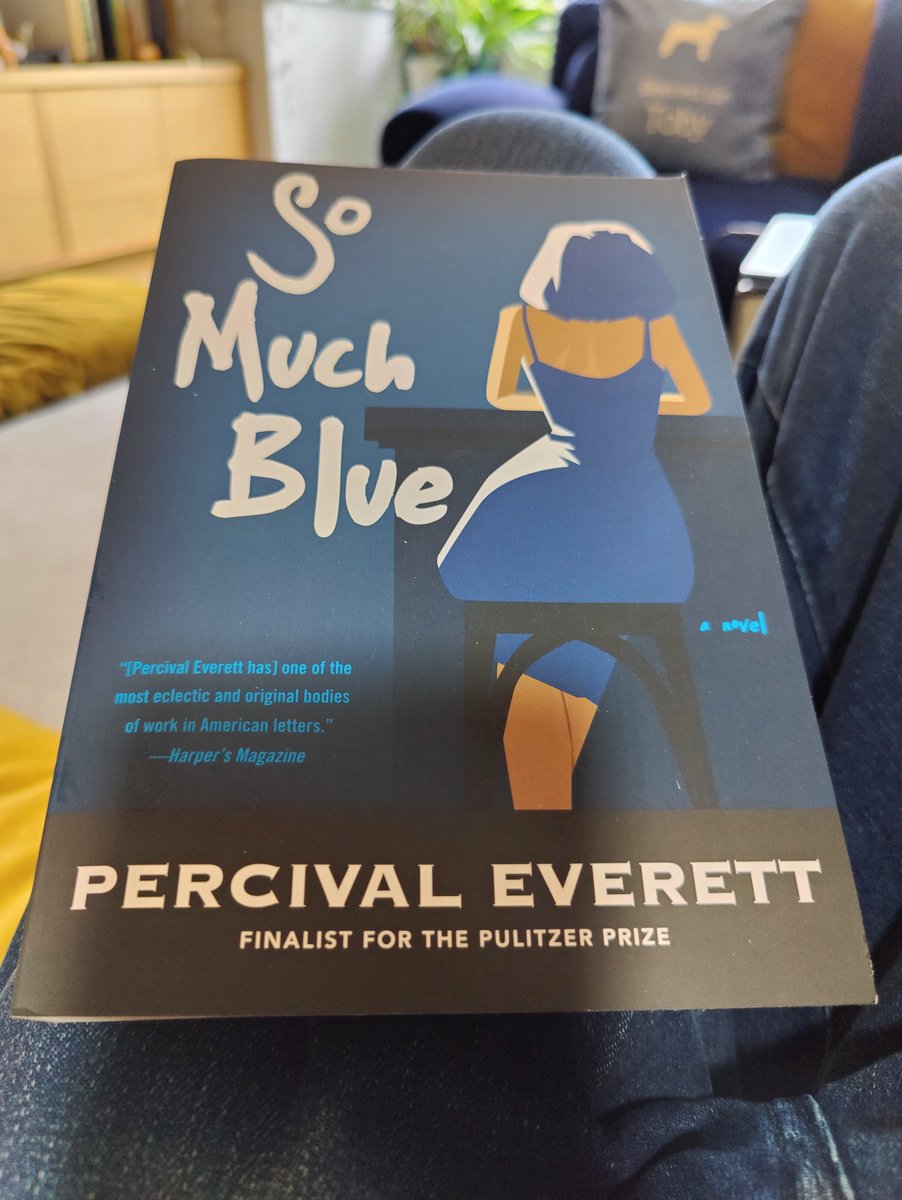
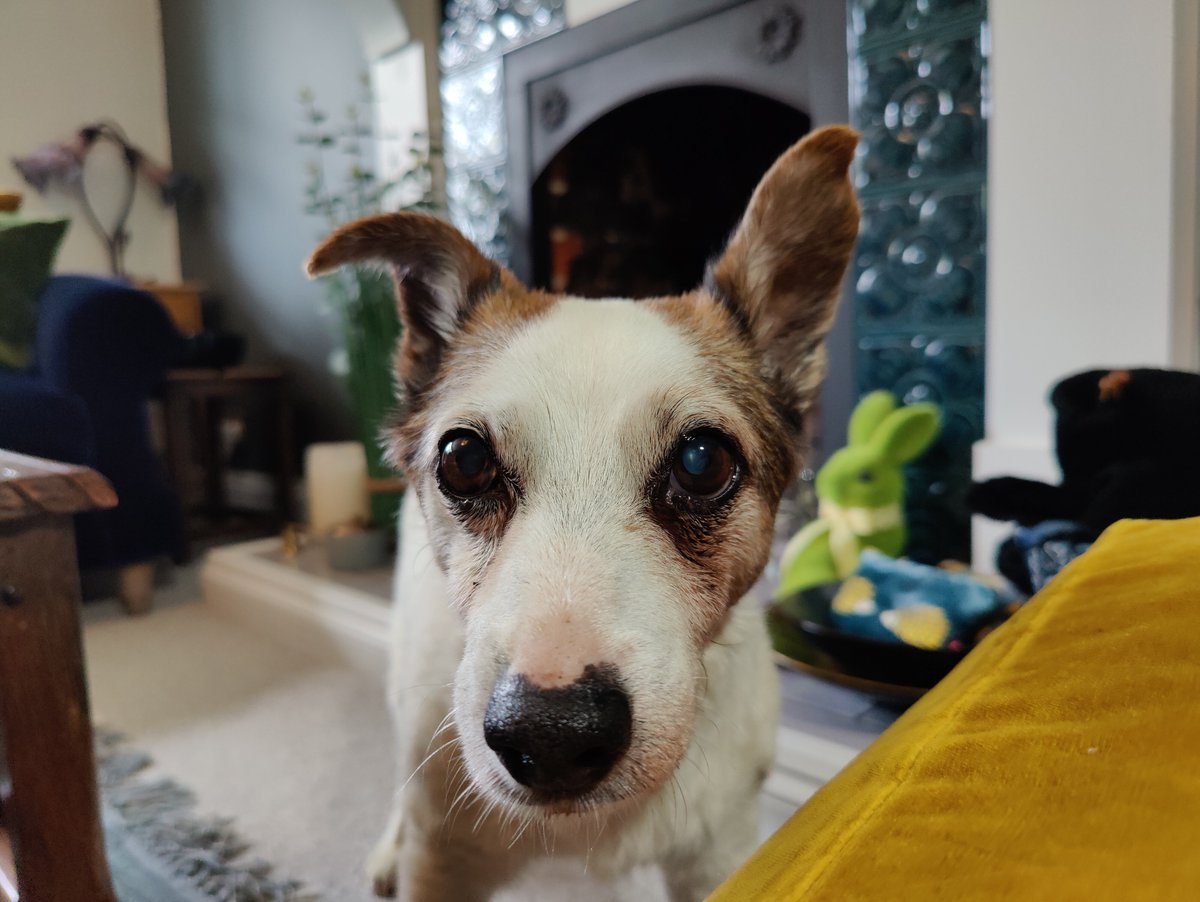
An afternoon spent reading another great Percival Everett novel - So Much Blue - in the company of my lovely dog. Like Telephone, SMB has a curious Central American strand to it - I don't have fully formed thoughts on how these other spaces work in his novels, but I noticed it.
Notes on moments of attention/care deficit in SMB
The novel also has an interesting play on like/love and house/home going on in the section titles (with some sections having a date title and others having places).
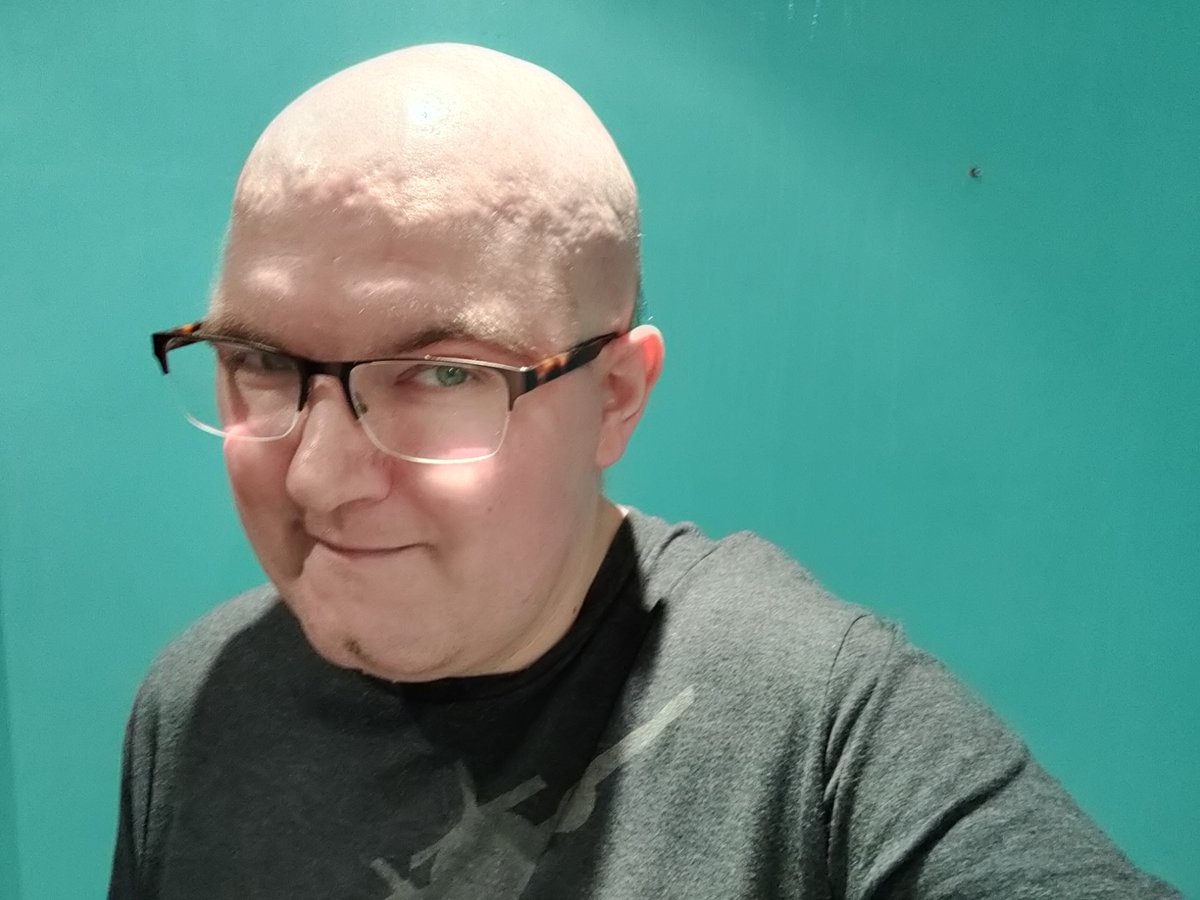
I started shaving my head in 2019 after a course of the chemo drug cyclophosphamide caused it to thin. Started regrowing it recently but it never regained its thickness and I may have to go back on this drug next week. Decided I'd take control of it and just go back to baldy.
Quite apart from that, I'm fully aware that I look like a pallid sickly goblin at the moment. I'm blaming the nasty steroid dose.
Takes an awfully long time to go from even "slightly longer" to "zero" with a razer, it turns out!

I actually have a book chapter coming out relatively soon on Mantel's essay career and the role that essays played in her writing. This is also the piece that examines the social networks of LRB authorship. https://eprints.bbk.ac.uk/id/eprint/43087/
I really enjoyed the collected Mantel Pieces, and not even just for the punning title 😂
A similar phenomenon at work with Russell Hoban. Except I don't think anybody at the publisher even expected any commercial return on his later work, but kept publishing it out of belief in its intrinsic merit, and based on the past genius of Riddley Walker. https://x.com/thestephmerritt/status/1573584107266768897
That said, I'm sorry to say, I actually feel that some of his later novels really don't hold up. They're not Fremda, or The Lion of Boaz-Jachin and Jachin-Boaz, or Kleinzeit, or The Medusa Frequency - all of which are quite extraordinary novels.
Totally patronising. Immunocompromised aren't children who need policymakers to decide on their behalf whether they'll understand that protection isn't total. Also: this group gets such limited protection from vaccines that if anything gives a false sense of security, it's that. https://x.com/4gottenlivesuk/status/1573575233419747329
Dame Hilary Mantel obituary
https://www.theguardian.com/books/2022/sep/23/dame-hilary-mantel-obituary?CMP=Share_AndroidApp_Other
Argh! I missed that! But they've still updated the page without updating the changed date, which was my point. https://x.com/tomlins_amanda/status/1573387561334185984
More transparency failings.
This page has been updated to remove Evusheld in the last 2 weeks.
Says "This page was last reviewed on Wednesday 11 May 2022."
And they wonder why we don't trust the process when there's no record keeping or transparency.
https://www.nice.org.uk/covid-19/rapid-c-19-treatments-currently-monitored
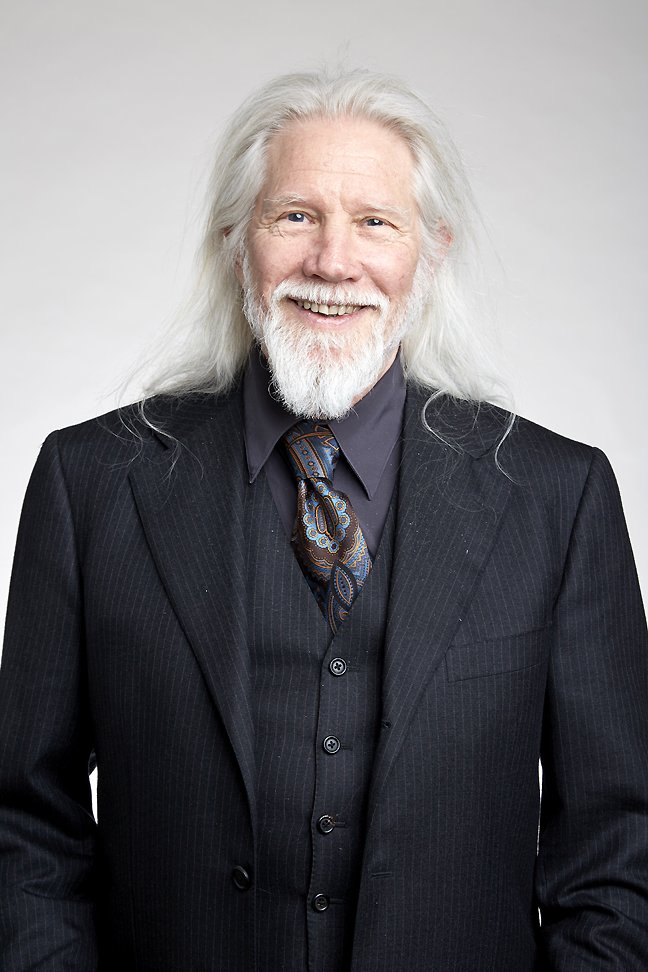
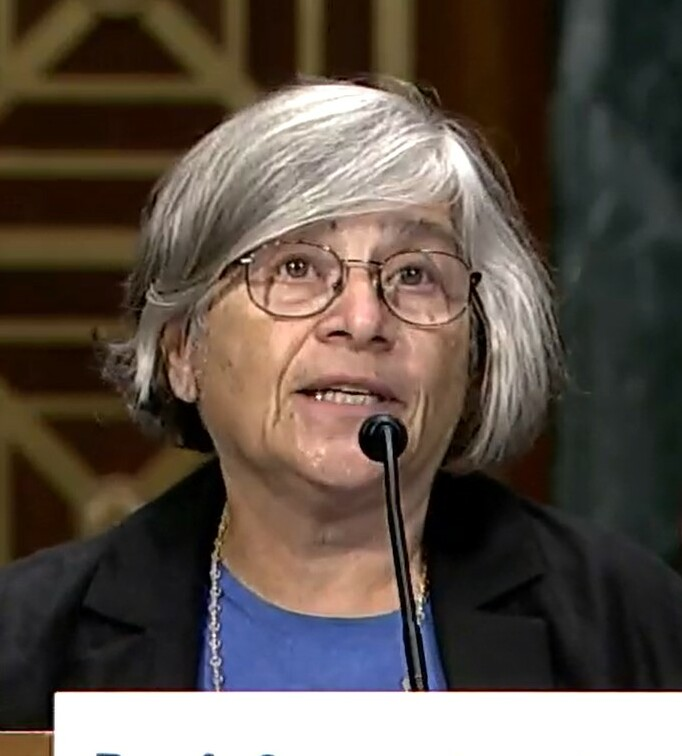
Reading Diffie, Whitfield, and Susan Landau, ‘The Export of Cryptography in the 20th and the 21st Centuries’, in The History of Information Security, ed. by Karl De Leeuw and Jan Bergstra (Amsterdam: Elsevier Science B.V., 2007), pp. 725–36 <https://doi.org/10.1016/B978-044451608-4/50027-4>
Everything is bleak. Covid, UK politics and finance, personal health.
Just eaten a massive bowl of ice cream and am now going to do some research work. Over the weekend I'll read some exciting PhD student work.
Doing these meaningful things at least cheers me.
I feel a little like I'm in Candide, tending to my own garden, saying this. You can't hide from all the grimness forever and you have to be an engaged citizen. But sometimes you also have to find a space to do limited good, for yourself and for things you think matter.
Just realised that I'll get my bread and circuses of Strictly Come Dancing this weekend though.
Ah yes. This growth strategy is panning out brilliantly. https://x.com/EdConwaySky/status/1573323911319650305
UK’s autumn Covid wave could be worse than the last as cases rise.
UK's so-called "enhanced protection programme" for immunocompromised consists of nothing other than vaccines that confer limited benefit.
A failure of medical and political leadership.
https://www.theguardian.com/world/2022/sep/23/uks-autumn-covid-wave-could-be-worse-than-the-last-as-cases-rise
New Linux OS Scheduler Reduces Lag by Keeping Light Work on Fewer CPU Cores
https://www.tomshardware.com/news/nest-linux-os-scheduler
I just hope they never need an ambulance
https://www.youtube.com/watch?v=eyGND49CBYk
A week into the massive steroid dose boost and I'm starting to acclimatize. Feeling less sick all the time, have stopped uncontrollable shaking, and my sleep is a little better. Just got to get through to the 3rd October when I hope it can come down.
Immunocompromised students scrambling for online options with return to in-person classes https://www.cbc.ca/news/canada/ottawa/covid-university-in-person-immunocompromised-student-support-1.6584022
There is no way that this vast release of taxation cash into the already wealthier sections of British society won't result in cuts to public services. NHS at its weakest state, possibly ever, and the government's action is to cut its revenue streams. Really worrying.
Oh dear. Very sad to hear of the death of Hilary Mantel.
https://www.bbc.co.uk/news/entertainment-arts-63007307
Making DOIs accessible with ARIA tags https://x.com/CrossrefOrg/status/1573031637834686466
I've been boosted. As the leaflet says, I'm unlikely to mount an antibody response and remain at risk. But better than nothing. Not a single person administering the jab, to vulnerable people, was masked.

Was also thinking about "commensurate care" as a principle of academic publishing. Academics can spend years doing research - 3 years for my most recent article - and what they want is for the publishing process to take care with the work proportionately to that input.
Spent this morning reading and reviewing an interesting report on the future of funder-led OA platforms. Much food for thought, including aspects of scalability, sustainability, governance, process, and funding.
It's interesting thinking through all the tensions of economies of scale in this environment and the competing financial and care demands. There are demands for ever-lower costs, while also concerns that publisher processes should take ever-more interest in, eg, detecting fraud.
So you get this tension between spreading things thinner and thinner on the staffing front while, at the same time, it seems to me, there are going to be ever-greater need for more specialised checking and filtering.
The whole amyloid hypothesis debacle recently, with the alleged Western blot falsifications, seems to me to demand more labour to check and verify, at greater costs https://www.science.org/content/article/potential-fabrication-research-images-threatens-key-theory-alzheimers-disease
To be clear: I am not saying that publishers actually do this stuff well (or at all!) at the moment. I'm saying that it might become more important (and cost a lot more, as a publishing labour function, to do well) in the future.
Leftfield - Accumulator
https://youtu.be/CW0g4FzyqqU
(This is me!)
Real-World Experience of Evusheld in Rheumatologic Patients on Rituximab
"Evusheld demonstrated effectiveness in preventing symptomatic SARS-CoV-2 infection in a real-world cohort of rheumatologic patients on rituximab therapy."
https://pubmed.ncbi.nlm.nih.gov/36126256/
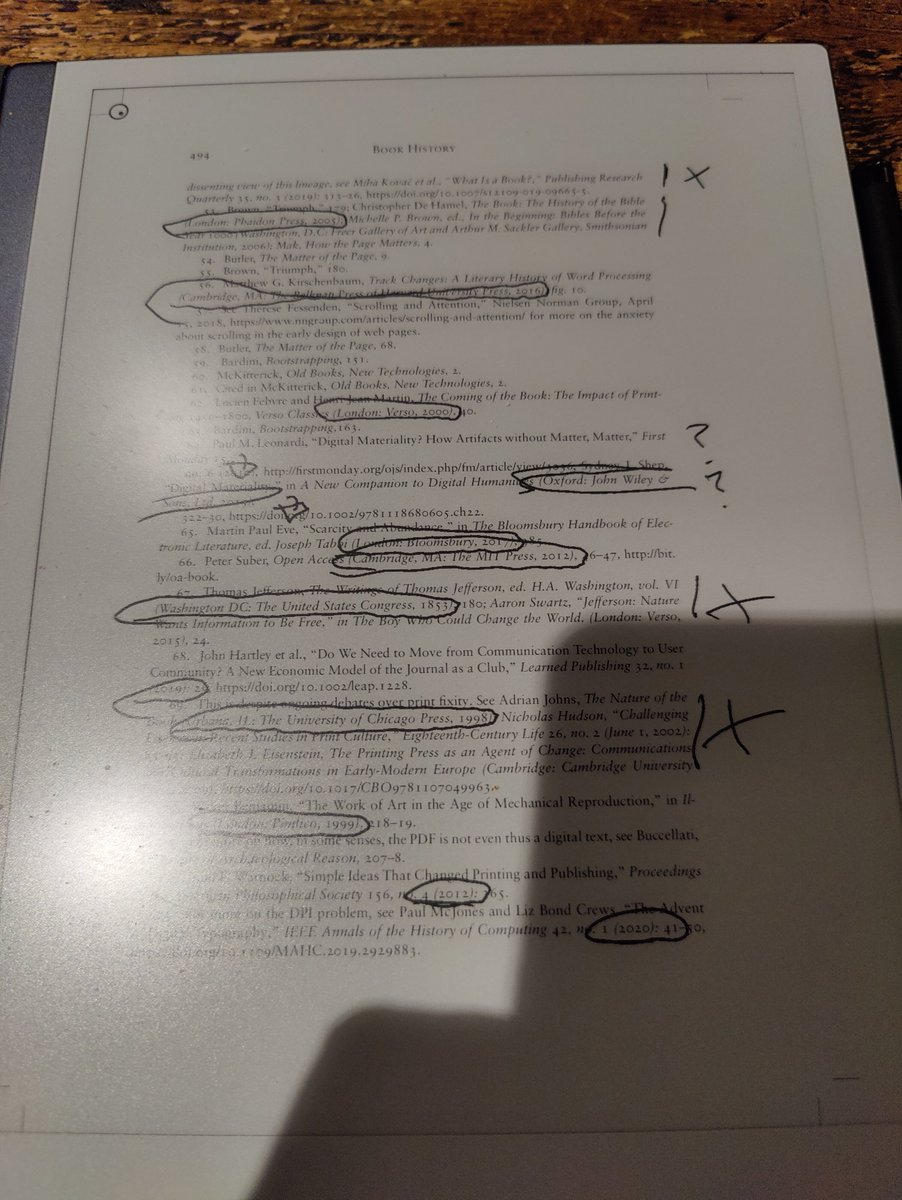
Take 2 on these proofs! Hurrrah!
It was going quite well until the bibliography
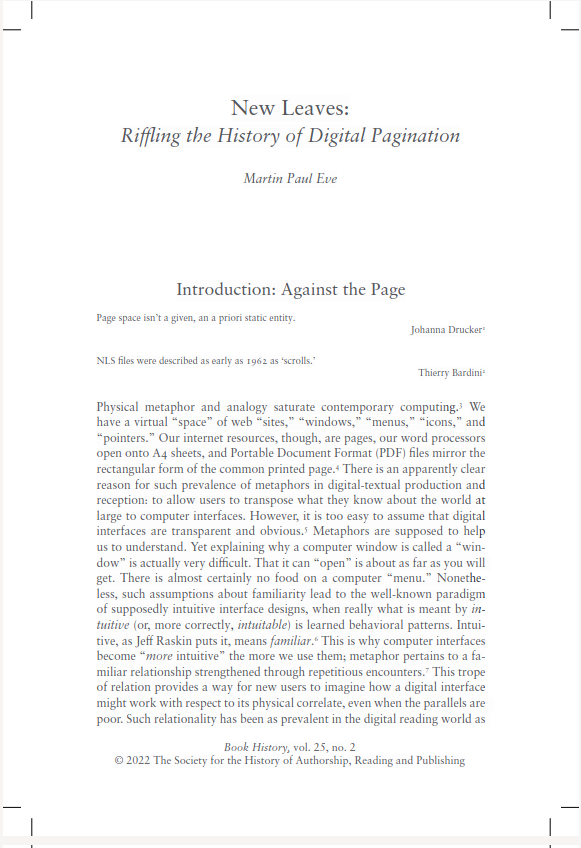
Kicked off this morning with work on the final chapter of my book. On software/code as speech (an oft-rehearsed trope, I know) but thinking through the idea of the "code library" (and what that metaphor means for digital text creation).
A great segment by @BBCKatharineDaCosta on @evusheld4theuk featuring @drlennardlee. It all continues to make no sense.
https://www.bbc.co.uk/iplayer/episode/m001cbkm/south-today-oxford-evening-news-20092022
PR agencies bidding for UK Covid inquiry risk ‘farcical conflict of interest’
https://www.theguardian.com/society/2022/sep/20/pr-agencies-bidding-uk-covid-inquiry-potential-conflict-interest?CMP=Share_AndroidApp_Other
CUPS 3.0 Continues Being Crafted To Overhaul Linux Printing
https://www.phoronix.com/news/CUPS-3.0-Architecture-Overhaul
'Last man standing in the floppy disk business' reckons his company has 4 years left
https://www.theregister.com/2022/09/20/floppy_disk_business/
Longest single-volume book in the world goes on sale – and is impossible to read
https://www.theguardian.com/books/2022/sep/20/longest-single-volume-book-in-the-world-goes-on-sale-and-is-impossible-to-read
This is why it is so frightening needing hospital treatment in the UK right now. Massive rates of hospital-acquired infection. No prophylactic strategy for immunocompromised who don't mount vaccine response. https://x.com/dgurdasani1/status/1572290453688692736
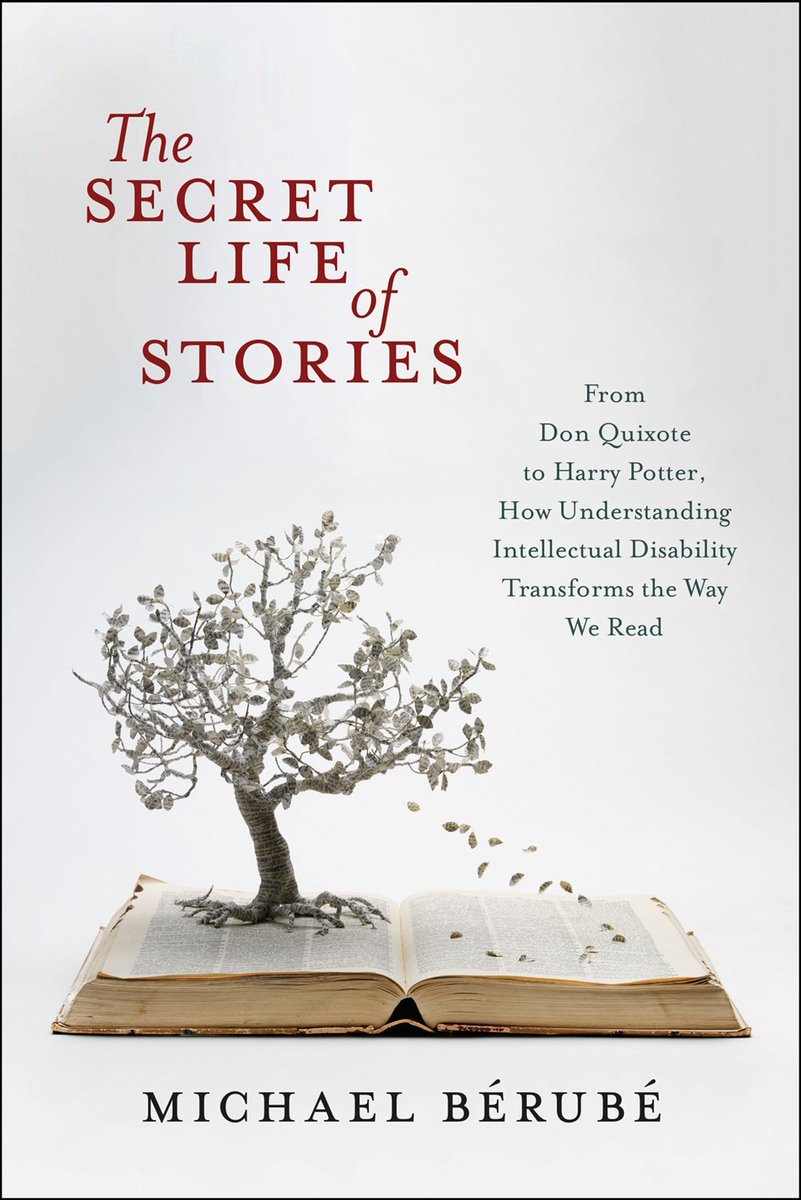
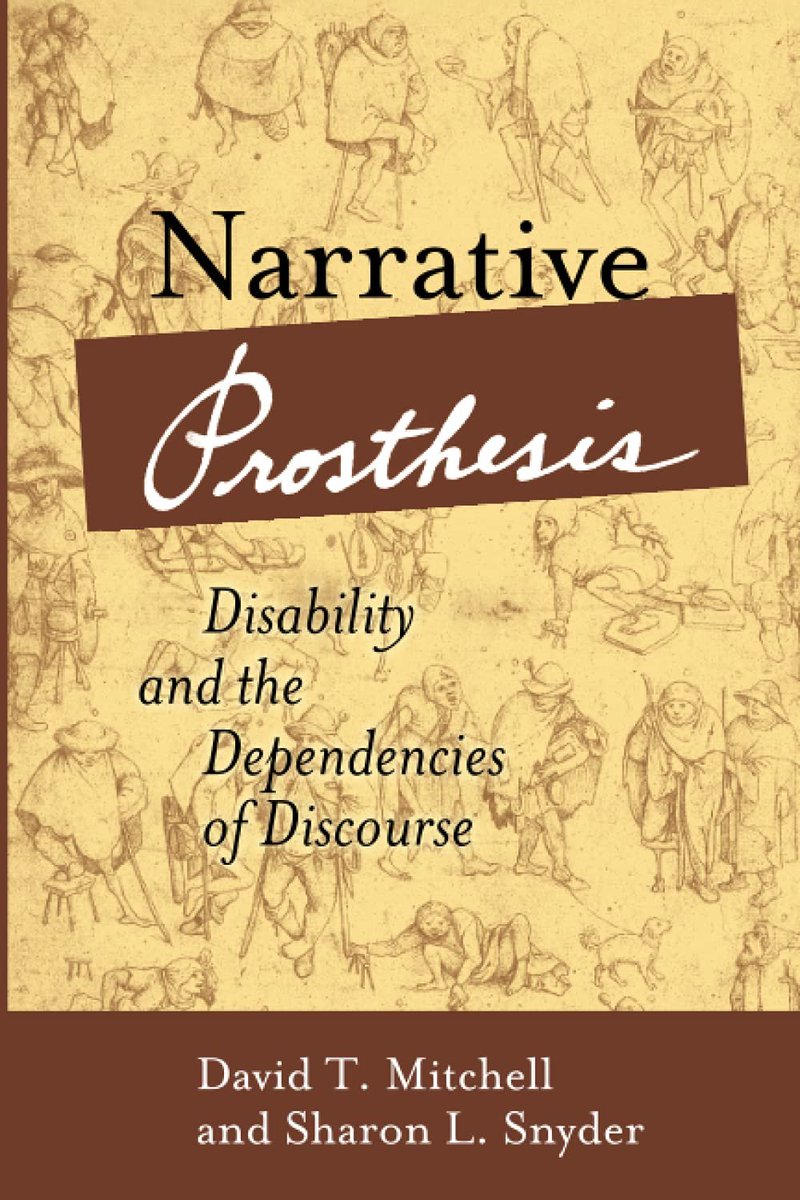
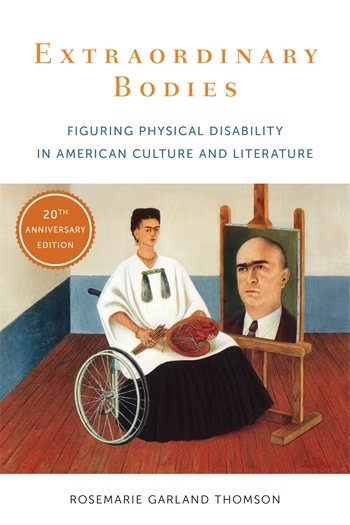
Regaining my strength after my hospitalisation, I've been reading some the classics, and some newer entries, in the literary disability studies canon. Garland-Thomson, Mitchell and Snyder, Quayson, and Bérubé.
Still got some mega-looking bruises, a week after discharge. Just not healing up so well...

In my experience, academics are the closest readers of almost all texts, except for publication contracts...
Scholars contributing to books risk their livelihoods
https://www.timeshighereducation.com/opinion/academics-contributing-books-are-risking-their-livelihoods
Looks like an Italian Spinone! https://x.com/_B___S/status/1572032590952939521
Hard to resist

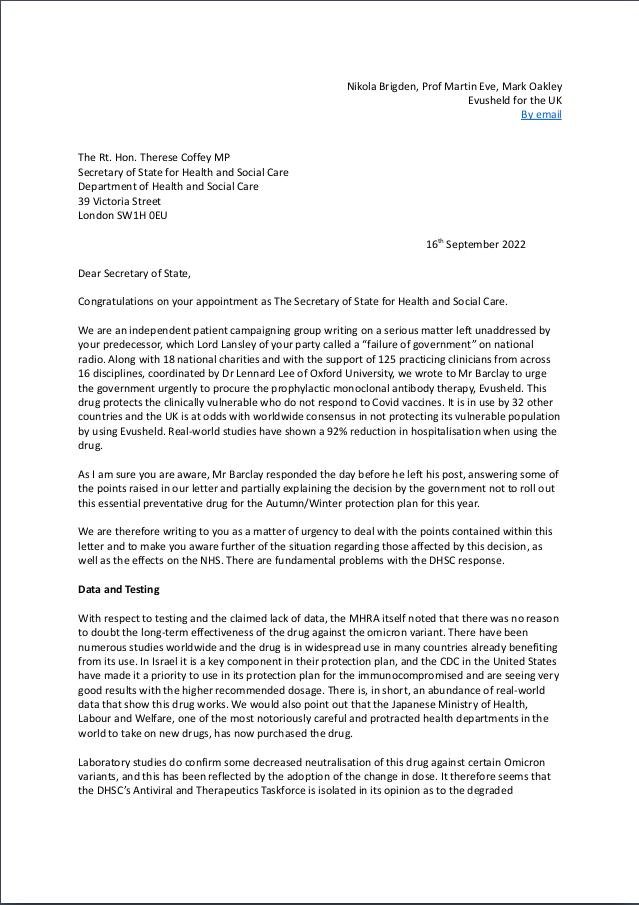
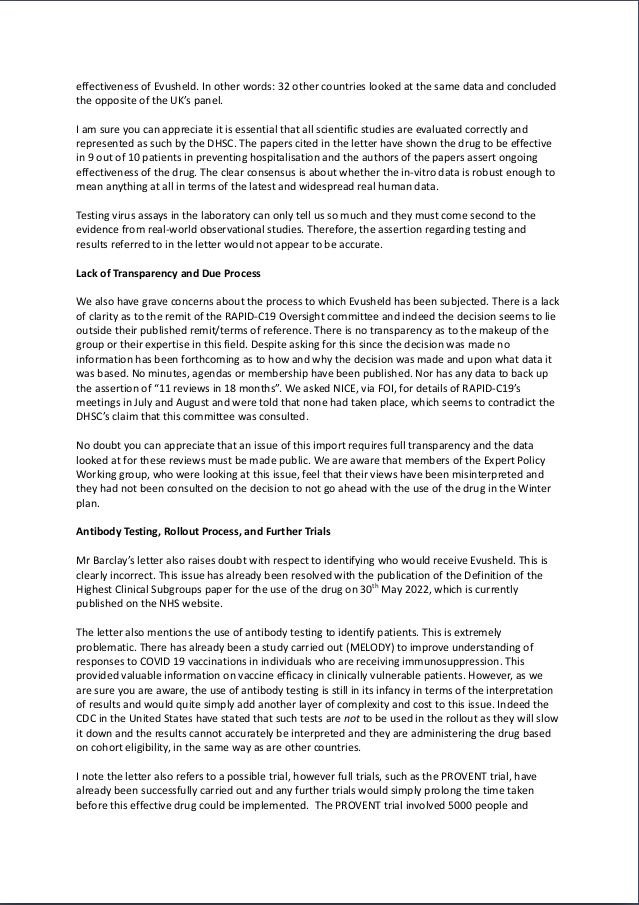
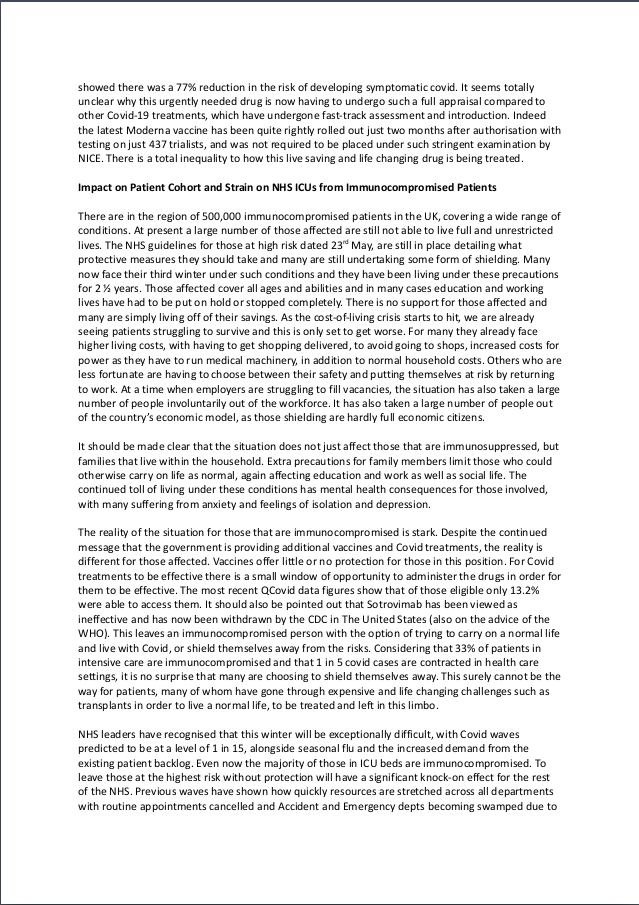
Last week, we, @evusheld4theuk, wrote to the new Secretary of State for Health, @theresecoffey, responding to the deficiencies in her predecessor's reply to us, sent on the day of his departure. https://getevusheld.uk/assets/downloads/2022-09-16-Response-to-SoS.pdf
Close of a long day

Does peer review improve the statistical content of manuscripts? A study on 27 467 submissions to four journals https://royalsocietypublishing.org/doi/10.1098/rsos.210681
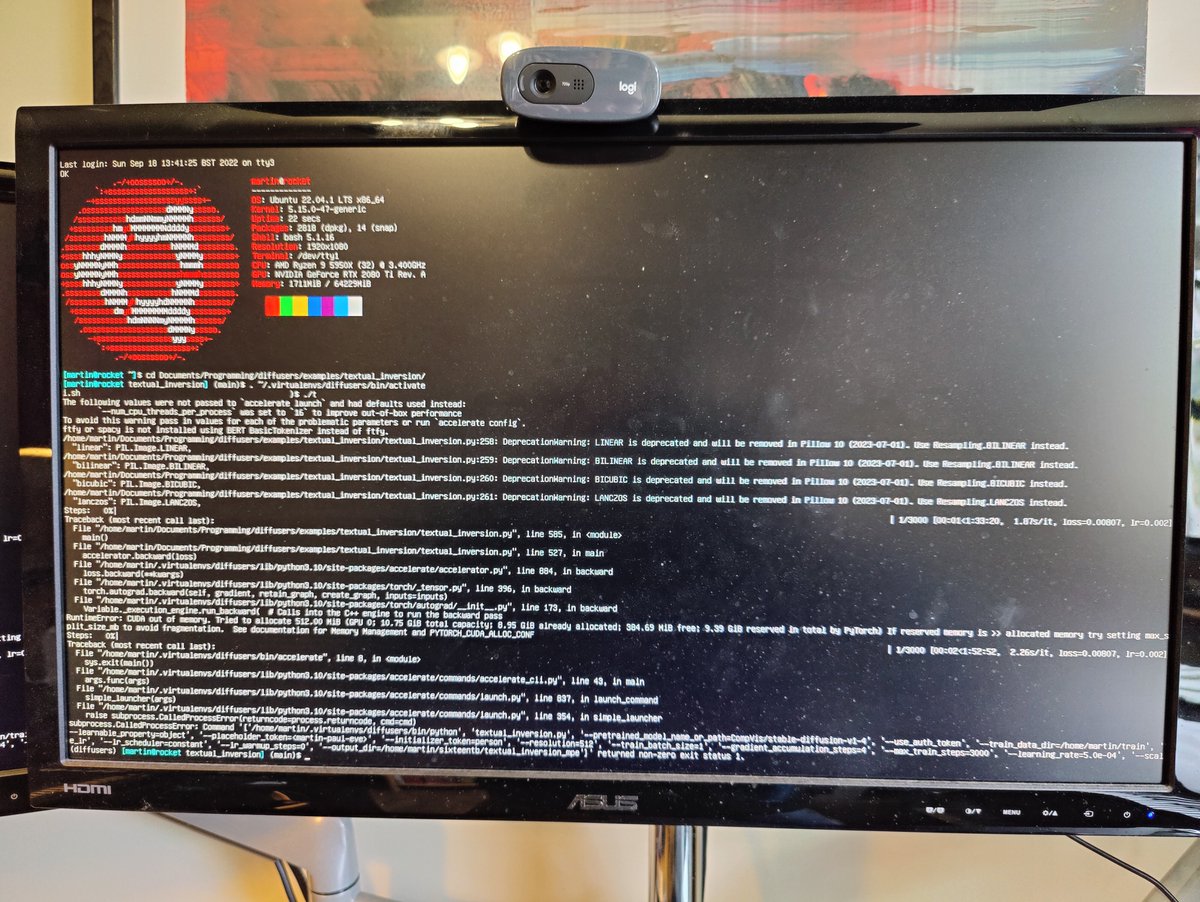
I have lots of writing that I should get to and get through, but I think instead I'm going to play with textual inversion training in stable diffusion for an hour or so...
So far, not so good. Think I haven't scaled my training set appropriately and CUDA is unhappy even with all other graphical memory stuff shutdown.
OK, it was, quite simply, that my RTX 2080 Ti simply couldn't handle a resolution of 512. Reducing to 256 has got the training going and should be enough to have a play.
I'm just documenting this all for myself, but probably I could have saved myself a lot of pain -- and got better results -- by setting up an AWS p3.2xlarge instance and training there. https://aws.amazon.com/ec2/instance-types/p3/
Given UK energy bills it would probably be cheaper too :O
A note: to do this, you need to apply for a quota increase of EC2 P instances.
Just for the record: this isn't made at all easy.
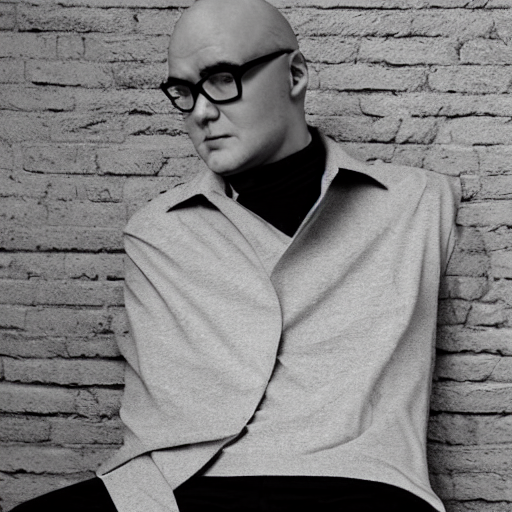
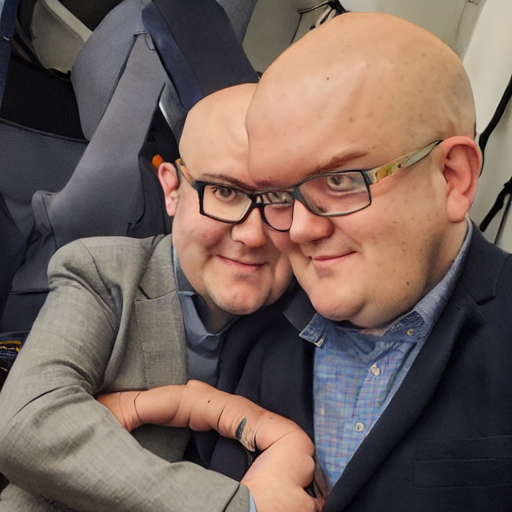
First attempt at importing myself into Stable Diffusion using textual inversion...
It comes out with some slightly nightmareish ideas
This morning's reading for me is Engebretsen, Eivind, and Mona Baker, Rethinking Evidence in the Time of Pandemics: Scientific vs Narrative Rationality and Medical Knowledge Practices (Cambridge: Cambridge University Press, 2022) <https://doi.org/10.1017/9781009030687>
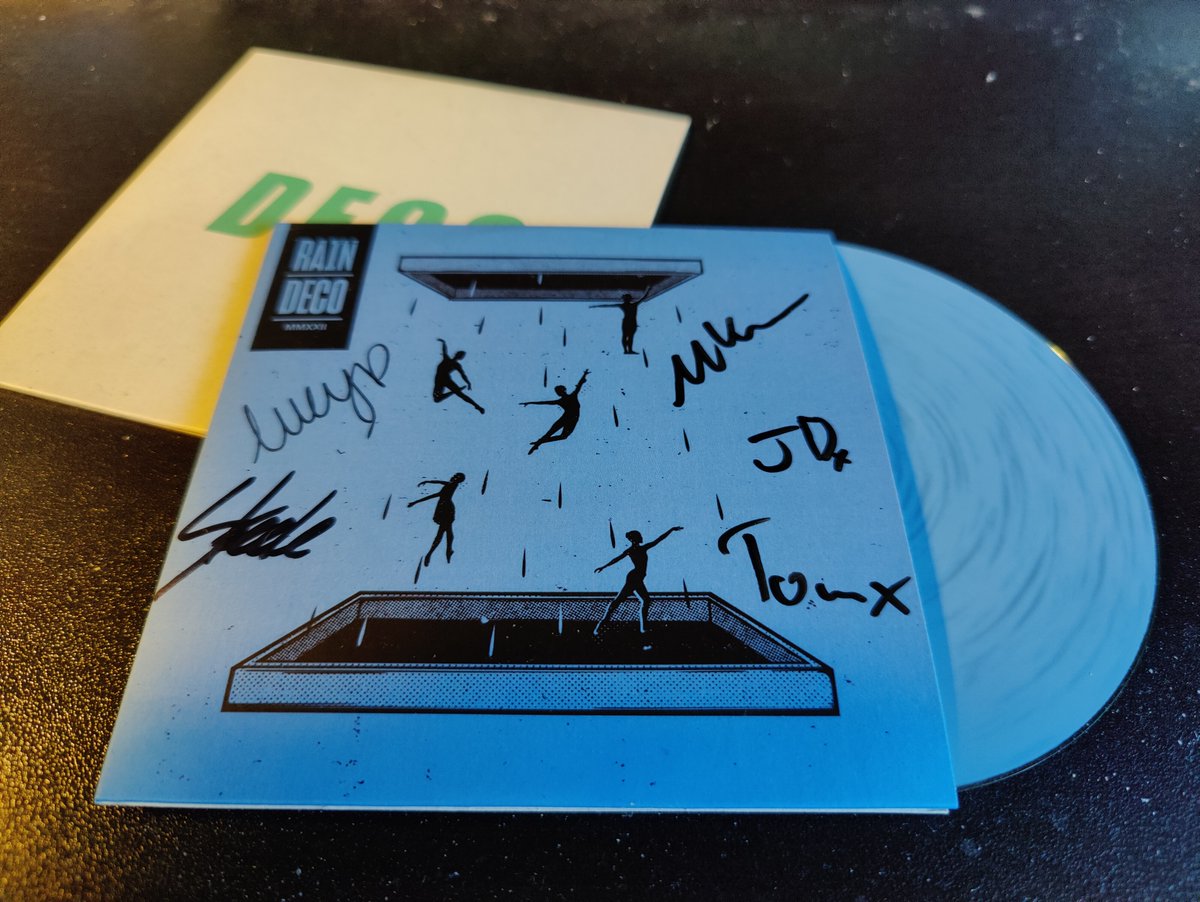
Doing some writing and jamming to my new @decobanduk CDs!
One of the more amusing parts of the hospital trip was being admitted via the "RAT Unit".
The Rapid Assessment and Treatment Unit.
https://x.com/FilmUpdates/status/1571141467896414208

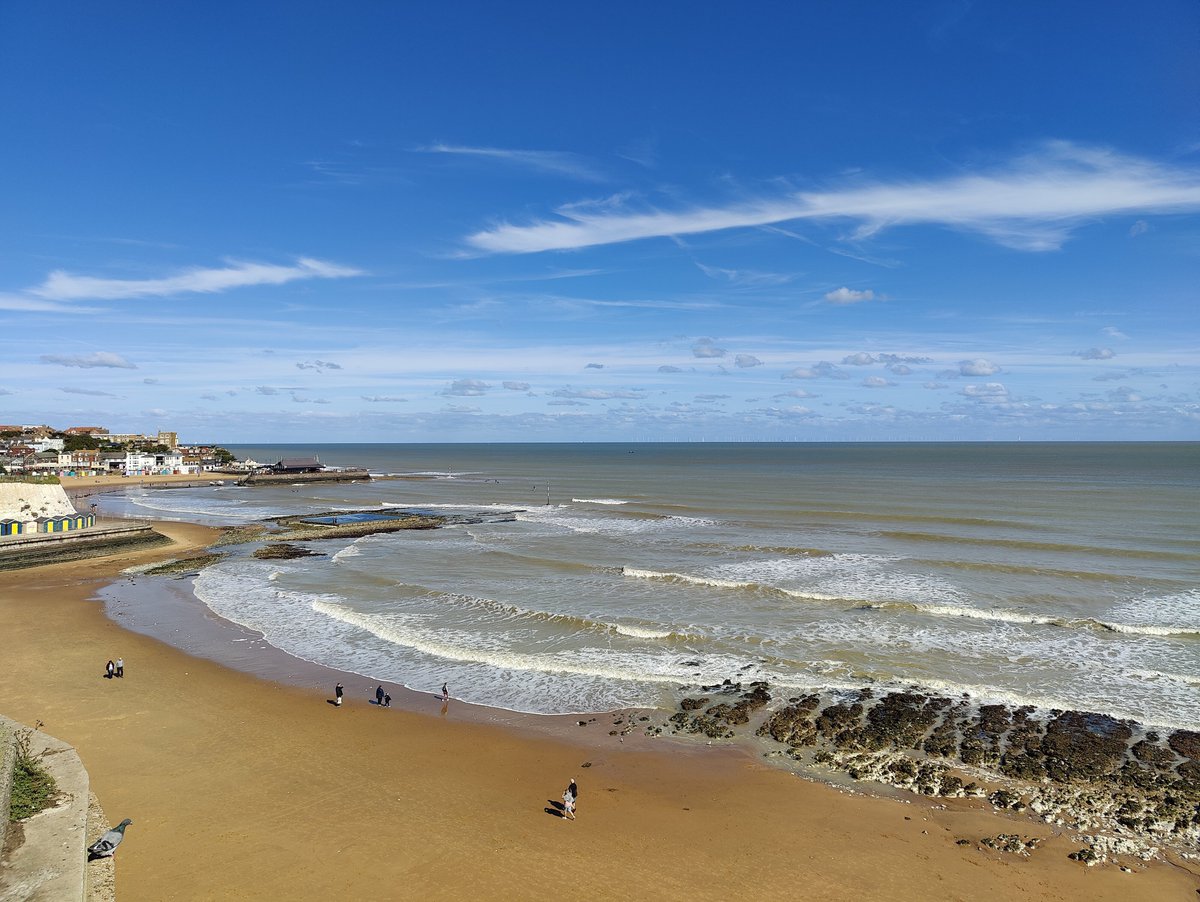
We went to the beach yesterday for a walk. I am not able to walk far. After 2 weeks in a hospital bed, my strength has faded considerably. It will take some time to rebuild them. But it was beautiful by the sea.
I have my 6th next week. No detectable antibody response to the first 5 though. Yes, some t-cell immunity likely. UK refusing prophylactic monoclonal antibody therapies just makes it an ongoing isolation nightmare. https://x.com/duncansykes/status/1570801079381798912
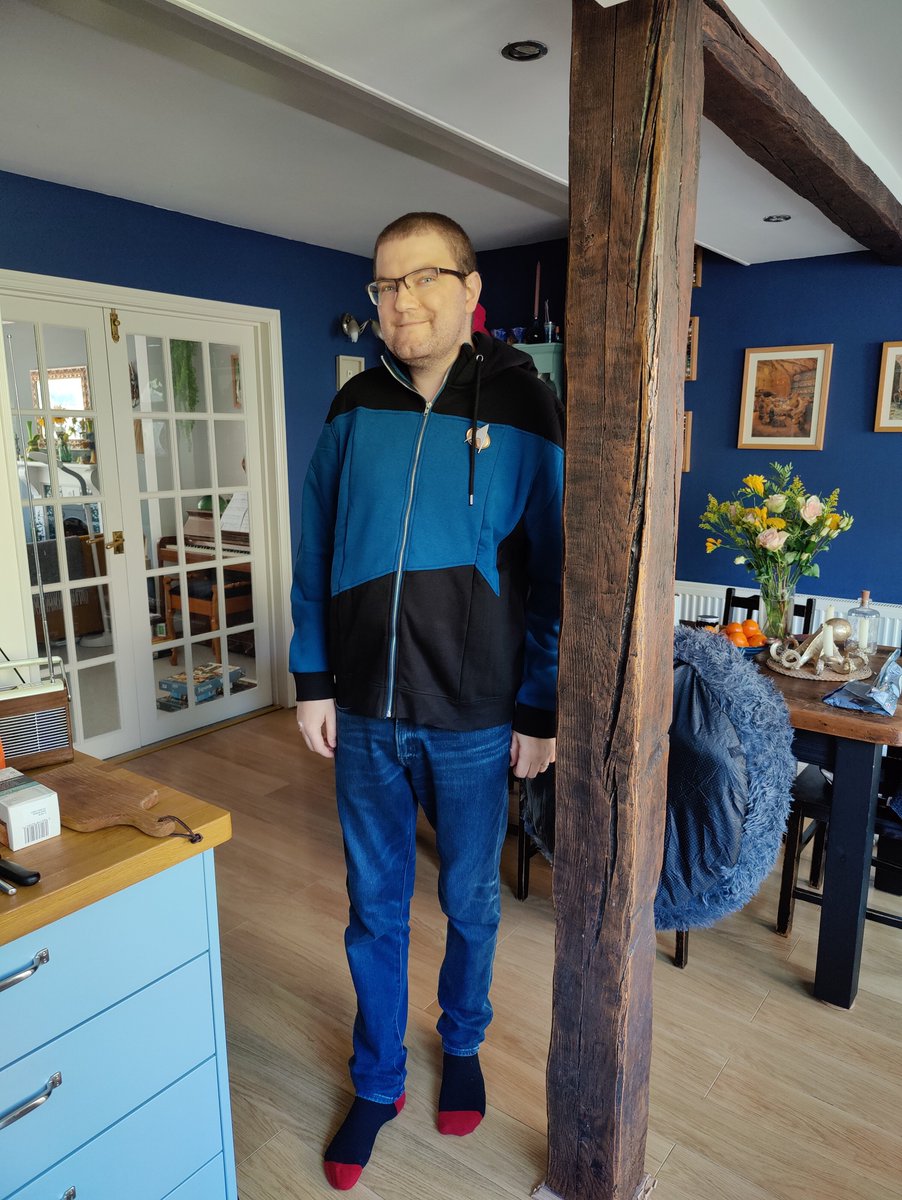
Immense generosity in the form of a Star Trek homecoming-from-hospital hoodie from @NikolaBrigden and @MarkOak04974342. Making me feel better already. Beam me up!
An estimated 1,820 people died in the UK after being given contaminated blood transfusions between 1970 and 1991, a report has found. https://www.bbc.co.uk/news/health-62929601
Big yawn
Meanwhile, recovering from the butchery of botched cannulation.
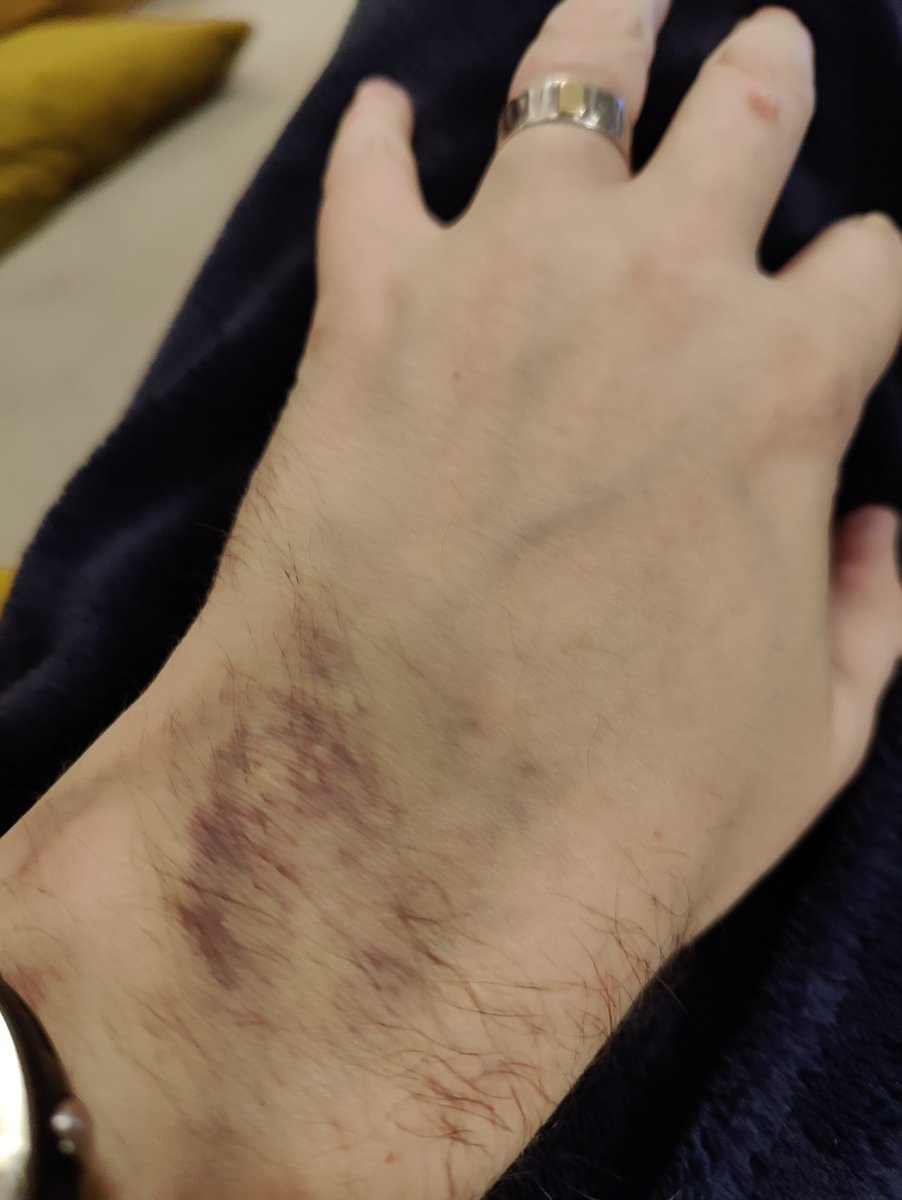
Can report that this steroid boost is going to make catching up on overdue work considerably easier.
Can also report that I may be totally insufferable to live with as I bounce off the walls!
UK government DHSC getting advice on Evusheld https://www.youtube.com/watch?v=lADB9Qu53CY
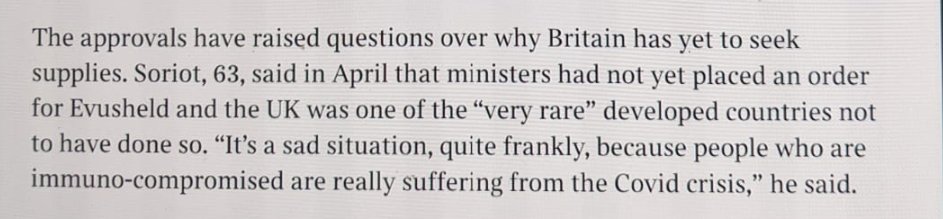
The Times today noting that 32 other countries are providing Evusheld to protect vulnerable people and asking why on earth the UK isn't.
Well, I've finally done it. I've joined the queue.
It's moving quite quickly and reckon I'll get my flu jab in about 5 mins.
Listen to The Dude https://x.com/MichaelRynne1/status/1570878696147521536
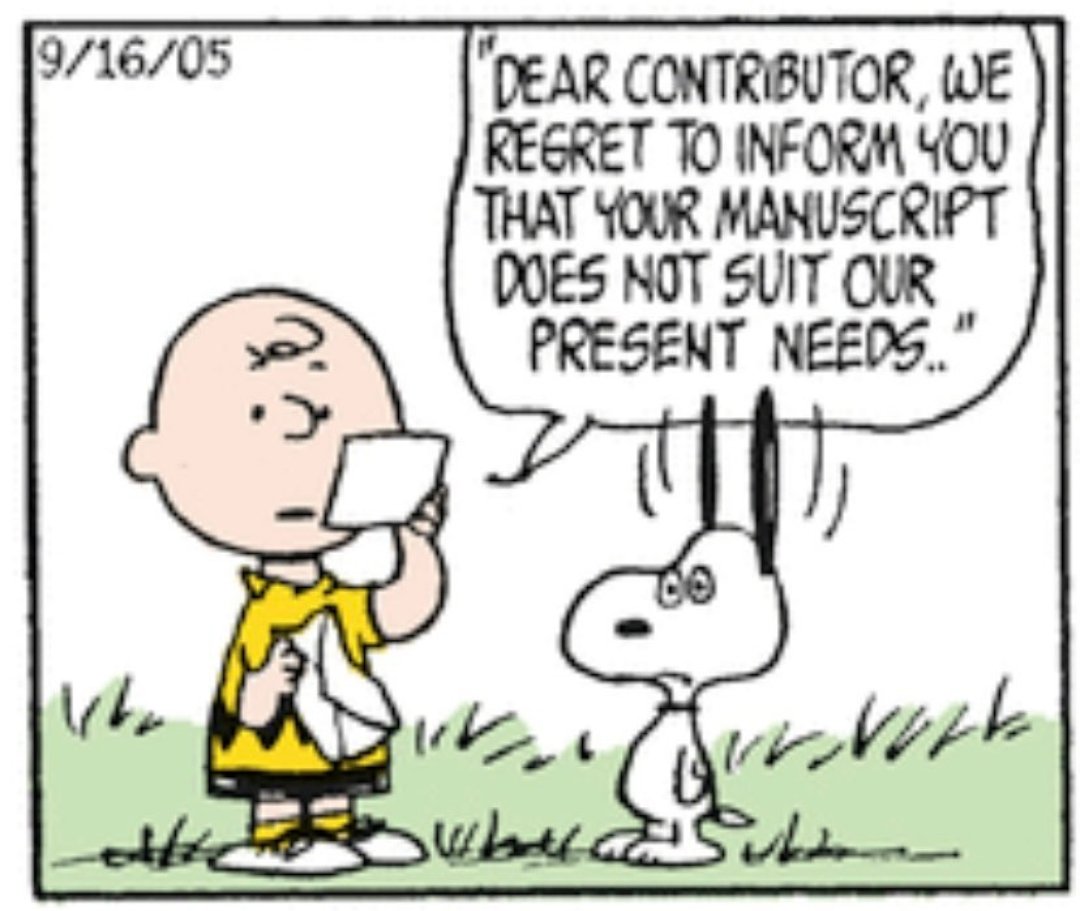
Editorial staff getting to it...
I was recognised on a train once 😂🚉 https://t.co/3gRtzYgX7w
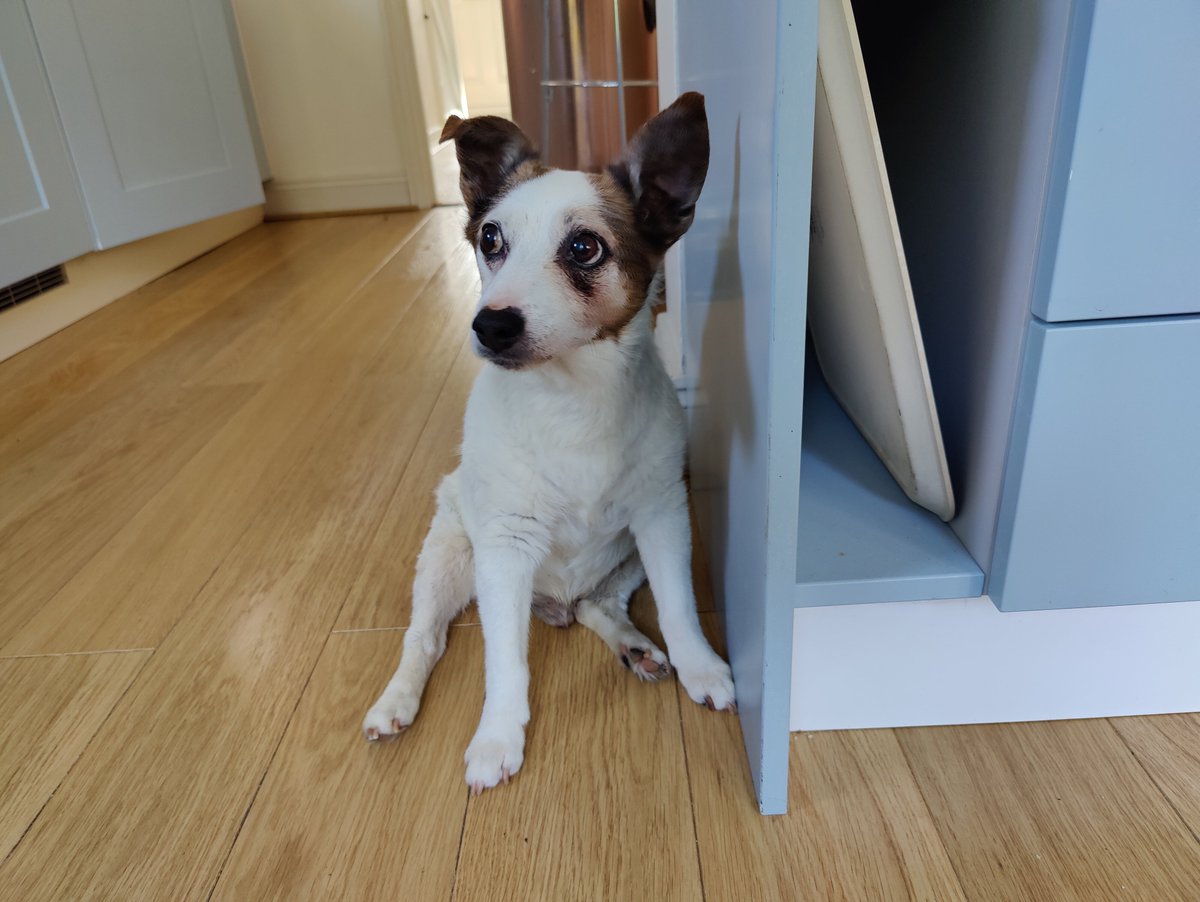
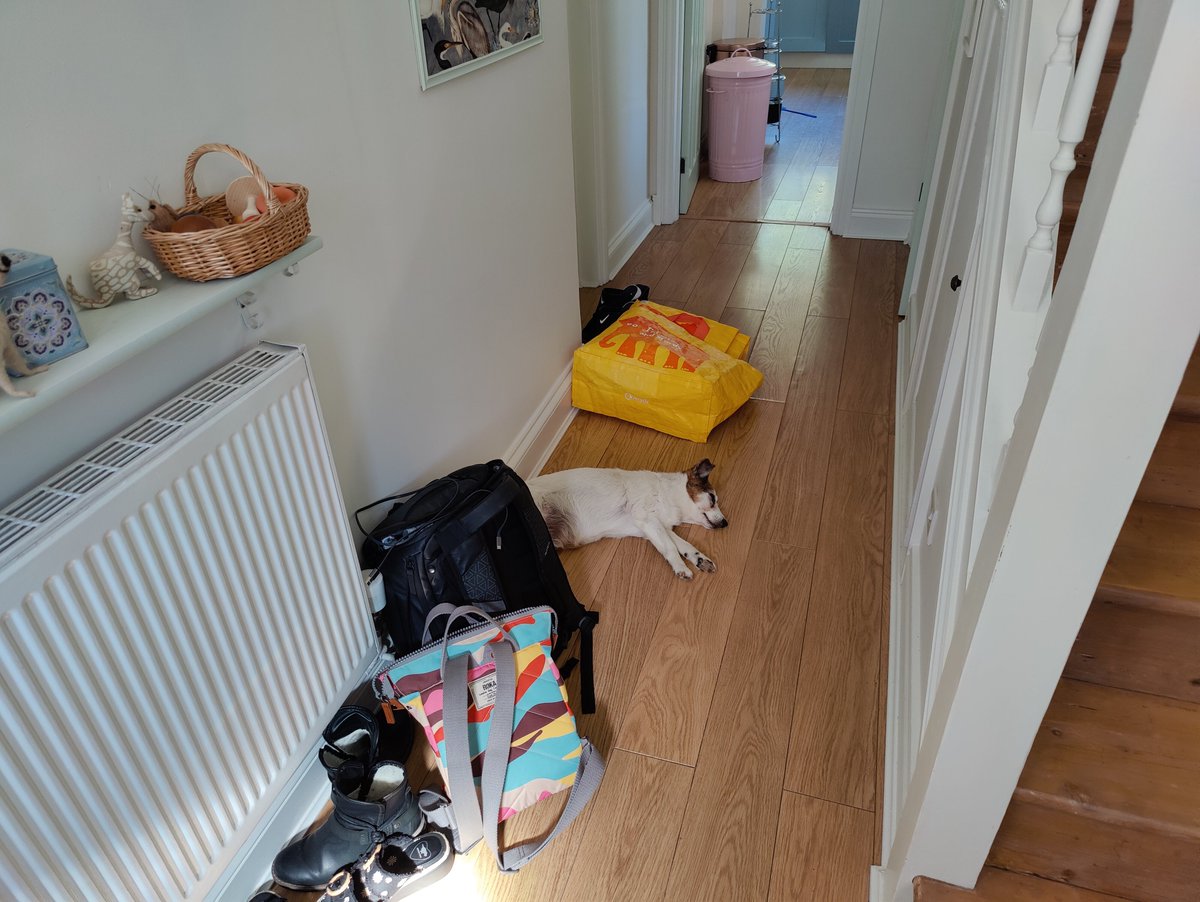
Toby's latest trick is finding weird places to sleep around the house that are not his bed. I swear he does it just to induce panic in us that he's dying! But he's OK!
Evusheld long-acting antibody combination recommended for approval in the EU for the treatment of COVID-19.
Another kick in the teeth for everyone in the UK who needs it.
https://www.astrazeneca.com/media-centre/press-releases/2022/evusheld-positive-chmp-opinion-in-eu.html#!
Hospital called and they have some news. They can see interstitial nephritis on the biopsy. They don't think it's medication-induced because nothing has changed. So that means my existing autoimmune conditions now seem to be attacking the kidneys.
It's a mega dose of steroids for two weeks - which is going to drive me hyperactive! - followed by a clinic appointment to decide longer term treatment.
Yvon Chouinard – the ‘existential dirtbag’ who founded and gifted Patagonia
https://www.theguardian.com/global/2022/sep/15/yvon-chouinard-the-existential-dirtbag-who-founded-and-gifted-patagonia?CMP=Share_AndroidApp_Other
Physics publisher retracting nearly 500 likely paper mill papers
https://retractionwatch.com/2022/09/09/physics-publisher-retracting-nearly-500-likely-paper-mill-papers/
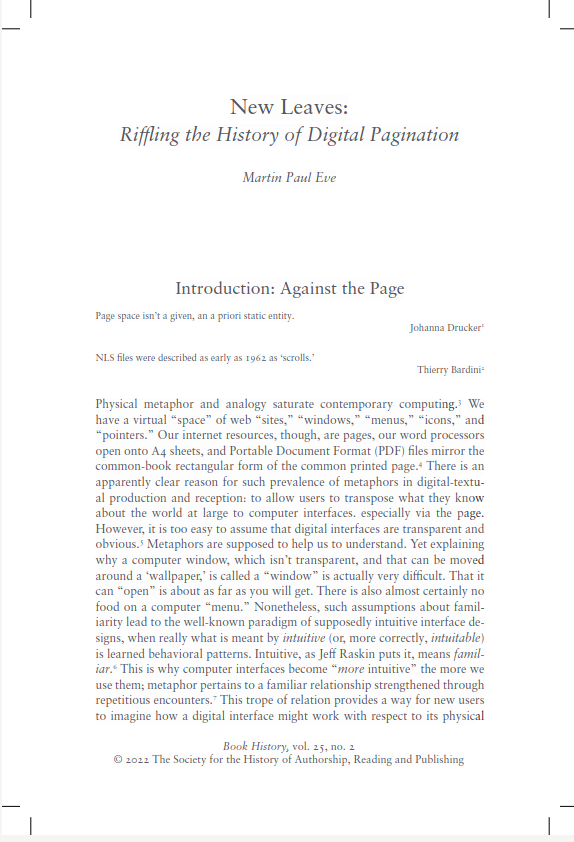
Finding my feet after hospital and have some page proofs for an article that's been a long-time coming. Will be available open access in Book History journal on publication.
Oh dear. These have not gone to plan as none of the copyedits have been implemented :/
DHSC: "NICE's RAPID C-19 Oversight Group advised us against Evusheld".
FOI request: "There were no meetings of the RAPID C-19 oversight group [in July or August]".
https://www.whatdotheyknow.com/request/evusheld_rapid_c19_oversight_gro
I've said this for years.
If you could fix the publishing economics, I really think most people in the humanities would actually like OA.
APC/BPC models, though, falsely made synecdochal for all OA, threaten economic exclusion. https://x.com/kawulf/status/1569683809519681536
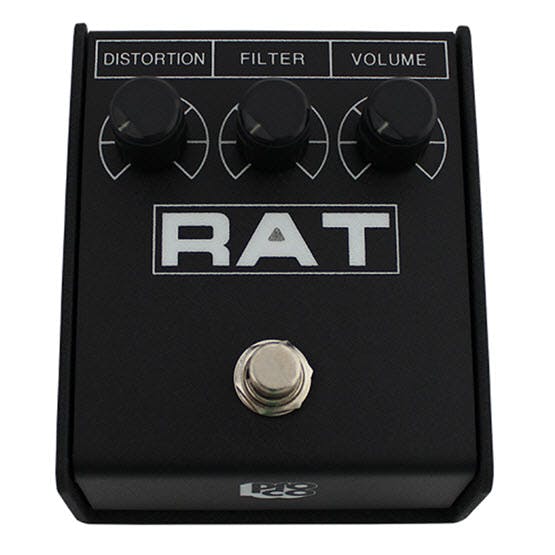
An important part of the weekend recovery will be playing with the new music gear that I sympathy-bought for myself.
And it's called the "RAT".
I'm home from hospital but, wow, I'm also totally exhausted. It's going to take me a few days to be back to full capacity, so please bear with me while I recover.
Something that people who have never had a hospital stay won't know is just how long it takes to be discharged. I was told I was being discharged 6 hours ago and am still waiting for the (trivial) paperwork. Seems ridiculous when resources are so tight.
I am now stabilised and being discharged from hospital while we wait for full biopsy results. We still don't know what's causing the kidney dysfunction, but I will be monitored at home and followed up next week. It's only getting worse very slowly, so they think this is safe.
So I've had the biopsy. Results tomorrow AM I hope. Recovery was 6hrs of staring at the ceiling!
Potassium levels elevated again this evening due to kidneys struggling. Sigh.
Rust Linux Drivers Capable Of Achieving Performance Comparable To C Code
https://www.phoronix.com/news/LPC-2022-Rust-Linux
Trying to understand the risk odds on my kidney biopsy as did @wtgowers a few years ago. https://gowers.wordpress.com/2012/11/05/mathematics-meets-real-life/
1 in 5k people lose a kidney in this process. But that's less than the overall population risk of death.
Perhaps more worrying is that 1% need blood transfusion.
Blood transfusion is quite a risky process - and I believe my blood type is O negative - the universal donor but that can only receive from other O negs. Hope they have a good supply of this rare blood to hand!
Well, I'm on the renal ward in an isolation room. Now awaiting the biopsy. Kidney function still seems "mullered" (technical term). Hopefully some answers soon, but it's also possible that they just find some scarring that they can't explain.
Can anyone help @ajrbyers with a question: why doesn't CRediT have a "translator" role? https://credit.niso.org/
Missive from home informs me that Toby has a new bed, which looks very snuggly

Very bad night here.
First, had my fluid drip, which finished at midnight. Then needed a blood test and ECG. Blood test then showed, an hour later, that potassium levels had got worse. So I had another drip of insulin and glucose.
Then another was prepared of sodium bicarbonate, apparently to lower blood acidity and treat the high potassium. This then burned to the point where I was shouting in pain and the cannula had to be removed.
A nurse then tried to fit a new cannula, but was unable to, despite stabbing me multiple times with a needle. Then I got hit by an urgent fit of hunger thanks to the insulin drip and had to request something to eat.
So all in all, very little sleep, and the health situation has worsened.
Ouch. These speculative execution bugs - and their fixes - are nasty.
Retbleed fix slugs Linux VM performance by up to 70 percent
https://www.theregister.com/2022/09/12/retbleed_slugs_vm_performance_by/
The whizzypinger https://t.co/Fth8ss8bRF
Have got a lot done in hospital today. Know it's Sunday, but there is nothing else to do in a hospital room all by yourself. Except twitter, which is a bit strange right now. So working flexibly seems to be keeping me going!
So niche. Love it. https://t.co/Exd4Brp1uP
I'm afraid this is actually true. Lots of people think they don't need to wear a mask because vulnerable people aren't out and about... I wonder, though, why they're not out and about and what might contribute to that... 🤔💭 https://x.com/ThisThingBlog/status/1568640422628433921
Today's update. Potassium levels are creeping upwards, as a result of the kidney dysfunction. Now too high.
They are putting me on a drip to rectify this. They have also hooked me up to an ECG/heart monitor to ensure this does not cause cardiac problems.
Infuriating as, inexplicably, they put me on a potassium drip earlier in the week. It was really painful! Someone badly messed this up. 🤷🏻
Had horrific nightmares last night that all revolved around not being able to open my eyes. When I could finally open them, my sight had freeze-framed one particular view. No matter whether I moved my head or passed my hand in front of my eyes, it was just the same image.
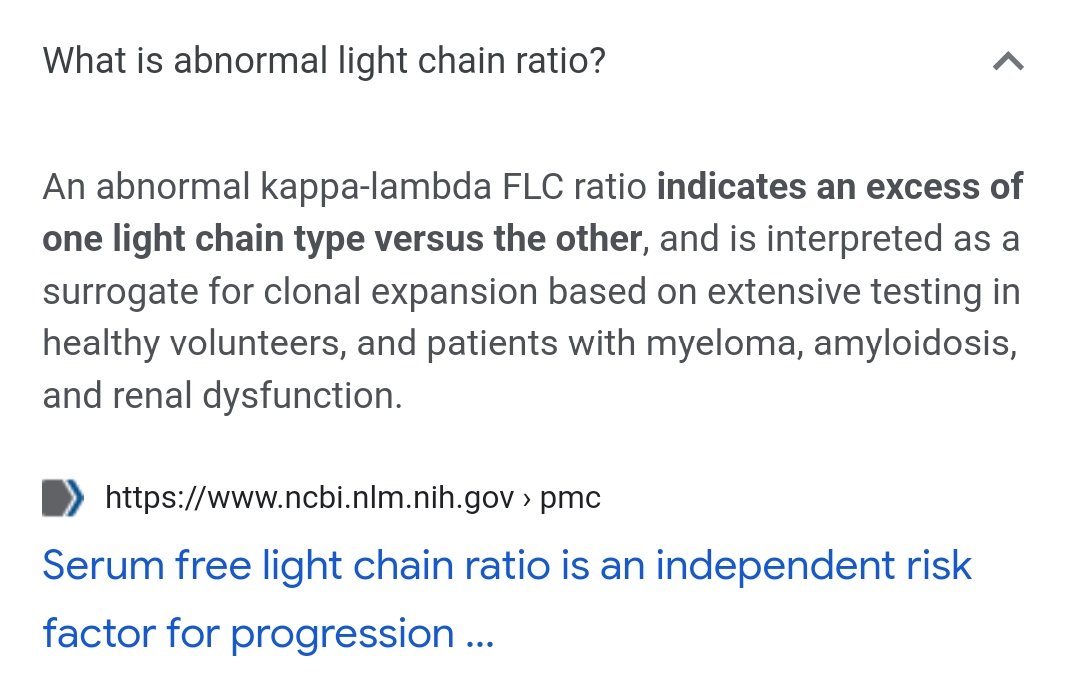
Today was a slow Saturday. Lots of blood monitoring, among other fluids. Apparently my "free light chain ratio" is abnormal. Which could mean something or nothing. Still working out when/how to do the kidney biopsy. They think this problem has been ongoing/worsening since March.
"well that clears things up"
When you hear about the strain on the NHS, worth remembering that they've just told me that there's a private room and nursing staff a floor up from me sitting empty, waiting for someone with money. They will endanger immunocompromised patients in open wards rather than use them.
Been told "we can't do this procedure with you in a side room because we don't have any spare on the renal ward, even though we acknowledge you are at high risk. Oh BTW, if you pay, there's an empty private room available in the hospital."
This is so wrong. Like reserving the last defibrillator on the heart attack ward for rich people only.
The information illiteracy of this graduate student centre does amuse me. Re the thesis: "please do not download this onto your own device".
So how would you like me to read it? By travelling to your campus to use a computer there? Bonkers.
They also password protected the thesis. As though it's some top secret document. It's a PhD in English literature.
The password is plaintext a-zA-Z. Aka brute forceable in about 5 seconds.
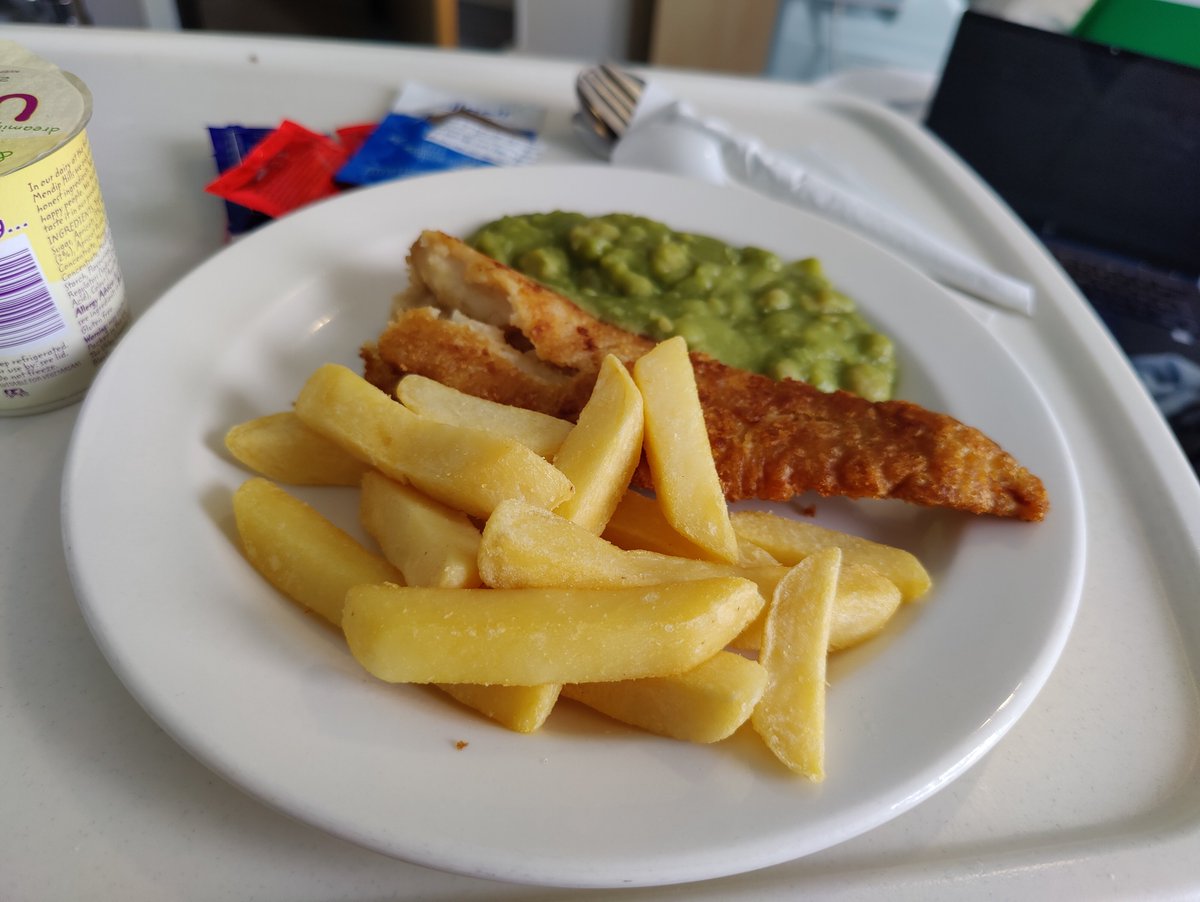
This afternoon's hospital activity is reading/examining a PhD thesis, which I'm greatly looking forward to. Less keen on the hospital grub. Someone got halfway through defrosting these chips/fries...
Fascinating thread https://x.com/mbismark/status/1568353658852765697
Reminiscing over my past decade of work in HE. I'm known as a researcher and administrator, but it's a teaching lecture I gave on Emily Dickinson's poetry that's my stand out memory. A student told me afterwards that lectures like this were why she'd wanted to go to university.
It's amazing what sticks with you.
Today is the 10th anniversary of my PhD viva. I remember it so well. I was so nervous but it was actually just a thrilling discussion with people who'd really read my work in depth.
And where am I spending it to celebrate? In bloody hospital on a drip!
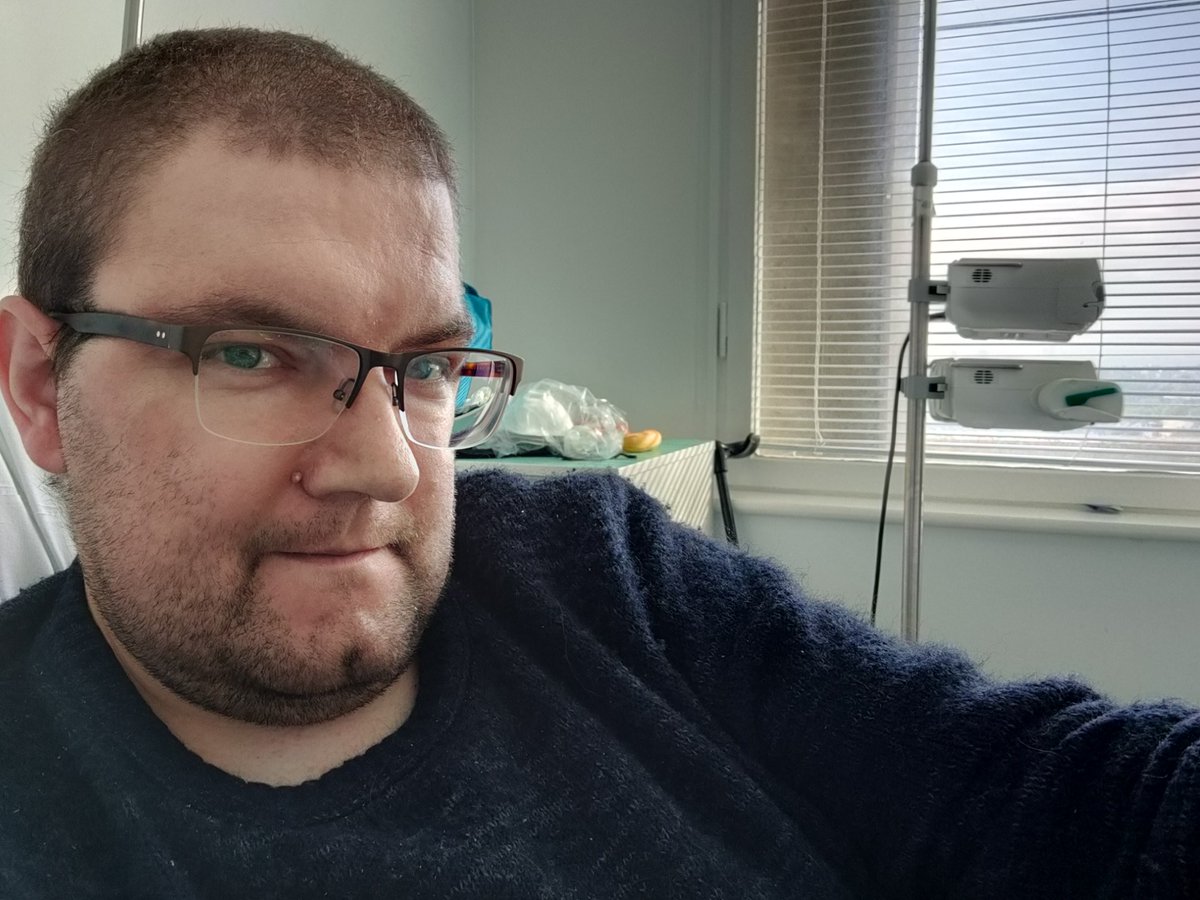
No real update today. Waiting for renal team to sort out kidney biopsy. Doesn't look like that will happen today. Then will have to wait for results. So I'm in here for the long haul. They're currently flushing gallons of IV fluids through me.
Need @kidneydoc101 to come sort me out! Haha!
Strong job title. Basic required skills include transmutation, elixir brewing, and panacea creation.
Chief Alchemist at University of East Anglia
https://www.jobs.ac.uk/job/CTC757/chief-alchemist
The best solutions to fix scholarly publishing all take the form of "we could solve this problem if everybody in the world just changed all of their practices to do X instead".
It's good to dream, of course. But collective action problems are not "just". They're the crux.
Fatty deposits around liver.
Doctor: "Do you drink much?"
Me, misconstruing/mishearing the question: "I've drunk 4 whole jugs of water today"
Doctor: "No, I meant alcohol at home".
Me: "oh. Yes. Far too much".
Doctor: "me too".
In fairness, they are monitoring all of my fluid intake, so it was a reasonable misconstrual.
Doctors explaining kidneys sounds like a Monty Python sketch: "the problem can either be before the kidney, in the kidney, or after the kidney."
"All brontosauruses are thin at one end, much, much thicker in the middle and then thin again at the far end."
Thursday update: they think the problem is in the kidney itself, rather than before or after. However, my liver is also now not working properly. So I've just had a scan of that. They will apparently also now need to do the kidney biopsy.
Government minister who went to Cambridge and Harvard says other people shouldn't go to university because "Shakespeare didn't". https://x.com/TheProfRog/status/1567797830630182912
This was my favourite show as a kid!
Knightmare: It's 35 Years Since a Show About a Kid with a Bucket on His Head Blew the Minds of a Generation
https://www.denofgeek.com/tv/knightmare-35-years-since-the-show-blew-the-minds-of-a-generation/
The challenge with UCU's "GTVO" is that I always misread it as "GTFO", a less savoury internet initialism.
Can confirm: IV potassium is really nasty and burns at the infusion site!
Wednesday update: apparently I have what’s termed an “acute kidney injury”. They still have little idea why and are testing everything. Renal team will decide soon whether I need to have a kidney biopsy to work out what’s going on.
"It's not the result of a physical blow to the kidneys, as the name might suggest." https://www.nhs.uk/conditions/acute-kidney-injury/
Serious illness does have its perks, as you can send bathetic messages like "We have no idea why, but my kidneys have just abruptly stopped working -- which is less than ideal."
New music on the way... https://soundcloud.com/ticitaci/jack-butters-martin-eve-the-house-that-jack-wrecked-clip?si=fd7d011e16274555b96a1af334687804&utm_source=clipboard&utm_medium=text&utm_campaign=social_sharing
*screaming* https://t.co/vEcFGU1SHE
4AM fun: cannula came out of my hand spraying blood everywhere around the room. Looked like a horror film.
Convinced this is really what's happening behind the scenes when you generate AI art

As, once again, I find myself working remotely from a hospital bed, I am struck by the extent to which "good scholarship" in the humanities depends on access and discoverability. Peer reviewers often praise work that tracks down, say, relevant essays in out-of-print collections.
The good scholar will find the obscure but relevant secondary material and ensure it is cited. But what if this work just wasn't obscure in the first place?! It's fiendishly difficult to get hold of some essay collections, for instance.
It's especially terrible if you are confined to a hospital or isolated because of pandemic risk -- I can't even go to the British Library to find the sole copy of these works in Britain etc.
But we just keep doing this. Building publication cultures that make somehow the act of finding the scholarship into the hard part and the scholar into some sleuth who has to track down the obscure writings of others.
Really hacks me off.
What prompted this outburst? An introduction to an edited collection claiming an author to be among the most important living American writers. Pointing to existing scholarship it noted that "sadly the two volumes are out of print". And aaargh.
So @DHSCgovuk has been claiming one reason in all of its recent communications. Then gives a different one in a response to our letter. Still hasn't published its "robust review" that concluded the opposite to every other country. https://x.com/bicknel11/status/1567190114492715008
As I read more and more Percival Everett the word that leaps out at me across his novels is “apperceive”, a term implying the becoming aware of perception. Just once per book, perhaps, but subtly there in several.
Tuesday: kidney function remains seriously impaired. However, they have been unable to work out why. It doesn't look like lupus and they can't see any evidence of vasculitis.
I will now be given a large volume of fluids by IV drip and the renal team will be coming to see me.
On the day that the cowardly ex-health secretary gave nonreasons for not using Evusheld, as do 32 other countries, a new study is published showing great outcomes for vasculitis patients on Rituximab.
https://www.kireports.org/article/S2468-0249(22)01720-X/fulltext
This is a hopeless letter. Annex A doesn't name a single clinician - so this process remains totally unaccountable. And he waited to send it until the day he was leaving office so there could be no discussion. https://x.com/bloodcancer_uk/status/1567110644675055616
"the risks of proceeding to patient access are considered to outweigh the risks of not providing this treatment"
The risks of giving people a drug that has been shown in real world studies to reduce hospitalisation by 92% is outweighed by what exactly?
The news keeps getting better
Cliff Richard to release new Christmas album
https://www.theguardian.com/music/2022/sep/06/joy-to-the-world-cliff-richard-to-release-new-christmas-album?CMP=Share_AndroidApp_Other
Mrs Eve makes the priorities clear.
Without appropriate metadata, data-sharing mandates are pointless
https://www.nature.com/articles/d41586-022-02820-7
Working with a copyeditor can be an interesting development of a relationship. The best are where you start off at loggerheads - they seem to hate your writing and you resent their corrections - but as you go on, they have fewer amendments and you come to value their changes.
It doesn't always work like this - sometimes it's clear we're never going to be friends - but it's great when it does.
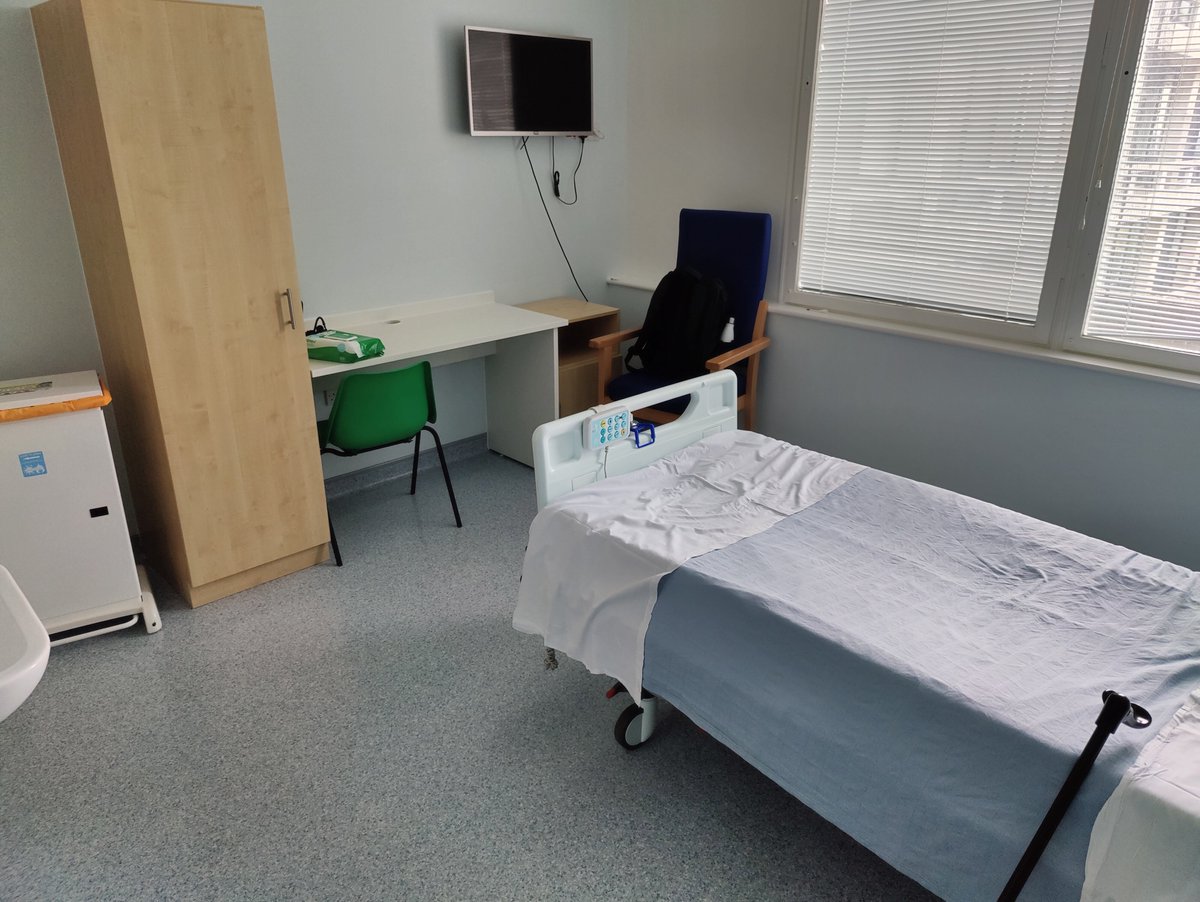
I've been moved wards and, wow, this new one is better than some hotels I've stayed in for academic conferences!
This is the same ward where I had my stroke in 2016. It's had a mega upgrade. All side rooms now.
It's going to be a miracle if I get out of this hospitalisation unscathed. https://x.com/eemoin/status/1566466575552679942
Get your bets in quickly! https://x.com/LadPolitics/status/1566754845083811842
https://x.com/HannahAlOthman/status/1566714262512443392
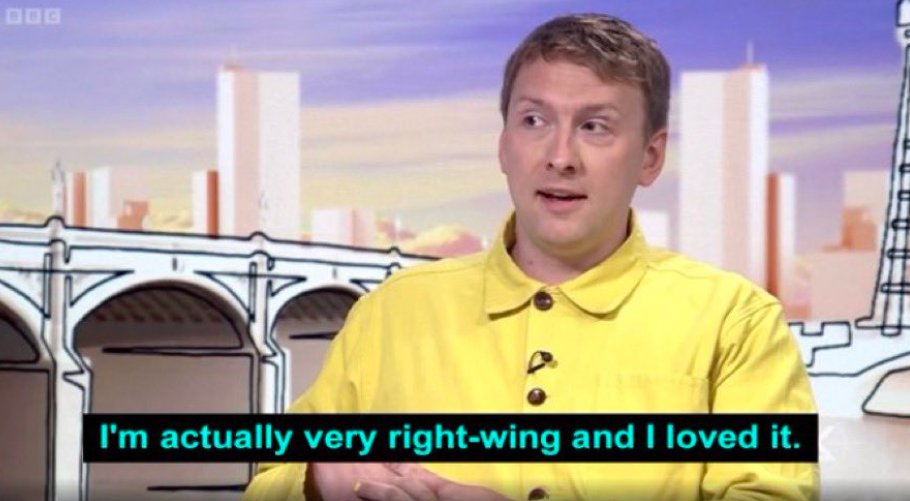
Further hospital phenomenology.
People imagine that the process is "we'll do some tests then give a diagnosis then move to treatment".
It rarely actually works this way. It's usually more a set of hypotheses that are floated. Then some tests that disprove those.
You get a whole raft of contradictory ideas floated by different clinical specialities. It's never, in my experience, a straightforward path from A to B to C. You have to prepare for all your certainties to be torn up every day.
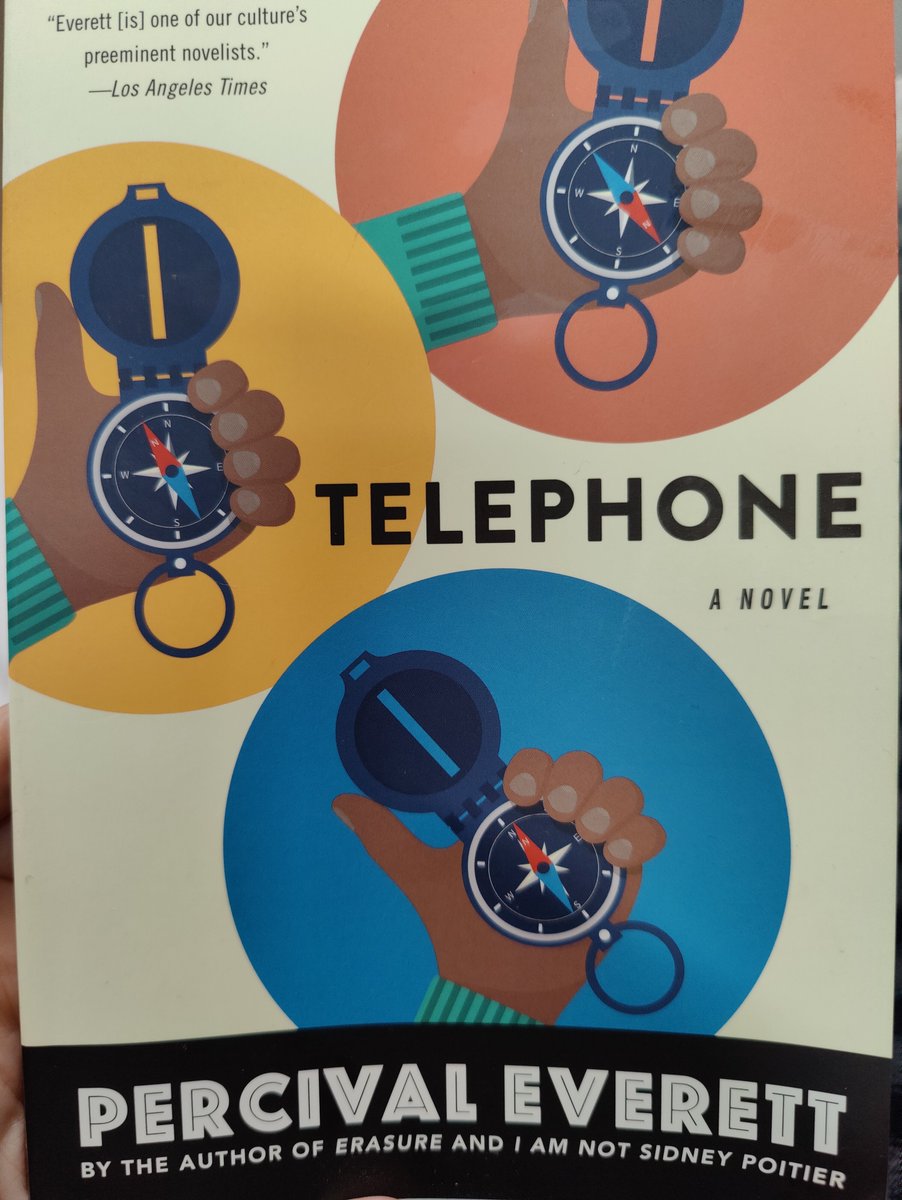
Today I reread Percival Everett's TELEPHONE. A blistering novel about parental grief that's also entangled with a 2666-esque strand on femicide and modern slavery in Ciudad Juarez.
I continue to work on an article about this novel, focusing on Batten's disease - a central plot element - as a focaliser for the text's own elisions and slippages, especially across editions.
Monday update: we still don't know why my kidneys are failing. CT scan looks OK. Unsure if there's vasculitic involvement. We're still waiting on lots of test results. But the blood results are still way off. They won't discharge me while they look like this.
It's OK. He gets better again by the end. https://x.com/hollywoodscifi/status/1566584227818221568
Well, I think you'll find that this divide of binaryism is actually a spectrum, rather than "thinks everything is a binary" vs "thinks everything is a spectrum", there's ACTUALLY... https://x.com/at_hayashi/status/1565865347797893123
The economics of this are also terrible.
Complex heart surgery costs about £25k for the operation - and that doesn't include lifelong follow ups etc.
If these patients die from Covid, you're throwing all that away.
For a dose of Evusheld, which would cost the gov approx £450. https://x.com/martin_eve/status/1566475624474189825
The generosity of giving life to another in your own moment of grief.
But INFURIATING he can only have a limited existence.
They gave Max a life back with a transplant but now the UK won't protect him from serious Covid risk using antibody therapies.
It's criminal.
#Evusheld https://x.com/BookHeart/status/1566470969790791680
I've probably said something like this before, but the patient experience of time in hospital is strange. It's both slow and very boring, with little happening at any pace, and incredibly stressful/anxiety-inducing, as things CAN happen at any point - and you can get bad news.
The most important video call to home from hospital

Unless this was being used in the context of "this is an example of how previous crude theories of brain function and location ended up perpetrating unacceptable misogyny", it's deeply problematic. https://t.co/5nHxgk4v1W
Open access books: A global preference for regional subjects | Impact of Social Sciences
https://blogs.lse.ac.uk/impactofsocialsciences/2022/08/03/open-access-books-a-global-preference-for-regional-subjects/
Sunday update: kidneys still not good. Had CT scan and endless blood tests. Severe anemia continues. Feel pretty exhausted, unsurprisingly. Don't think much will happen today, but they're monitoring. Doing some reading and writing to keep myself busy though.
They've suggested I may need the nasty chemo drug, cyclophosphamide, again. This is not fair! I've only just started regrowing my hair after the last time!
(And it's quite horrible in terms of sickness.)
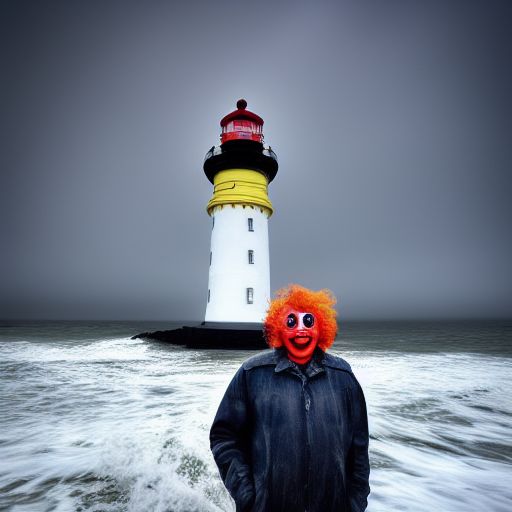
Every #stablediffusion effort is 10x more sinister with "with a clown".

As I find myself in hospital again, I read this emotive piece about clinical hierarchy and the problems of status in the medical profession. I've encountered quite a bit of this - particularly when I had a stroke - and it's really difficult to manage.
https://www.theguardian.com/lifeandstyle/2022/sep/03/13-year-old-daughter-dead-in-five-weeks-hospital-mistakes?CMP=Share_AndroidApp_Other
Surgeons seem to me often the most sure of themselves and difficult to question. They also changed their attitude to me when I gained a PhD and then a professorship. Most people don't have those privileges.
I think many people with chronic illnesses learn quite quickly that they are more invested in their own wellbeing than their medical team can be. You have to learn about your own condition and its complications and treatments. And then you have to question medics.
Good doctors don't mind this at all. They are open, kind, generous and understanding. But I think there's a temptation for more senior clinicians to lose this openness. They've seen so much and become used to deference. They think they've seen it all, perhaps?
I have immense respect for doctors and their professional opinions and judgement. They've saved my life several times. But I have even more respect for them when they will also listen to my concerns - seriously listen, and take them on board - while treating me.
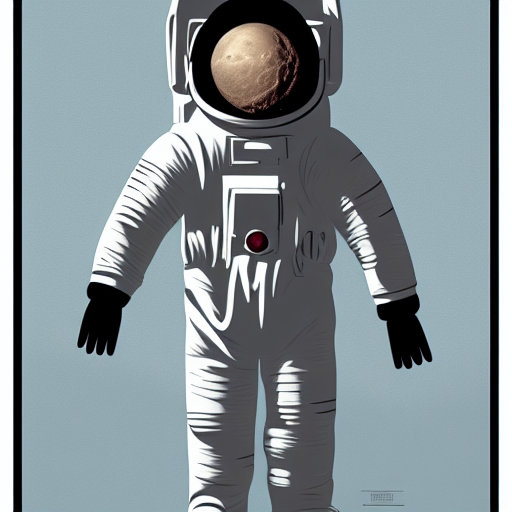
Outer space concrete realism #stablediffusion


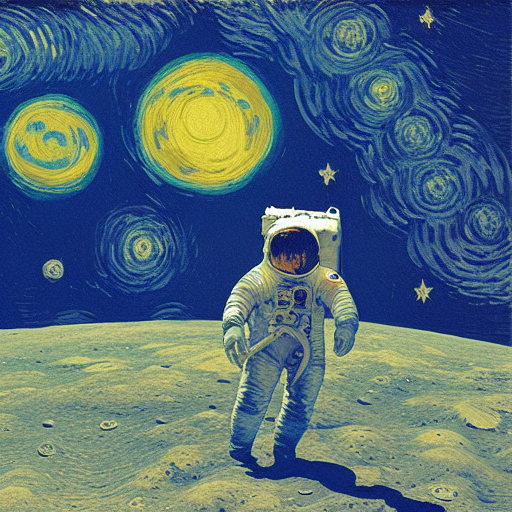
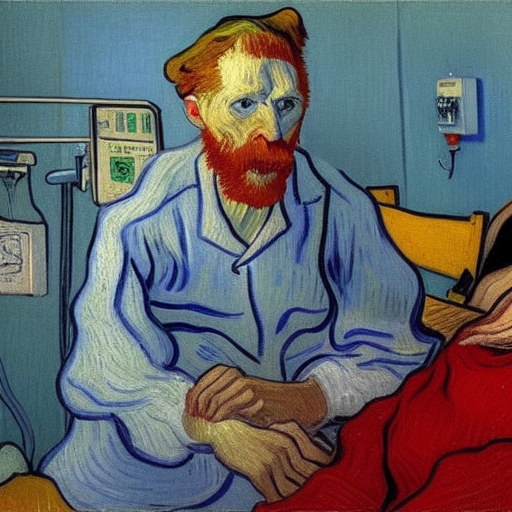
Vincent van Goghospital #stablediffusion
He felt better later
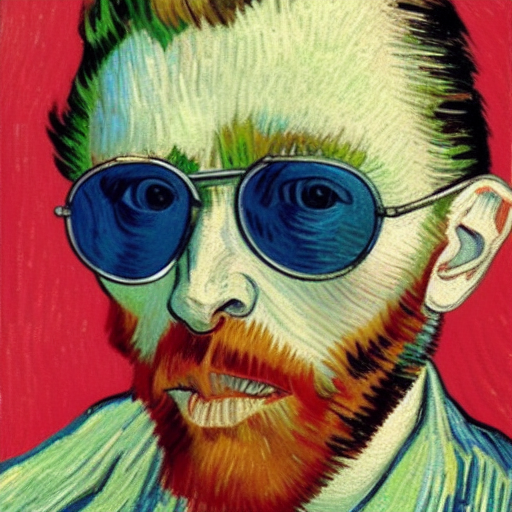
It's still not really quite at this stage, but this is definitely a "did not age well" meme.

Well, things not going brilliantly here. Kidney function still massively deranged, severely anemic. Suspected renal vasculitis, internal bleeding, and also testing for lupus. I've been admitted to hospital again and don't know how long I'll be in for.
Amused by the 90-year old woman in the bay next to me who just lit a cigarette and started smoking it before the nurses dived in to stop her.
Current status: National NHS Darts Championship 2022
There's definitely something to be written on caves in Percival Everett's novels. WOUNDED and TELEPHONE both have a central focus on this geology.
Well, they waited until 6.30pm on a Friday to tell me that my kidney function repeat test was even worse than the first one and that I should now haul myself to hospital.
Suspicion is renal vasculitis. As before: it sounds like I have loads of health problems. It's only actually 1 or 2 linked inflammatory conditions. https://eve.gd/2022/08/29/its-tricky/
Can you discern the GPT-3 AI-generated abstracts from the real thing? A "game" from @gbilder. As he says, it isn't necessarily a fun game... https://abstractonator.labs.crossref.org/
It's been a long Friday, but closing it out listening to the new A Best Man Dead album. Some ingenious sampling of Kool Moe Dee on Ever Been Kool. Shame it's only on Spotify as I prefer to buy music to support artists... https://open.spotify.com/artist/427oGTiefnilC48qoL7z7J/discography/all
Someone said they were struggling to come up with a "snappy" name for a library leadership project around OA.
Crocodile: Coalition of Research-Oriented Centres with Openly Directed Interlibrary Leadership Excellence.
Definitely snappy.
The UKRI consultation on its new open-access policy said: “the UK HE funding bodies will launch a detailed REF-specific OA consultation no later than six months after UKRI’s policy is announced”.
That review was published in August 2021...
An extremely powerful piece on how policy narratives developed in the UK around covid.
Crucially "UK policy makers seemed to favour narratives from a narrow group of scientific advisers".
The same is now true as to why they've rejected Evusheld.
https://www.bmj.com/content/378/bmj-2022-069940
They've found their small number of advisers who've said "no" and ignored the 125+ that we've got clamouring for it.
Dall·E's new outpainting feature extends images
https://boingboing.net/2022/08/31/dall%c2%b7es-new-outpainting-feature-extends-images.html
Urgent call: we're working on a major media campaign for @evusheld4theuk and are looking for immunocompromised people within the M25 who would be willing to be photographed. (Social distancing, all done outside/safely.) Please let me know if you would be willing. And please RT!
If you prefer to email me, I'm martin@eve.gd
Yet the UK won't prevent this group contracting Covid. https://x.com/EmoryUniversity/status/1564704517383487489
The Gift of Happy Memories: A World War II Christmas Puppet Play in Ravensbrück. A new piece by Cynthia Lisa Dretel as part of the @openlibhums collection on Puppets for Action https://olh.openlibhums.org/article/id/6379/
Panopto's "default" background effect really is seeking the prison aesthetic

Our conclusion is clear: with the toll approaching 200,000 excess deaths the UK’s response should have been much better. https://www.bmj.com/content/378/bmj.o2066
Err. Seems a bit of a harsh rating system. 👎 or 👎

Nice mention of our work on PLOS ONE in there, too :) https://x.com/Richvn/status/1565320536841912321
Radio 2 live now with my co-leader of the @evusheld4theuk campaign, @MarkOak04974342. Thanks to @theJeremyVine for running this really strong segment. Also thanks to @BBCFergusWalsh for his excellent analysis.
HUGE thanks to @bbcpaddy for hosting and spotlighting the Evusheld scandal. @DHSCgovuk acting so against international consensus.
While all societal protections have gone, did you know that the official government advice for vulnerable people is basically: stay in lockdown? Government won't protect this group with Evusheld. Instead just advises perpetually utterly limited life.
https://www.nhs.uk/conditions/coronavirus-covid-19/people-at-higher-risk/advice-for-people-at-high-risk/