May 2021
Toby has located the fourth man
Today's electro funk improv yielded a couple of minutes in a couple of hours.
Reicher said: “The data we are seeing at the moment suggests we have a problem. We don’t know how big the problem is – it might be bad, it might be very bad, we will learn in the next week or two.
Oh good.
https://www.theguardian.com/world/2021/may/29/dont-drop-data-not-dates-approach-uk-adviser-warns-as-covid-cases-surge
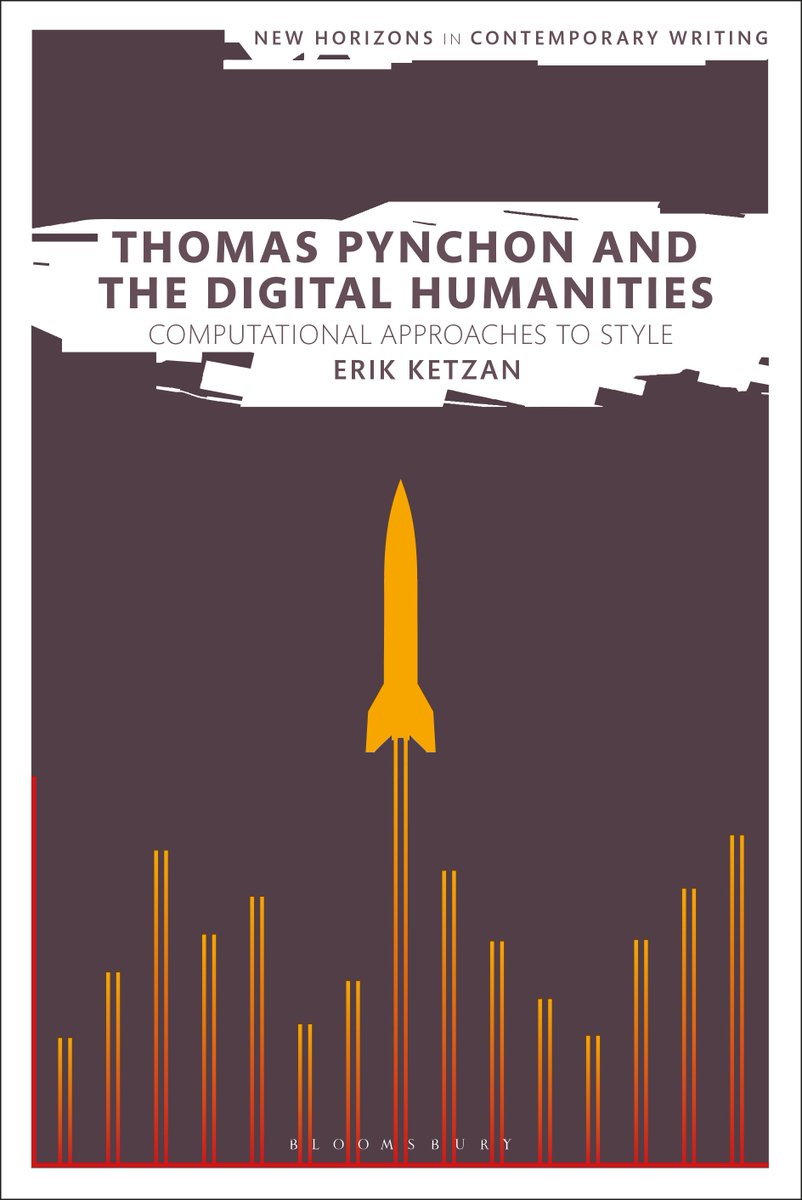
Not going to lie, I'm excited about this book in our series from @erikketzan. It's my decades-old Pynchon obsession, of course, but ace cover, too.
I thought, OK, this book pricing isn't *terrible* until I saw the PDF format that I actually wanted...

Thanks for the birthday wishes, all! Friends and family seemed to think along similar lines of "all the vital food groups" for presents....
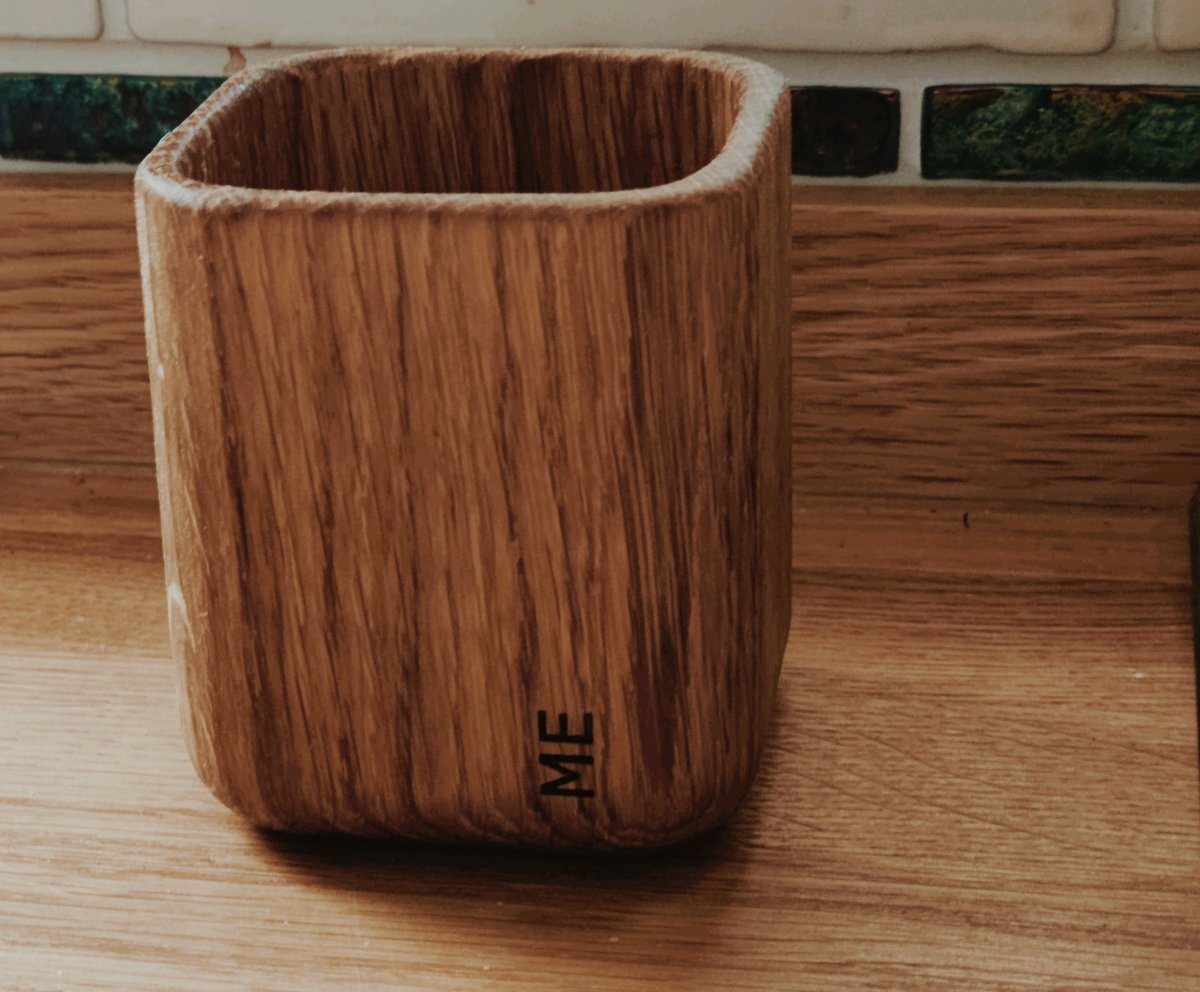
And the friend who didn't send me whisky sent me a whisky tumbler...
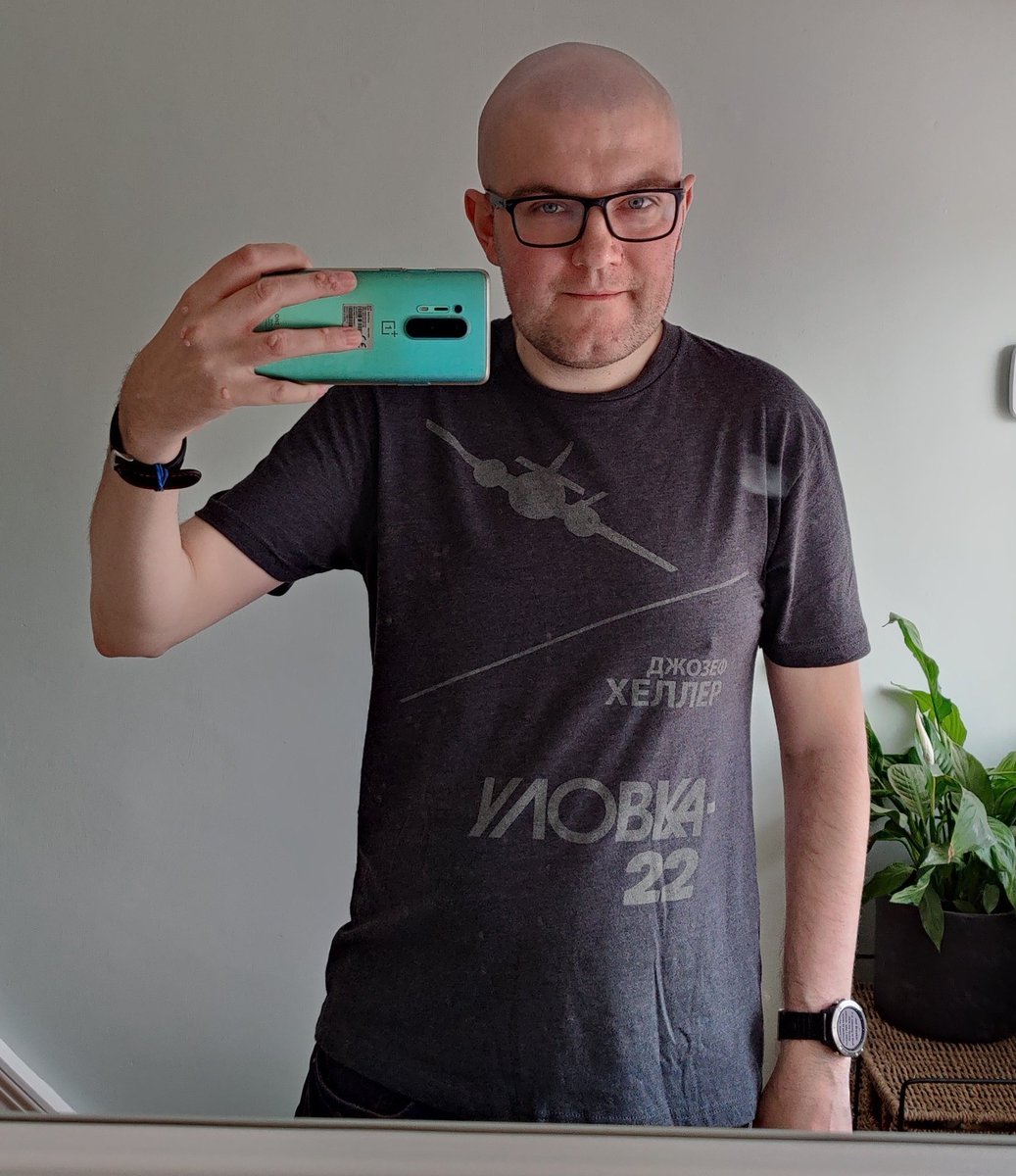
... And a Catch-22 t-shirt. In Russian.
Hey! The weather's getting a little brighter and warmer, things might be looking up a little. So here's some music I assembled for Counterterraism
https://soundcloud.app.goo.gl/PXRa9
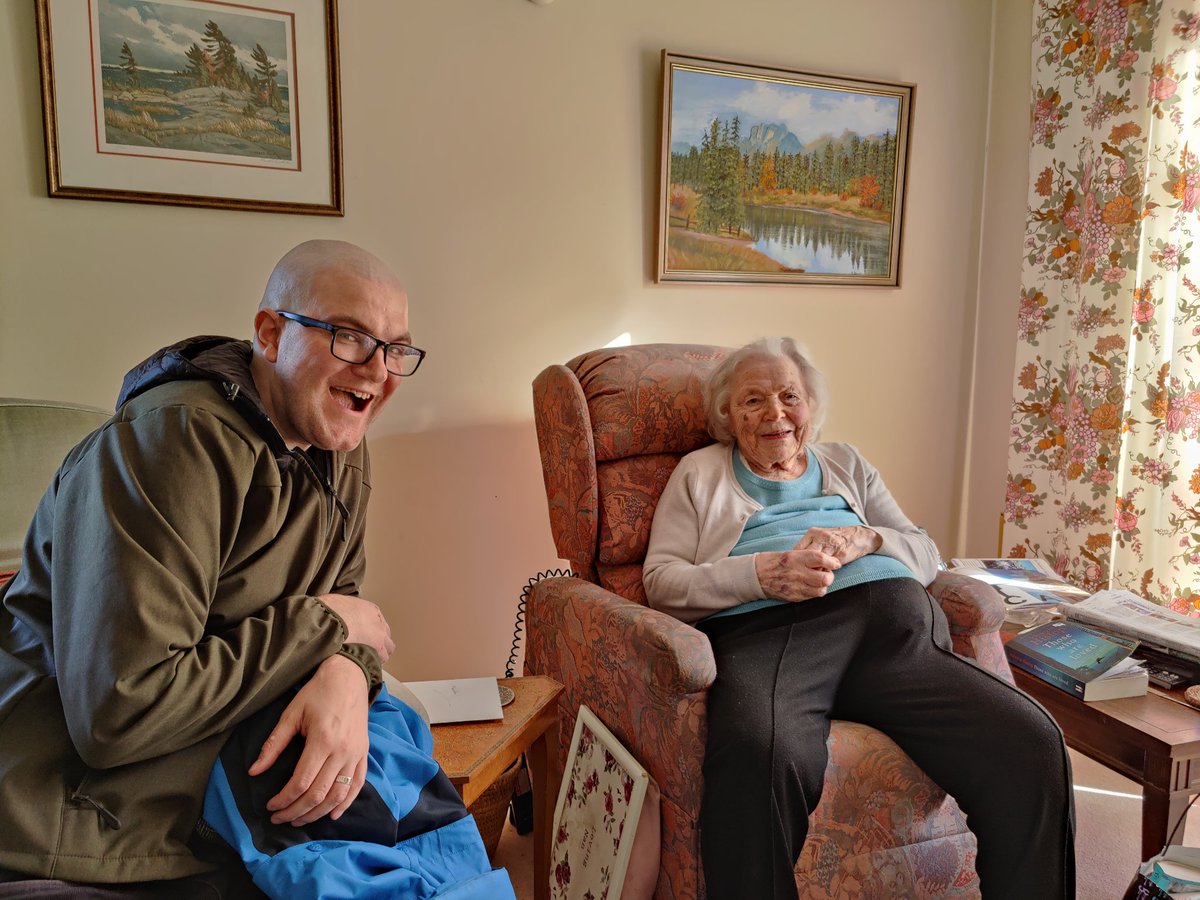
Saw my nan for the first time in 18 months.
I've been working to a "45 seconds in 45 minutes" challenge for music. Something new at speed. There are a few cheats - it usually involves a cheeky 303 line punched in quickly and some inane lyrics to give a vocal texture - but it's definitely a fun generative strategy.
Although I am on annual leave, an exciting day at @openlibhums as @elcareless joins the editorial team. Welcome, Eleanor!
I've just seen that a local pub here is accepting bitcoin. It's going to be fun for that person waiting 60 minutes for their pint payment to be confirmed.
Evening
New music out today -- a remix I did for Dan Wainwright.
https://danwainwrightmusic.bandcamp.com/track/love-is-the-way-to-release-martin-eve-remix
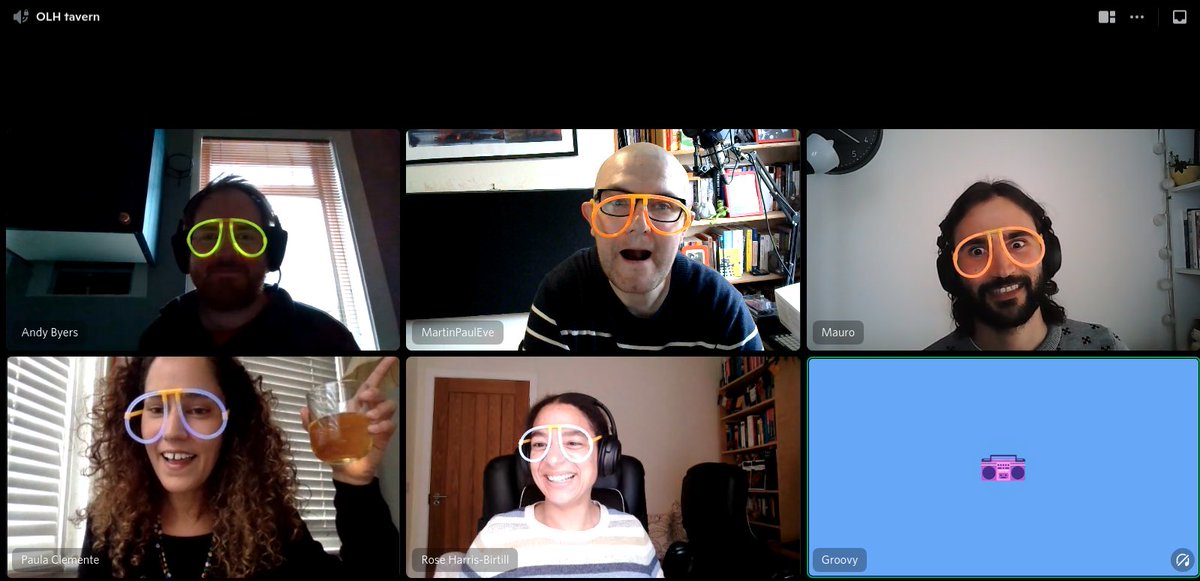
Generous gifts and VR games at the OLH party, too!
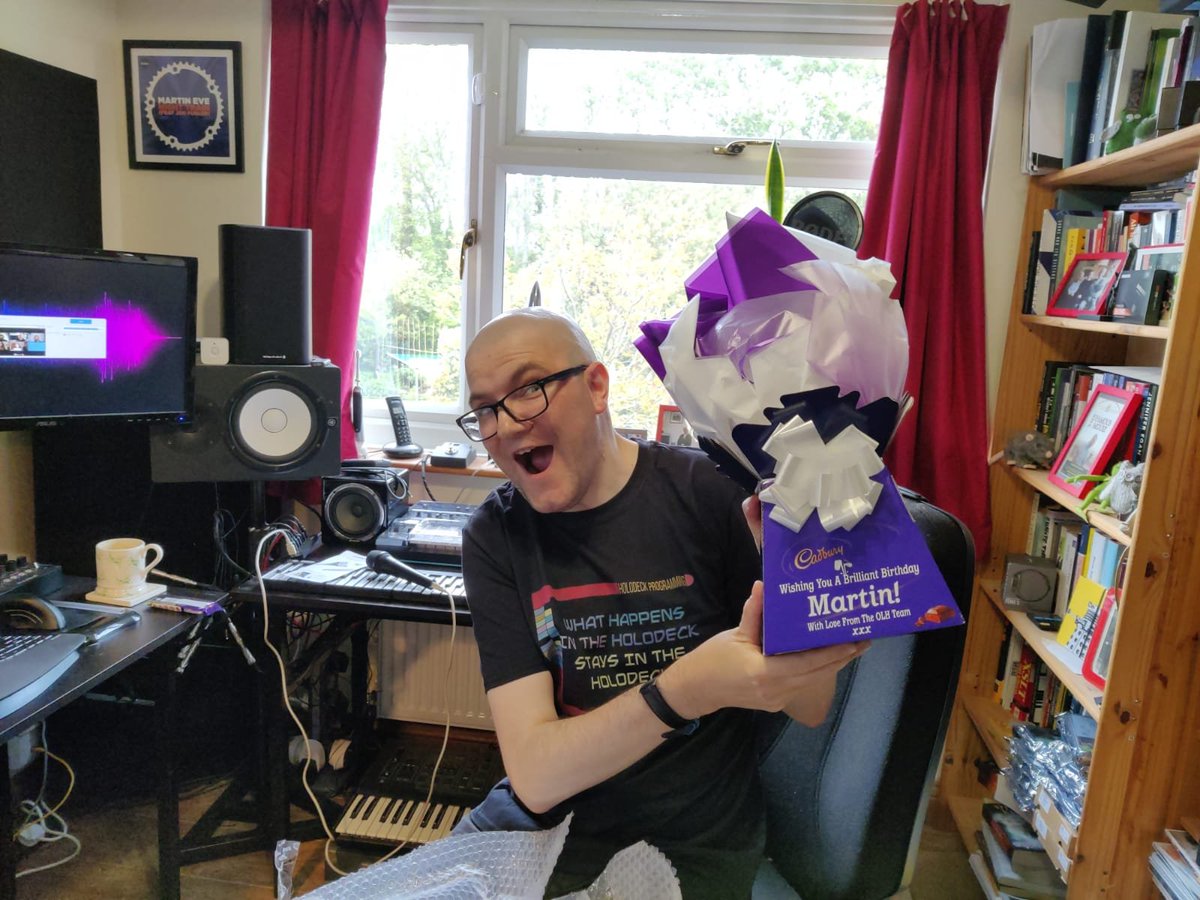
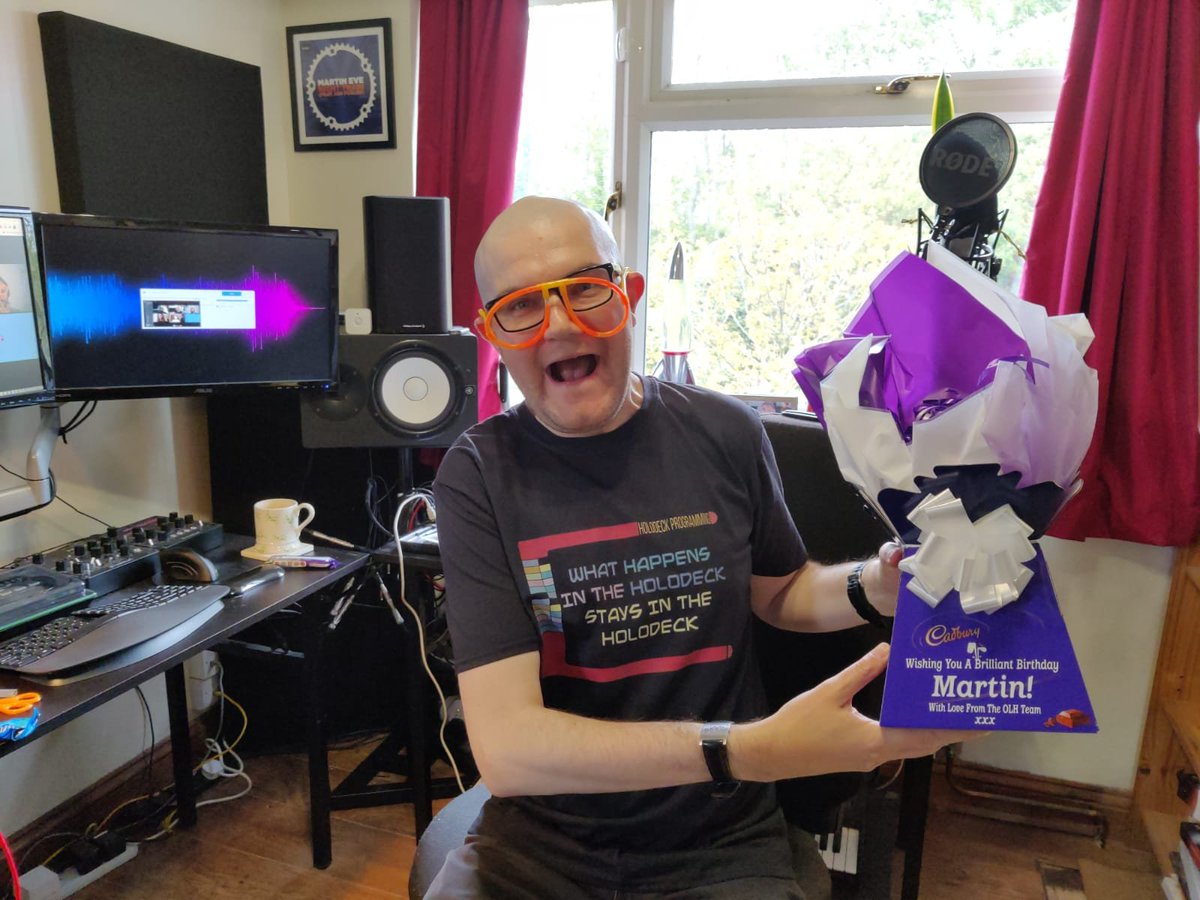
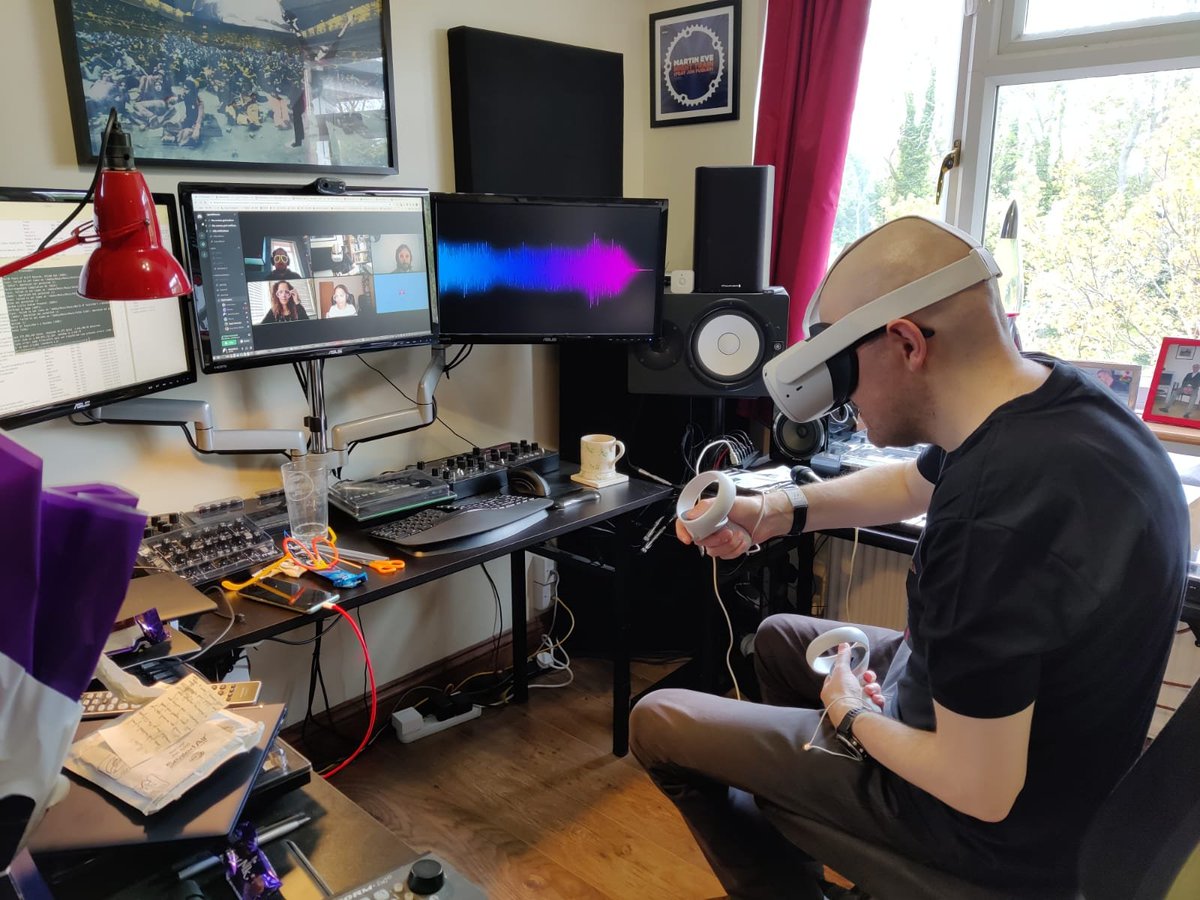
My @openlibhums goodbye party is going to a suitably foolish schedule already
We asked people who worked at OLH to come up with its values. Some good things to work for.
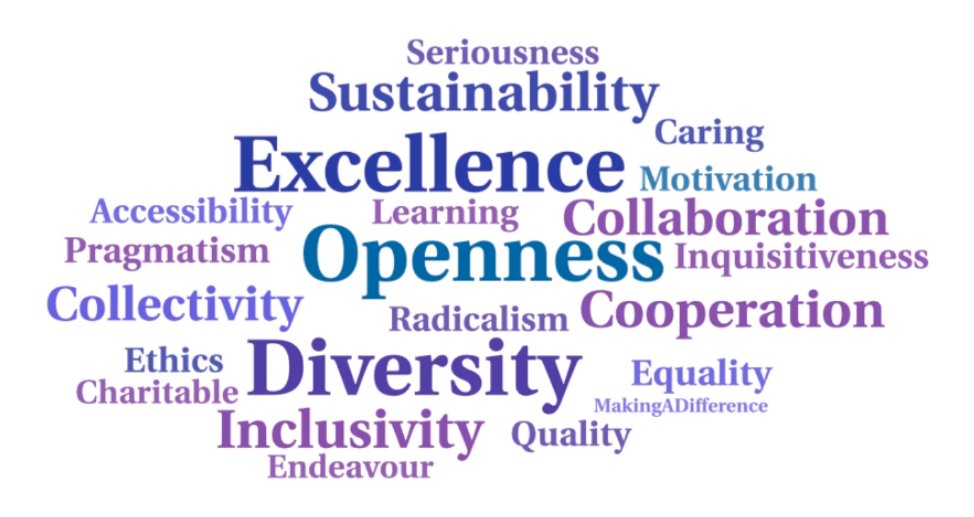
One of my continued involvements at OLH after today is that I will be the editor of our collection on scholarly communications, which is now open.
https://www.openlibhums.org/news/445/
A premiere of a new remix that I did! Here at the 47 minute mark is my rework of Dan Wainwright's Love is the Way to Release.
https://soundcloud.com/andrewhaig/the-shizzle-19-may-2021
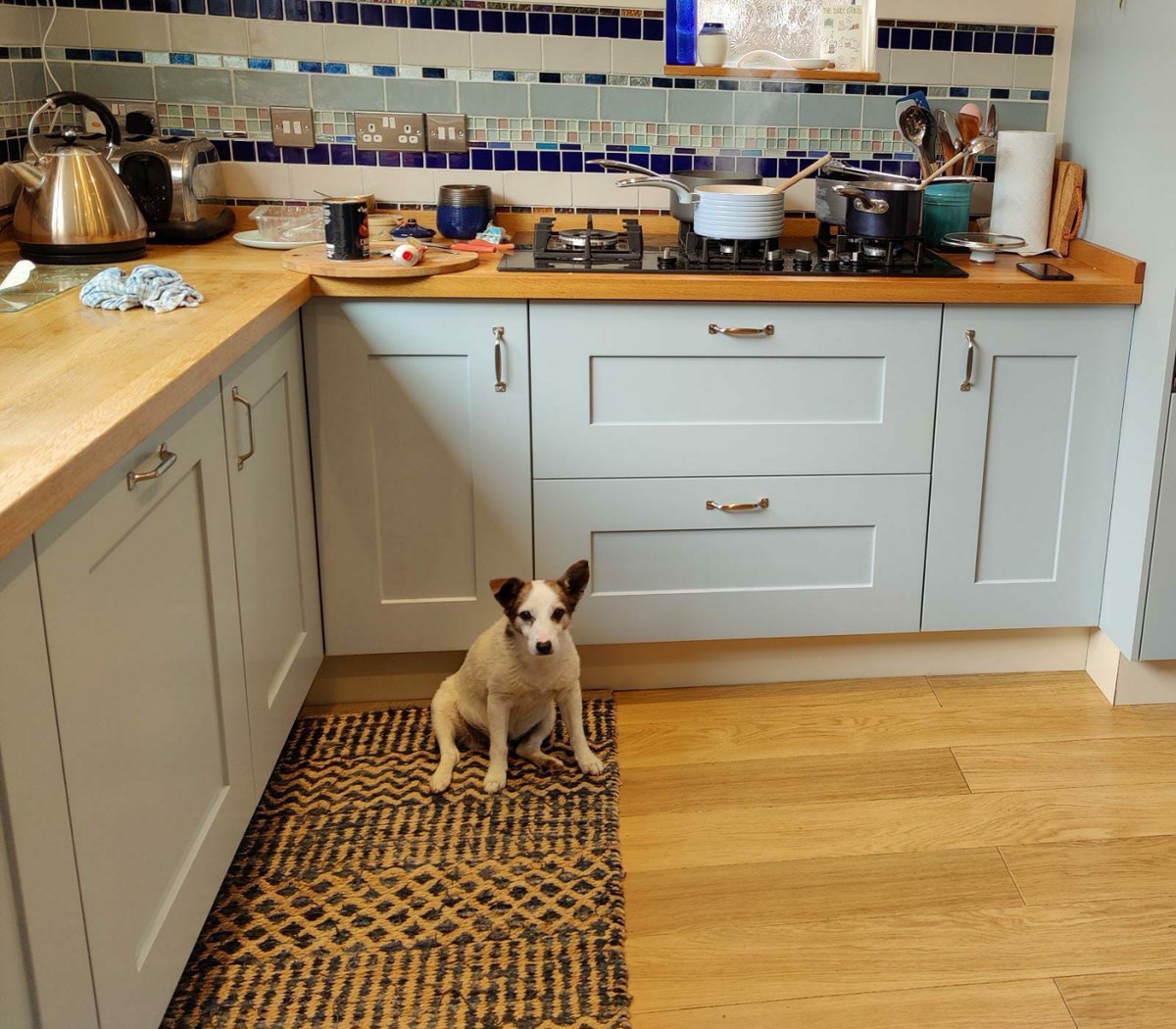
Toby guards the dinner production. You know. Just in case.
Due to annual leave next week, tomorrow will be my last day of running OLH ahead of my research leave. This brings to a close an eventful 8 years. 9th January 2013 -> 21st May 2021. https://openlibhums.org/news/427/
Interesting.
Real-world data shows efficacy of 2x doses of AstraZeneca is 90%. https://assets.publishing.service.gov.uk/government/uploads/system/uploads/attachment_data/file/988193/Vaccine_surveillance_report_-_week_20.pdf
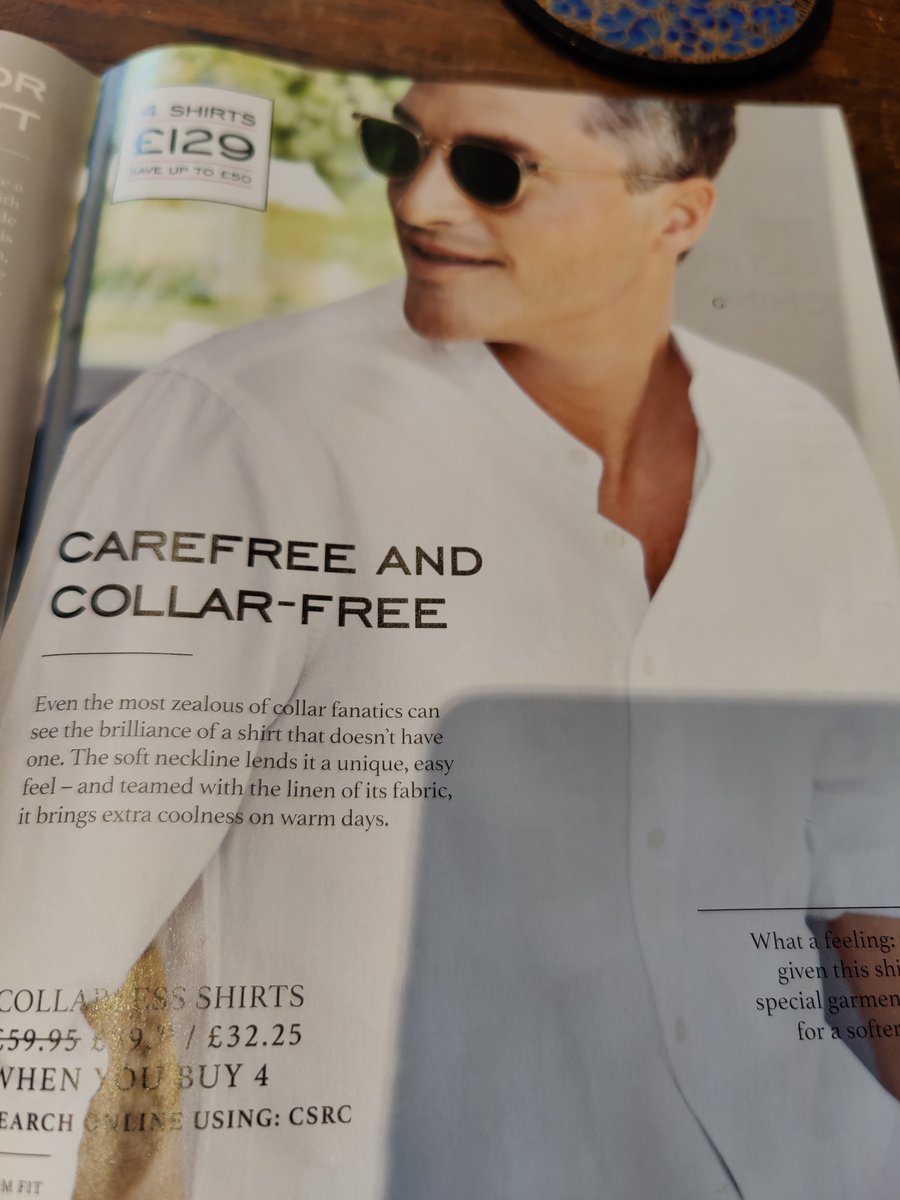
I've been instructed by Mrs Eve to purchase a sun hat. I think the lighter one is the right choice...

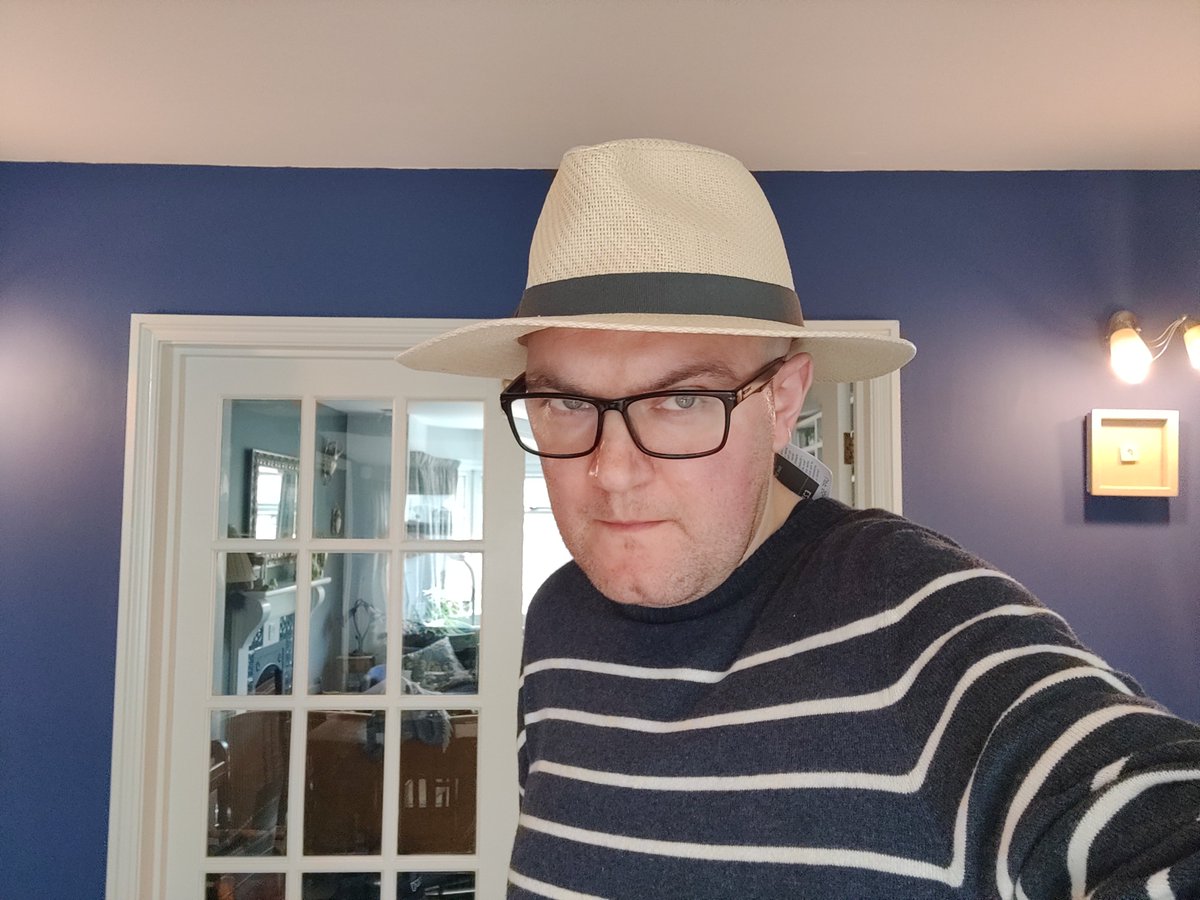
I am intrigued to learn that there are people who identify as "collar fanatics" but who are so "fanatical" that they see the brilliance of not having a collar. 🤔
How big a priority were universities and higher education in the UK government's pandemic spending? 0.2% of the total according to today's Research* Playbook.
A review of the UK's REF has been instigated (The Future Research Assessment Programme) https://www.researchprofessional.com/0/rr/he/government/playbook/2021/5/Frappy-talk.html
Right, looking forward to this given my recent research trajectory into early paper, ink, and typography....
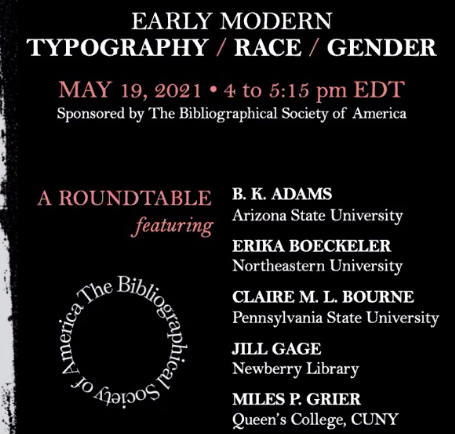
Concerning https://t.co/laQWJIpPEI
I know there was great discontent with the final episode of S06 Line of Duty. I don't know why. The only thing I didn't get was Kate's flight in E06.
There's blooming stylometry in Line of Duty!
On an iffy legal footing too.
My morning's research reading is about the earliest histories of ink. Tsien: "The earliest form of the [Chinese] character for ink (mol) ... apparently refers to a punishment of blackening or tattooing the face rather than to use of a writing fluid".
I note, in our institutional repository, "Centre for Nineteenth-Century Studies (OLD)".
Presume there will also be "Centre for Medieval Studies (VERY OLD)".
"This laptop is the most glorious trainwreck I’ve ever seen. Why are there four NICs? Why are there two different wireless radios? Why is it based around a desktop CPU and GPU? What’s the point of the integrated Arduino? I have so many questions." https://www.extremetech.com/computing/319803-the-aurora-7-is-an-amazing-26-pound-laptop-with-7-displays-zero-purpose
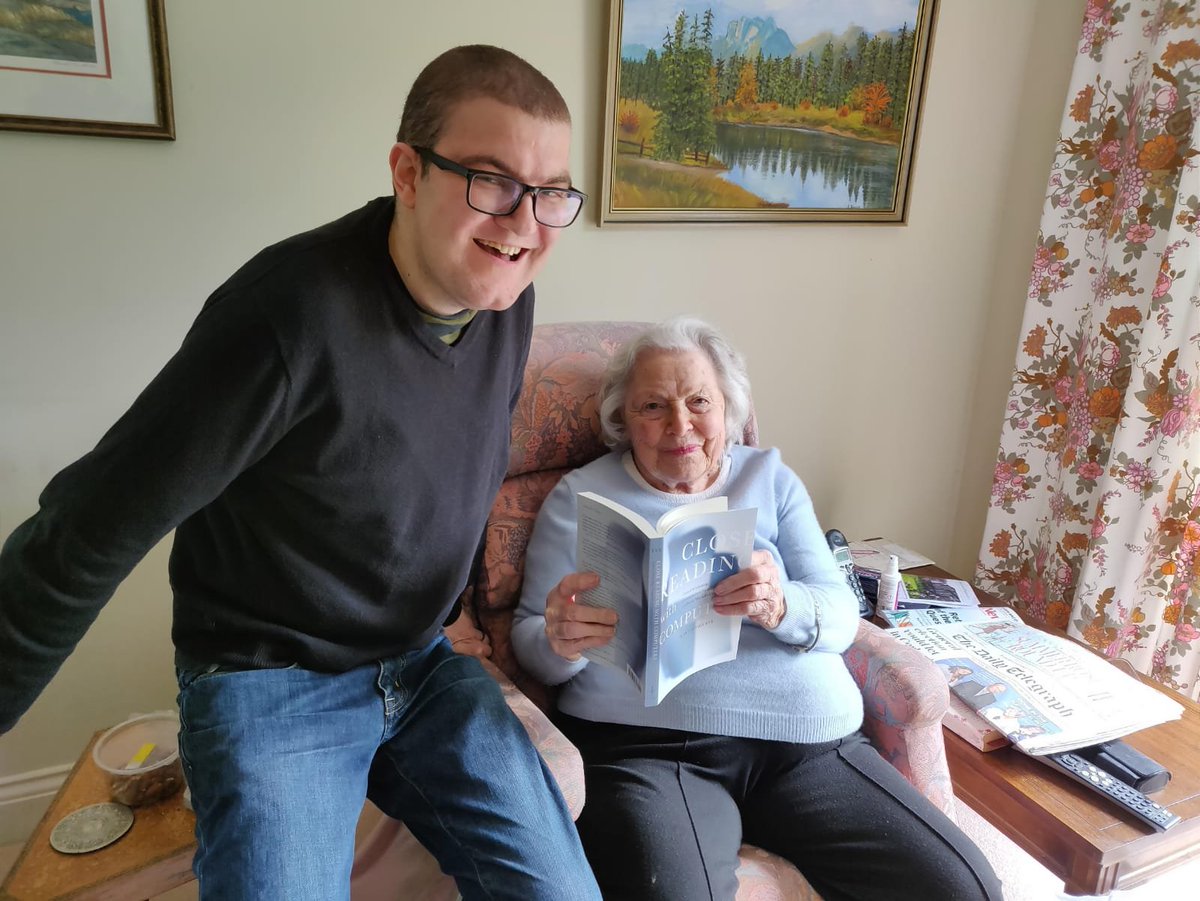
Two years ago today with my Nan (age 97 at the time) and CLOSE READING WITH COMPUTERS, dedicated to her. To my sorrow, I haven't seen her since 2019 thanks to the pandemic, but will do so twice very soon. Once for my birthday (35) and once for hers (100).
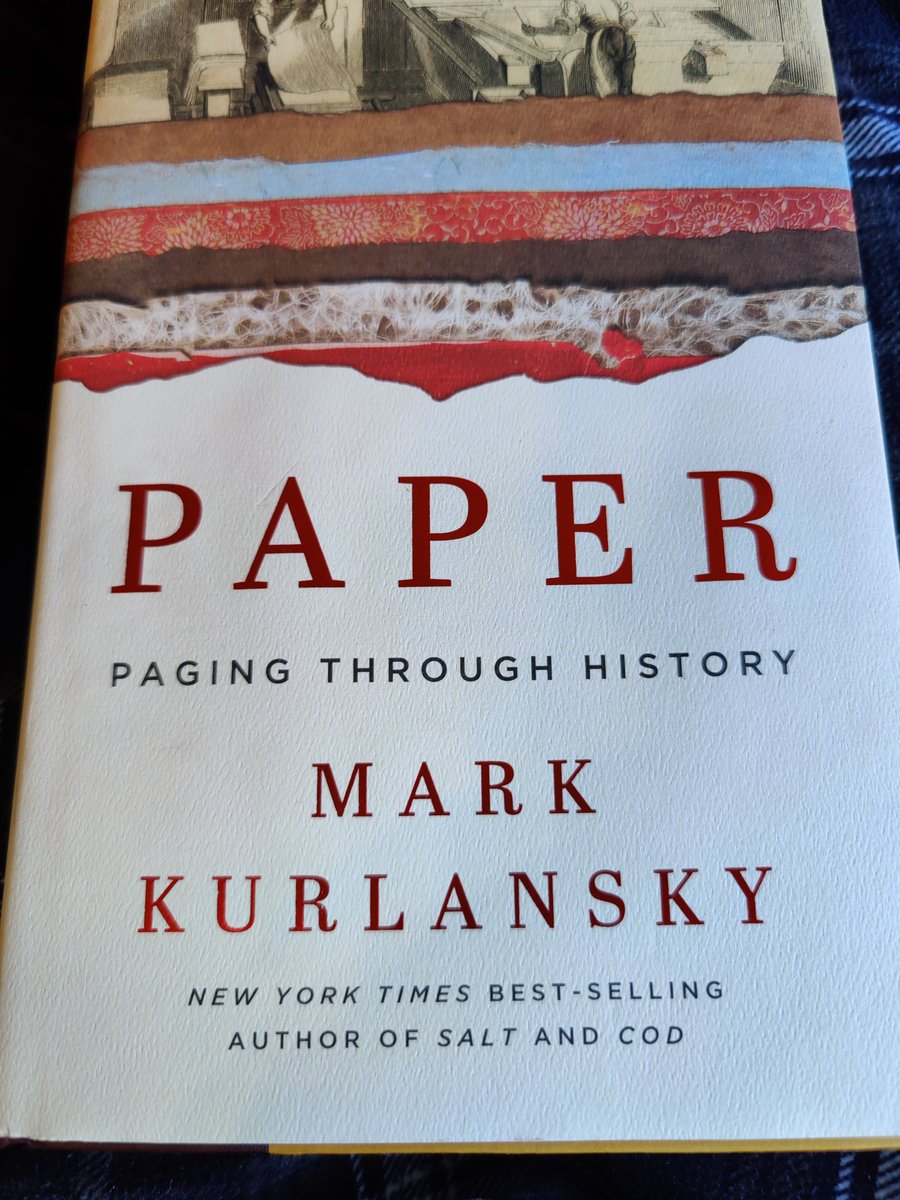
This morning's research reading for me is Mark Kurlansky's Paper: Paging Through History. Less scholarly and more popular than, say, the Tsien I've been reading, but still interesting and useful on lignin cellulose content and discolouration.
Since we launched the new Jisc Collections OLH offer for UK universities a fortnight or so ago, we've had almost one institution per day sign up. If you haven't yet, do please re-join us to help support OA in the humanities https://subscriptionsmanager.jisc.ac.uk/catalogue/2620
This is a really major feature release! https://x.com/janeway_systems/status/1394259103460073473
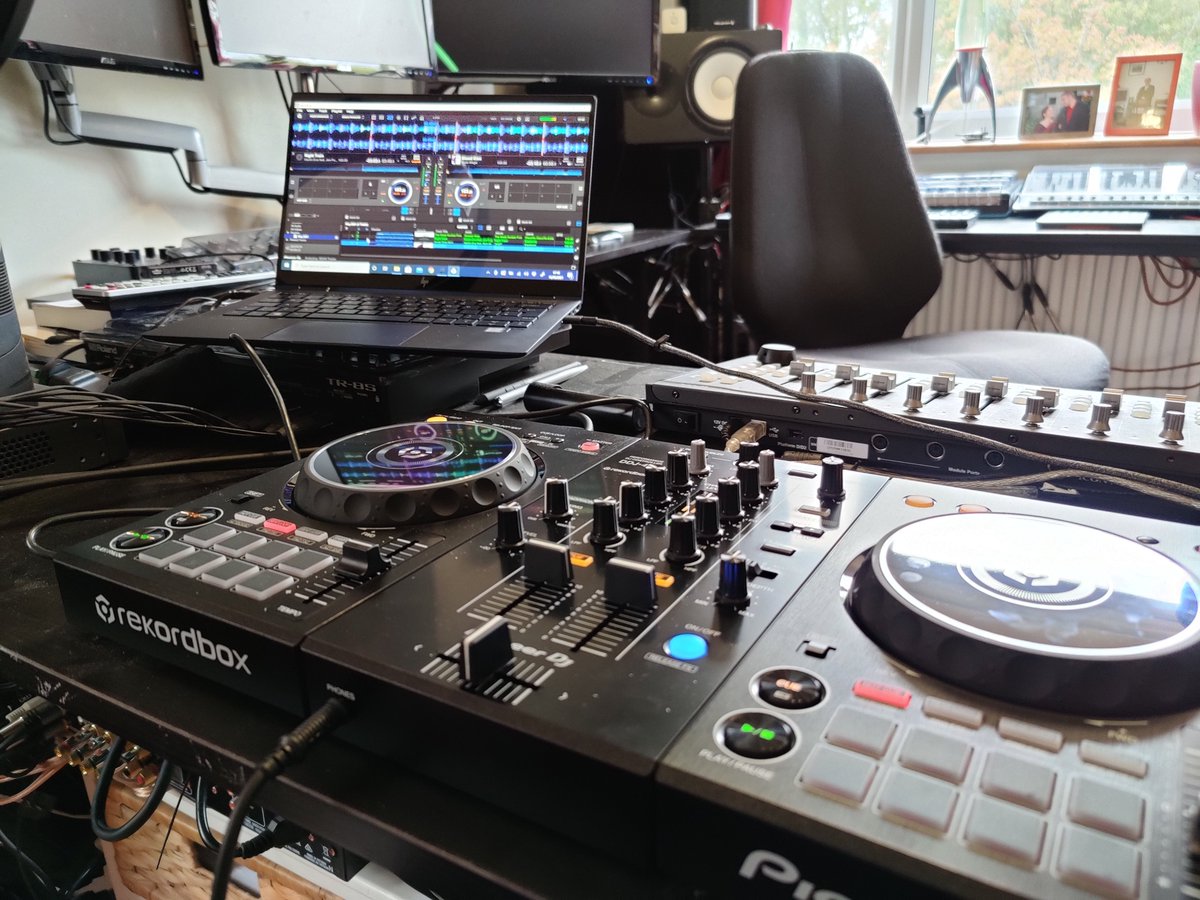
Am waiting on a friend to send in the trumpet part (!) for my next record so decided, this afternoon, just to play some music instead. Tried Rekordbox and must say that it is very good. Although its auto-"mix" feature isn't going to be putting any DJs out of business just yet.
NOT NOW, 2021
https://www.sciencemag.org/news/2021/05/nuclear-reactions-reawaken-chernobyl-reactor
"Very often we forget to actually attach the file when we send an email that's supposed to have an attachment. Did this never happen to you? If not, then it will."
The greatest threat to academic freedom in the UK, unsurprisingly unaddressed in the Higher Education (Freedom of Speech) Bill, is the ongoing deliberate financial destabilization of UK universities in the service of marketisation. https://eve.gd/2021/05/15/while-the-government-introduces-new-freedom-of-speech-rules-at-universities-the-biggest-threat-to-academic-freedom-remains-their-insistence-on-the-financial-destabilization-of-institutions/
I was just looking back at the archive of that first book. In those days I used to save a fresh copy of the work at the end of every day, so I have this book (back to the very start of my Ph.D.) in daily snapshots as it grew.
I then moved on to using git to version things, taking daily snapshots. I now don't really use versioning. Perhaps I should re-instigate this.
I have just now signed the rights reversion agreement for my first book, PYNCHON AND PHILOSOPHY. It will become open access under a CC BY license in the near future! This means that all seven of my published books are now OA. The next three (2x in press, 1x writing ) will be too.
I suppose that the Korean translation of _Password_ is not OA. Not sure I can do much about that though. https://www.kyobobook.co.kr/product/detailViewKor.laf?mallGb=KOR&ejkGb=KOR&barcode=9791196166021&orderClick=JAj
Toby makes his mark on another interview/podcast recording.
BARK BARK BARK
The OLH gang are plotting something. Told me to expect a parcel in the post.
Got excited yesterday. Thought it had arrived. Then saw it didn't say "OLH" anywhere on it. Opened it. Blood test kit the hospital needs me to do. Great.
In Soviet Russia...

I am in a pre-recorded talk, ready for my own Q&A, listening to my own talk. I can report that this is excruciating.
It's been a long day already but I'm dosing on the caffeine for 2x Library Publishing Forum talks this evening. Looking forward to seeing people there!
Jisc subscriptions manager is now live for Opening the Future, meaning that UK institutions can sign up to convert CEU Press to a 100% open-access model. The agreement we have with Jisc should be re-usable by other presses, too, if they wish to do so.
https://copim.pubpub.org/pub/jisc-subscriptions-manager-is-now-live/release/1
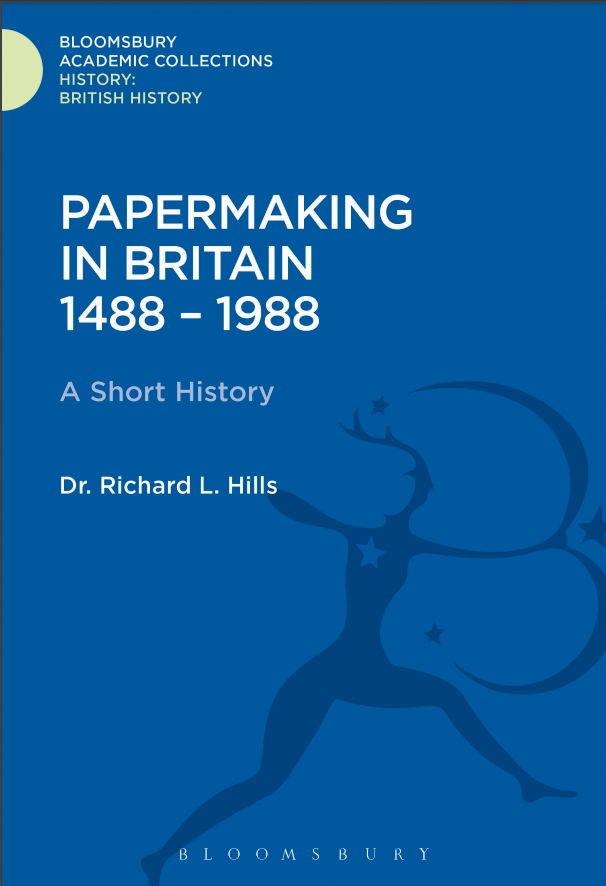
This morning I am reading Richard Leslie Hills, Papermaking in Britain 1488-1988 (London: Bloomsbury Academic, 2015). It's useful to my project. It also cost me £90, which is making these footnotes extremely expensive.
(The sort of niche title that would really benefit from OA.)
The top thing about the whole "UK government minister defends inviting holocaust deniers to campus" fiasco is that they have, for years, been telling us that it's lefty academics who are the total relativists without any morals.
At this point, the only two things keeping me in USS are the insurance fallbacks of retirement due to ill health and death in service benefit. Seems the scheme is wrecked.
UK policymaking is such a wild ride
The Future of the Open Library of Humanities: Milestones, Governance, and Sustainability https://olh.openlibhums.org/article/id/4726/
We're on S05 of Line of Duty and they're really putting the pressure on Hastings
this niche Poirot joke is brought to you by a Tuesday of 5.hrs of video calls

Someone's having an energetic afternoon
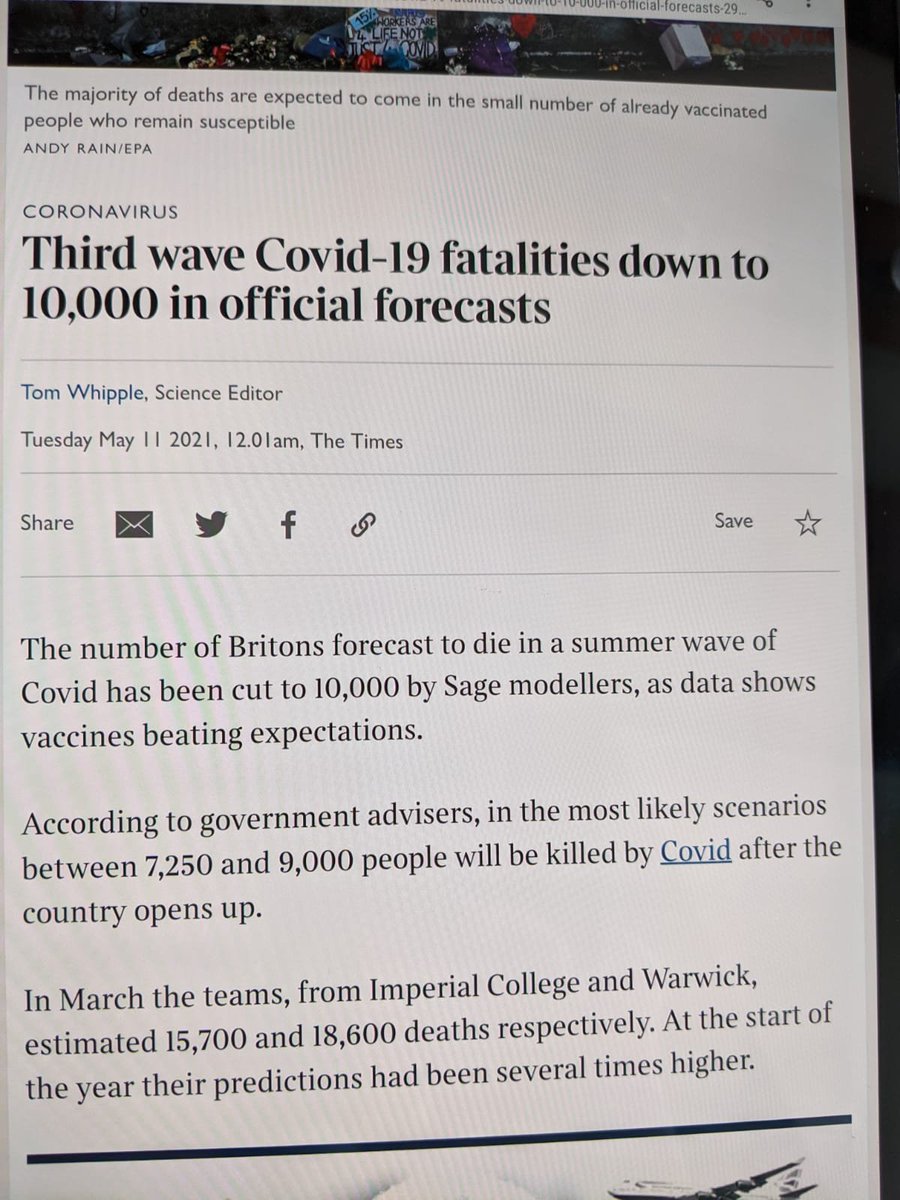
Ah, that's OK then. (It's just that very many of those 10k will be people with conditions like mine...)
"98 percent of the books that publishers released in 2020 sold fewer than 5,000 copies"
https://ellegriffin.substack.com/p/creator-economy-for-fiction-authors
Celebrating the 100th birthday of Sophie Scholl. A woman who stood up for what was right in the world and paid for it with her life. https://www.bbc.co.uk/news/world-europe-57008360
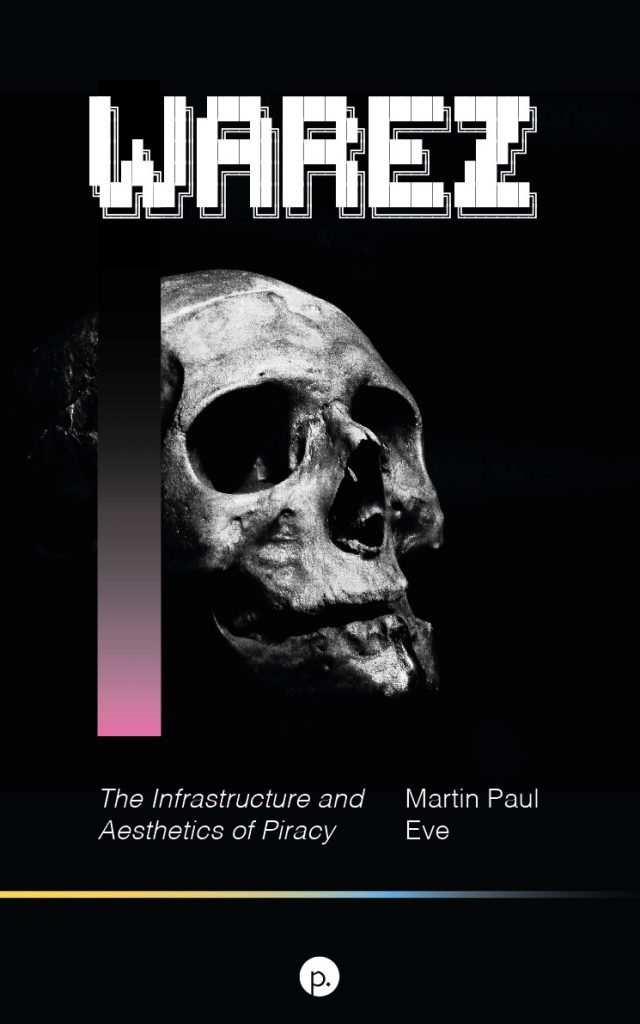
Oh yes...! https://punctumbooks.com/titles/warez-the-infrastructure-and-aesthetics-of-piracy/
thanks to @ontakragoueke for the ace cover!
Interesting. Suspect though that SH is here acting as a general proxy for the unavailability/inaccessibility of those other papers. That is: they're cited infrequently because it's virtually impossible to get access anywhere. https://x.com/petersuber/status/1391415770215813121
My research today has been into a historical question that seems obvious but that actually has a range of answers: why is paper white and when did it become so?
The best source on most of this kind of stuff for the ancient Chinese context is Tsuen-hsuin Tsien, Paper and Printing, Science and Civilisation in China, Reprinted (Cambridge: Cambridge University Press, 2001).
Here he notes that early bast-fibers of hemp, jute, and flax lead to a light colour. However, it's more involved than that. The shih Ming from around +200 defined "huang" as "dyeing paper" and the practice appears to have been common.
Indeed, on p. 74 he believes that the yellow dye, which was designed to provide insect-proofing but also to ensure a glossy finish, comes from a liquid of the Phellodendron amurense (cork tree).
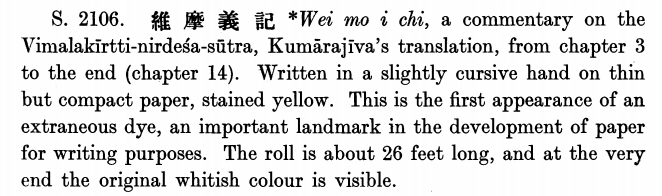
The earliest surviving example of this (in the Western scholarly literature) is documented by Giles, Lionel, ‘Dated Chinese Manuscripts in the Stein Collection’, Bulletin of the School of Oriental Studies, University of London, 7.4 (1935), 809–36, p. 813.
Here Giles notes that an early 26-feet long roll of paper from Tunhuang is dyed yellow but, at the end, the dyeing is incomplete and the original "whitish" colour comes through.
Tsien notes that the names of dyers are recorded (p. 75), thereby demonstrating significant social status or import of the role.
Another insecticide process, however, turns the paper an orange-red colour (wan nien hun) due to the use of red lead. Toxic to bookworms apparently!
However, the ho-thi of the Han dynasty also used red dye for artistic purposes, putting red paper earlier than yellow in the -1st century.
Anyway, that's as far as I've got today. Interesting stuff though!
What's next? Need to read about the development of inks and what this meant, historically, for the color of paper.
Cryptocurrency is an abject disaster
"Any technology which is not an (alleged) currency and which incorporates blockchain anyway would always work better without it."
https://drewdevault.com/2021/04/26/Cryptocurrency-is-a-disaster.html
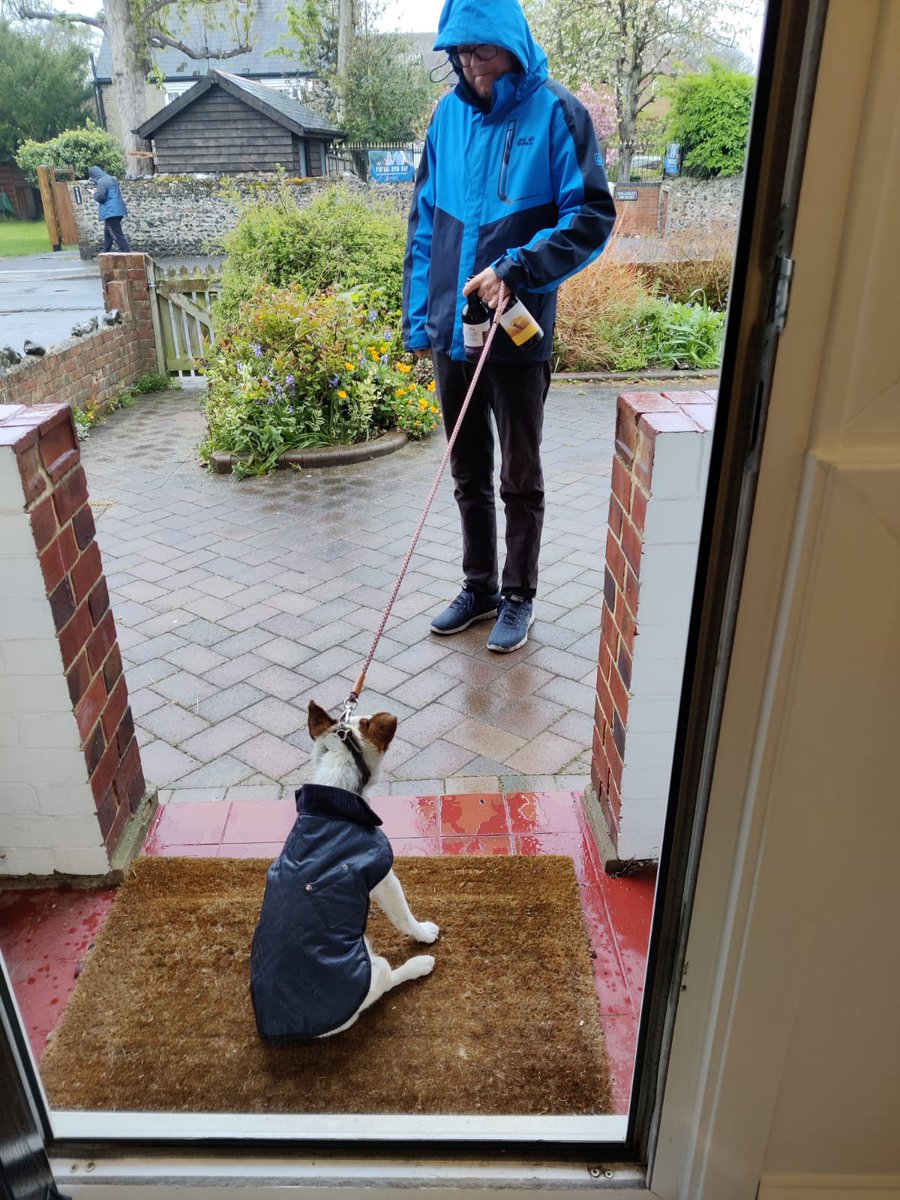
Me: "I know it's raining Toby, but let's go for a nice walk"
Toby:
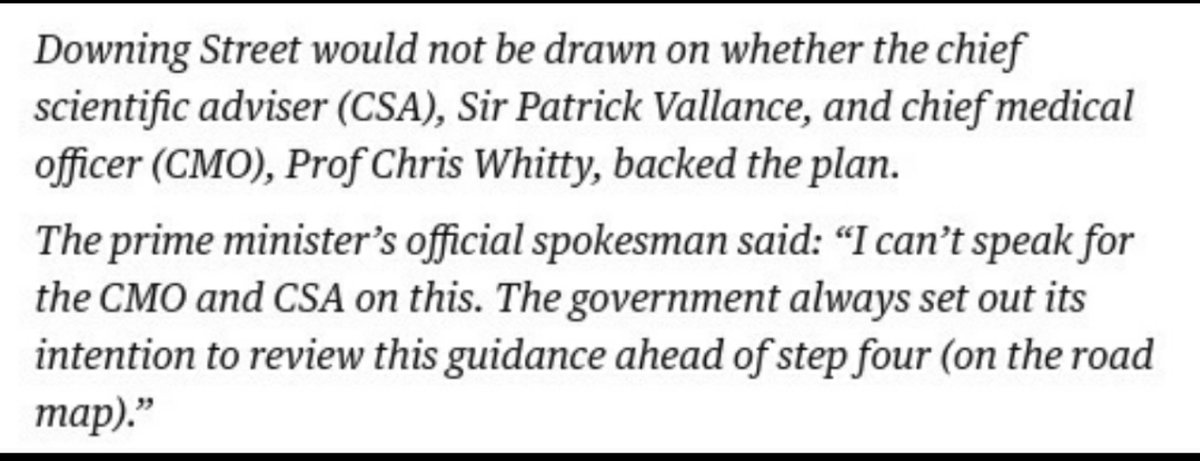
Pupils should keep wearing masks into the summer, Sage told ministers
https://www.theguardian.com/education/2021/may/07/pupils-should-keep-wearing-masks-into-the-summer-sage-told-ministers?CMP=Share_AndroidApp_Other
How a university got itself banned from the Linux kernel
https://www.theverge.com/2021/4/30/22410164/linux-kernel-university-of-minnesota-banned-open-source
I ate all the biscuits!
#smug
"We're looking for a job title that's really canonical. You know, totally anti-woke."
"How about just 'lecturer in English'?"
Wait. I've got it...
https://jobs.chronicle.com/job/338598/lecturer-in-great-texts-of-the-western-tradition-full-time-non-tenure-track/
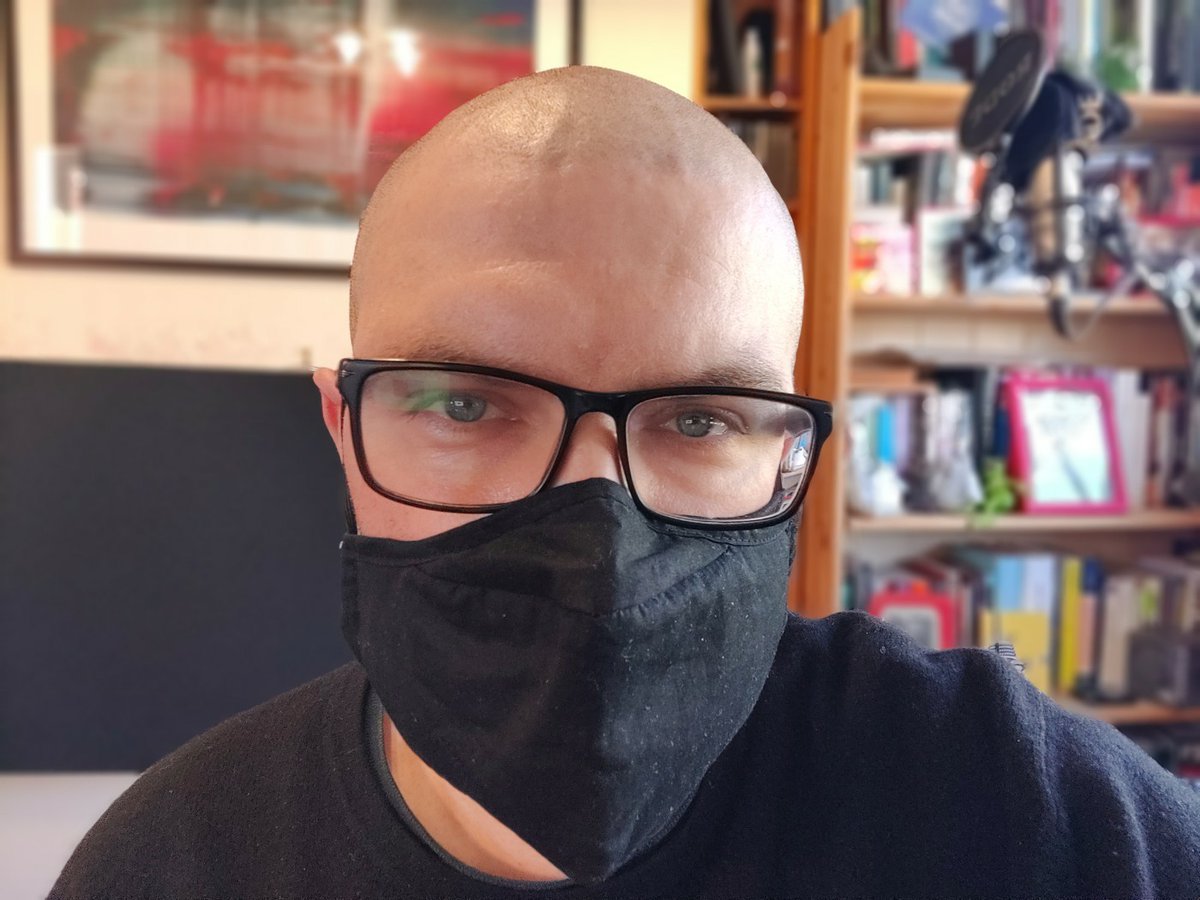
We've had to have some urgent repair work done on the house today, so all the windows are open, my door is closed, and it's Masks @ Home™ for me!
"This is Panda from CESPEX group, with 14 years experience producing explosion-proof lighting".
Just what I wanted!
Oh drat. @laurenfklein is speaking at @birkbeck_ETC next week and I can't make it as I am speaking elsewhere. Arrgh!
My research work this morning has taken me to Albert Abramson's The History of Television, 1880 to 1941. This book is extremely detailed about the development of televisual technologies, but there's some exceedingly dodgy prehistory stuff on stroboscopy that seems inaccurate.
A tendency just to gesture to widely-held beliefs about the dates of invention of the phénakisticope, stroboscope, zoetrope, etc.
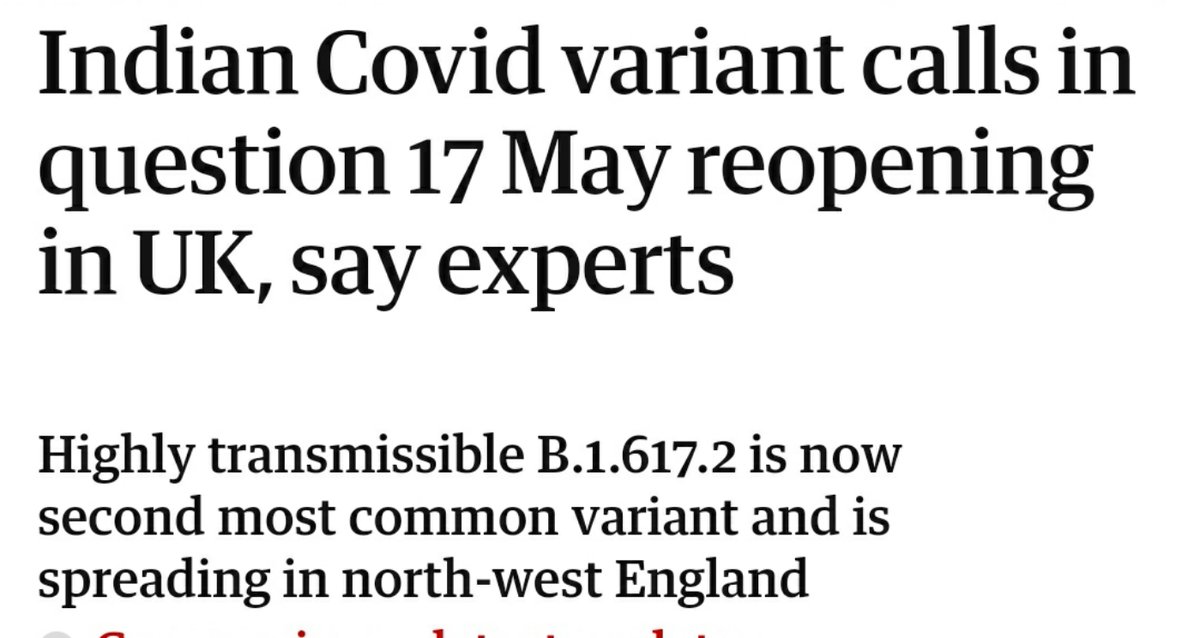
Leaked emails show Public Health England assessment of ongoing risk from B16172 variant is ‘high’ https://www.theguardian.com/world/2021/may/06/new-concerns-indian-covid-variant-clusters-found-across-england-ongoing-risk-high
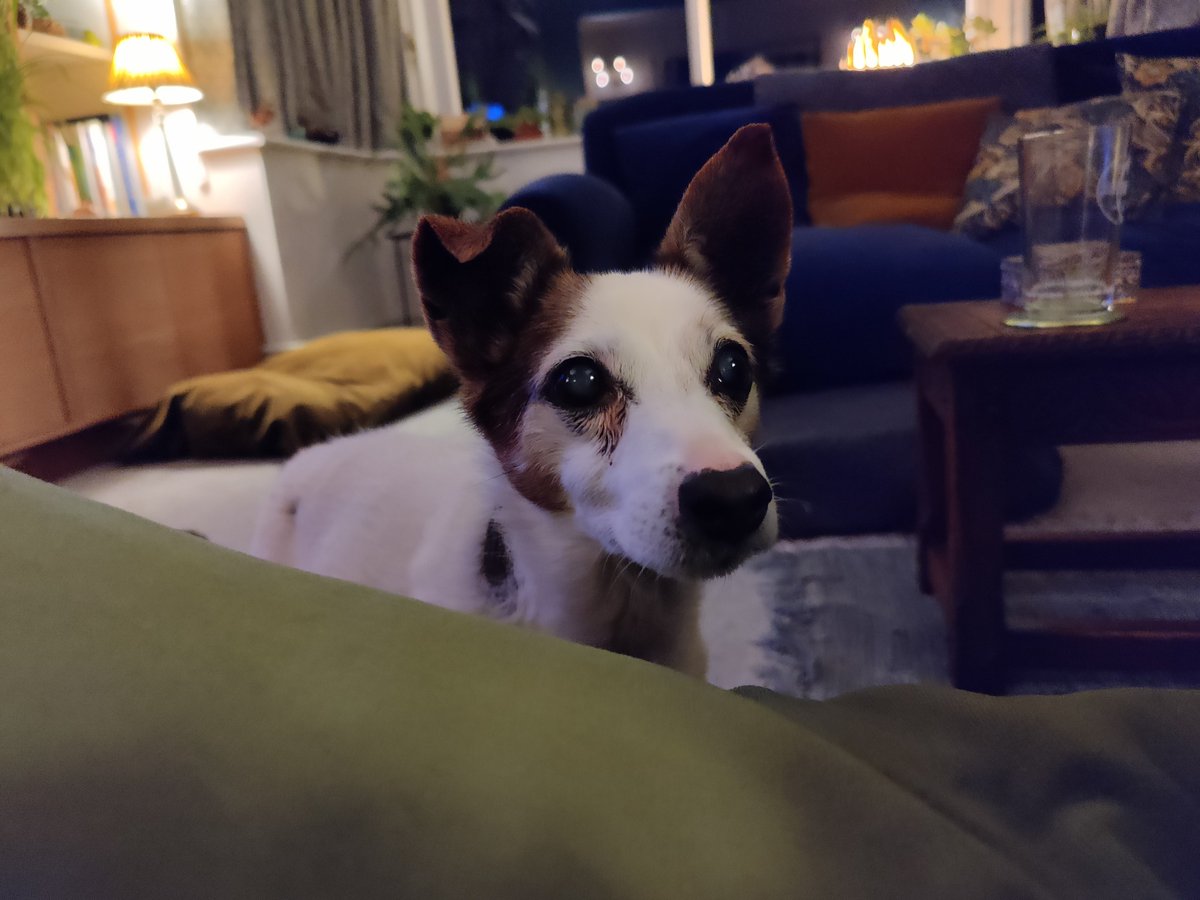
Toby pulling his "sweet starving dog" routine
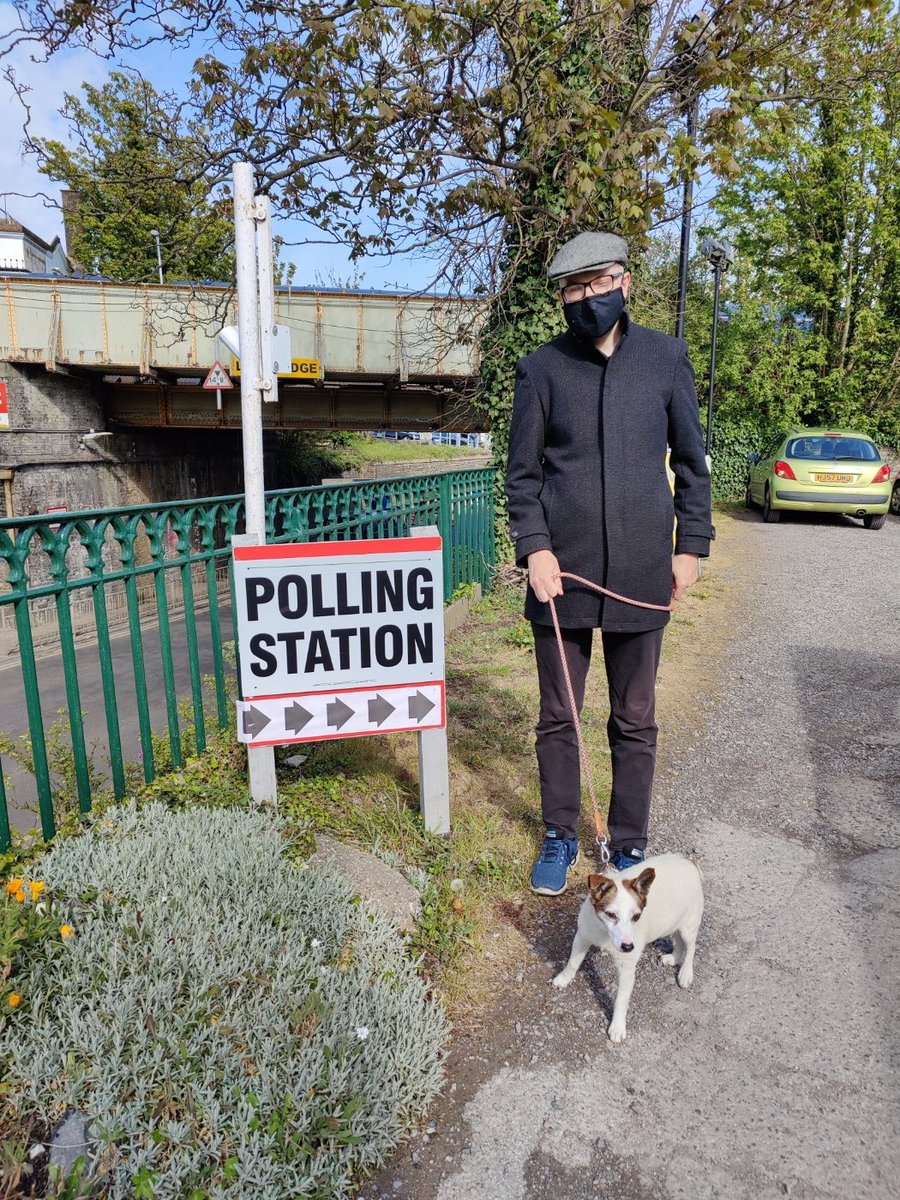
X marks the spot. #dogsatpollingstations
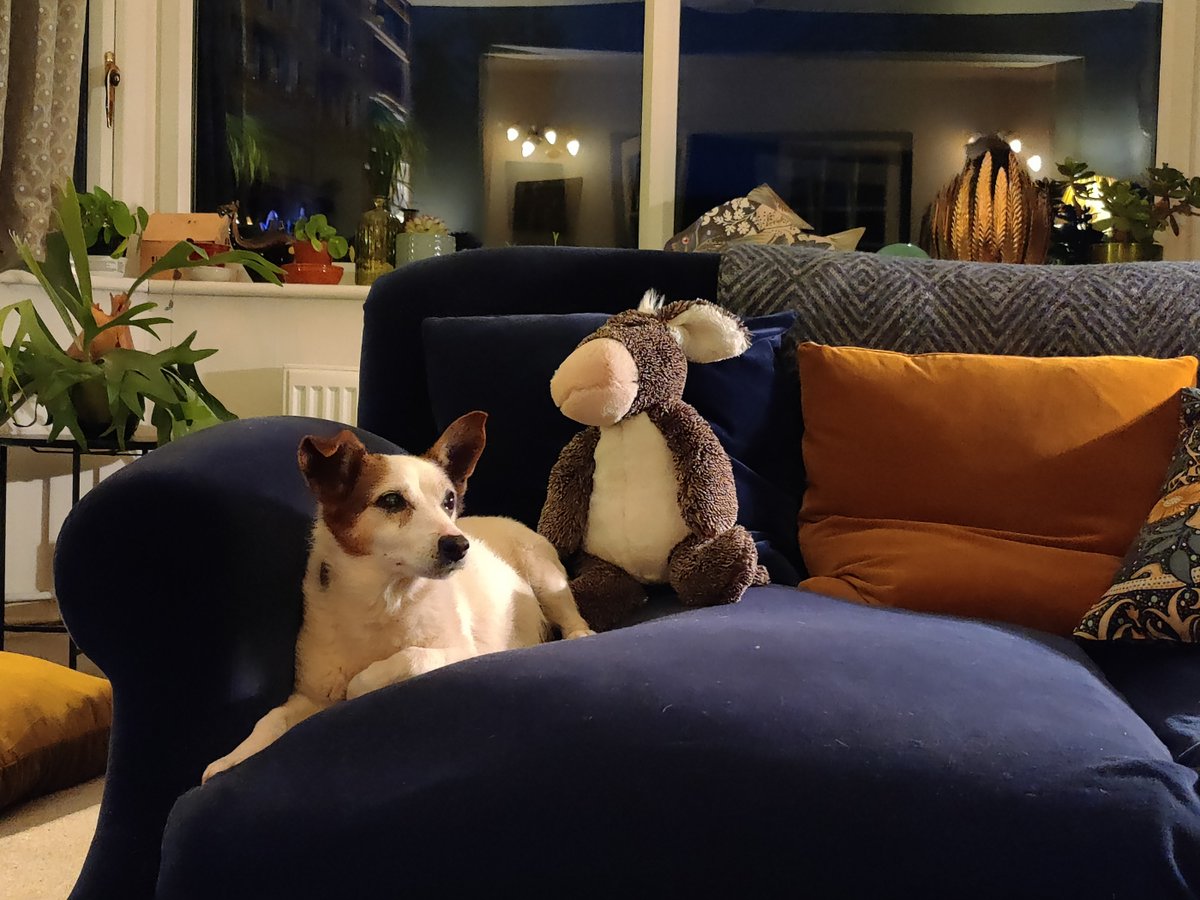
Toby and donkey
Had a nightmare last night that I was interviewed by AC-12. The end of the interview went:
"I am going to recommend the immediate termination of your book contracts and all your grant funding too. Have you anything to say to that, fella?"
Russell Hoban: Turtle Diary; Mr Rinyo-Clacton’s Offer; The Medusa Frequency – worth rejoicing in (and just re-issued as Penguin Modern Classics) https://www.theguardian.com/books/2021/may/04/russell-hoban-penguin-modern-classics-turtle-diary-mr-rinyo-clactons-offer-the-medusa-frequency-review
RH remains an extraordinary writer who is nowhere near as well known as he should be. He also wrote us a poem for our wedding and was a thoroughly nice man.
The amount of money UK universities fork out each year to access paywalled content from Elsevier – the largest academic publisher in the world – could pay 1,028 academic researchers a salary of £45,000 per year. https://wonkhe.com/blogs/open-access-publishing-is-the-ethical-choice/
Rather than focusing on career damage to those who can’t publish with an Elsevier title, we should focus on the opportunity cost in hundreds of lost careers in academia.
Week 1 of Birkbeck's Arts Weeks 2021 is GO: https://www.bbk.ac.uk/annual-events/arts-week/arts-week/arts-week-2021
I'll be speaking, on Wednesday, at this IOI Webinar on Building Technical Resilience in Open Infrastructure https://investinopen.org/community/ioi-webinar-building-technical-resilience-in-open-infrastructure/
Big @openlibhums news! We've frozen basic prices for UK members to maintain international parity, so struggling libraries can still participate. But we're introducing new tiers. If libraries sign up to these, *we will reopen our journal flipping programme* https://openlibhums.org/news/438/
The promise of collaboration: collective funding models and the integration of Open Access books into libraries https://zenodo.org/record/4501512#.YJEdPvtKhhE
Open Position: Libraries Outreach Associate https://punctumbooks.pubpub.org/pub/copim-libraries-outreach-associate/release/2
Legend
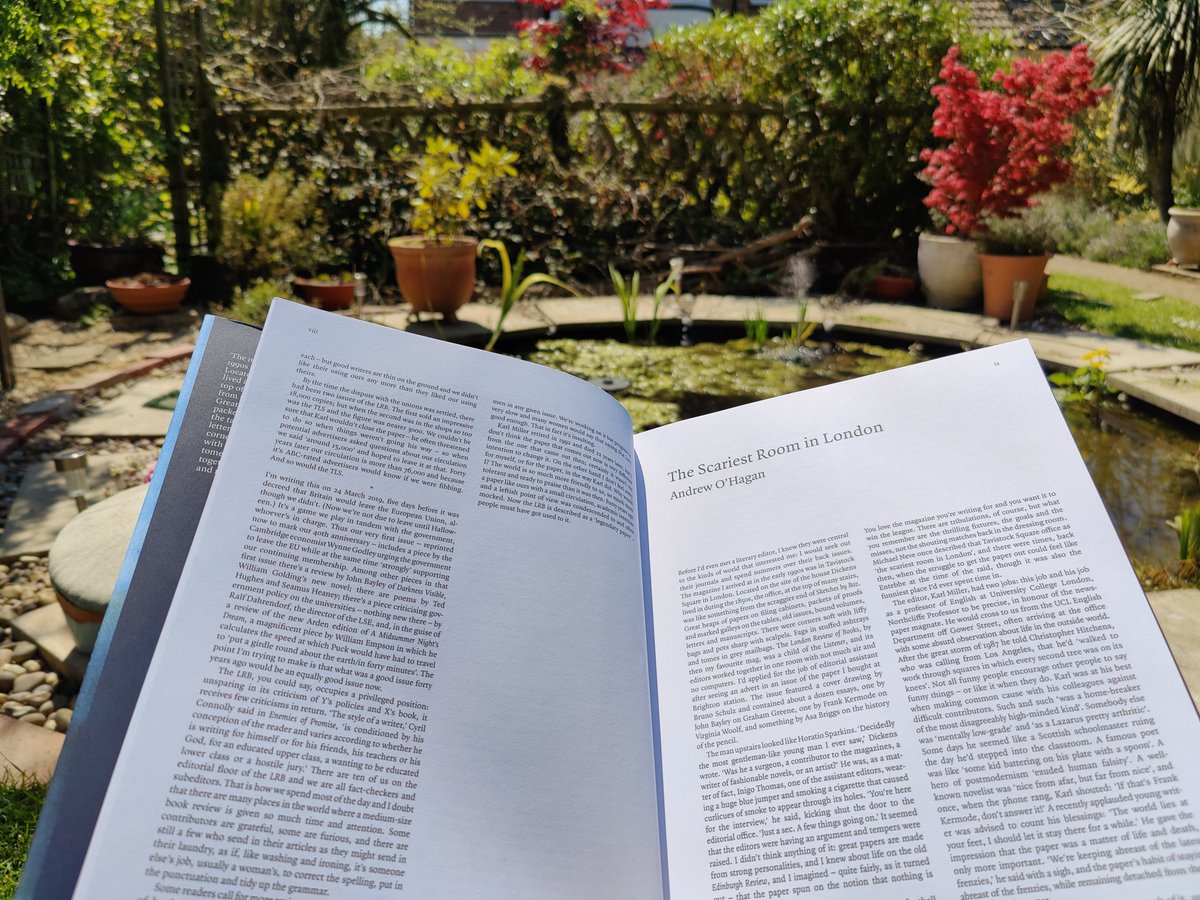
Saturday reading
In case you remember D:Ream from the 90s(!), they're back with a new single. Al Mackenzie from the group remixed my last musical outing and Peza was on the roster too, who delivers a belting remix here. https://dream18.bandcamp.com/album/meet-me-at-midnight
The Open Library of Humanities has now merged with Birkbeck, University of London. I'll say more next week, but this means that we can stay a charity (obviously) but I will no longer have to manage the burdensome overheads of accounting and so forth.
https://www.bbk.ac.uk/news/the-open-library-of-humanities-merges-with-birkbeck
Nothing is going to change in our practices, services, or activities. I'll be writing to member libraries next week.
Birkbeck has been incredibly supportive of OLH from the start. They've handled all of our HR, staffing, and so on. We are independently sustainable, but having the backing of a 200-year-old university is a real plus for stability.
This beach hut appears to have got lost