January 2022
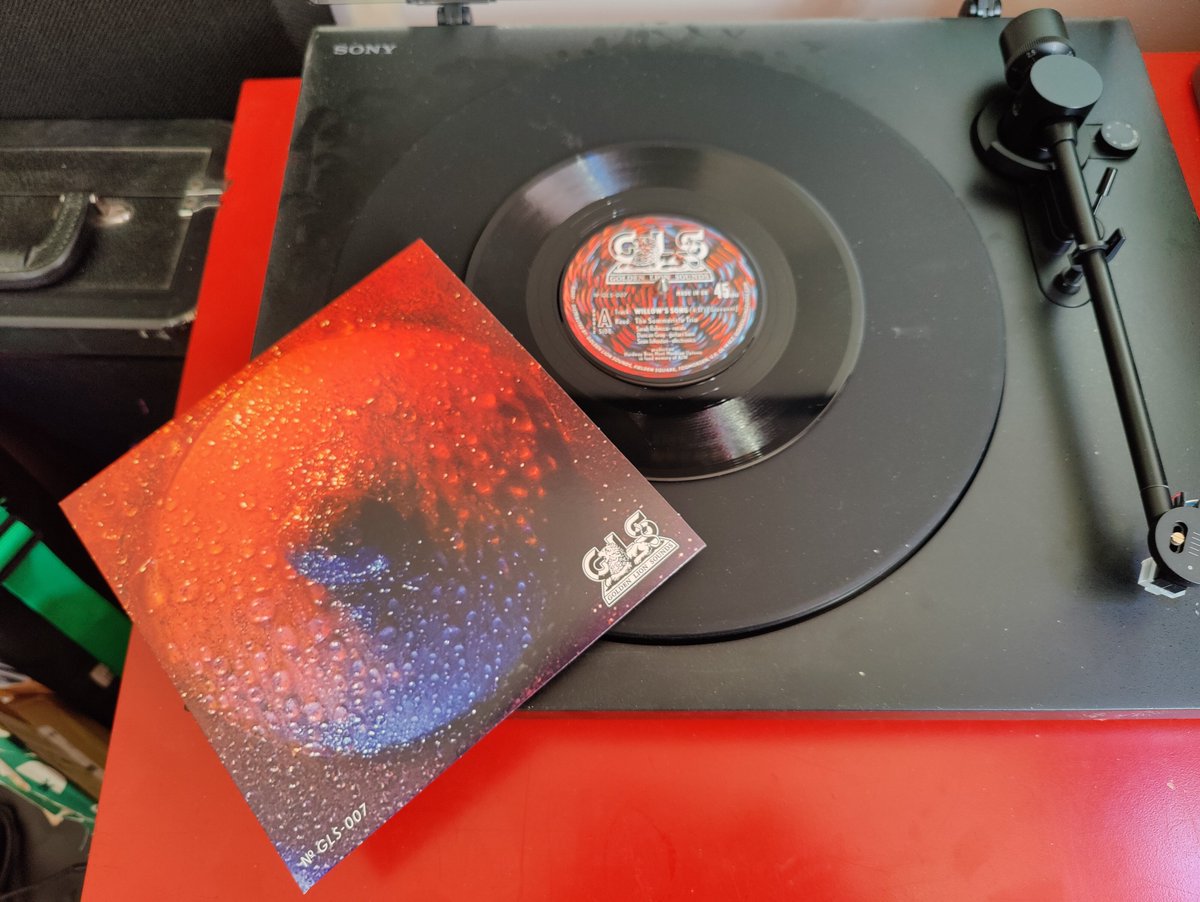
Meanwhile, exciting new lunchtime listening here. The Summerisle Trio of Sarah Rebecca, Duncan Gray and Sean Johnston.
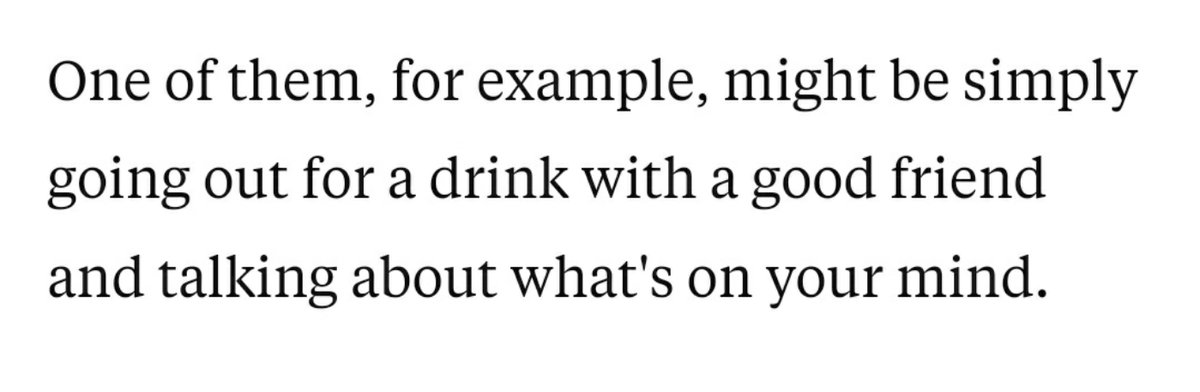
Just read a press release on research from Harvard and Stanford (you always have to be told it's come from these unis) into how to combat loneliness. Apparently the best cure for loneliness is spending less time alone. I know it's easy to mock these summaries, but, really?
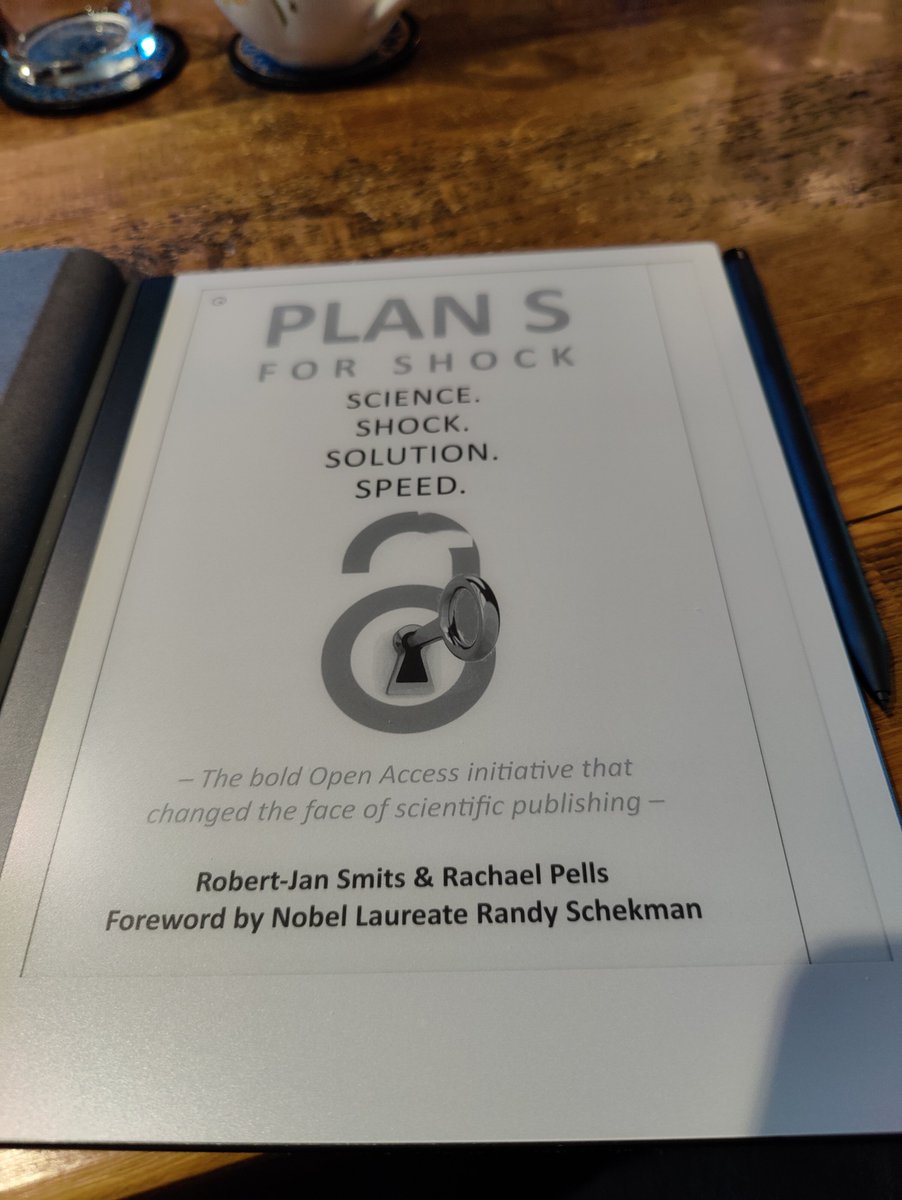
Sunday reading for me is the new Plan S for Shock.
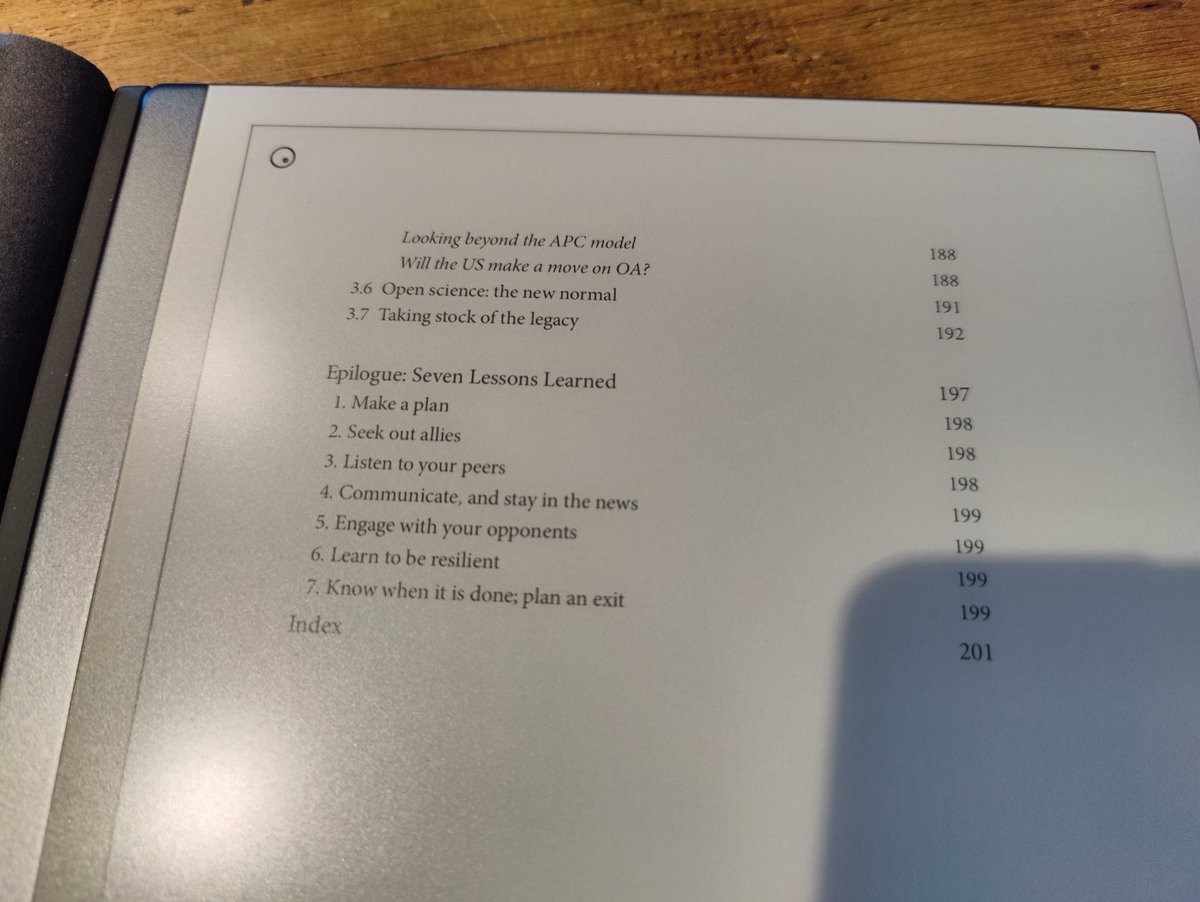
I must say that the ToC has raised my hackles a little already. "Know when it is done; plan an exit". We're far from done. I've been working on this for well over a decade. We're nowhere near "done" and throwing in a grenade then walking away feels quite a privilege...
But perhaps it's less incendiary than this makes out. Let's see.
P 1 a "new model, open access, where the author pays".
Uh oh. This is not a great start. 🤦
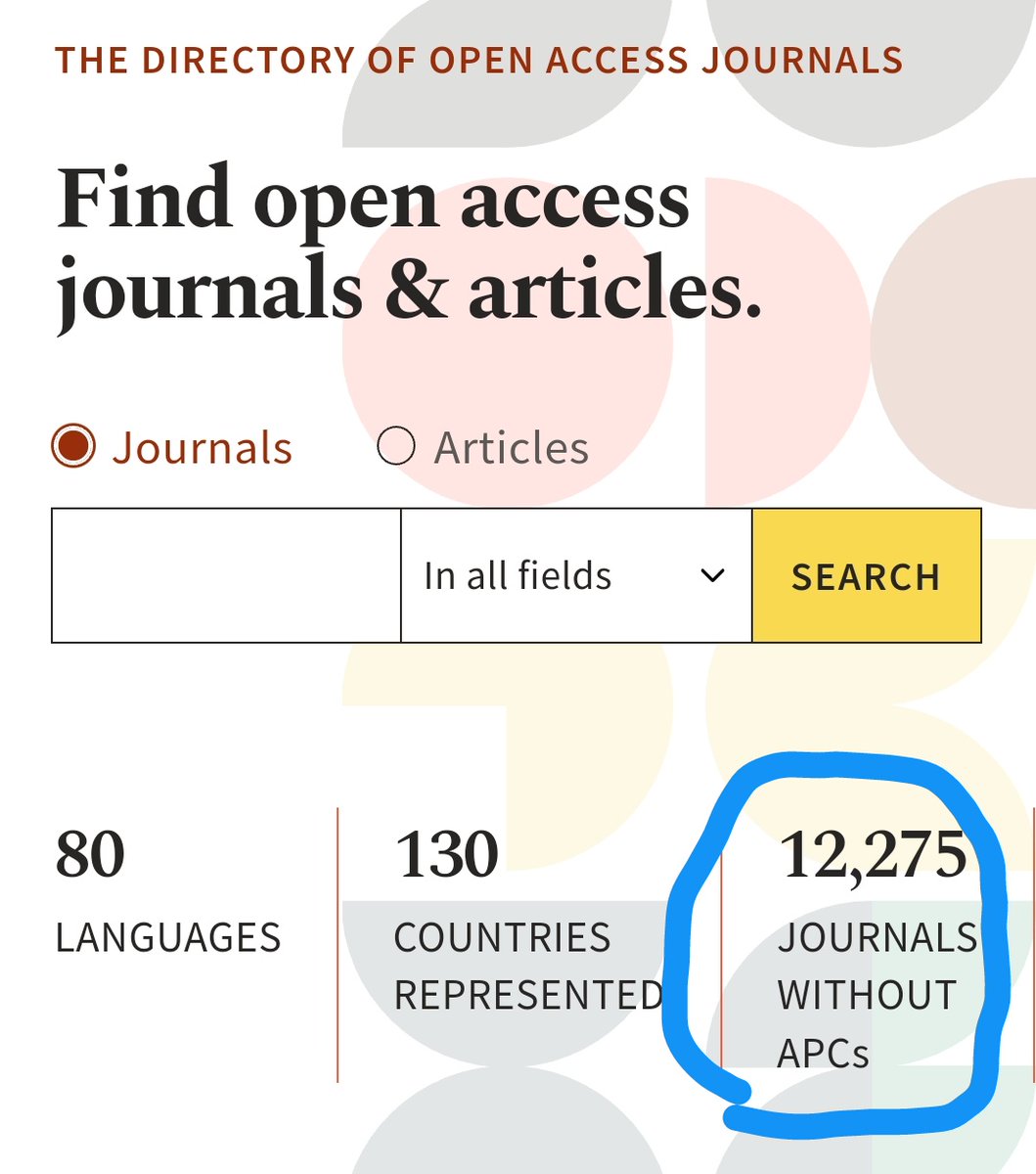
That inaccurate characterisation is from Randy Schekman's foreword. Frustrating for those who are working for equitable models that work in all disciplines to have this erroneous definition repeated.
The characterisation of subscription-based publishing as a way to distribute the costs between thousands of libraries is a key point on p 3. The opposite is the strong weakness of APCs.
Big emphasis in the opening chapter on medical context and patient self-education
Academic promotion and tenure systems also making an early appearance around p 6. "Step away from the keyboard... Clearly this is... Oversimplified" 😏
Green, gold, and diamond enter on p 8. "The gold route usually asks the author to pay a fee".
Well, I guess this terminological battle is lost.
That said, the definition of diamond is nuanced here - and it notes that it possibly should not even be its own category
Diamond "is the most commonly used model" at the journal level but not by number of articles. P 9
"Pure OA research is published using a CC BY license" - p 9. Probably an important statement to come back to.
P 10 dives into the taxpayer argument. (Also, CoI alert, I'm cited here.)
On the nuance of this, I always recommend @petersuber's The Taxpayer Argument https://dash.harvard.edu/handle/1/4725013
I still feel as I am cited here that "we should, instead, focus on the public good argument of all research, rather than saying 'it was funded by governments so it should be open'".
P 11 takes us onto the economic arguments for OA. In particular, the mega profits of big publishers. P 12 notes that a 37% profit margin indicates substantial market dysfunction.
P 14 is the first Sci Hub mention 😏
Pp 14-15 are about research efficiency and OA. I must say, having spent 30 minutes just trying to get access to a book the other day - which it turned out that our library DID have access to - I empathise with this. That was a total waste of my time.
P 15 is first mention of reproducibility and also that originality, in itself, should perhaps not be seen as the be all and end all of academic inquiry
P 16 argues that if your work is more visible, you'll take more care over it
Pp 18-19 reiterate the patient access argument. I very strongly identify with this from when I had a stroke https://eve.gd/2016/04/07/open-access-in-a-time-of-illness/
Pp 21-22 give the "collaborative/citizen science" arguments for openness
P 24 gives inclusivity arguments, including a quote from me on the fact that there are some people who will never be able access a public library to read an academic paper or book for disability reasons
Pp 24-26 note the benefits of open access to poorer regions of the world. This feels a bit unidirectional to me. There's a broader culture in the global North of not reading work from people outside our own known spaces. A bigger problem than OA.
P 26 also makes the (I'd say contentious) argument that academic research was always intended to be open. Cites Aileen Fyfe's work, some of which appeared in OLH https://olh.openlibhums.org/article/id/4494/
The piece actually cited is Aileen's chapter in our edited collection https://mitpress.mit.edu/books/reassembling-scholarly-communications
I suppose the query I have around all this is whether it's fair to ascribe a drive towards digital infinite reproduction to an era that had no such technology
Around p 33 is a good overview of early OA practices
P 37 notes that the Ebola outbreak was predicted but says the problem was that the paywalled publication system meant it wasn't heeded. Then moves on to Covid.
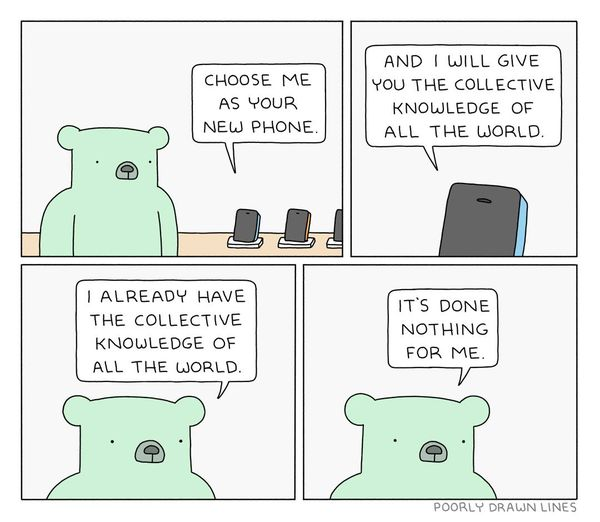
Reminds me of this comic though. The covid literature IS OA. But we still face massive (social) problems confronting it
Pp 37-38 do a good job documenting the pioneering work at Wellcome
P 39 covers the Gates foundation.
I do still find it very odd that Gates should have such a strong focus on open access, given the historical extreme antagonism to open source software.
Pp 40-42 gives an OA timetable overview. I was about to remark on the lack of Finch report mention, but that's just come up now.
Pp 43-44 is on the EC and Horizon programme mandates
Why has OA not become the default? P 47 starts some answers. First turning to commercial opposition from big publisher business.
Some good stuff on motivations on p 48 - noting that different people want different things
P 52 now turns to the emergence of hybrid OA
Predictably strong anti-hybrid strategy - a failed "transition" measure, clearly
Pp 53-54 now turns to Impact Factor and its role in driving publication practices
Interesting that Sheckman says that IF was supposed to be an economic measure for libraries to decide what to subscribe to
P 55 covers humanities fields and the slightly different, non-IF approaches
P 56 has some very good comments from @Stephen_Curry on Chinese practices of paying researchers for publications in top journals. He rightly points out that this is just the more explicit version of what we do in the West anyway, via proxies of hiring and promotion.
@Stephen_Curry Pp 57-59 covers DORA and specifically the difference between signing it and implementing it.
Pp 59-61 detail the establishment of Glossa. Bit of a shame it doesn't mention that it's funded/published by OLH and that you need a new economic model in place to cover publisher labour 🤔
And that closes out Part 1. Time for a tea break ☕
Part 2 is going to be the much more personal insider story of Robert J-S by the looks of things.
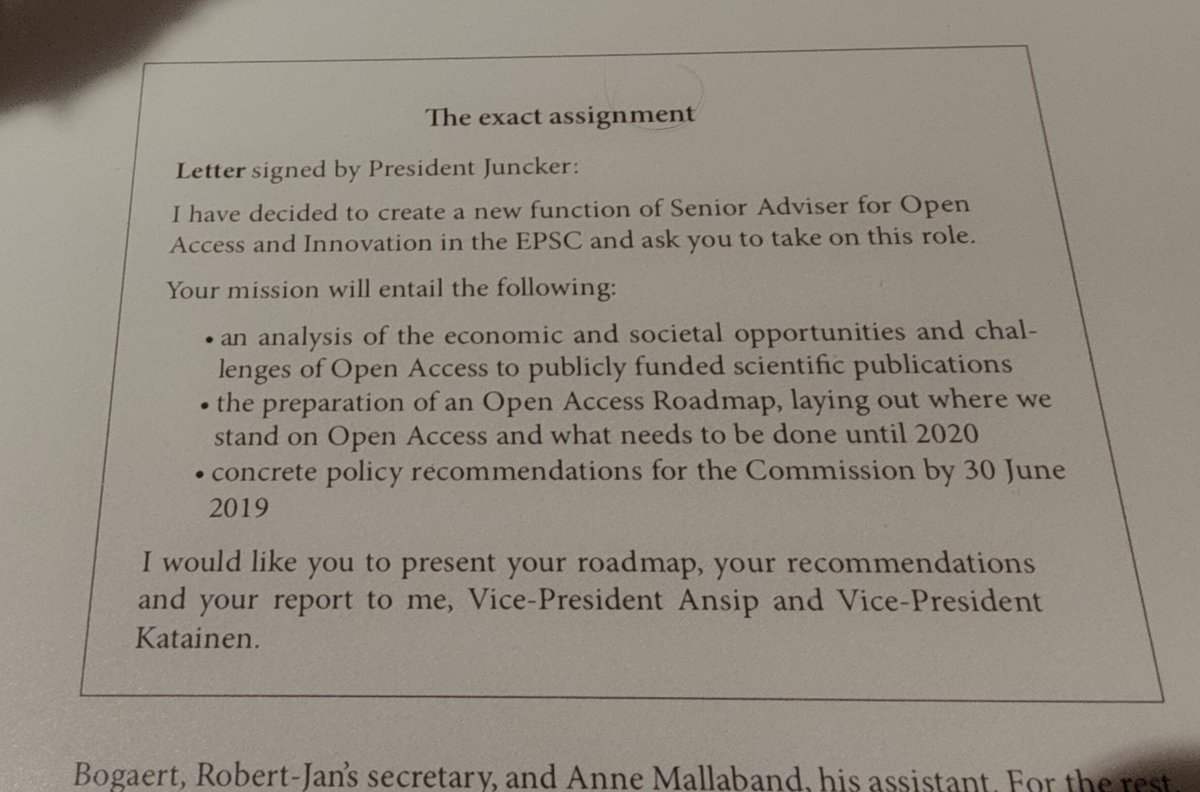
"The exact assignment" on p 67. Moves from analysis to concrete policy demands.
Pages 70-72 do a fair job of describing the anxiety from smaller publishers around Plan S and a transition to APC-driven gold in disciplines where project funding is not the norm.
P 76 notes the collective action problem and the challenges of funder coordination
P 80 gives a very interesting perspective from David Sweeney - OA is not just an issue for funders. Universities have to change what they fund if they want a new system.
Pp 82-83 sums up the ECR issues around Plan S pretty well. Prestige traps etc
The free market spats around APC price caps on p 85 is important stuff. This is at the core of the Plan S dilemma - "who are we to set the price cap?" they ask... But the market is dysfunctional and full of negative externalities that displace price sensitivity
Ah, there's the "academic freedom" argument - initial dissent from Germany. P 88
Pp 90-94 covers the complexities and nuances of predatory publishing - pretty well, in fact
And there you have it on p 97. The "S" of "Plan S" stands for "science, speed, solution and shock".
Explicit framing, I'd say, in that last term of "disruptive innovation". Except, as the previous segment on smaller publishers noted, it's them, not the big players, who go under.
Big publishers - supposedly the ones at whom the anger generating the plan was directed - can withstand the shock. Smaller "good actors" become collateral and you can end up with just the menaces remaining.
Hmm. That the public doesn't know that universities do research seems to me way more of a problem than anything else in this paragraph 🙄
Which is on p 98
P 102 details the start of US involvement - one of the trickiest policy landscapes given its decentralisation
P 106 is perhaps the first point at which publisher labour is mentioned, implicitly. We focus a lot on the monetary inputs, but a better way of reconceiving the whole system would be to ask: what labour functions do we want and need from academic publishing?
I don't think there is clear agreement between anybody on this. And that makes it very hard to say what we should pay for it.
Anyway, R-J S is quoted as saying "we knew what SCIENCE [the journal] did was extremely valuable". But doesn't say exactly what that is.
P 107 details the objections from chemists. I often point to this discipline when people say there's a straightforward "the Humanities hate OA while the sciences don't" rhetoric. It's way more complex than that.
Ok, there's an argument on pp 110-111 from Kamerlin that the data storage and electricity costs of running a big journal are the major costs. This is just such a huge blunder. The costs are _people_ and labour, not running four backup servers.
Try "creating accurate standards-compliant metadata" or "ensuring ingest into 25 indexing services". Even "invoicing universities for APCs" is actually quite expensive.
There's more on the academic freedom debate on pp 113-114. I think where I stand on this is that most academic freedom statutes were surely designed to ensure that academics could not be censored.
Hence, if OA mandates are trying to secure broadest dissemination they're not against the spirit of academic freedom, even if they may seem, in some national frameworks, to violate the letter of the law.
It's much more complex of course and I've blogged a lot about this
P 121 details transformative agreements. These are really tricky from our perspective because we can't afford them https://eve.gd/2020/05/09/transformative-agreements-in-the-time-of-covid-19/
Pp 122-123 gives further examples of rebel editorial board breakaways from the big for-profits. Again, I'd like to have seen more on what makes such breakaways possible and/or succeed. Every article at Glossa costs OLH and we can only fund it via our library membership scheme
P 124 begins the critiques of Plan S from Latin America
The major worry being the introduction of APCs into a system that didn't have them!
Interesting to hear @JohanRooryck's view on p 138 that "you *don't* want shocks through the system"... Given that this was apparently one of the things for which "S" stands
P 139 kicks off the discussion of the rights retention strategy. There's a whole secret history to be written on this around the Scholarly Communications License and the work of @ChrisBanks
Pp 141-143 are lots of arguments against RRS from publishers. One of the key ones here that I'm not sure I agree with is the "what's the point in rights retention if you then openly license the work?"
This is precisely how copy left works though in software. You use your copyright in order to be able to give your rights away. Part of a strange but nonetheless virtuous circle of ownership and relinquishment.
P 153 has thoughts from @robertkiley on whether the future will have "journals" in the way we do today. There's been some discussion of this on twitter, I believe, w/ @samoore_ over the past few days and to what extent they represent useful ideas of "community" or "discipline".
Haha
More on the @robertkiley vision of a post-journal world on p 155-158.
I really like lots about this but wilt at the activation energy required to shift our system to it!
Some potential good signs in my discipline from repos like @humcommons
That said, the Burgelman follow up on p 158 in which there's no such thing as an article just makes virtually no sense at all in my discipline. Gets far too Gradgrind for my liking.
I do not share Bodo Stern's optimism that an APC market will develop with price sensitivity because, as has been pointed out many times before, researchers don't feel that price point. They get reputational prestige advantage while someone else pays. P 163
P 166 draws attention to the problem I highlighted earlier: that the "shock" of Plan S, inspired by anger at the profiteering of big publishers, could lead to the bankruptcy of many small publishers without cushions... But likely not the biggest 5.
I've been quite forthright in a few of the cited instances in this book - was clearly feeling in a less diplomatic mood that day! 😬
P 195 - OK. It does stand for "Smits" 😏
Overall, this was an interesting book. It's well written (v few typos "Elsevier Elsevier", "CC CY") in an engaging journalistic style. I wonder who the core readers will be? It's not academic and there is a core focus on the public access to science angle.
But it's dealing with so many intricacies of the academy and academic publishing that I'd be very surprised if nonspecialists could grapple with it all, straight out.
Here're my notes, collected: https://eve.gd/2022/01/31/notes-on-plan-s-for-shock/

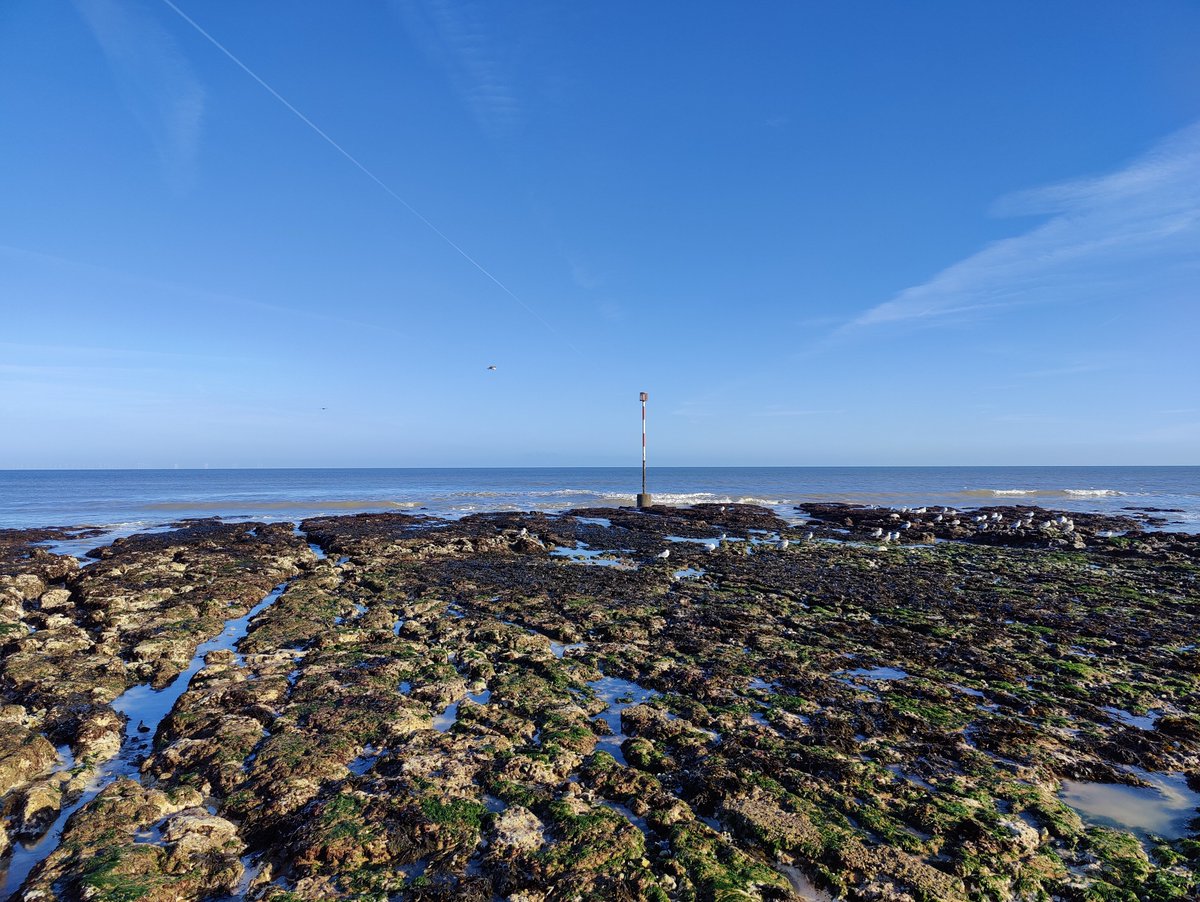
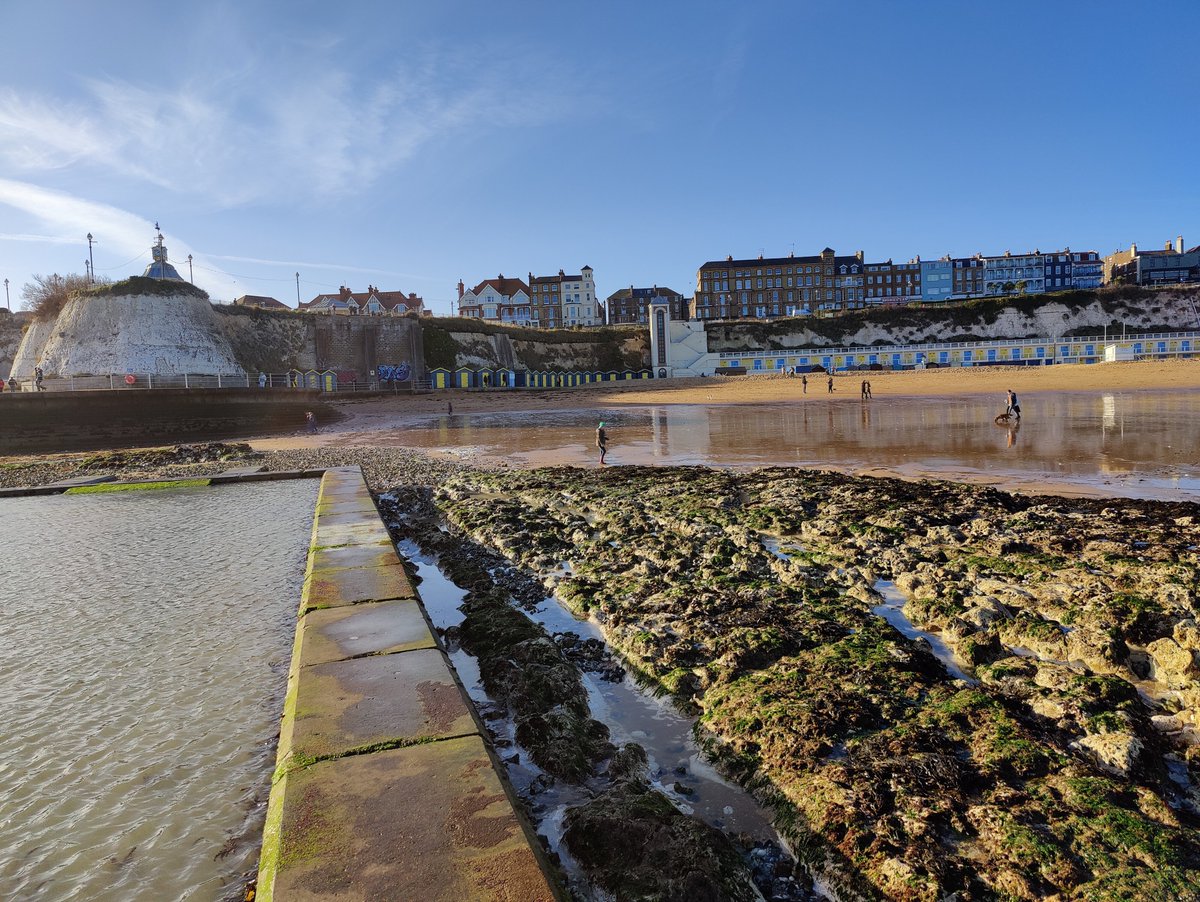
A gorgeous day. Ongoing hip pain means I can't hop very far but a welcome change of scene!
I had a work meeting this week that was perhaps the most understanding and kind of the whole pandemic. This manager understood the ongoing risk I face from the virus and reassured me about my safety being the priority, without even having to ask. It really made a huge difference.
A good thread about how the removal of extremely noninvasive safeguards has a huge and disproportionate impact on the vulnerable. https://x.com/StephTaitWrites/status/1487474564816797696
Two years ago today was the last live music gig that I attended in the Before Times. Caravan Palace at the Brixton Academy.
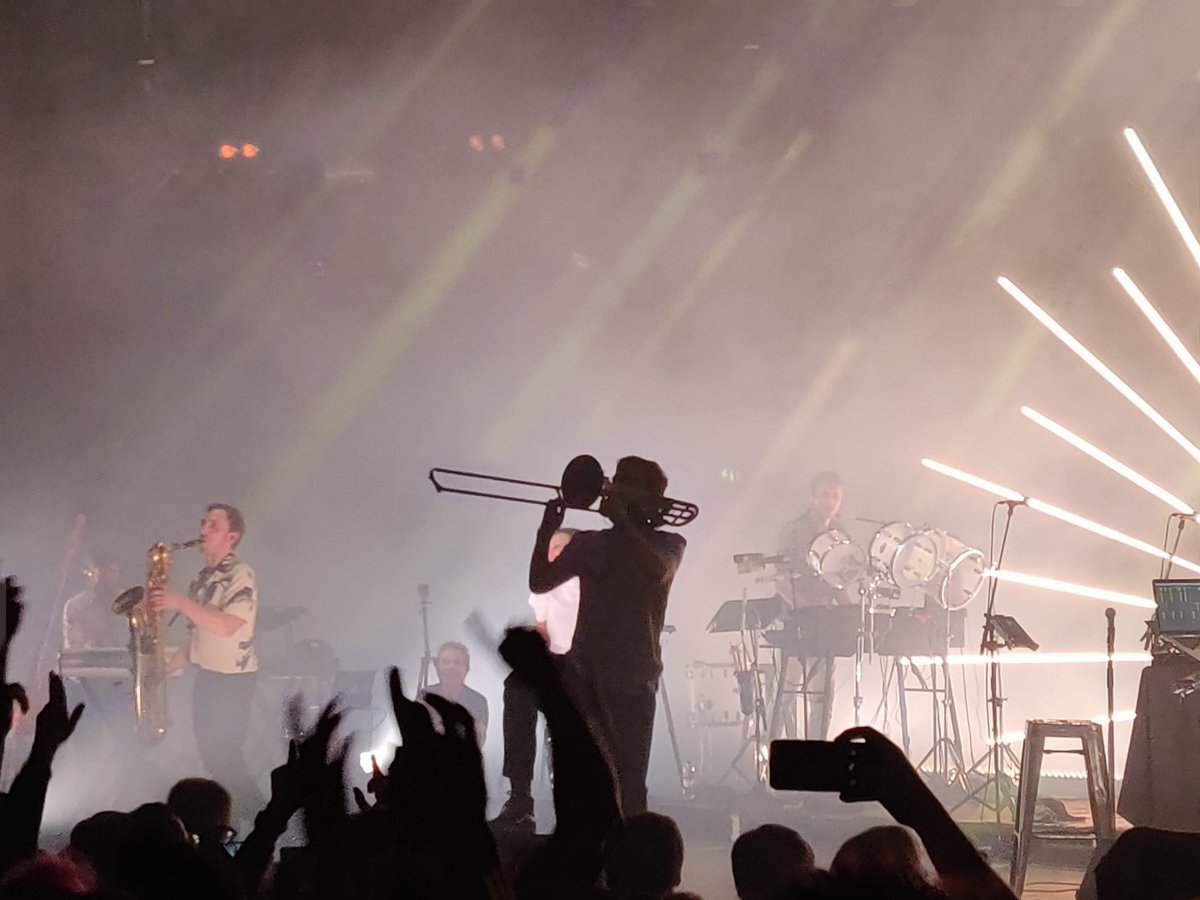
Friday lunchtime listening. Charlotte Adigéry & Bolis Pupul - Ceci n'est pas un cliché https://charlotteandbolis.bandcamp.com/track/ceci-nest-pas-un-clich
The DFE guidance to universities is pretty sick.
“Risk assessments should never be used to prevent providers delivering the full programme of face-to-face teaching and learning that they were providing before the pandemic.”
Universities also have to protect staff and students.
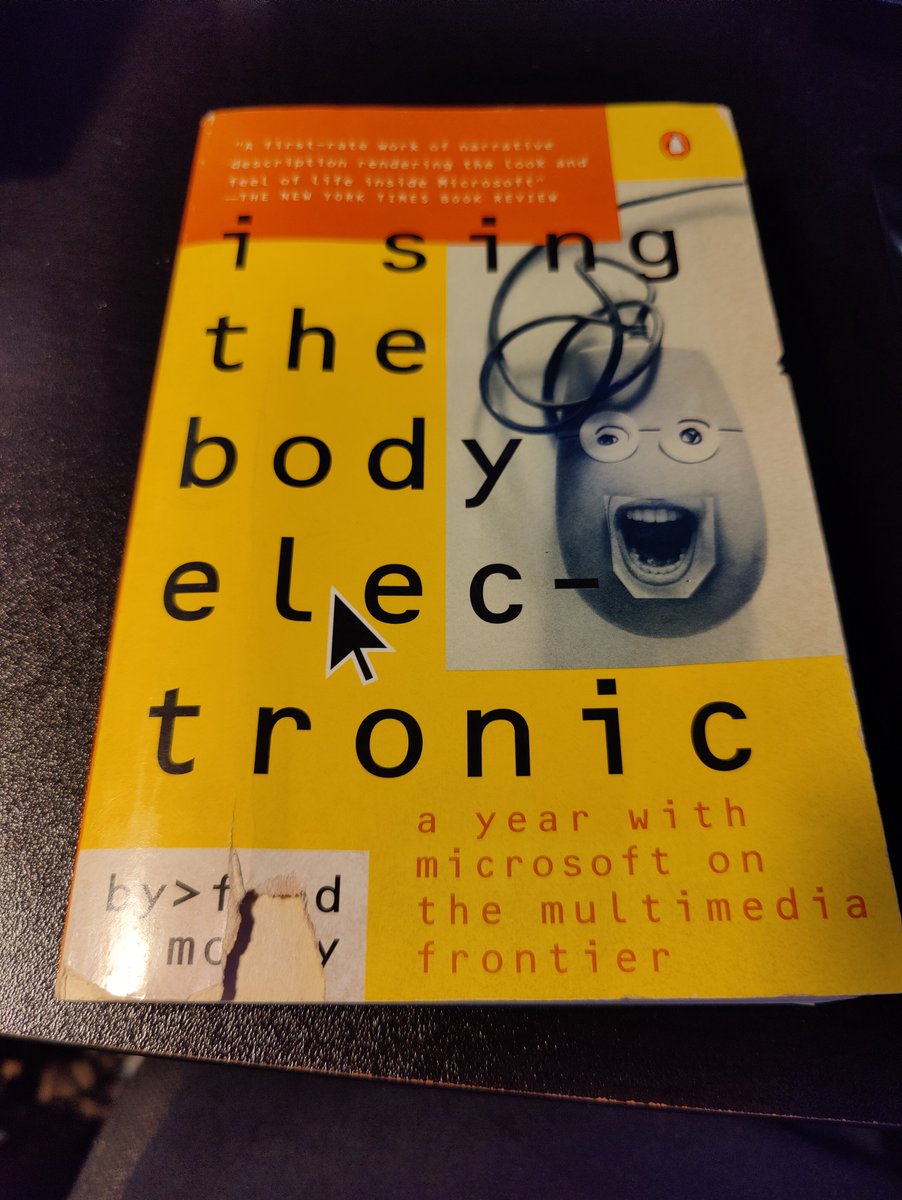
Various administrative matters have totally halted my research work this week, but now turning back to the future as it was imagined in 1995 with Fred Moody's I SING THE BODY ELECTRONIC
"The term cool, as used at Microsoft, is roughly analogous to the Russian khorosho". Well, thanks, I guess.
I do like that Encarta was codenamed GANDALF.
https://copim.pubpub.org/pub/a-fork-in-the-road-oa-books-and-value-in-the-humanities/release/1
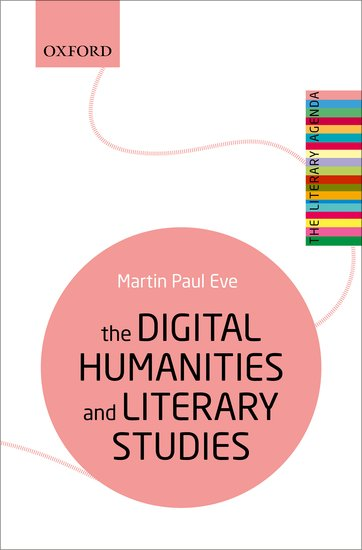
Hurrah! My next book will be published on the 10th of February 2022. The Digital Humanities and Literary Studies. Open access from @OxUniPress. https://global.oup.com/academic/product/the-digital-humanities-and-literary-studies-9780198850489?lang=en&cc=gb
But just what IS digital humanities?
*ducks*
... and it's available, now, for download! https://global.oup.com/academic/product/the-digital-humanities-and-literary-studies-9780198850489?lang=en&cc=gb#
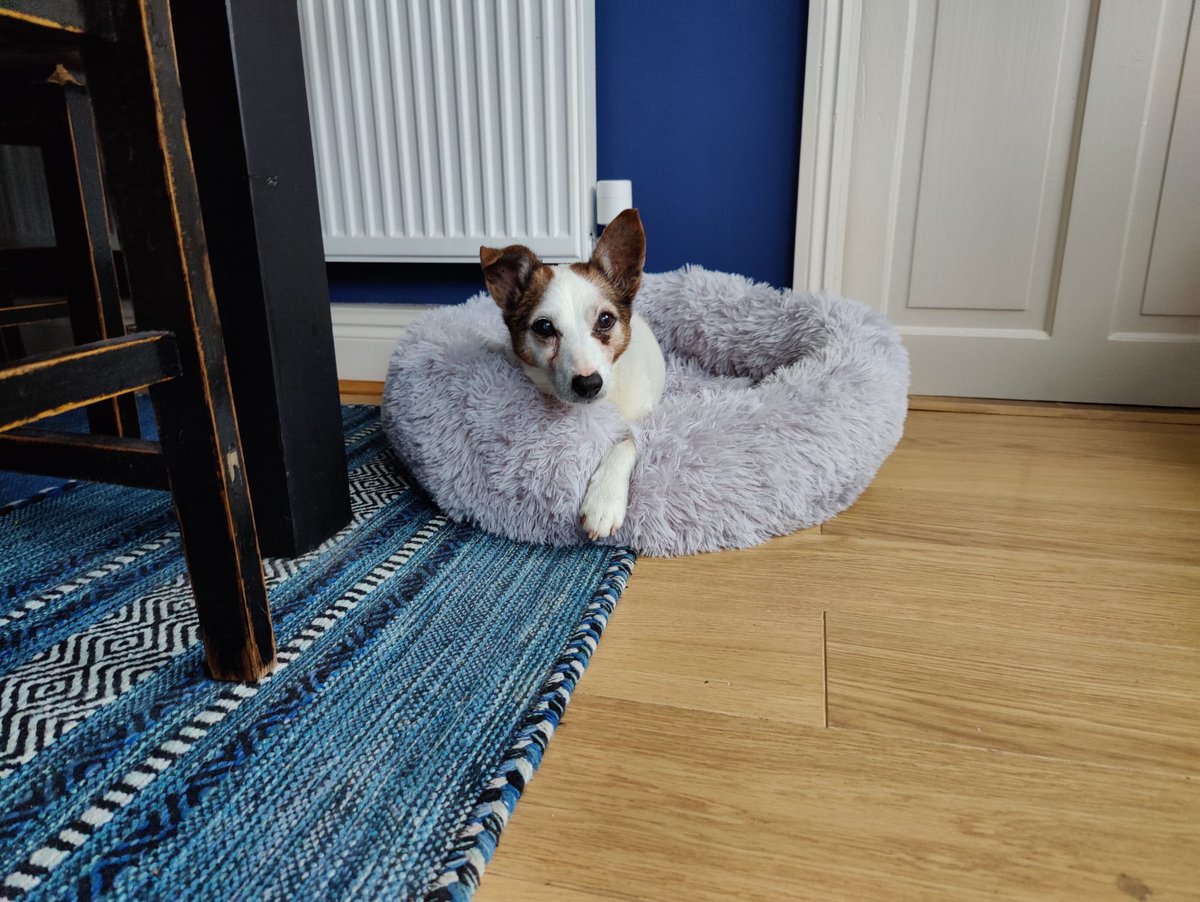
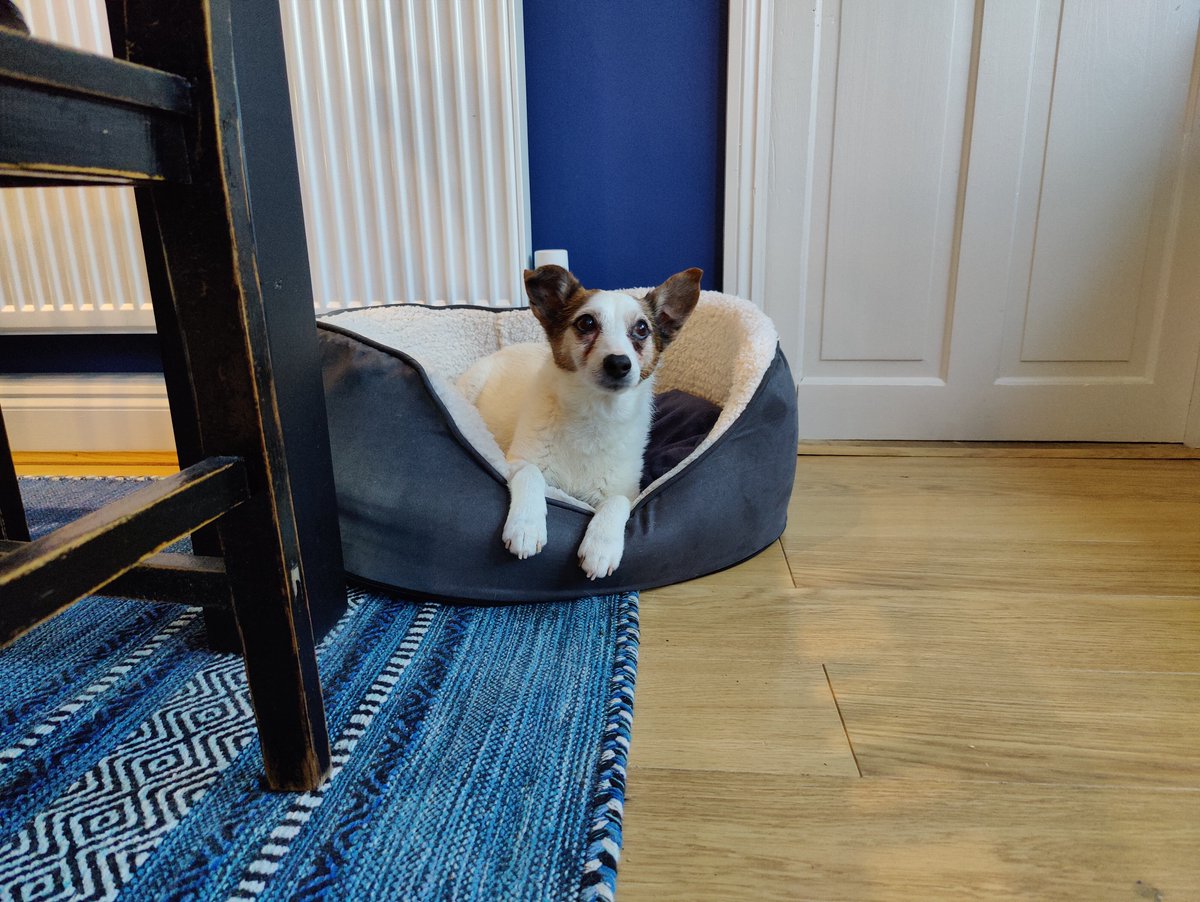
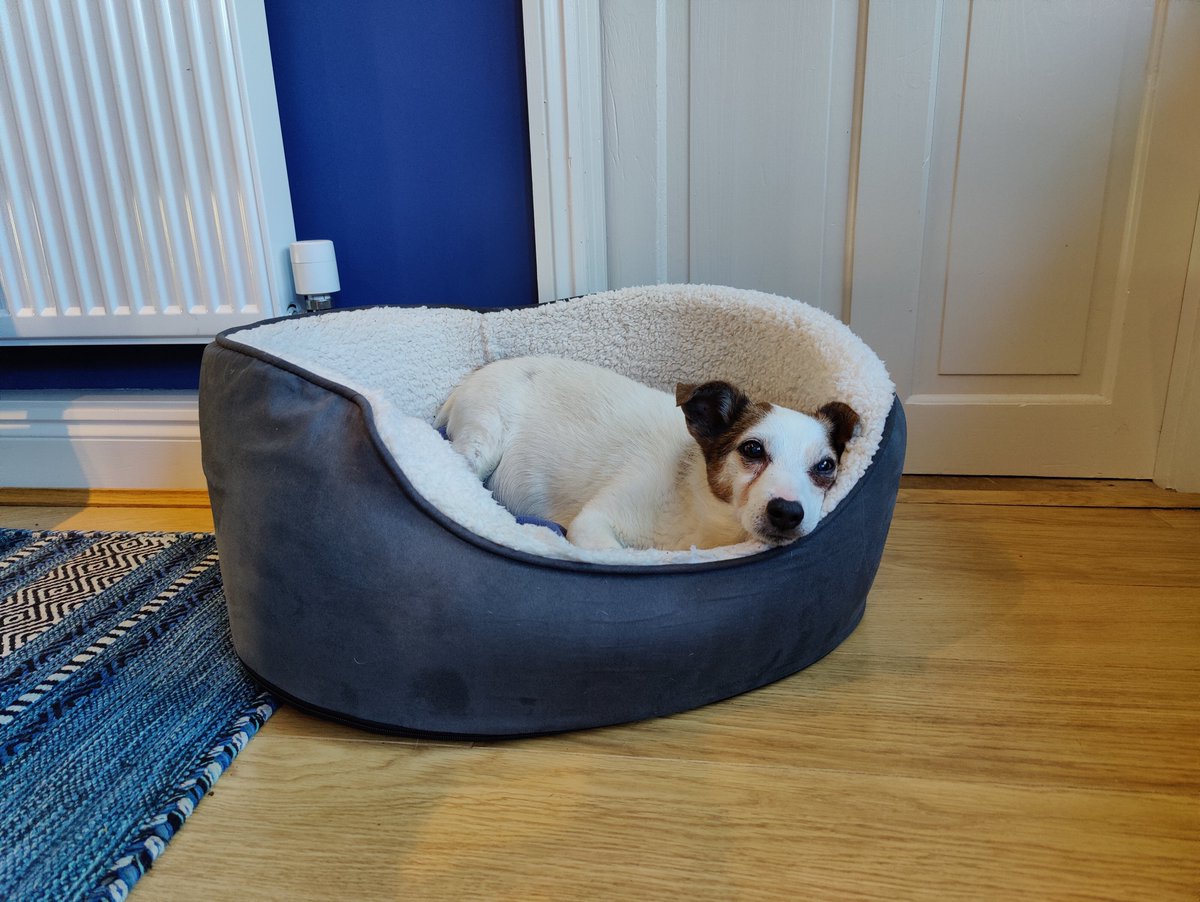
Toby is enjoying his new, extremely soft bed
Vesna Vulović was a Serbian flight attendant who holds the Guinness world record for surviving the highest fall without a parachute: 10,160 m (33,330 ft; 6.31 mi).
https://en.wikipedia.org/wiki/Vesna_Vulovi%C4%87
https://www.theguardian.com/commentisfree/2022/jan/26/disabled-people-plan-b-restrictions
Wow. Well, that was an unexpected plus this evening! https://x.com/INKEproject/status/1486071350238216192
Faster internet speeds linked to lower civic engagement in UK https://www.theguardian.com/politics/2022/jan/23/internet-access-decline-civic-engagement-uk
Triangle SCI theme this year is "Reckoning, Care, and Repair". This is a great event and space for collaboration, which I attended for several years in a row. It led to an article and a book publication.
https://trianglesci.org/2022/01/25/sci-2022-reckoning-care-and-repair/
Open Licensing and the @openlibhums https://www.openlibhums.org/news/521/
Sharing the basic config that I use when writing my own little personal project scripts/automation routines
Using Django ORM, Click, and Rich to create useful command-line python apps
https://eve.gd/2022/01/24/using-django-orm-click-and-rich-to-quickly-create-great-command-line-python-apps/
I really hate to kill the optimism, and it hurts me a lot to consider our ongoing isolation, but having to tell conference organizers that an in-person keynote is very unlikely to be feasible for me this whole year.
Perhaps things will get better. But it's been quite devastating getting my hopes up before.
Doing an antibody test in a couple of weeks after jab 4. After jabs 1 -> 3 I had no antibody response, though, so reliant on whatever T-cell protection might be conferred, which is far harder to measure.
Best recommended action for me remains: don't contract the virus.
Robot vacuum cleaner escapes from Cambridge Travelodge
https://www.bbc.com/news/uk-england-cambridgeshire-60084347
Covid rules: Millions of clinically extremely vulnerable people advised to follow guidance after Plan B ends
https://inews.co.uk/news/covid-rules-clinically-extremely-vulnerable-people-advised-to-follow-guidance-after-plan-b-ends-1416356
This looks ace.
Textualize/rich: Rich is a Python library for rich text and beautiful formatting in the terminal.
https://github.com/Textualize/rich
A little bit of music making today
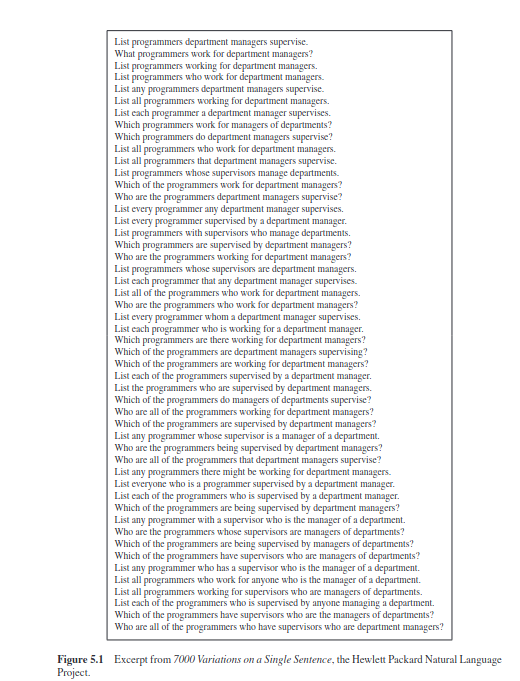
Today I learned of the "7000 variations on a single sentence effort" from the Hewlett Packard Natural Language Project in 1986, as an early effort in exploring the complexities of NLP.
Diagram from Brennan, Susan E., ‘Conversation as Direct Manipulation: An Iconoclastic View’, in The Art of Human-Computer Interface Design, ed. by Brenda Laurel (Reading, MA: Addison-Wesley, 1990), pp. 393–404, p. 400.
Shielders say lifting of England’s Plan B restrictions ‘complete nightmare’
https://www.theguardian.com/world/2022/jan/22/shielders-say-lifting-of-england-plan-b-covid-restrictions-complete-nightmare?CMP=Share_AndroidApp_Other
‘More people will die’: fears for clinically vulnerable as England axes plan B
“Covid infection still remains a real threat to immunosuppressed patients. Not all immunosuppressed patients have mounted immune response to vaccinations, even after 4 doses.”
https://www.theguardian.com/world/2022/jan/22/more-people-will-die-fears-clinically-vulnerable-england-axes-plan-b?CMP=Share_AndroidApp_Other
Closing out the week with some research and writing. Here's my "did you know?" snippet for today: one of the first interface metaphors that Apple developed to demonstrate the age of a document was by staining the file in different shades of yellow.
MoonBounce: the dark side of UEFI firmware
https://securelist.com/moonbounce-the-dark-side-of-uefi-firmware/105468/
Susan Walsh, chief executive of Immunodeficiency UK, says the government's announcements about ending many Covid measures have caused "so much anxiety", with people calling her in tears.
"That's how this community has felt all along - abandoned"
https://www.bbc.co.uk/news/uk-60072080
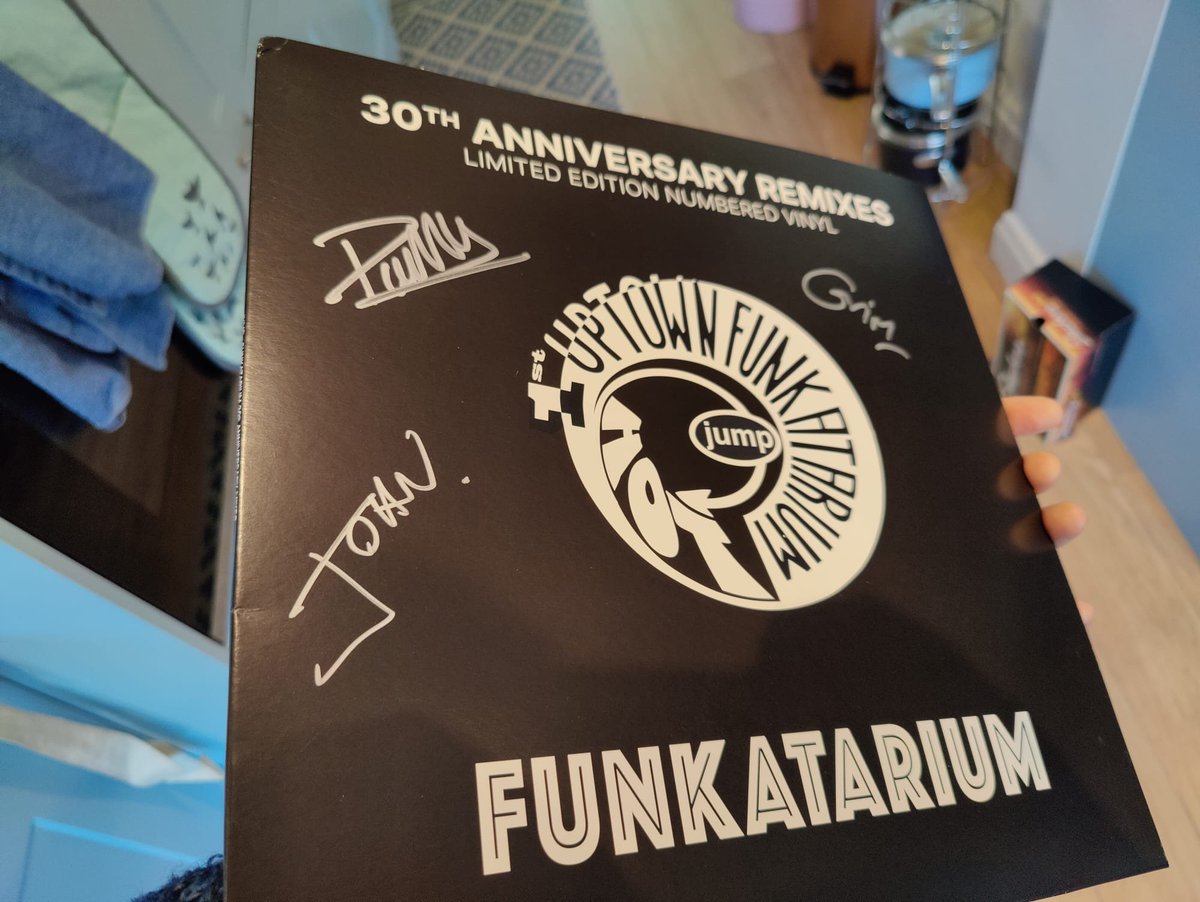
I actually, for the first time, feel somewhat unwell after my fourth booster jab yesterday. Previous rounds I had no reaction at all. Could it be that I'm mounting an antibody response this time? Please? In the meantime, some electronic funkiness arrived on wax.
Sad to see Meat Loaf has died, although my fondest associated memory was a documentary film that referred to him, throughout, as "Meat".
"When Meat was eleven, he was bullied at school".
Unless there's some special reason for this speed - say in a medical context with urgent consequences - this seems to be the predictable outcome of the new "accelerated review" streams - authors paying extra but the cash staying firmly in the middle. https://x.com/stevepiccolo/status/1484196330763218946
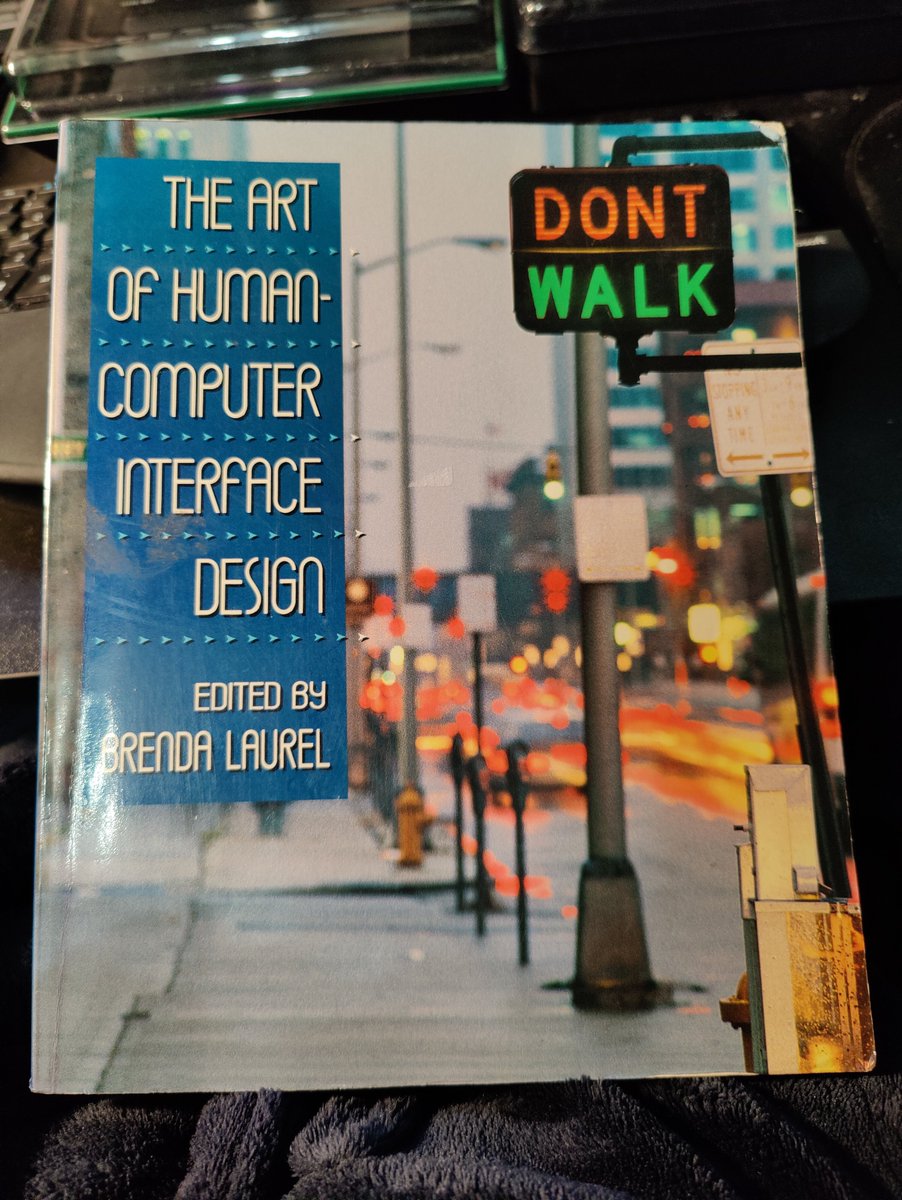
I'm revisiting this voluminous book on interface design from 1990. Perhaps what's most remarkable to me is how little there is in this book on accessibility. I haven't yet found a single mention of, say, visually impaired users.
As far as I know, the modern accessibility movement in digital interface and web design doesn't really kick off until the 1994 Second International World Wide Web conference in Chicago. It is truly remarkable by its absence in these earlier texts, though.
Stranded dog saved from rising tide after rescuers attach sausage to drone
https://www.theguardian.com/lifeandstyle/2022/jan/20/stranded-dog-saved-from-drowning-after-rescuers-attach-sausage-to-drone
In many ways, I'm unlucky with my health and my wrecked immune system. However, I had my fourth Covid vaccine today and it reminded me that I'm also extremely privileged to live in a wealthy nation with universal healthcare. We need, though, to vaccinate the world to beat this.
New today at @openlibhums "The Geographies of Poverty: Modernist Photo Texts in the Age of Social Media" https://olh.openlibhums.org/article/id/6337/
Large institutions need policies and processes but I do find it frustrating when we lose sight of the fact that these mechanisms are meant to solve problems, not to be followed as ends in themselves.
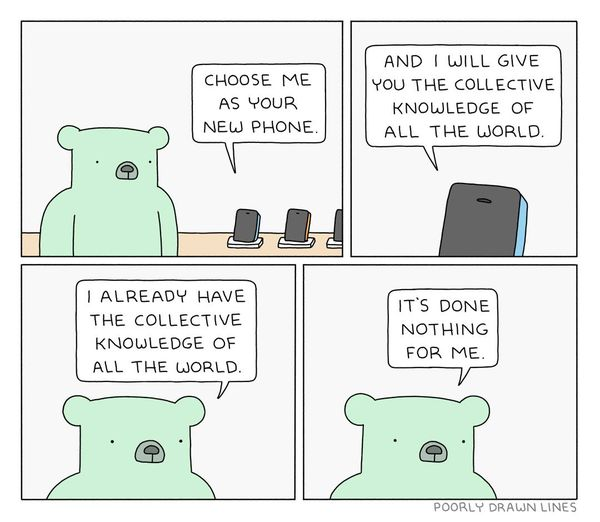
Saw this and laughed
LVFS Activity Going Wild Ahead Of New Security Disclosure Requiring Firmware Update
https://www.phoronix.com/scan.php?page=news_item&px=LVFS-Goes-Wild-Jan-2022
In all the many analyses of the US constitutional framing of "Life, Liberty and the pursuit of Happiness" is there anything on whether these clauses should be deemed equal? Or in descending (or even ascending) levels of importance?
GitHub - jokteur/python_communism: A module for initiating the communist revolution in each of our python modules
https://github.com/jokteur/python_communism
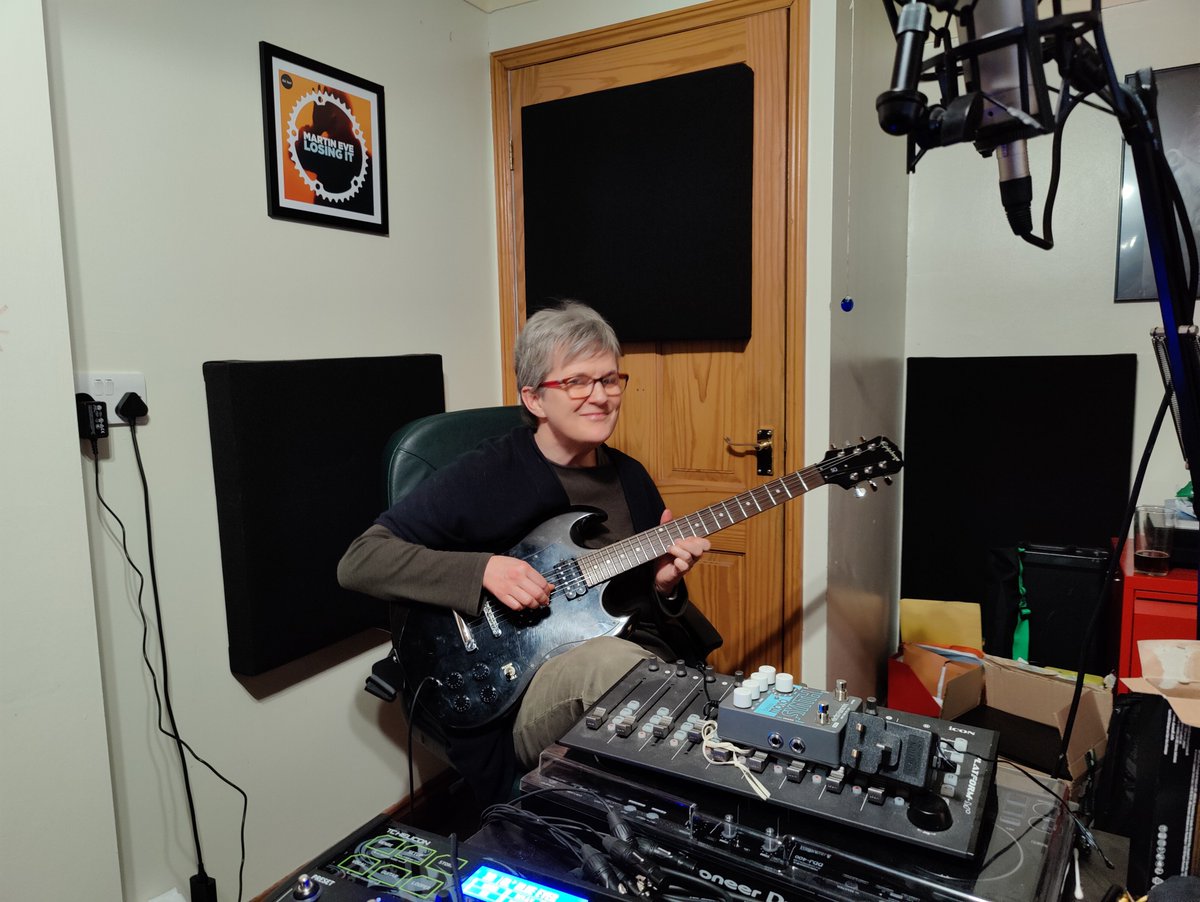
Jamming with @artofile who isolated for 10 days to come and visit!
Toby's Monday
Here we go for 2022, kicking off with a talk about OA monographs and open infrastructure! https://t.co/RuwBTbWc7l
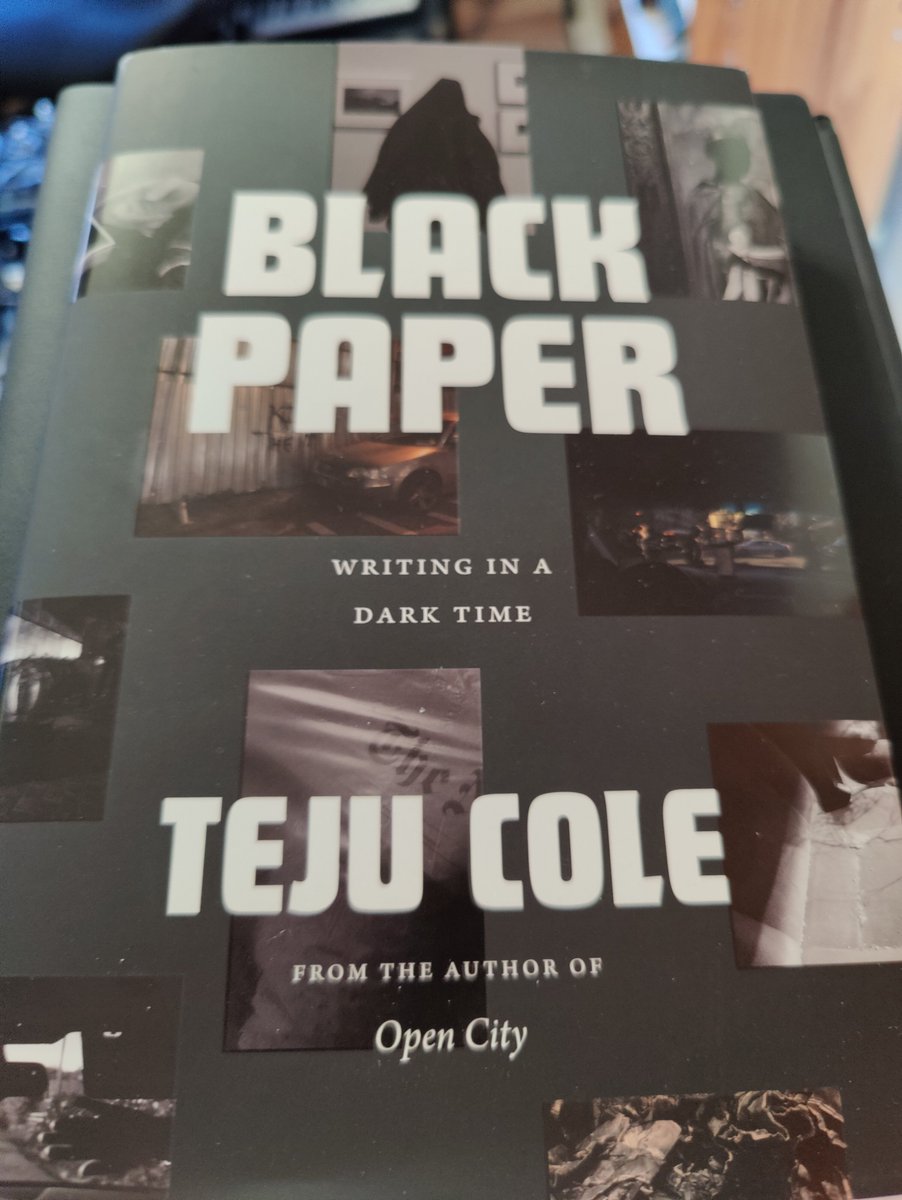
Today's reading was Teju Cole's BLACK PAPER, which was stimulating for my paper chapter, even if mostly metaphorical 😏
BBC licence fee to be abolished in 2027 and funding frozen
https://www.theguardian.com/media/2022/jan/16/bbc-licence-fee-to-be-abolished-in-2027-and-funding-frozen?CMP=Share_AndroidApp_Other
Boop
Thinking a little about MECA and integration with SWORD 3.0 for exchanging manuscripts between systems.
https://github.com/BirkbeckCTP/meca-swordv3
Oh dear. I have been instabanned https://x.com/punctum_books/status/1482192185210507264
I'm a couple of weeks into my "new regime" re. email and seem to have substantially cut back on time spent in my inbox at just a couple of hours this week. This could be because term is only just gearing up but it's a promising start
https://eve.gd/2022/01/01/last-year-i-spent-506-hours-answering-emails-how-i-hope-to-do-less-of-it-this-year/
Fellow humanities/literary studies academics: did you know that you can deposit the version of record of Bloomsbury Academic book chapters in your institutional repository? https://eve.gd/2022/01/14/did-you-know-that-you-can-deposit-the-version-of-record-of-bloomsbury-academic-book-chapters-in-your-institutional-repository/
Here's a couple of mine, now!
‘“What Was Knowledge for, I Would Ask Myself”: Science, Technology, and Identity in David Mitchell’s Cloud Atlas’, in David Mitchell: Contemporary Critical Perspectives, ed. by Knepper and Hopf (London: Bloomsbury, 2019) https://eprints.bbk.ac.uk/id/eprint/24067/
‘Openness, Politics and Power’, in Mass Intellectuality and Democratic Leadership in Higher Education, ed. by Joss Winn and @HallyMk1 (London: Bloomsbury, 2017) <http://eprints.bbk.ac.uk/16682/>
‘Scarcity and Abundance’, in The Bloomsbury Handbook of Electronic Literature, ed. by Joseph Tabbi (London: Bloomsbury, 2017), pp. 385–98 https://eprints.bbk.ac.uk/id/eprint/18324/
Today must be international peer review request day. Three invitations in as many hours this am.
I did them all, too.
"Brandon is a Network Not a Name: Fictocriticism & the Cyberfeminist Art of Shu Lea Cheang" https://olh.openlibhums.org/article/id/6391/
Happy Friday! I just hit the 80,000 word mark on the next book manuscript.
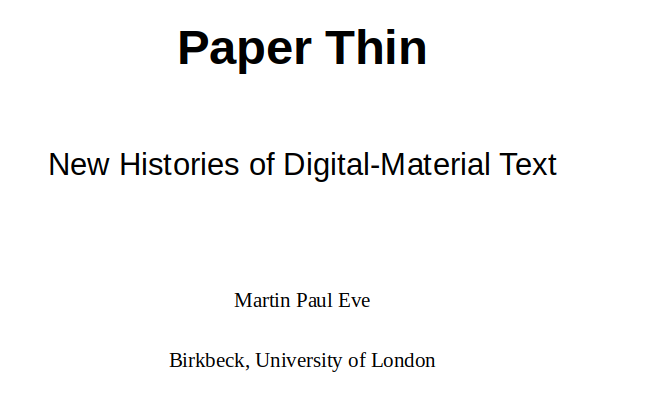
'Grasp All, Lose All': Raising Awareness Through Loss of Grasp in Seemingly Functional Interfaces https://olh.openlibhums.org/article/id/6393/
Today has been a day of PhD supervisions, proof corrections on a DHQ article, exciting calls with great funders, checking in with the ace OLH team, and now time for some research writing.
Written by my colleague, @daraghcarville https://x.com/morecambe_bay/status/1480992439594803209
Predictions Scorecard, 2022 January 01 – Rodney Brooks
http://rodneybrooks.com/predictions-scorecard-2022-january-01/
Toby just fell in the pond and is now dashing about like a total fool!
17 years going on 17 months
Revisiting @alanyliu's Postmodern Historiography and the Database today and thinking about the remarks therein on form/content separation, specifically considering the limits of such paradigms in web accessibility models.
Someone has already done the "Gove in an Elevator" joke, right?
https://www.bbc.co.uk/news/uk-politics-59935551
I do like the example given on the Mozilla MDN page on the deprecated BLINK tag: <blink>Why would somebody use this?</blink>
Actually a good, serious question. Why did people use the blink tag? What were the aesthetic drives behind 1990s extreme individuation of web design that now allow us, nonetheless, so accurately to group such sites together?
Wordle is basically simple dictionary-search, known ciphertext, frequency-based cryptanalysis.
Trying to understand a publisher's "permission to deposit green OA form" and there's a clause: "No self-archiving is allowed in the case of reference". What does that mean? Is it referring to some kind of "reference" work that is exempt from the policy?
It's easy to believe that the "bad old days" of standards-noncompliant web pages ("designed for Internet Explorer"!) are well past us, but my experience of trying Firefox for 2 months shows a new level of Chrome-centricity and serious breakage outside of that.
I got roped in to the craze. Don't worry, I won't be posting any more of these 😂
Wordle 204 5/6
⬜🟨⬜⬜⬜
⬜🟨⬜🟨⬜
⬜🟩⬜🟨🟨
🟨🟩⬜🟩🟩
🟩🟩🟩🟩🟩
Pretty sure that having the job title "Boris Johnson's ethics adviser" isn't going to look great on your CV.
‘We see what’s happening in their brain’: inside the ToddlerLab
https://www.theguardian.com/society/2022/jan/07/inside-the-toddlerlab-london-research-wearable-tech?CMP=Share_AndroidApp_Other
Week one. Zero to funk in 30 mins.
4 years ago, MLA was very, very cold...
12th May is REF day https://ref.ac.uk/publications/additional-details-on-arrangements-for-ref-2021-results-publication/
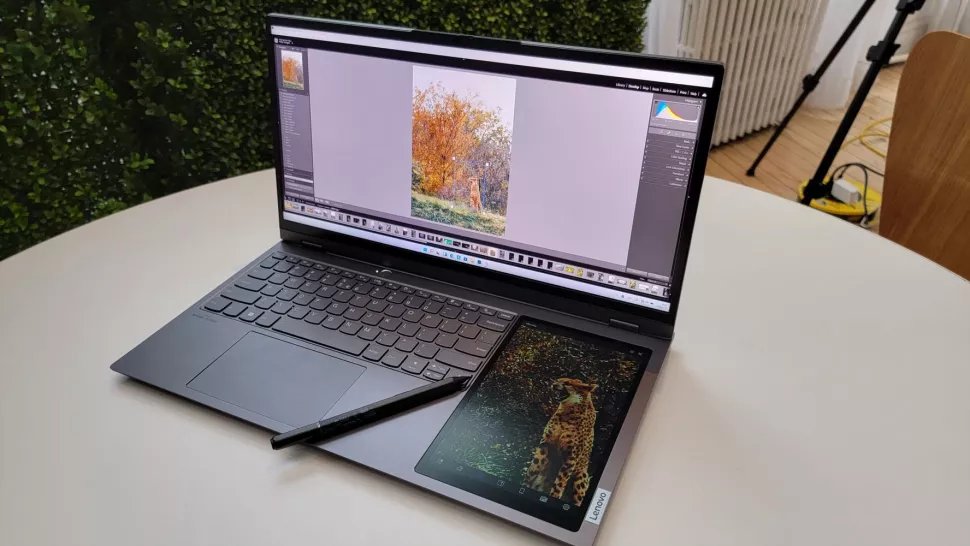
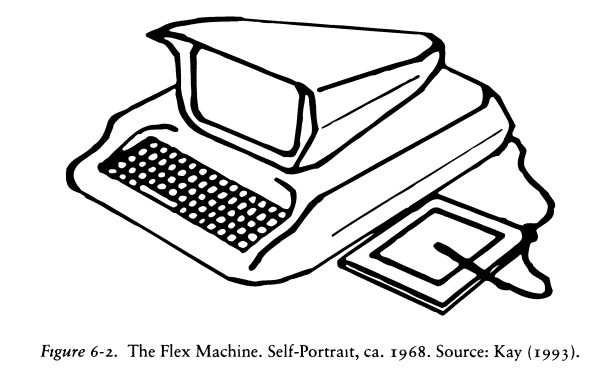
1968 called. It wants its laptop back.
Can anyone recommend a good book holder/reading stand for a range of print sizes and that would also accommodate an e-reader (Remarkable)?
Just seen OpenAlex. Blimey that's an ambitious project. https://docs.openalex.org/
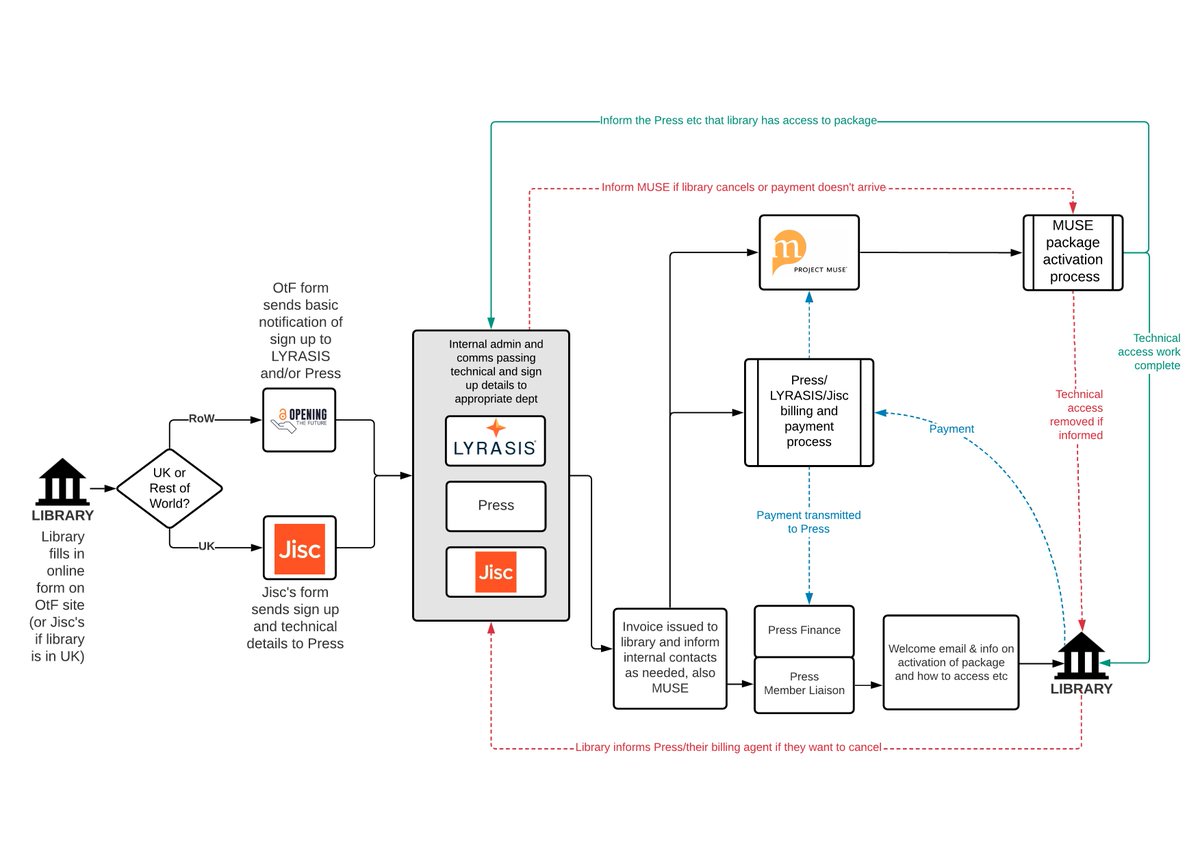
This week I am working on the WP3 report for @COPIMproject showing what we've done and how other publishers can use the Opening the Future business model. Thanks to @ScholTom for our ace process diagram!
Staging Scores: Devising Contemporary Performances from Classical Music. New for a new year, at @openlibhums https://olh.openlibhums.org/article/id/4684/
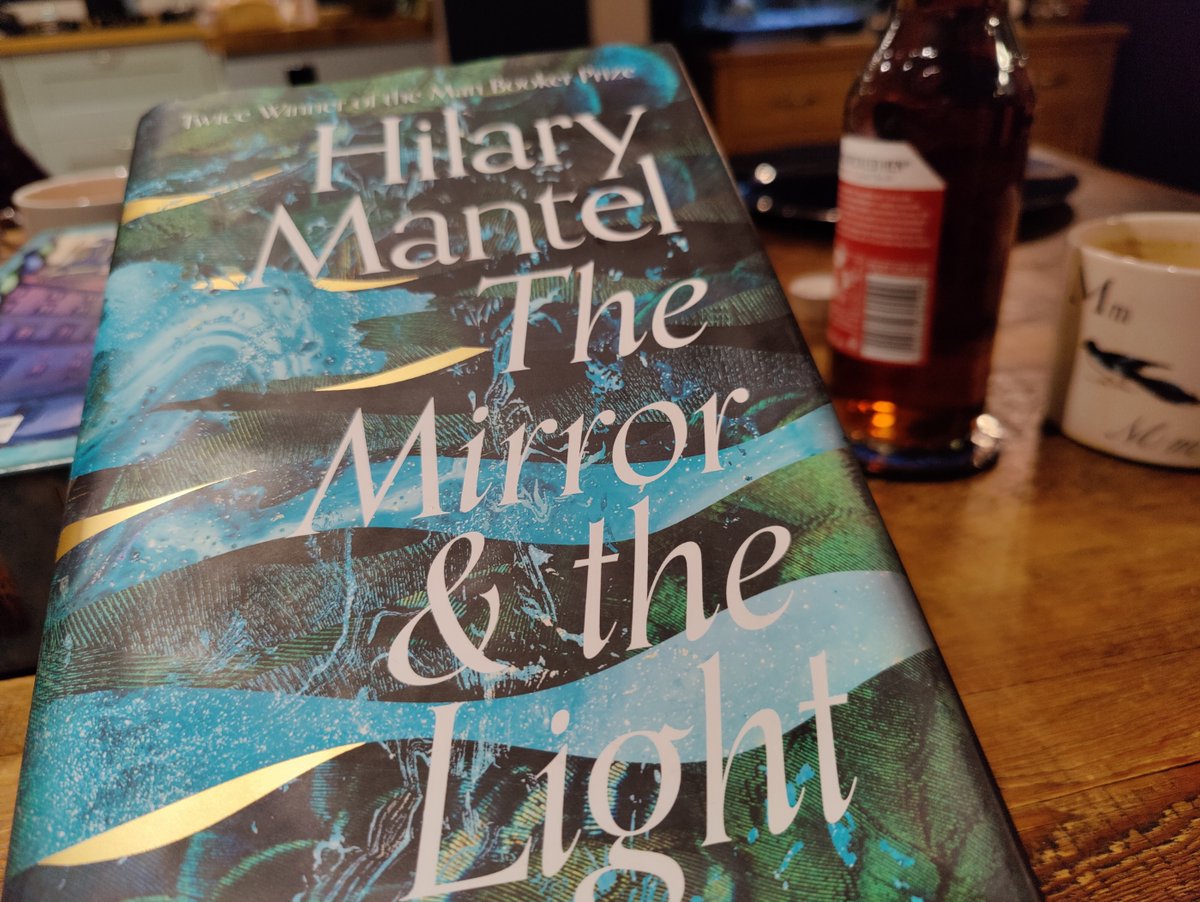
As the winter holiday ends, I find myself reading several books in parallel.
For fiction, I have the Mantel.
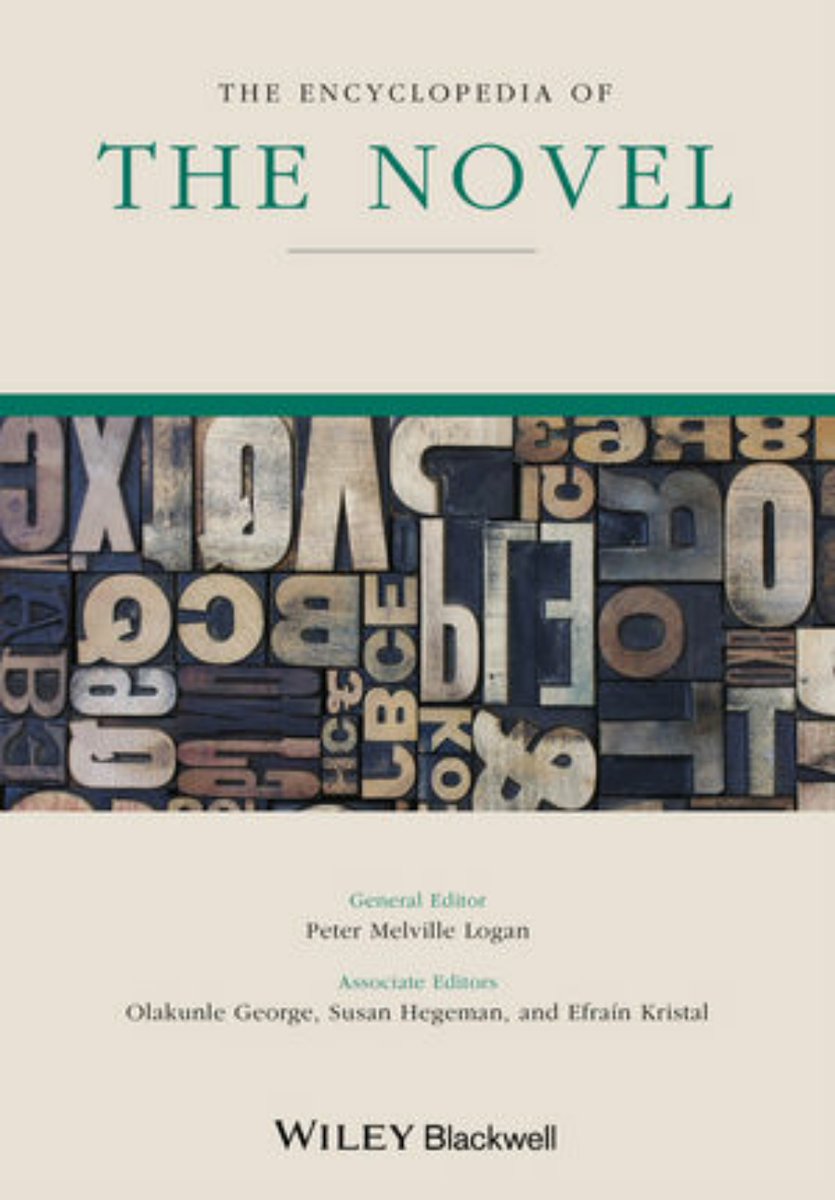
For general improvement of my knowledge, I am reading the 1,000 page Encyclopaedia of the Novel cover to cover.
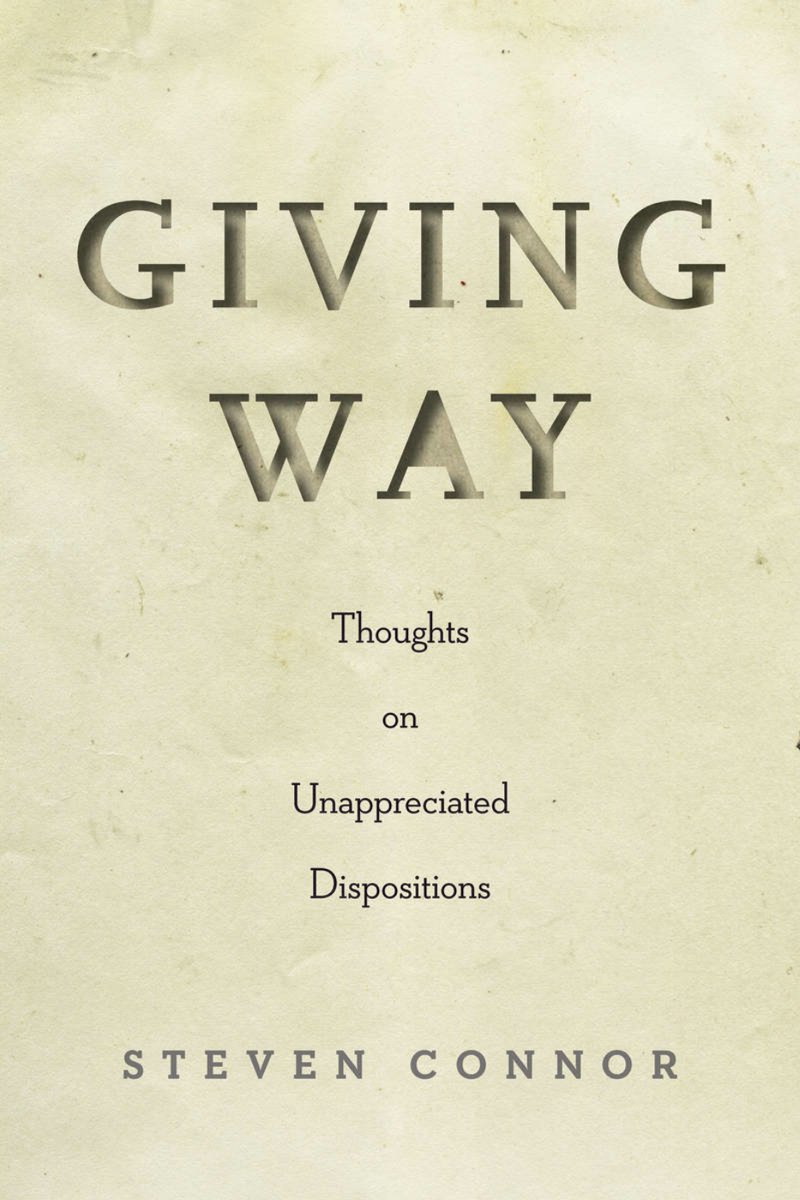
For fun, I am reading Steve Connor.
"Not now 2022!"
Whistleblower warns baffling illness affects growing number of young adults in Canadian province
https://www.theguardian.com/world/2022/jan/02/neurological-illness-affecting-young-adults-canada