July 2021
Next Doctor Who should be a Dalek, say Daleks
https://www.thedailymash.co.uk/news/arts-entertainment/new-doctor-who-should-be-a-dalek-say-daleks-20170201121396
I'm facing a difficult health challenge at the moment. As usual, I'm sharing the details not only for catharsis but because I think it is good that people in vaguely prominent positions talk about health and disability.
I need a set of autonomic nervous system tests at the National Neurology Hospital. The tests will be to work out what's going on re. a condition that causes me severe levels of pain on a daily basis, but that also risks hospitalising me every two months or so.
The challenge, of course, is Covid. I have panhypogammaglobulinemia. I remain at _severe_ risk of death from the virus due to my underlying condition.
The decision I now face is: have the tests and risk the virus and death, or wait... and potentially face the danger via an A&E admission, while remaining indefinitely in serious pain with life-threatening attacks every two months.
I cannot see things improving until the Spring, at least, with the virus. But they are also bad now. So I am left with only bad options. My choices are suffering or risk. And the risk is not neglible. However, I think I will have to take it.
All this is terribly stressful -- hard to articulate the impact it has on general wellbeing -- and hasn't made for a happy 13th wedding anniversary. Nonetheless, as always, I'm going to be open about this. Everything I do is in the shadow of this kind of ongoing difficulty.
More work on the Thoth python client/API at @COPIMproject today. Can now extract publishers and works with full query interaction. https://github.com/dqprogramming/thoth-client
Here's a list of works from @OpenBookPublish retrieved via CLI with limit
Today's extra endpoint is publications -- detailing different formats (e.g. PAPERBACK) and prices


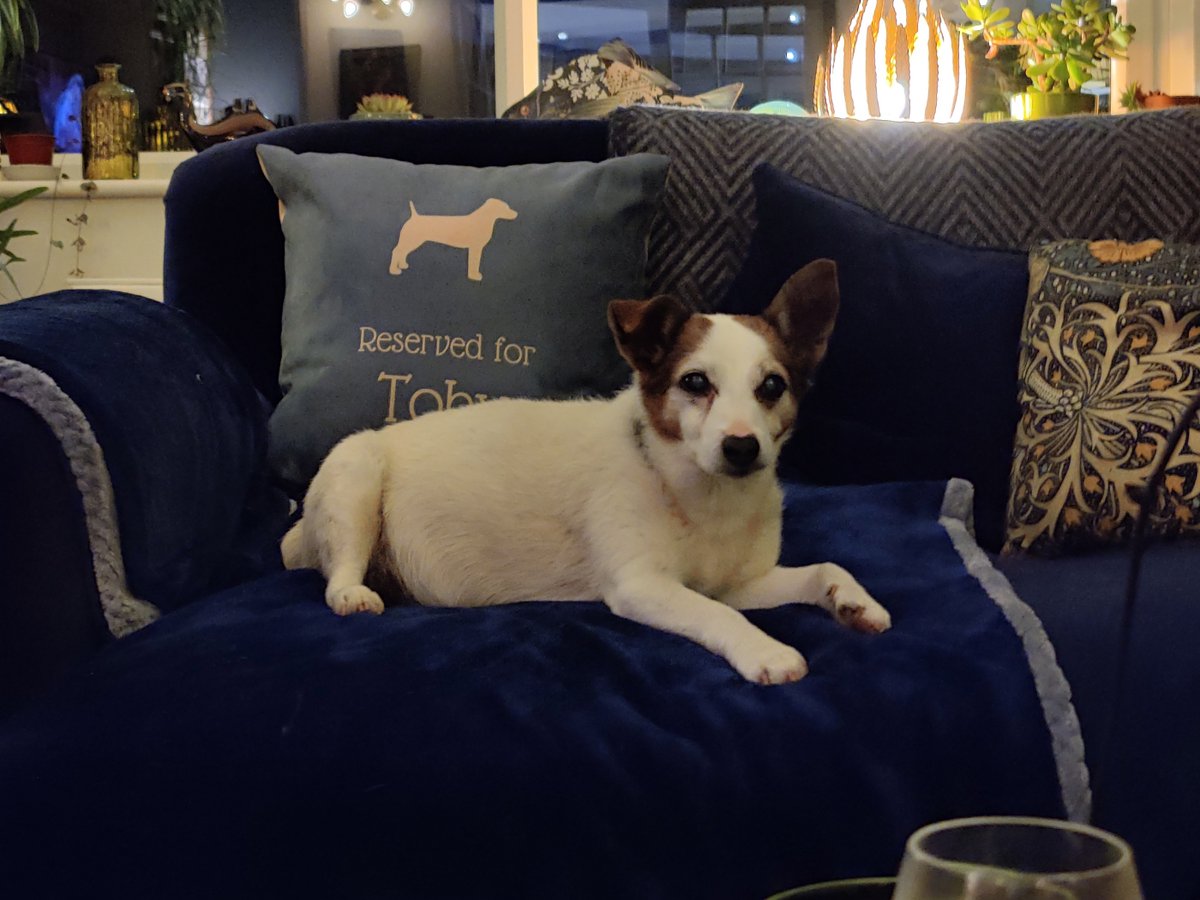
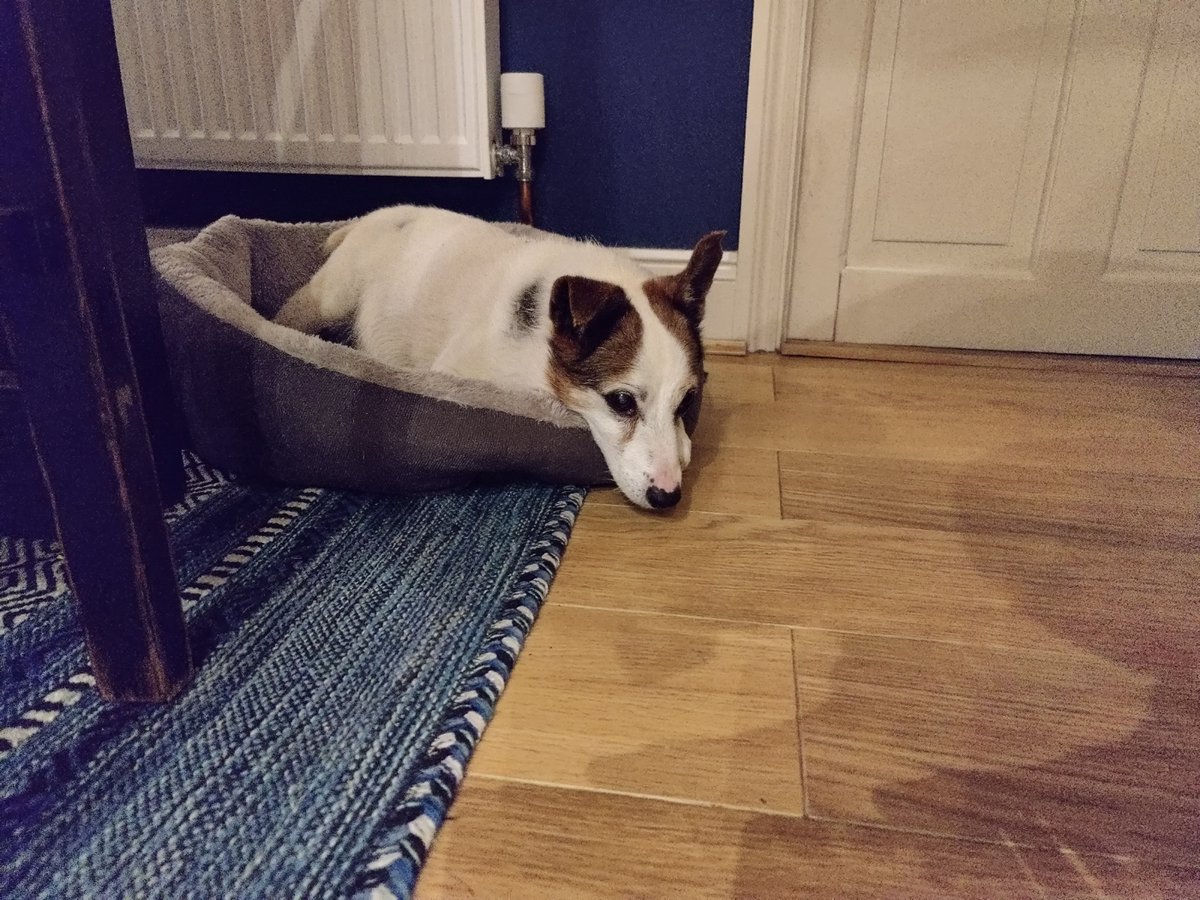
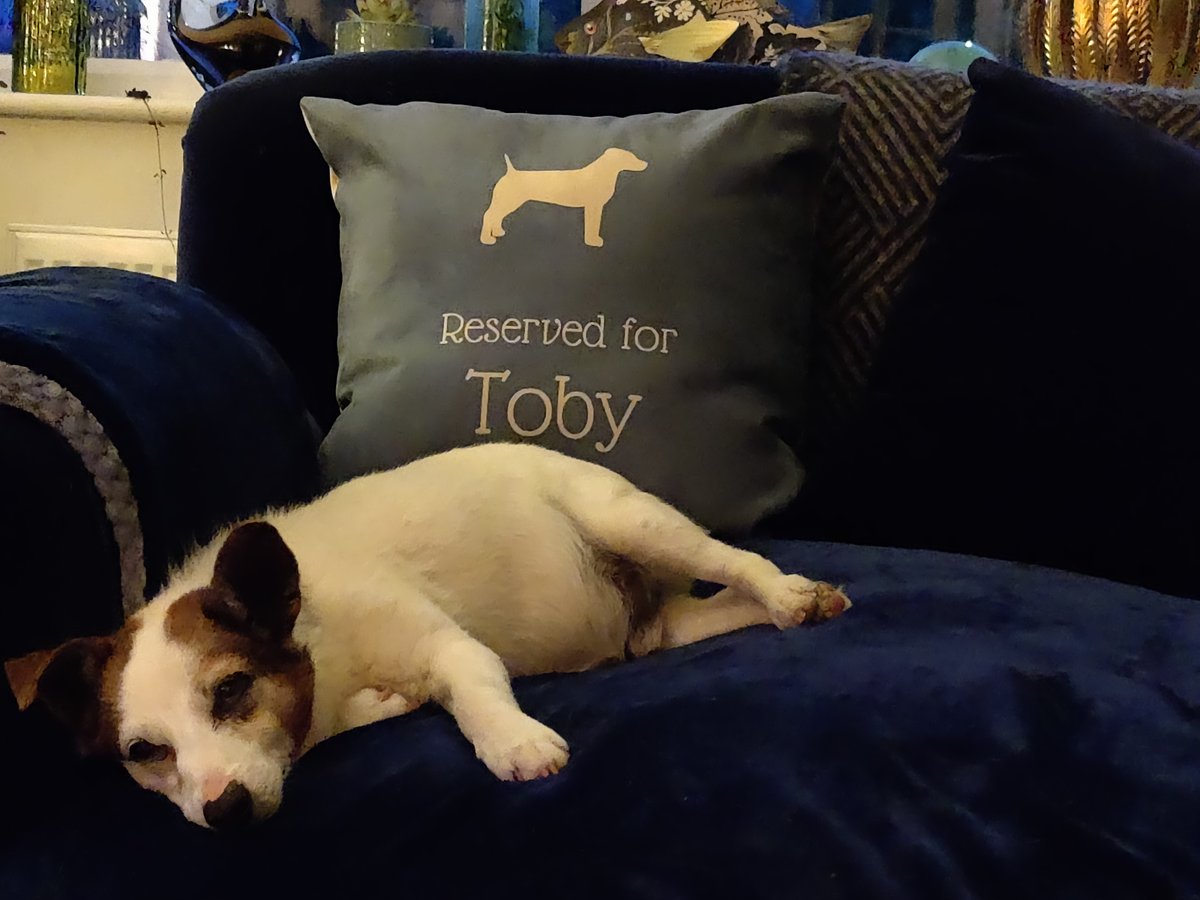
Toby is not impressed by another episode of STAR TREK: THE NEXT GENERATION based on ridiculous Klingon notions of being a "warrior" and having "honor".
It's taken almost 18 months but I've reached v1.0 of next music release. Will probably hate it tomorrow.
Urgh. Horrible stressful day. National Neurology Hospital called to admit me urgently for autonomic testing as they had a bed. Travelling is not easy for me as I can't use public transport & don't drive. So made urgent plans. Then cancelled and changed to Sunday or Monday 😞
Also got excited at these tests, which I have needed since Feb 2019. I spent a night last week extremely unwell and in agonising pain. So hope they're not going to snatch this away again at the last minute.
Hurrah! I'll be presenting my initial work on the history of digital whitespace -- and why it is white -- at the @BACLS_official WHN2021 conference.
https://bacls.org/conferences/bacls-whn-2021-conference/bacls-whn-2021-programme/
Looking forward to Alexander Moran's /Understanding Jennifer Egan/, out this fall. I did some blurbing.
https://uscpress.com/Understanding-Jennifer-Egan
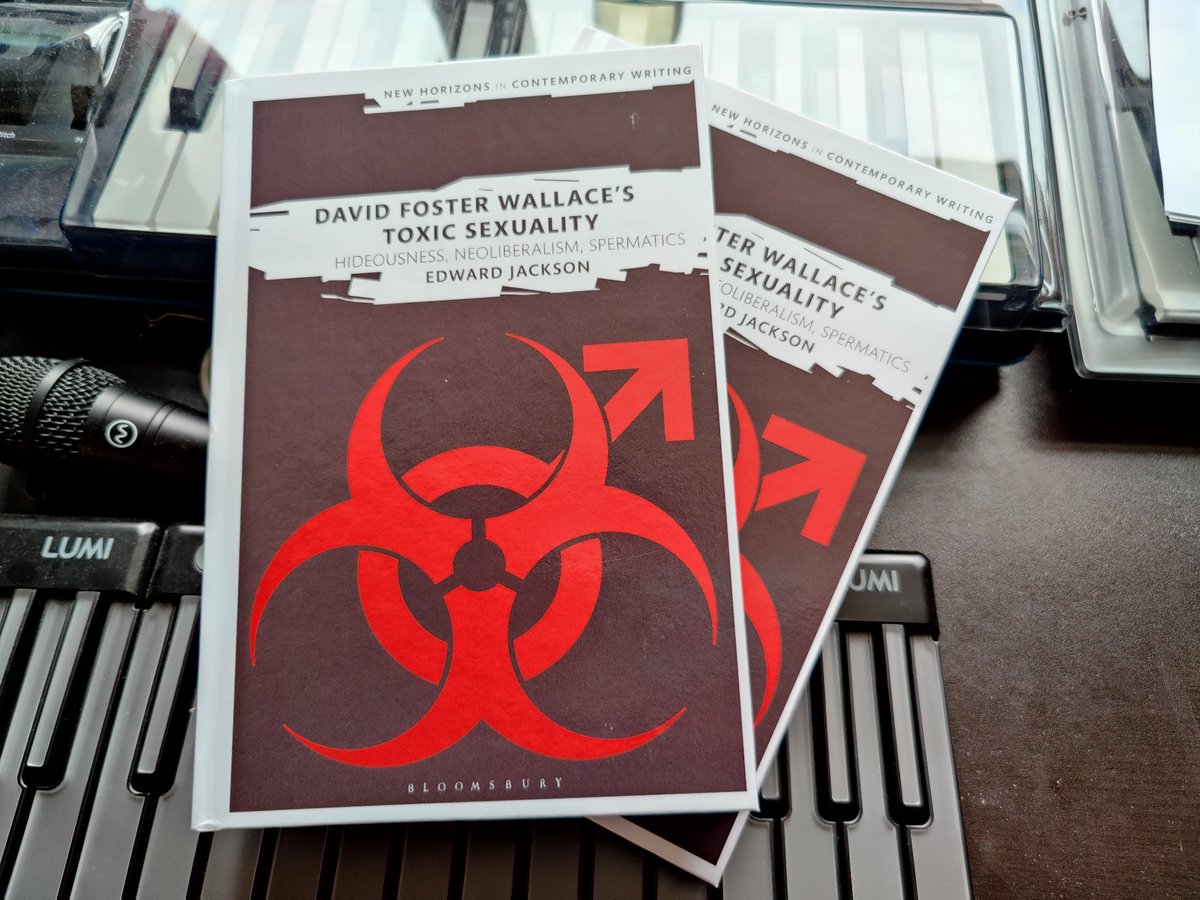
Also nice today! Ed Jackson's DAVID FOSTER WALLACE'S TOXIC SEXUALITY arrived. Another great book in the series.
Today I wrote the python client for the Thoth REST API for OA books, developed at @COPIMproject. Features dynamic object compilation from JSON response (but can dump raw JSON), versioned API interactions, full metadata query in ONIX/CSV, & test-drive CLI. https://github.com/dqprogramming/thoth-client
There's a bit of magic going on in there. Versions are handled by the thoth-<VER> modules with "http://endpoints.py" and "http://structures.py" reimplementing any version-breaking changes there (can even subclass a previous version if changes are incremental and small).
The version sub-classes dynamically assign available endpoints to the main REST client based on the version you have selected.
Ideally the CLI would also dynamically pull these through, but that's for another day :P
The other thing I'd really love to do would be to have a json file that specified endpoints etc and dynamically generated the python methods. But that's total overkill.


Just so our "health" secretary can understand why immunocompromised people remain "cowering", as he put it: death risk 5x higher among shielding group. And that's ALL of the shielding group, not just the most vulnerable immunocompromised.
https://www.bbc.com/news/uk-scotland-glasgow-west-57982227
We launched our "higher tier supporters" programme earlier this year in the UK. We've already had five takers. So we're going to be reopening for journal flipping, to convert some more subscription journals to not-for-profit, no-fee OA. Watch this space. https://t.co/NeW7aWNrl5
A new era for Birkbeck’s Bloomsbury campus
http://blogs.bbk.ac.uk/bbkcomments/2021/07/26/a-new-era-for-birkbecks-bloomsbury-campus/?fbclid=IwAR3wzFSSd42r2eUVGgpRAnVpDqfvGk3JVruM_EAIHd9BcwqNKWZZ2tDSNYc
Skye
Thanks to lads like this for raising money for this great charity https://x.com/DamoBird365/status/1419254733437554696
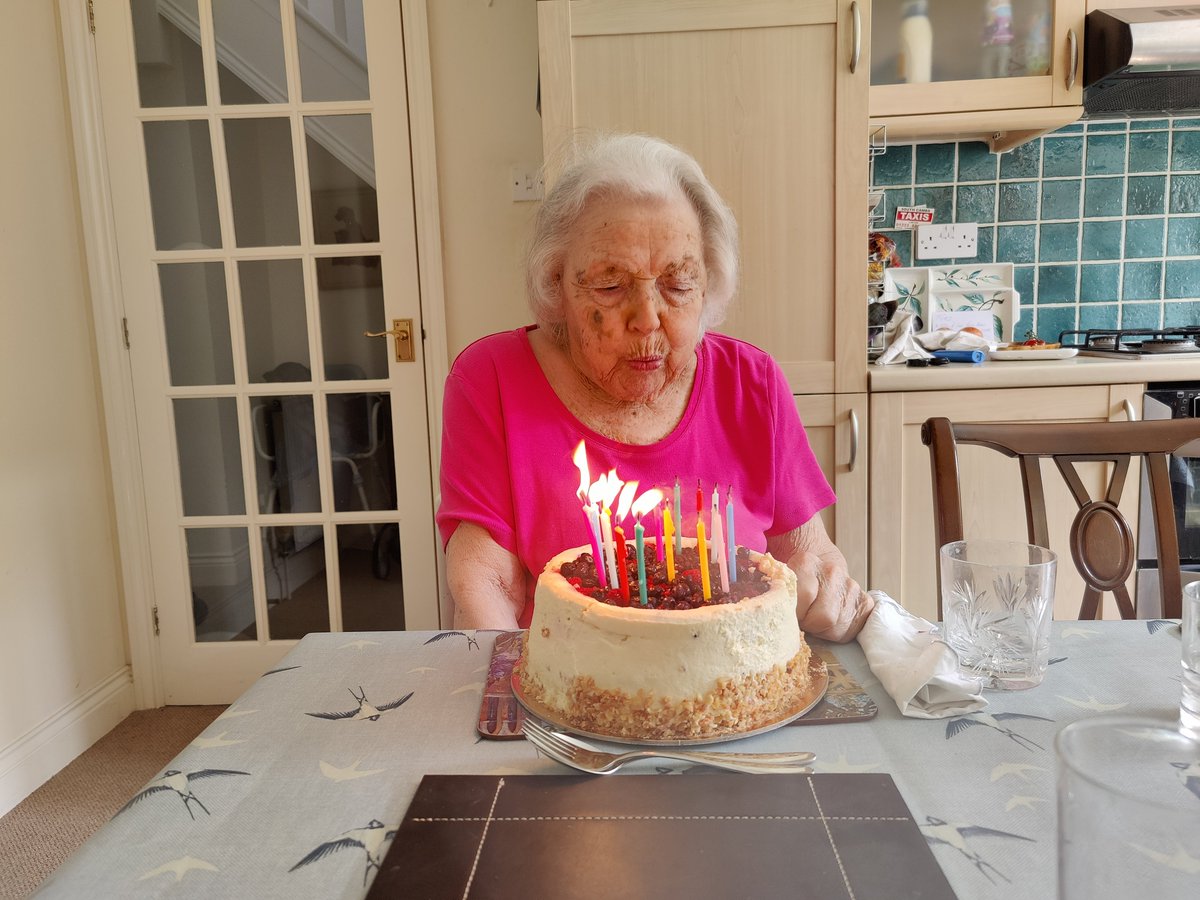
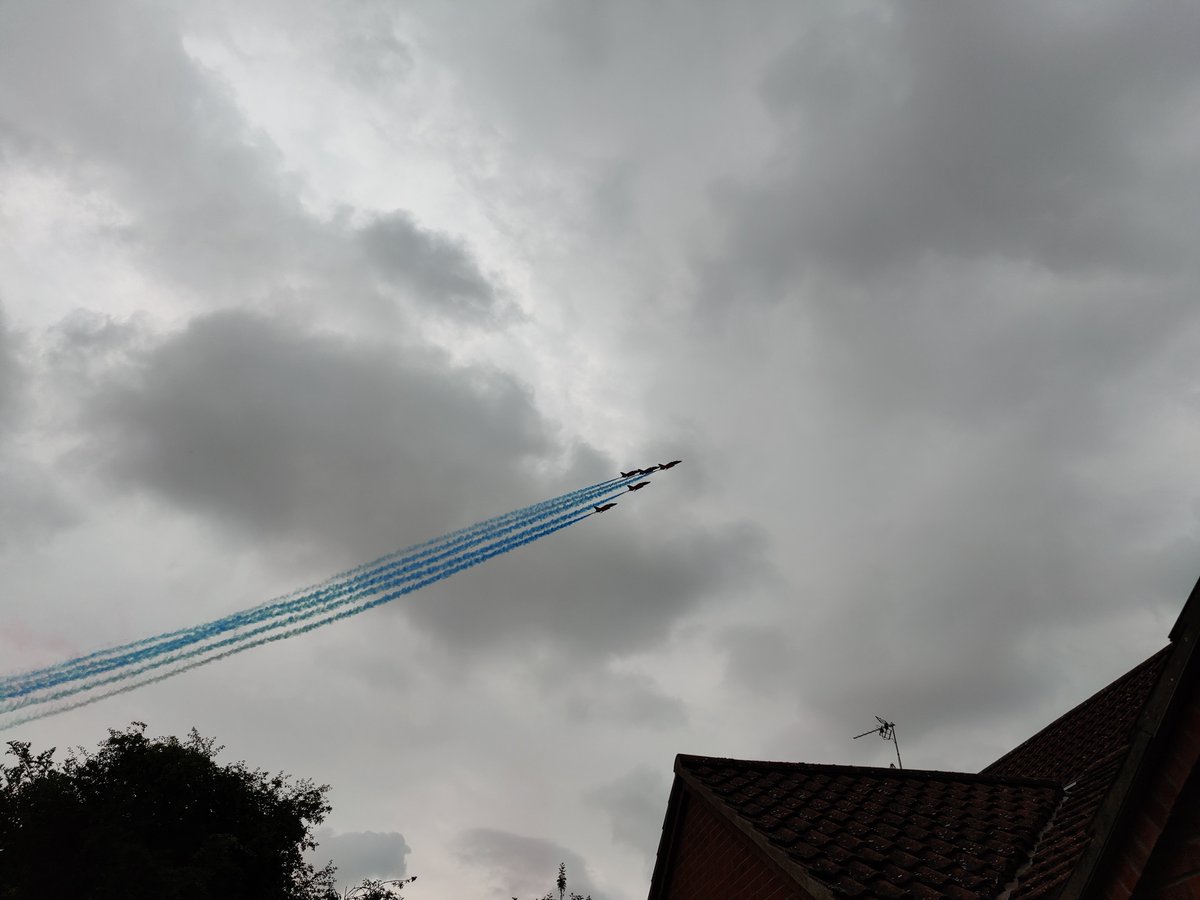
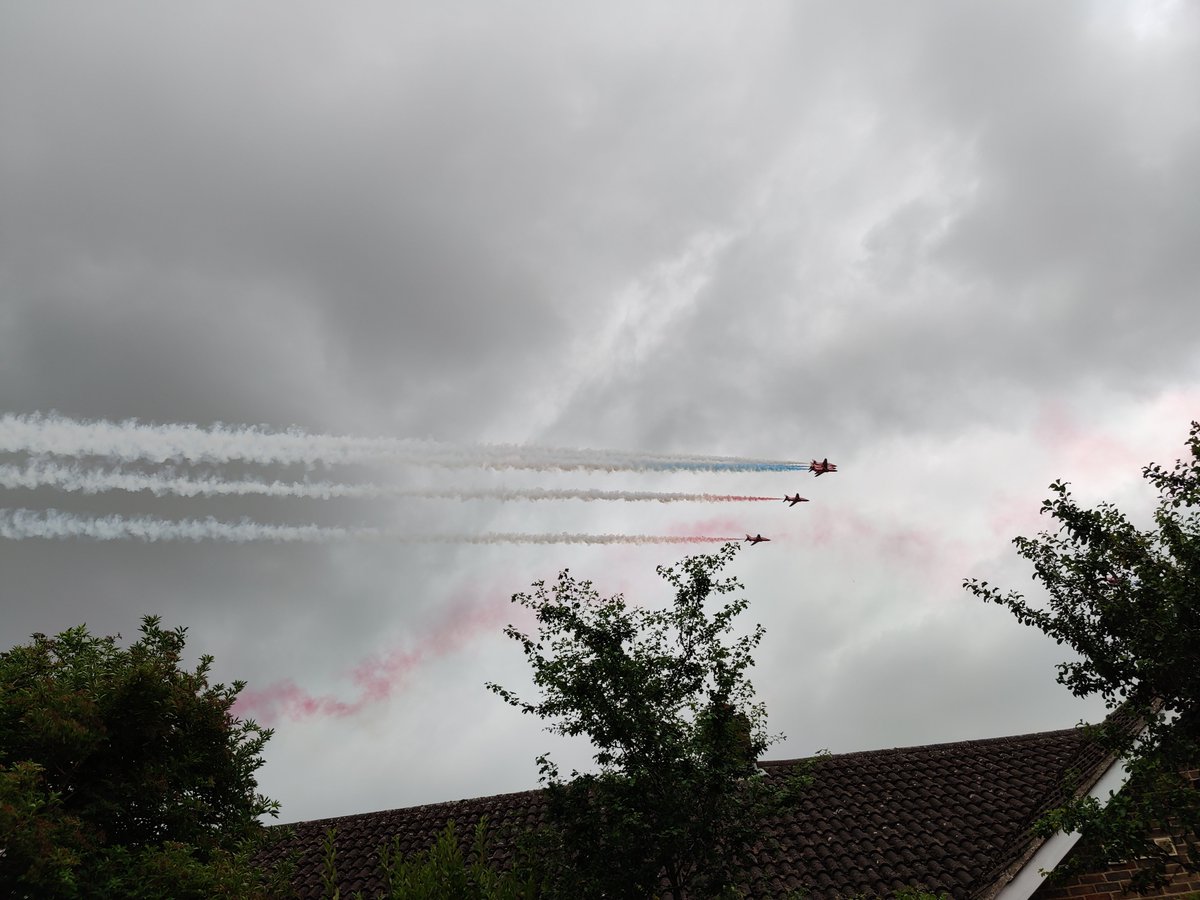
My Nan turned 100 today! Our whole family isolated for 10 days to meet safely. The Red Arrows did a flypast! (Not really for her, but we pretended!)
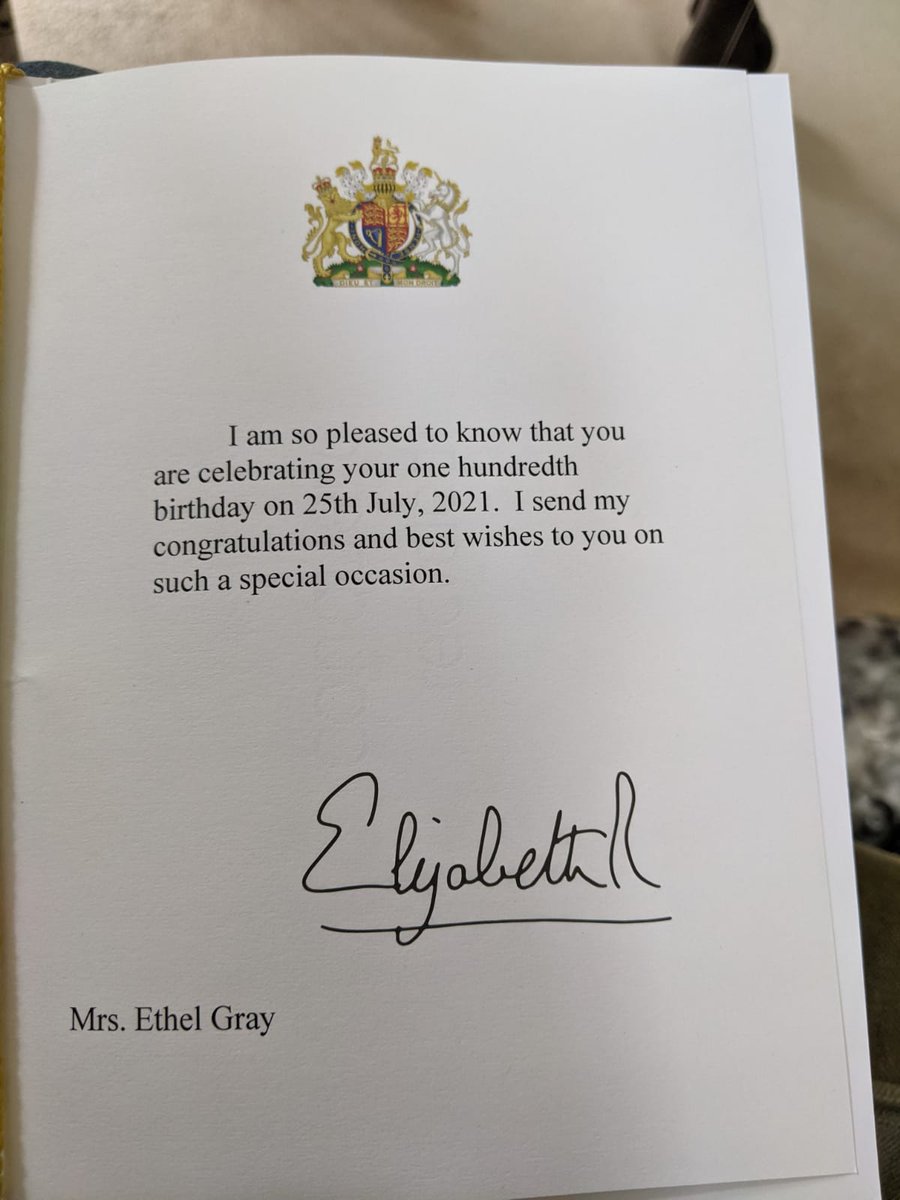
Toby's hoping for a telegram from the Royal Corgi when he's 17 in January
Right. On holiday for a week. Then on research leave until 2023. Eve, out.
Government disability strategy risks becoming a ‘car crash’, says Tory peer
Disabled people look on in shock. Total shock, I tell you. Really totally shocked that this government might not care. /sarcasm
https://www.theguardian.com/society/2021/jul/23/government-disability-strategy-risks-becoming-a-car-crash-says-tory-peer?CMP=Share_AndroidApp_Other
Really worth 10 mins of your time - a piece exploring my teenage obsession (the bouldering section is really superb) before I became too unwell to climb. https://x.com/hautepop/status/1418559988822335493
"the most serious impact of this UK outbreak will be on those who are, for whatever reason, unable to benefit from vaccination. This includes people who are immunocompromised" - Prof William Hanage, Harvard University
https://www.theguardian.com/commentisfree/2021/jul/22/england-covid-response-uk-us-delta
Yeah, I know.
See also
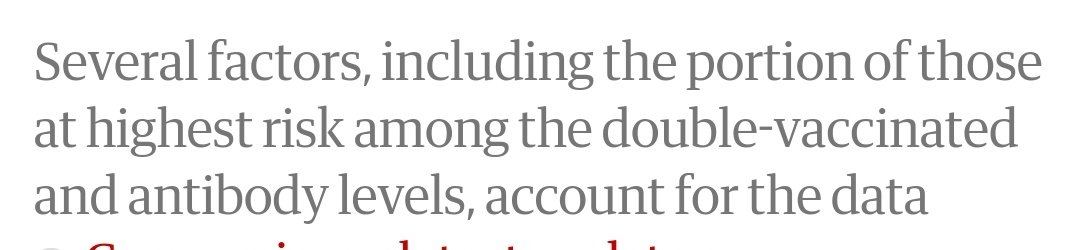
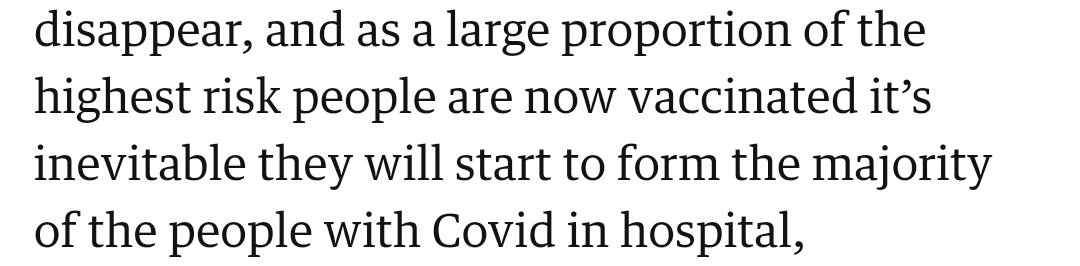
It's culture, you know?!
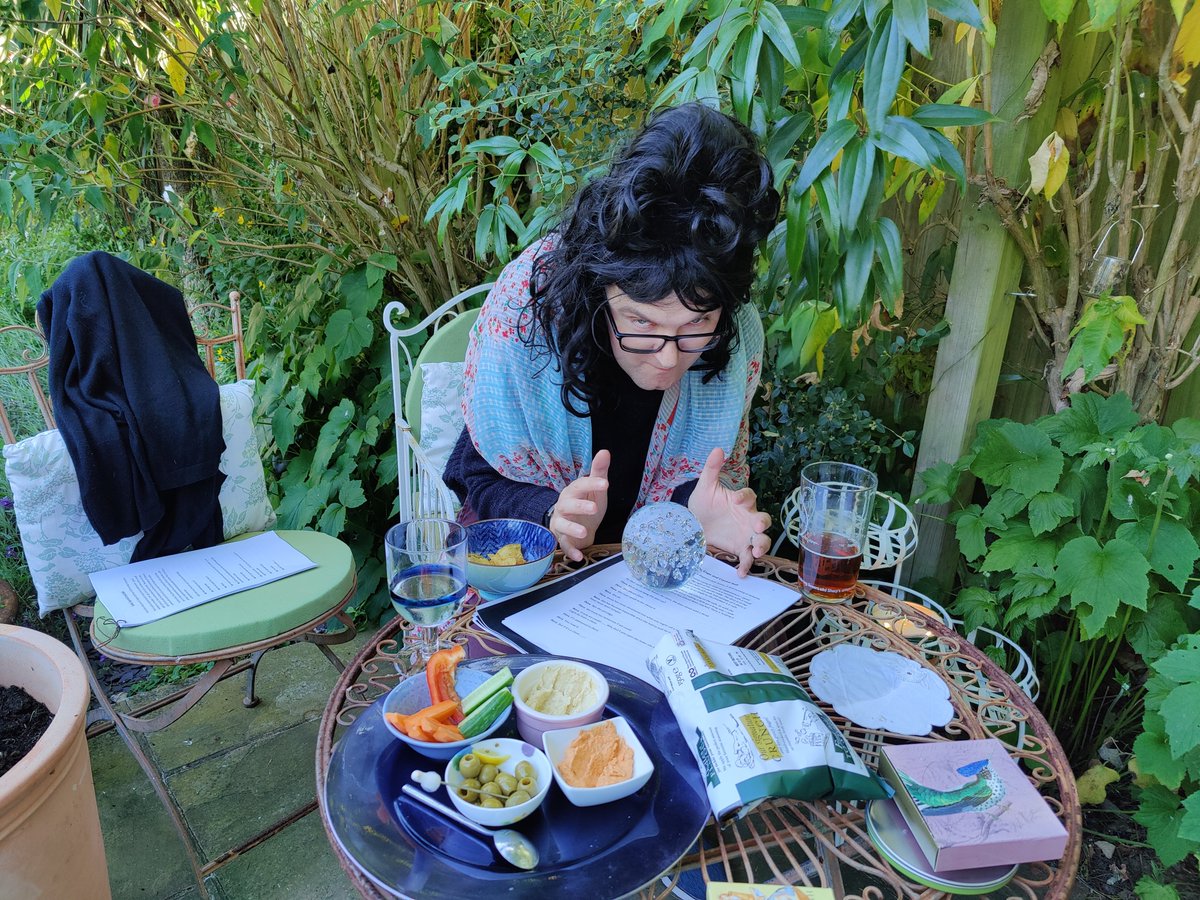
Some friends have isolated for 10 days + come to visit us in the garden. Socially distanced playreading now underway of David Campton's Cards, Cups, & Crystal Ball.
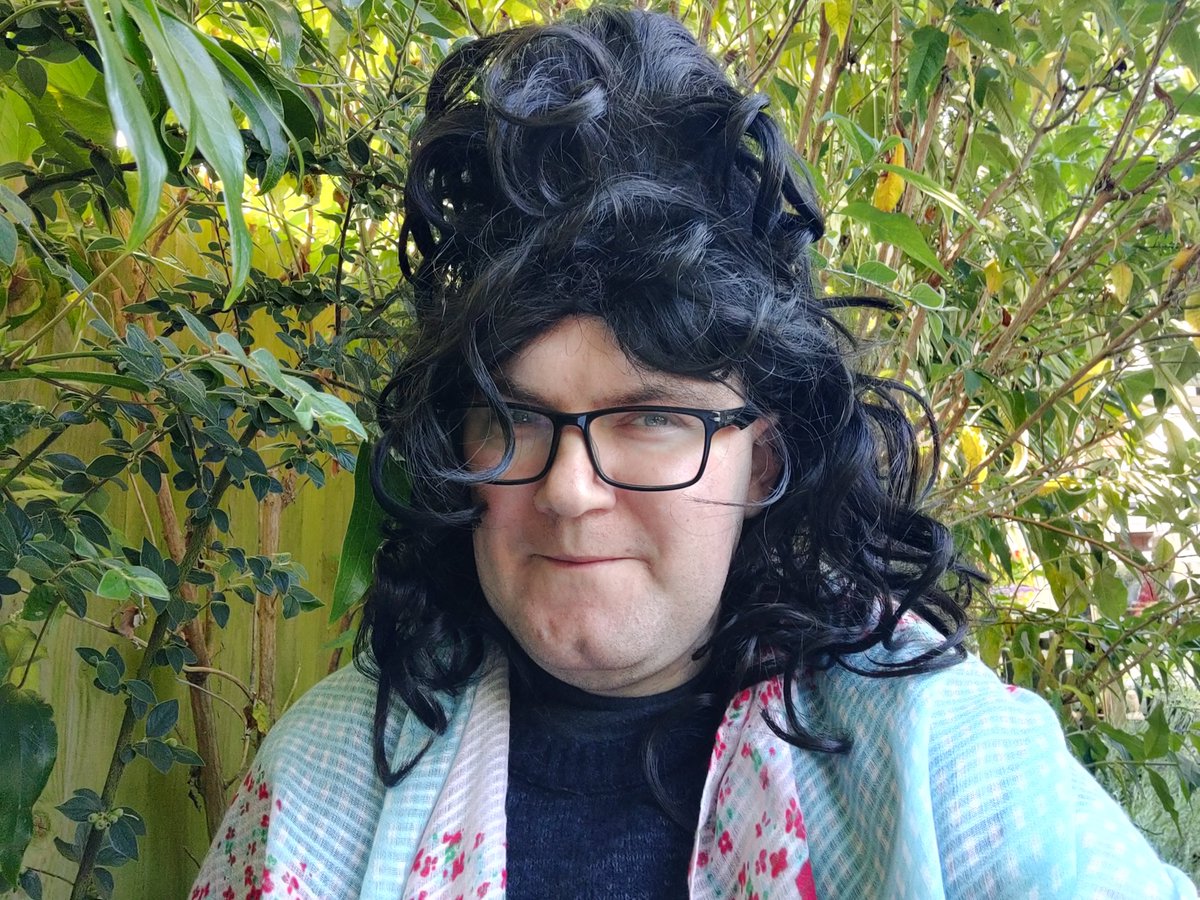
I make a very fetching clairvoyant & I've just foreseen a second pint in my near future!
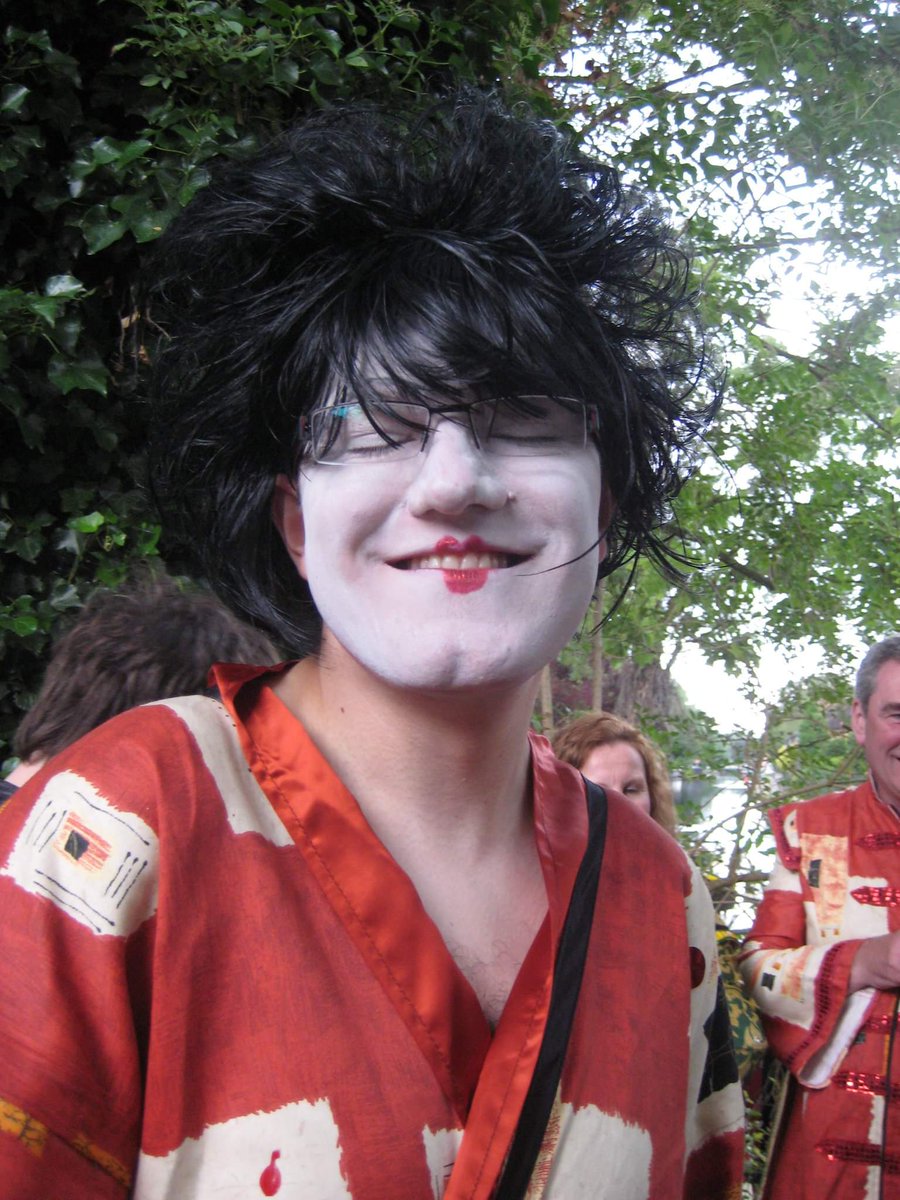
Perhaps still not quite the height of my drag career compared to this performance of "Three Little Maids" from a decade ago...
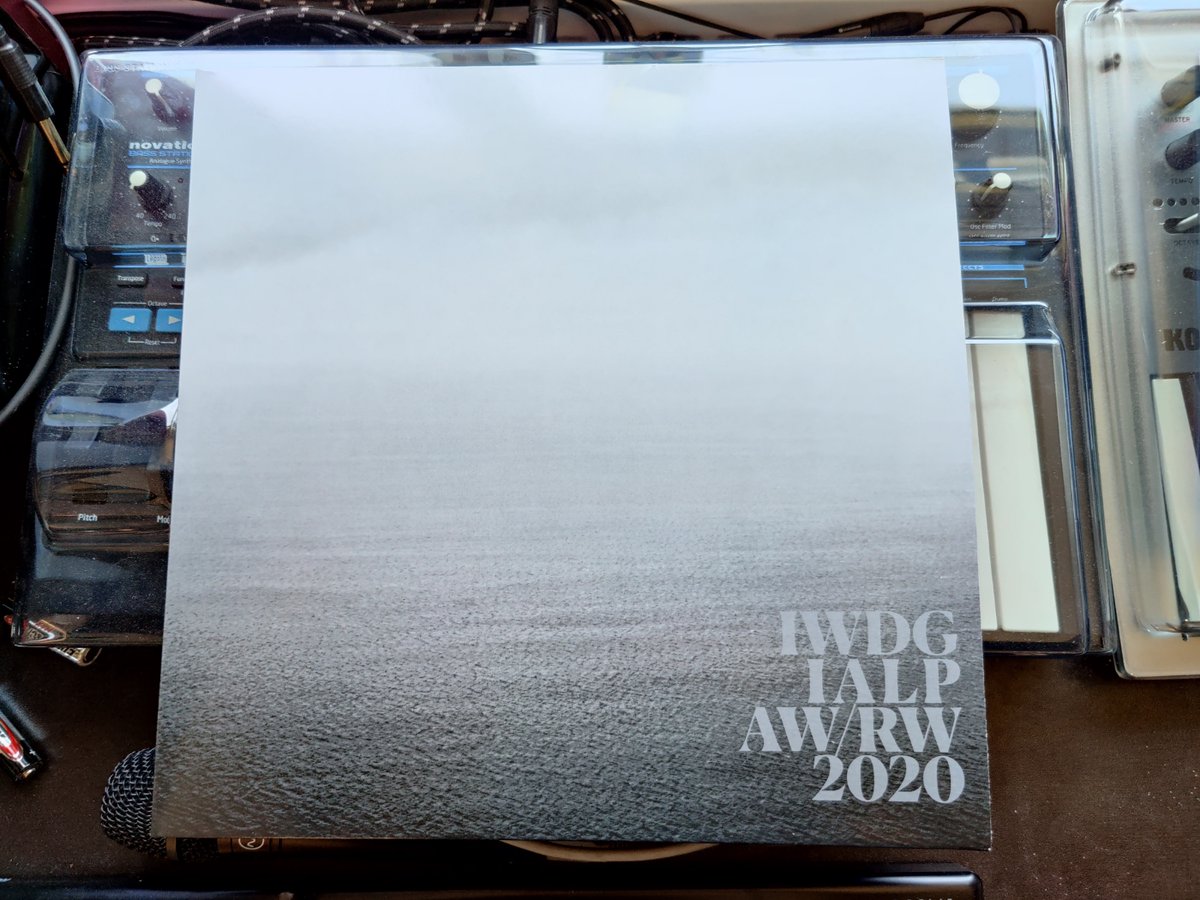
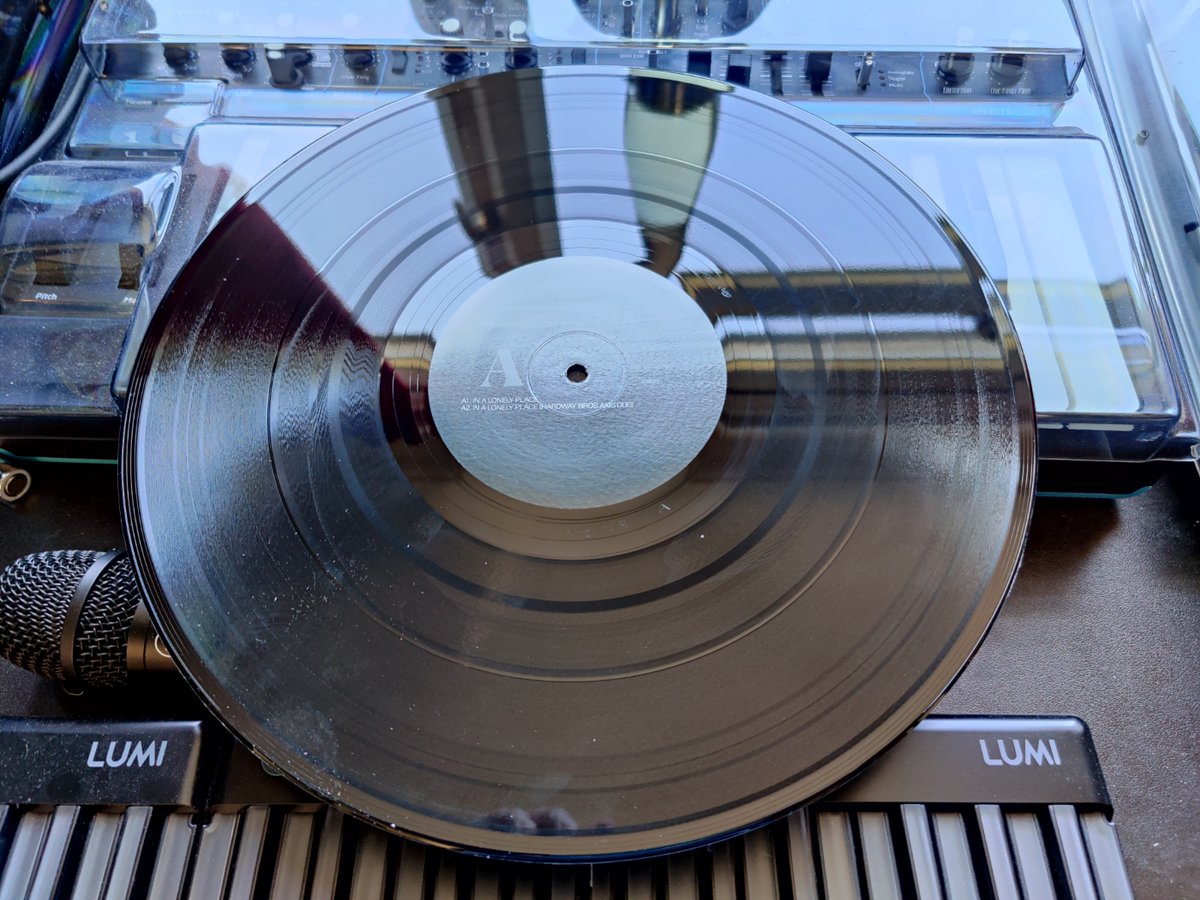
Postal goodies of the day #2. IALP (In a Lonely Place) by my friend and label boss, Duncan Gray. Made with Ian Weatherall, it's a tribute to Ian's brother, "The Guv'nor" of electronic music, Andrew Weatherall, who died last year.
The @HardwayBros Axis Dub mix is my favourite on the record. Superb.
An annual reminder to academics conducting research work this summer: backup your work. 3 locations, 2 media forms, 1 off-site. Should be *automatic* too.
Good article here explaining different strategies and why you might also want air-gapped. L
https://www.backblaze.com/blog/whats-the-diff-3-2-1-vs-3-2-1-1-0-vs-4-3-2/
If it isn't automatic ("I copy it to a USB stick") you will most likely lose something the "one time" you forget to do it.
One of the things I enjoy as a book series editor is being able to give space to single-author studies. There's a pernicious narrative that such studies are under-valued in our discipline. We are interested in these books as much as any other.
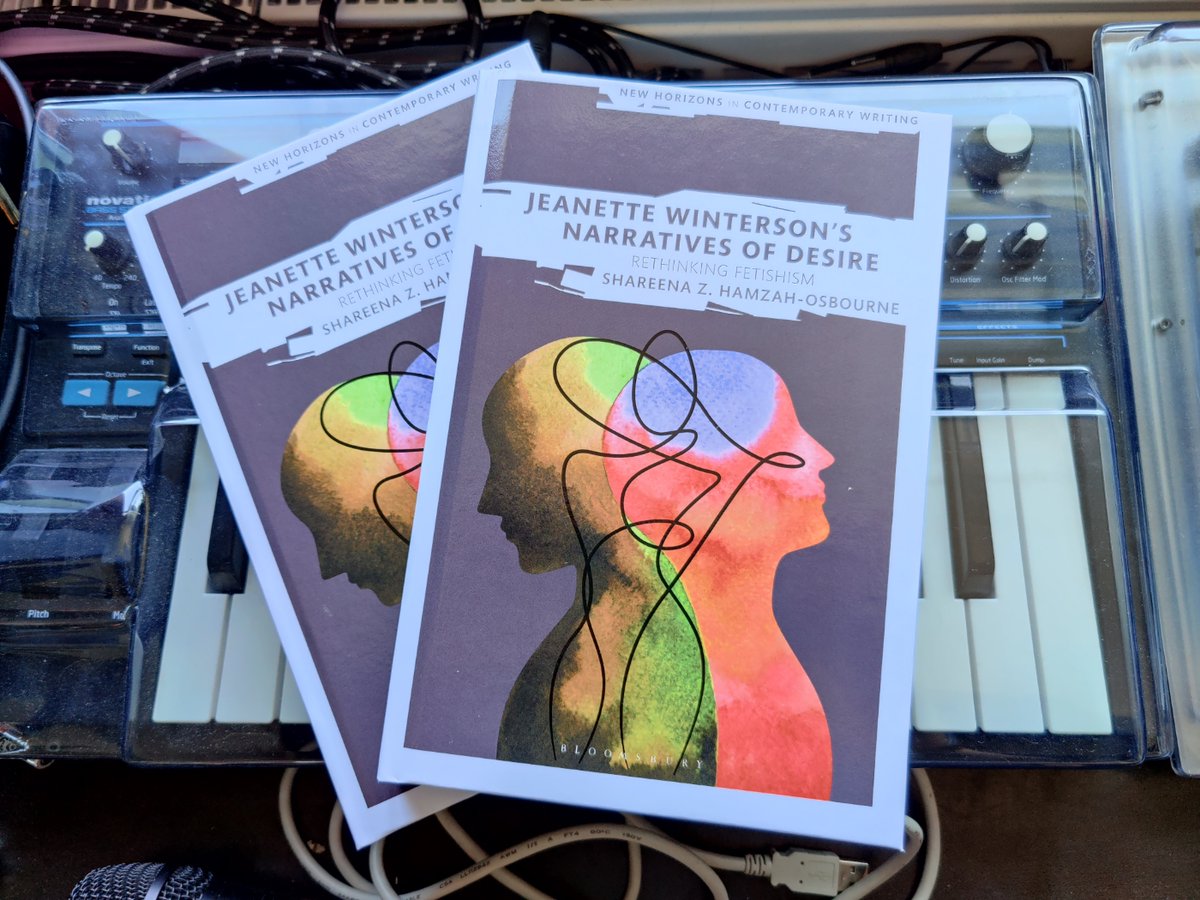
Today's postal goodies include a new book in our series, New Horizons in Contemporary Writing. It's @drSh_Osbourne's /Jeanette Winterson's Narratives of Desire: Rethinking Fetishism/. The book gives a novel twist on conventional ideas of fetishism in Winterson's writing.
QR funding allocations rolled over as Research England's budget isn't confirmed. Means flat-cash (real-terms decrease) for research funding. https://www.researchprofessional.com/0/rr/news/uk/research-councils/2021/7/Breaking--England-s-universities-face-flat-cash-autumn.html
This morning I begin revisions to an article that received "major revisions". I still find reading critical reviews painful! I tend to read them twice only. First for the gist and then to make an actionable list of changes. Then I do not look again.
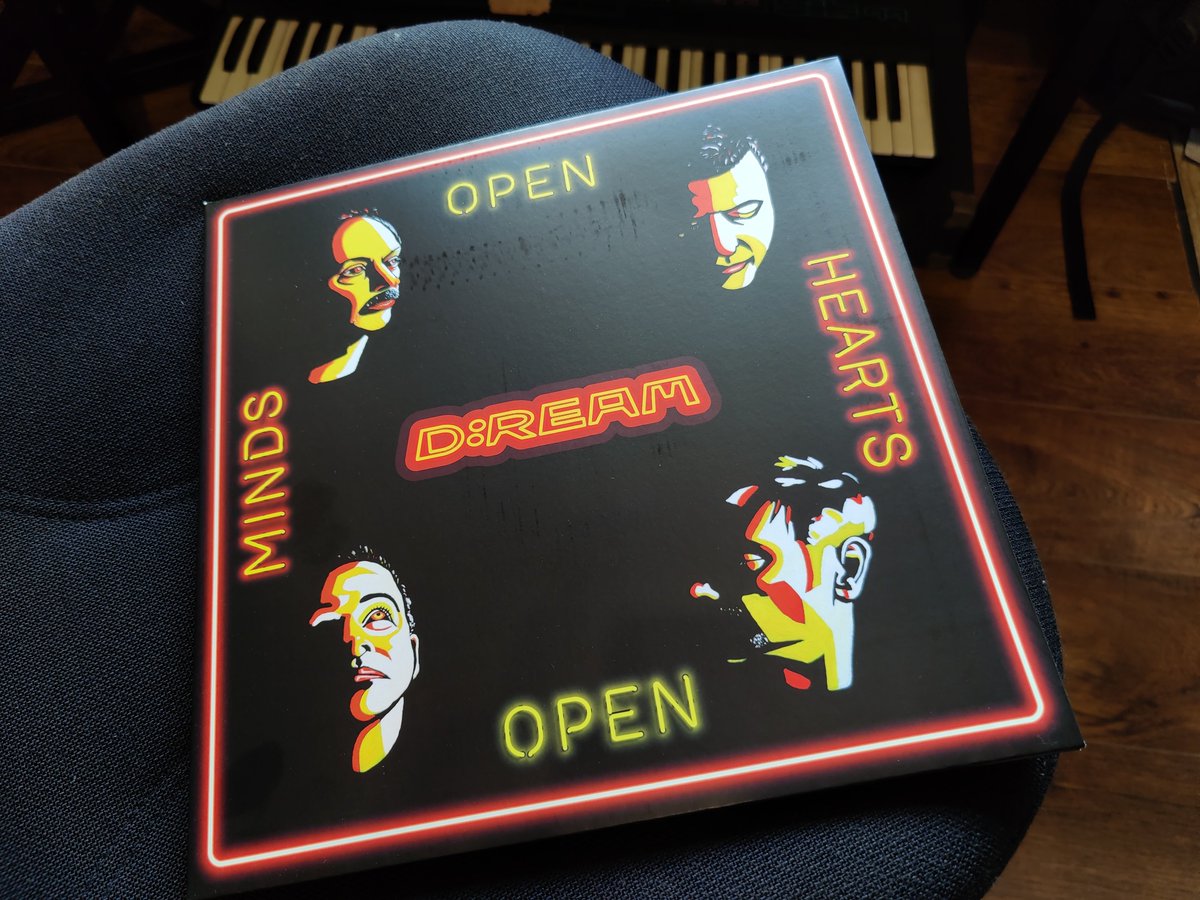
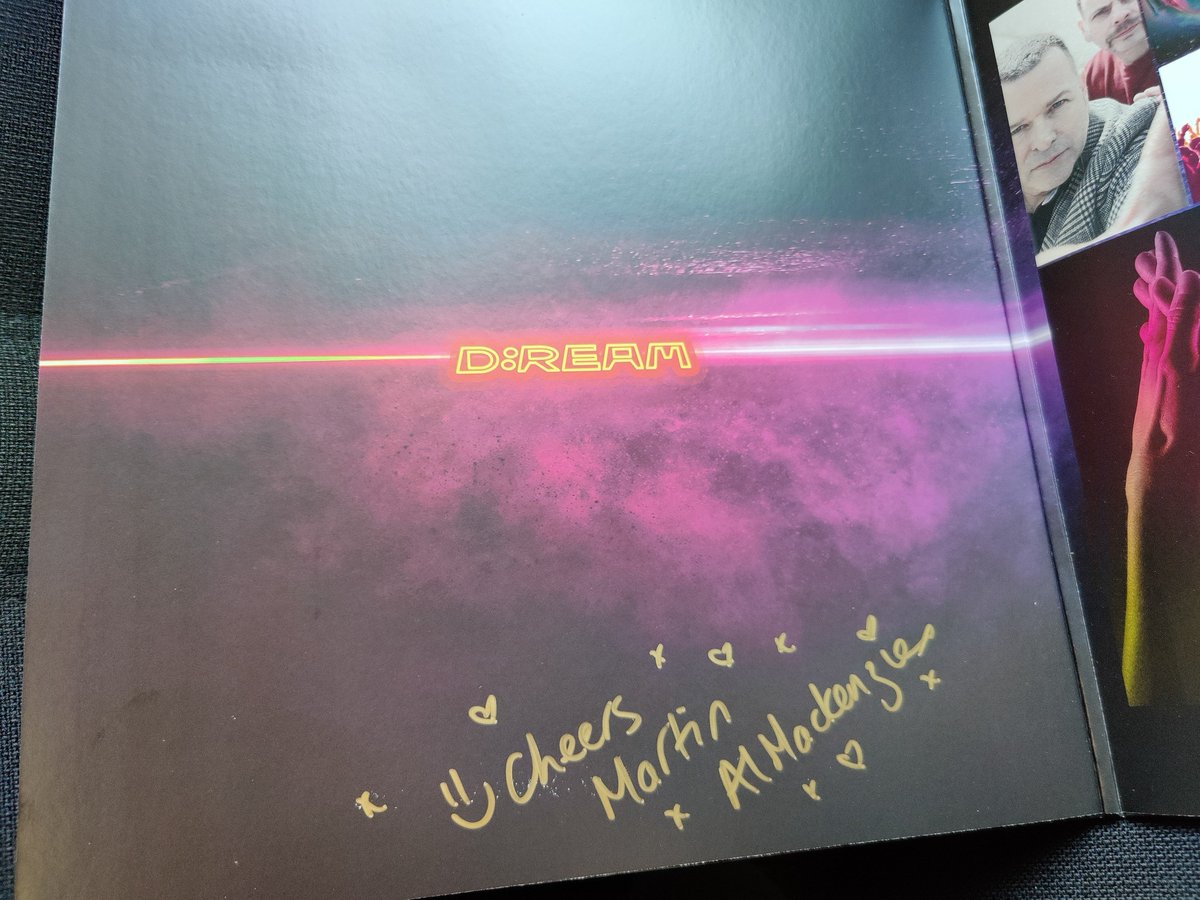
Something much poppier than my usual fare in the post today, but it's from Al Mackenzie, who remixed my last single, and who happens to be half of... D:Rream.
Things can only get...?
When such a variant reaches these shores, the arguments we're having will seem microscopically trivial. Until we address the vaccine crisis in the poorer nations, all steps we take within our own borders will be provisional, temporary and vulnerable
https://www.tortoisemedia.com/2021/07/19/freedom-day-not-free-from-covid-thats-for-sure/
🤔


Why was the term "self" prepended, tautologously, to "isolate"?
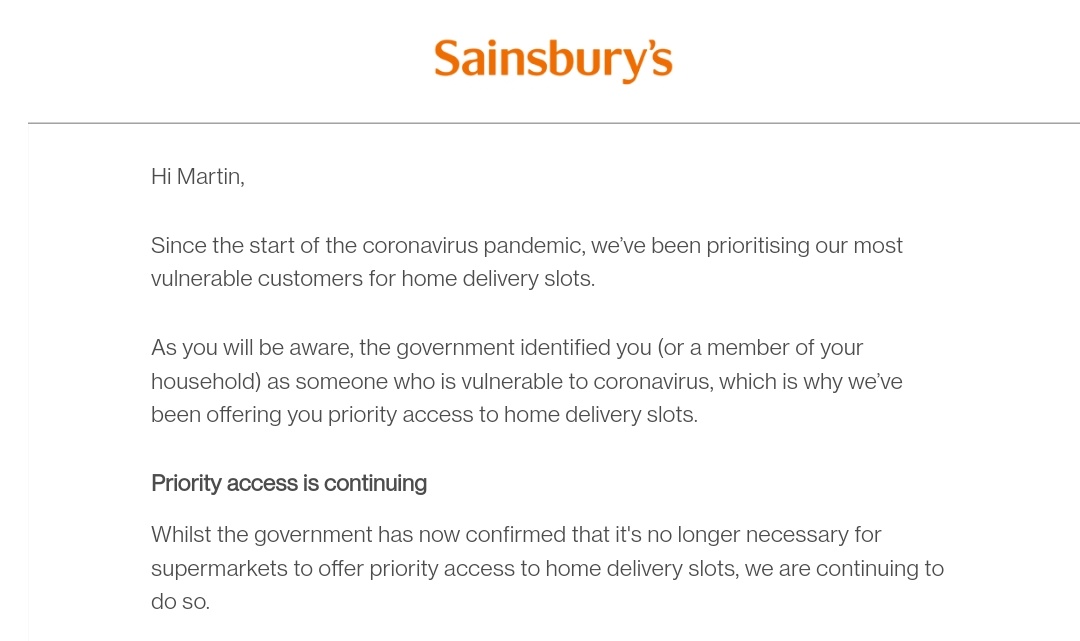
Sainsbury's consistently do more to keep me safe than the UK government
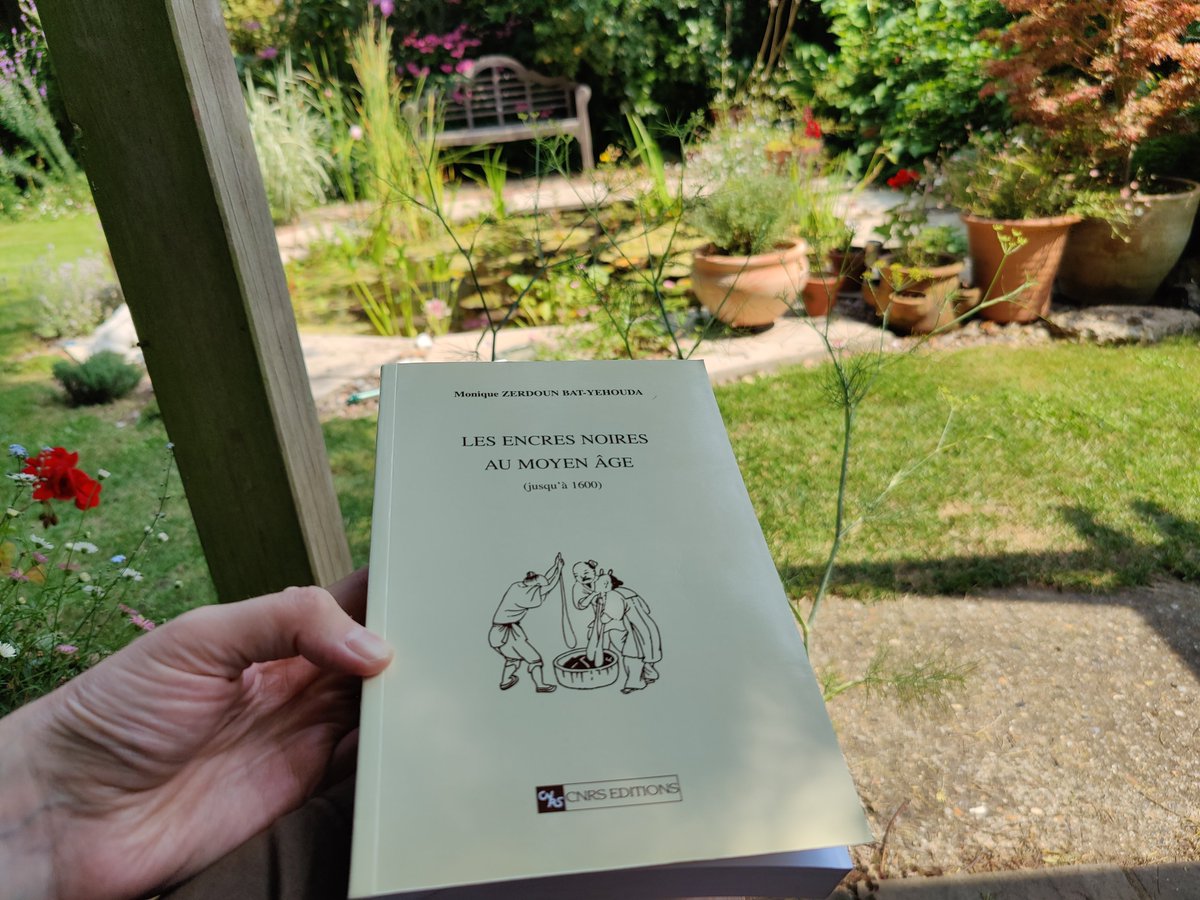
OK, I'm going in on LES ENCRES NOIRES AU MOYEN ÂGE. Expect niche tweets about black ink history from the Francosphere.
Pp 3-4: claims that previous studies have been limited to describing colour, shades and broad properties. Wants to add scientific principles that will help to date and localise specific inks. But also to find methods for restoration projects.
Focuses on Hebrew manuscripts, which is useful for worldwide circulation due to diasporic dispersion
Lots of throat clearing until p 6. Notes that the laboratory analysis has been omitted from this book as the tone would have been so out of kilter with the rest.
Instead, book is split into part 1, a history of black ink, part 2, a collection of recipes for manufacturing various categories of ink (eg carbon, metallogallic), and part 3, an index of the ancient authors studied
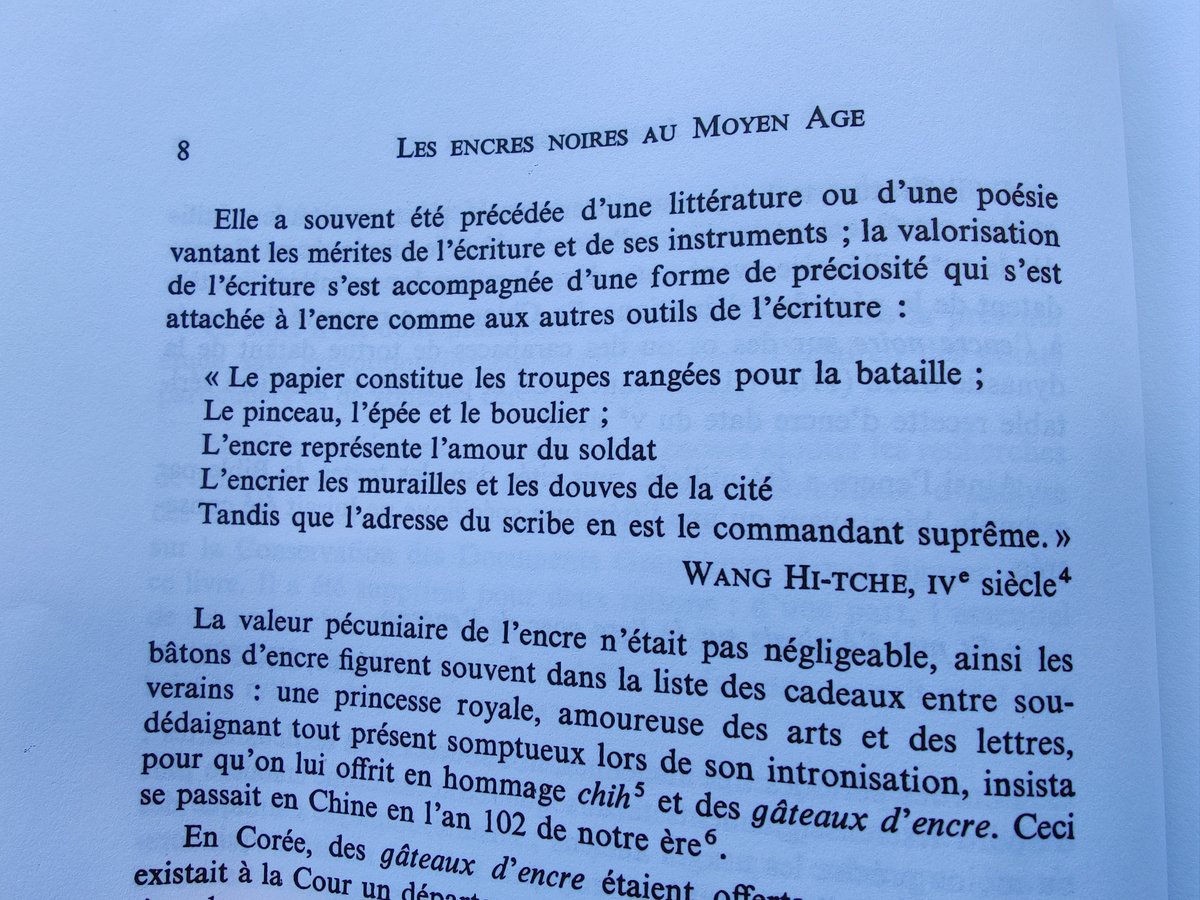
A curious quotation from Wang Xizhi here, in which the metaphor is of paper constituting the troops liked up for battle, the brush is a sword and shield, and ink is the love of a soldier...
An interesting point here also that inks were sometimes expensive, and therefore historically formed gifts
There's a 10th century poem by a Buddhist monk called "thank you for ink" 😁
J Swift also, of course, wrote a poem On Ink
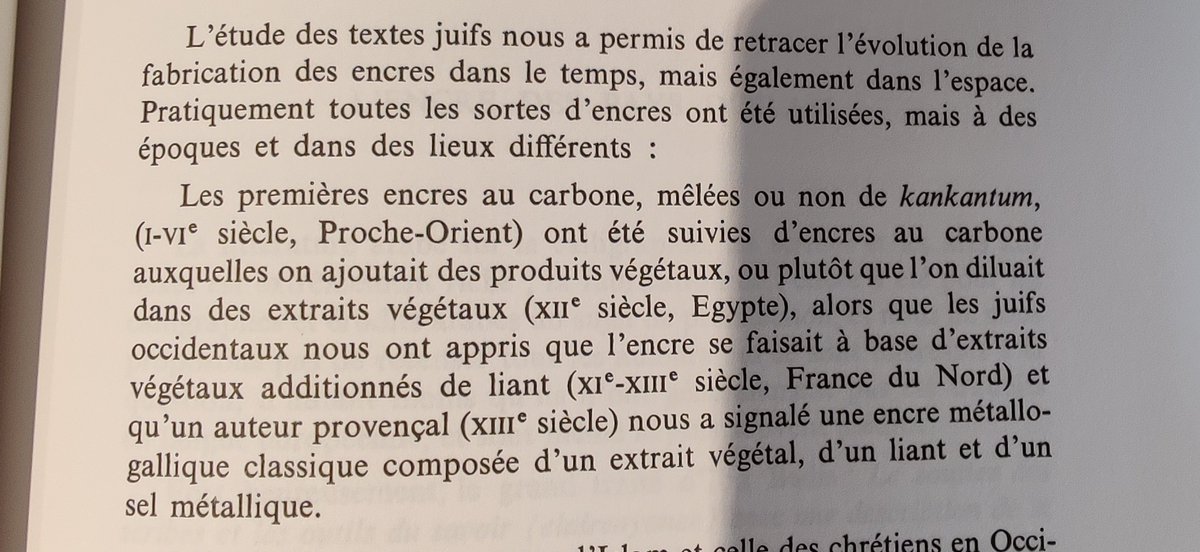
Breaks down inks into carbon and metallogallics, but says this doesn't capture richness of reality, with mixed inks and incomplete inks being added - p 14
There's a repetition, on p 15, of the well-known fact that ancient writing inks weren't different from many painting pigments. Think Tsien also makes this point.
Carbon inks have many good properties. Chemically unreactive, nontoxic. However, they often do not penetrate the substrate that well. P 15
The metallogallic inks are vegetable extracts in the tannin class. Uses this term here instead of ferro-gallique - p 17
There's a lengthy description, on p 18, of why it's wrong to think that blue inks come from copper sulphate and green inks exclusively from iron sulphate
Mixed inks, in this text, refers to carbon inks combined with tannins - p 20
P 23 is on to etymologies of ink. There's the familiar reference to the Chinese character "mo" here, which this text claims has connotations of blackness. I need to learn more about this, but, as before, other sources claim that the earliest use was re tattooing for punishment.
Claims that in India, oldest reference is masi or mashi, which refers to crushedness. There's a Hebrew etymology that I can't reproduce easily also given here and have no idea re its accuracy
In Arabic, it's here claimed, the oldest terms are midad and hibr. Apparently originally distinguished between carbon inks and other types but distinction now lost. Again - I haven't yet verified any of these etymological claims. Just relaying what's here.
Ancient Greek and we have melan - (μέλαν, black), melan ho graphomen (black with which we write), and graphikon melan (black for writing).
The Latin encaustum, covered pp 24-5 is more complex. Comes from "to burn" - indicating carbon inks? - but other sources say that it was purple-red.
Quite a long discussion follows, based on Pliny, as to whether this term ever referred to writing ink, or whether it was just for painting
Says that the encaustum refers to a specific product, compared to the use by painters, and involving the use of fire. P 27
Claims the purple red definition came later on p 28.
Anyway, we eventually get to ink via incaustum and then lots of old French and German convolution etc etc - p 29
There's then a long section on the etymology of atramentum, which is, of course, of particular interest to this study of black ink pp 30-2
Importantly, I've had to take a break to eat some crumpets.
P 33 starts a section on tincta as a root for Spanish and German forms of ink
P 34 notes the distinction between encre and arrement in a 14th c manuscript, saying that the latter is a component of the former - speculating that it's a sulphate
Phew. And p 37 draws the etymology section to a close, noting that attempts to draw a parallel between incaustum and corrosive burning, in particular, seem unlikely.
P 41 confirms what others say: all the oldest inks known to us - from Egypt and China - are carbon based. My note: is this because it's all that was used, or all that survived?
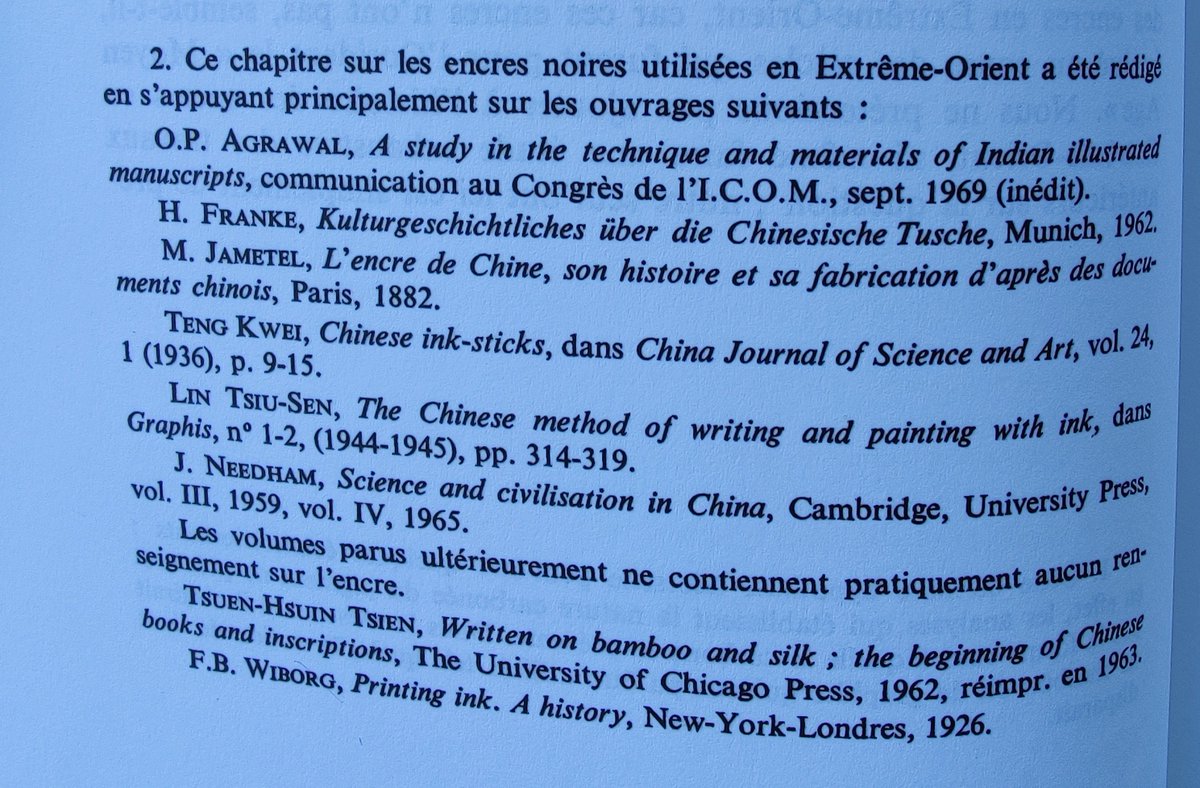
P 43 commences a literature review on ancient inkmaking, consulting these texts. Not a bad selection and tallies with my own reading.
P 44 has the by-now obligatory note that origin stories of the lone hero who invented ink don't cut it anymore and it is seen as a collaborative invention to which many people contributed
Pp45-7 gives the history of lacquer, mostly via Tsien (who remains my favourite author on all this stuff)
47-8 details the emergence and documentation of "stone ink". The best thing about this? Apparently nobody has any idea what it is, for certain.
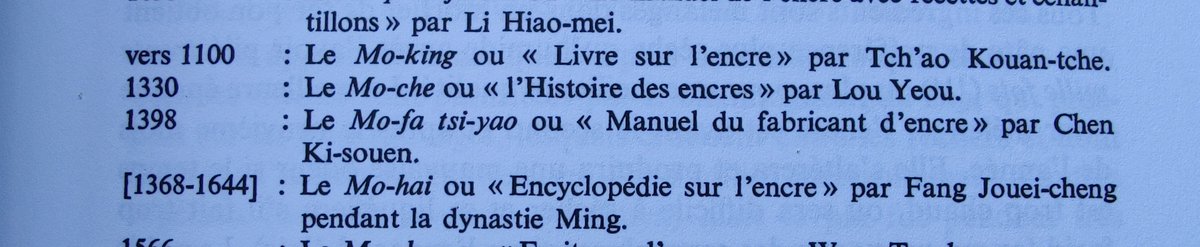
Ooh. P 51 has a really great timeline of ancient tracts on ink. Not posting the whole thing because this text is in copyright, but a flavour shown. Actually extremely useful.
P 52 has the oldest known Chinese recipe for ink. Of course, it's a carbon ink, with soot for pigment, and binder.
P 53 details the Mo-king, which is a 12th century work that talks "in great detail" of producing soot from pines - and tells you which pines are best (the ones whose roots have been parasitized by the fou-ling fungus [great name but think it's normally "fu-ling"])
P 55 the Mo-fa tsi yao from 1398 shows how, by this point, oil had displaced pine resins for soot production
P 56 gives more detail on this - which sounds like a very complicated process involving evaporators, wicks, lamps
P 57 notes that early texts like the Mo-p'ou fa-che (1095) stress the importance of the binding agent for the quality of the ink. Bad binder = unusable ink.
P 58 is a vegan horrorshow that details the various animals from which ink glues were derived
P 59 is about all the different additives - mostly vegetable - that went into early inks
Pp 60-1 are about how you get from the solid ink block to a usable liquid
P 64 is about Korean inkmaking. It's very brief and basically says "mostly like China but improved because they used better wood"
I am sorry to criticise this book, but it is quite uneven. 21 pages on China and then half a page on Korea, 1 page on Japan, 4 pages on India.
P 67 has some interesting observations on Indian religious culture affecting the materials that could be used for inkmaking (see above remark re nonvegan)
OK, I'm stopping today's tweeting in pedantic detail about incredibly niche French-language research into early inkmaking as I can only read so much of a second language in one go. And Toby wants a walk. I know everyone's on tenterhooks (😏) but I'll resume tomorrow
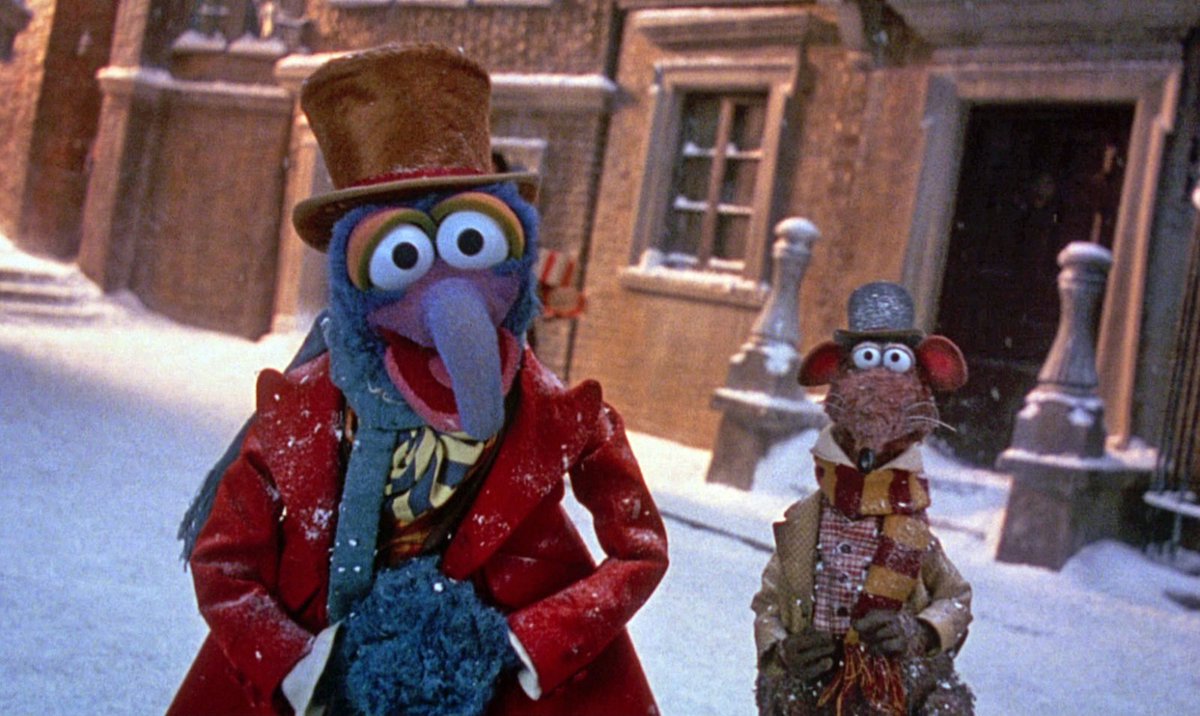
"Hi guys, we're back!"
"We told you we would be!"
P 71 - black ink in ancient Egypt has a longer history than in China, apparently. Unclear on the sourcing re this.
Carbon inks, of course
Apparently many problems with understanding early Egyptian black inks as it's all reverse chemical composition analysis p 72
P 75 notes the erasibility of carbon inks, using a wet cloth. Provided the ink wasn't dried.
P 76 - we don't know much about inks in ancient Egypt. Hmm. I think we know more than this chapter made out.
P77 kicks of the Greco-Roman world of black inks
Long Latin quotation from Vitruvius's De architectura on proportion of mixes used to create different colours p 78
Two methods for making black. Soot or calcination products. P 79
Two recipes from Dioscoride follow on pp 80-1
There's apparently a claimed medical benefit in healing cuts and burns from one of these ink recipes. P 81
P83 gives recipes by Polygnote and Micon - which is similar to Vitruvius's.
Pp 84-5 are all about erasing early carbon inks with a sponge
Pp 86-7 also about forms of erasure in Greco-Roman ink contexts
P 88 - this erasibility seems to be an important distinction from the more permanent Chinese carbon inks
P 89 - some reasons: Chinese sought finer black inks and the finer the grain, the deeper it sank into substrate; a different binder; and the different nature of substrates (bamboo etc)
The ancients also knew, p 90 claims, of Cuttlefish ink - say in the writings of Persius (Satires, III) where he refers to "Nigra set infusa uanescit sepia lympha" (but the blackness of the ink vanishes into the water [I think - I'm not very good at Latin])
P 91 seems to have a quotation from Anaxilas ("d'Anaxilaos") that makes reference to the strength of squid ink
P 91 is now moving to "metal salt" inks
P 92 details copper sulphate - it blue vitriol inks
Pp 93-4 details supposed magical processes for ink making
Pp 95-6 closes on questions of how a reddish-brown ink appears at this time and what it might have been made of
P 96 concludes it's likely a vegetable ink
That chapter was a very long way of saying that some Greco-Roman inks could be erased
P 97 turns to liturgical inks in Judaic traditions
Strict criteria for the preparation of inks used to write holy texts
The only biblical verse mentioning ink is Jeremiah XXXVI, 18. P 99
Apparently ink differs according to the use to which it was set. Writing the Torah vs scripture on doors vs divorce letters (get) p 100
Pp102-3 covers the use of olive oil in the inks for "get"
Crucial property of this ink is durability p 105
Continuation of debate on the nature of Mishnaic inks, including kankantum through to p 109
Still going on this at p116
P117 is about the use of plant inks in certain Western manuscripts due to reddy brown colour
P119 is on the difficulties of recreating original solid Talmudic inks when only liquid inks were later available
P121 summary
P123 is on to inks in Islamic countries
Up to p128 is covering the great variety of ink recipes and the apparent nonspecialisation of their creation
Lots of recipes up to p133
P140 - another unremarkable conclusion. All inks previously detailed were known to Islamic cultures.
Sadly, quite a few of this book's conclusions are of this not-very-exciting nature
P 145 is on to Europe in the IV and XVII centuries. Mentions how disappointing it is that known treatises are so quiet on ink until relatively late
P 144-5 first text in this context to give an ink recipe is by Cetius Faventinus
P150 carbon ink recipes rare in Western texts
Pp156-8 is text and translation of Encausto


As I begin my period of research work, I'm reading colleagues at @birkbeck_ETC in between. Today, at lunch, I turned to @drbel on William Harvey’s De conceptione and non-conception. There's a parrot in it used to explore ideas of love! 🦜🦜🦜 https://www.tandfonline.com/doi/full/10.1080/0950236X.2019.1648100
I only just realised that @tracey_thorn of @ebtg went to @birkbeck_ETC at @BirkbeckUoL!
PhD proposals always welcome and we'd love to hear your ideas if you did want to come back 😁
https://www.newstatesman.com/politics/uk/2018/11/i-want-go-back-university-i-mean-pack-my-bags-and-go-and-live-campus-other-kids
And... copyedits now complete and submitted. Phew!
I have about a hundred pictures like this, but I love them all.
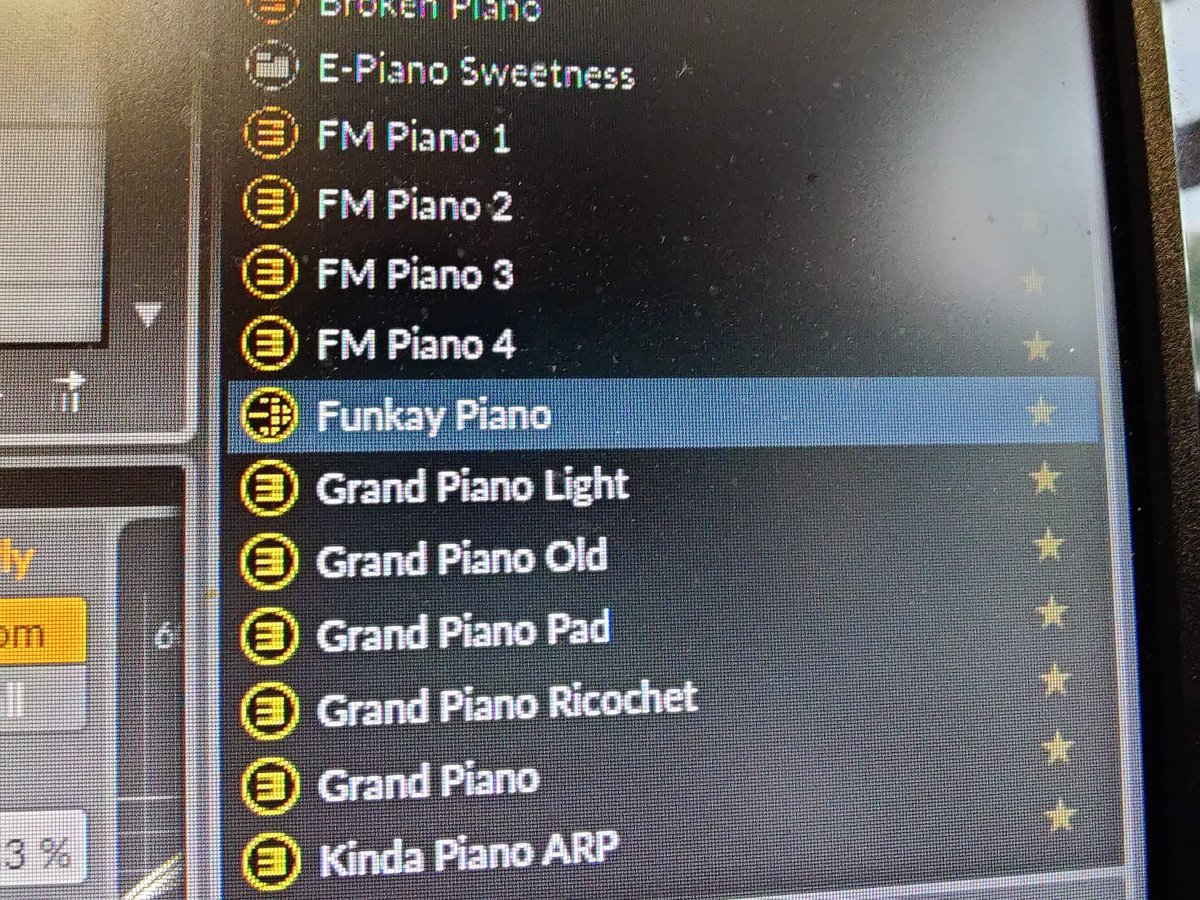
Added "funkay piano"
Universities must, in my view, commit now, as a matter of ethics, to a holistic view of education that encompasses a broad disciplinary purview open to all for study, in the face of financial threat. https://x.com/ucu/status/1417565005562662914
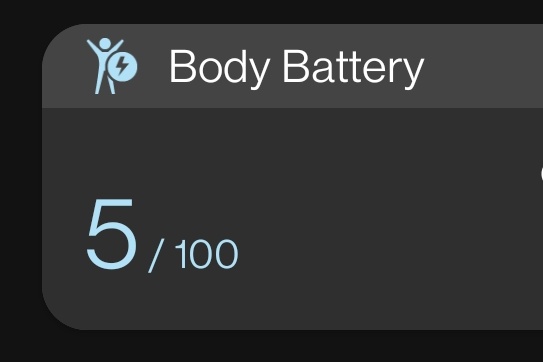
I know others have mixed results, but for me the biometrics on Garmin devices are spot on. Me: "I feel absolutely shattered". Garmin:
Derrida’s Macintosh - on deconstruction and computers http://cultureandcommunication.org/galloway/derridas-macintosh
This is what we do at Birkbeck - giving people from all walks of life the opportunity to study. It's why I'm proud to work at @birkbeck_ETC https://x.com/BirkbeckUoL/status/1192810773812273152
A nice thing this week is that my grandmother will turn 100! My whole family has been isolating for 10 days so that we can safely gather for the day itself. Amazing in many ways. She was born before antibiotics existed in the wake of the 1918-1920 flu pandemic.
Microsoft Quietly Released Its Own Linux Distro
https://www.tomshardware.com/news/microsoft-released-cbl-mariner-linux-distro
Anyway, here's some cheery summer music
https://gregwilson-feat-thereynolds.bandcamp.com/track/summer-came-my-way-luxxury-club-mix
The government's economic "strategy" with the virus of delegating responsibility is terrible for all experiential industries (say: hospitality). The rhetoric of personal responsibility means that customer bases have been polarised along a spectrum.
At one end sit the vulnerable, who cannot participate and are at risk despite having been vaccinated. There's also those who wish to remain cautious and so won't participate in risky environments.
At the other end there are a whole bunch of people who are relatively robust (or at least, think they are), who are vaccinated, and fed up of the limited life to which we have been consigned by the pandemic. This group don’t want to participate if the experience is to be limited.
That causes all sorts of cashflow problems for these industries. There’s a whole group in the middle who will be happy with some masking etc. of course. But catering to just one group or the other likely to cause problems for these businesses.
Yeah, but they're way better than cars.
World’s feral pigs produce as much CO2 as 1.1m cars each year, study finds
https://www.theguardian.com/environment/2021/jul/19/worlds-feral-pigs-produce-as-much-co2-as-11m-cars-each-year-study-finds?CMP=Share_AndroidApp_Other
Thankful for Birkbeck just now: "We will continue to make provisions for staff who are clinically vulnerable and we want to encourage all staff to take both vaccinations for the safety of themselves and others."
This kind of communication means a lot to vulnerable staff.
Big News from the Big10! 15 very large US universities have decided en bloc to support @openlibhums financially. Hard to articulate just how valuable this support is to us. More on our exciting future plans in the near future! https://www.openlibhums.org/news/459/
OPERAS-P and OASPA’s workshops for publishers on innovative business models for books https://oapen.hypotheses.org/197
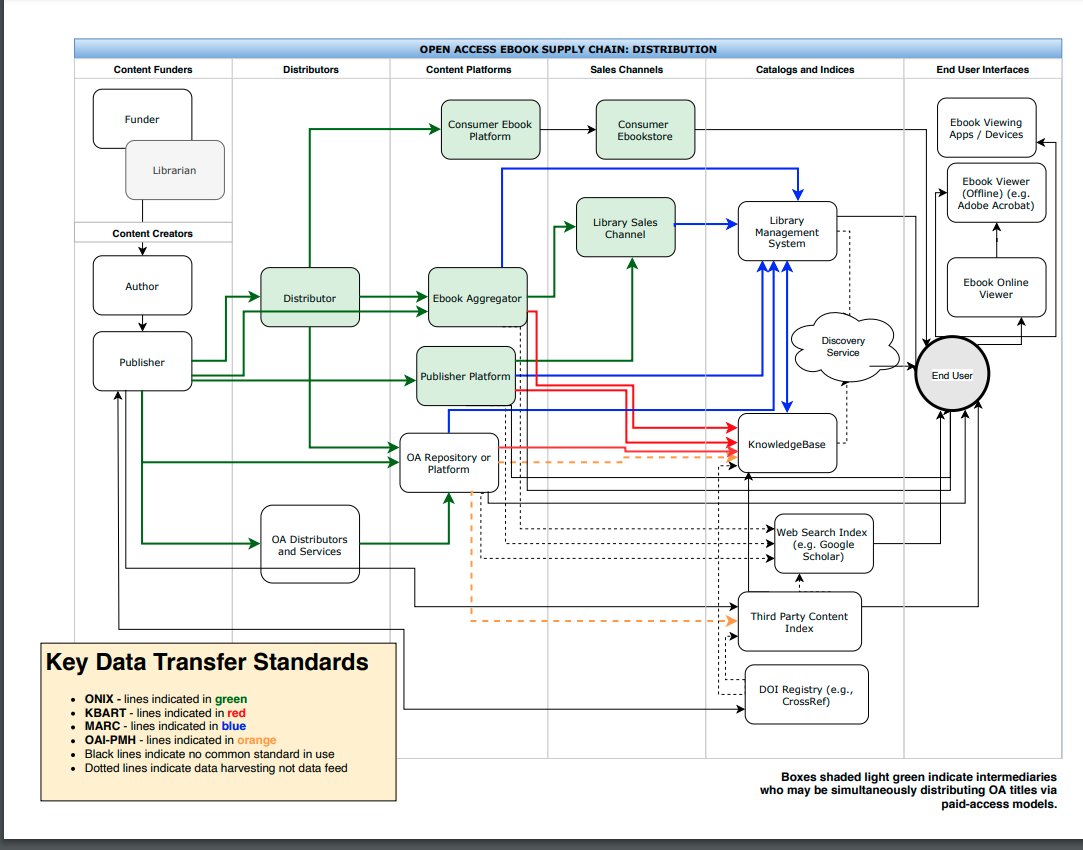
Remembering this painful diagram of the "Open Access Ebook Supply Chain: Distribution". We need to make this easier/less complex. https://hcommons.org/deposits/item/hc:32677/
My life now. A spiral of worry about the difficultly of staying safe and facing the indeterminate seclusion of shielding. But what else can I do when the warning from the hospital was "several of the patients with your rare immune system disorder have already died from covid"? https://x.com/DrFrancesRyan/status/1416843029734887430
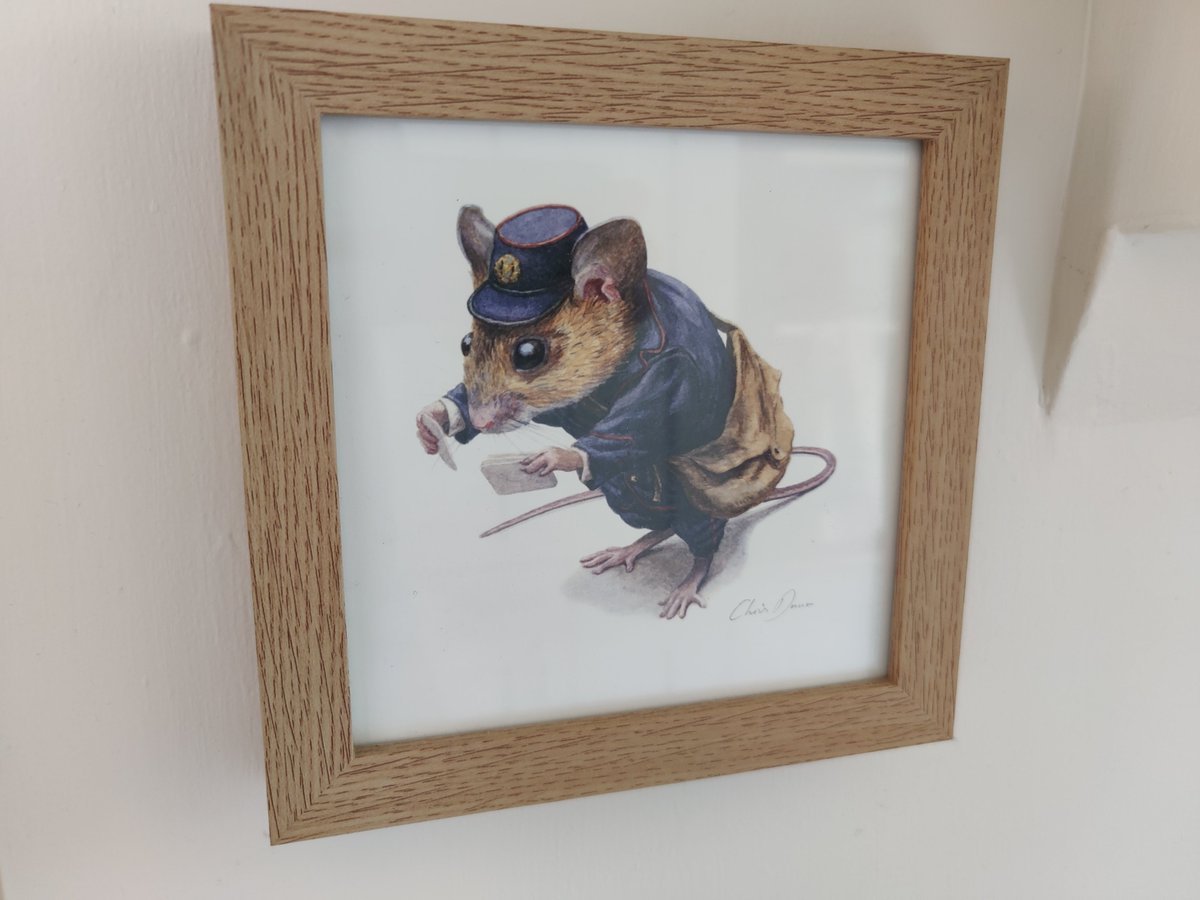
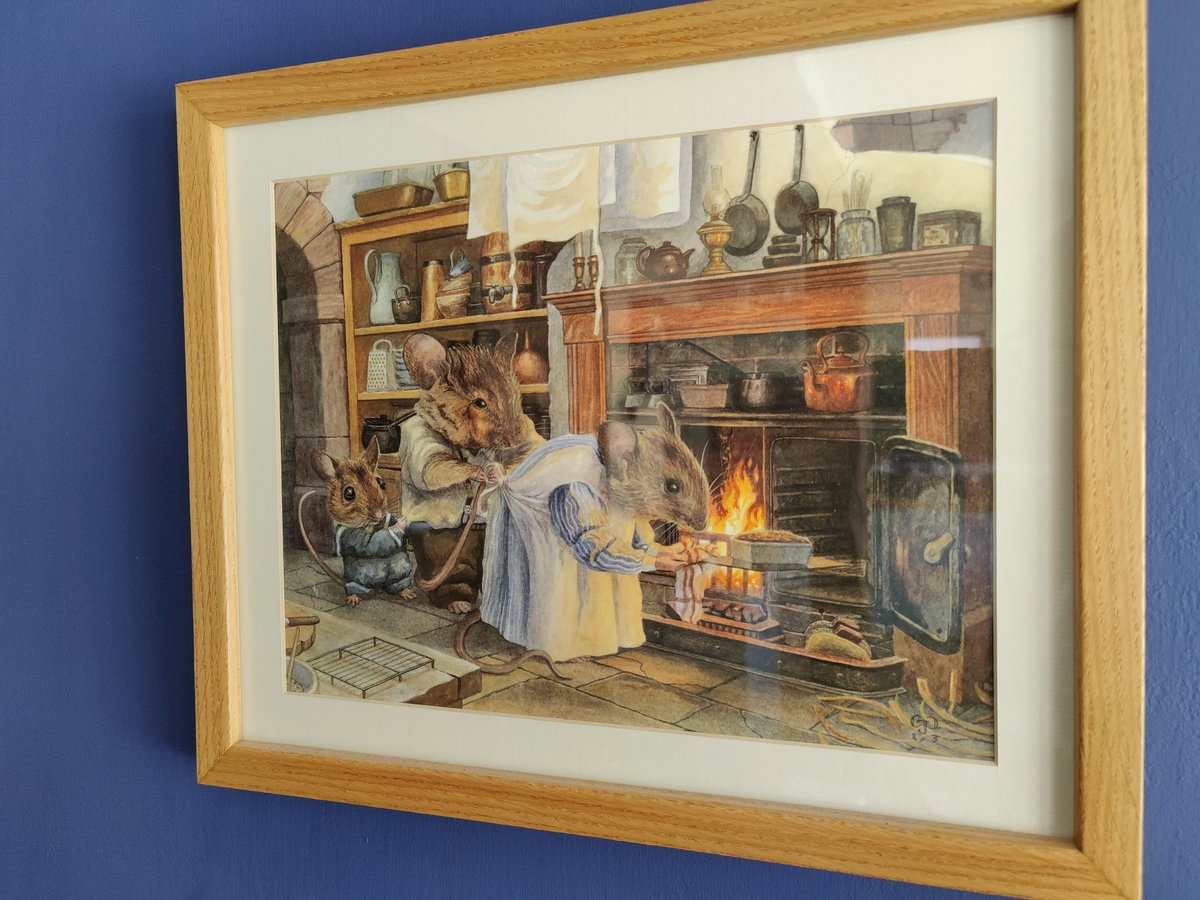
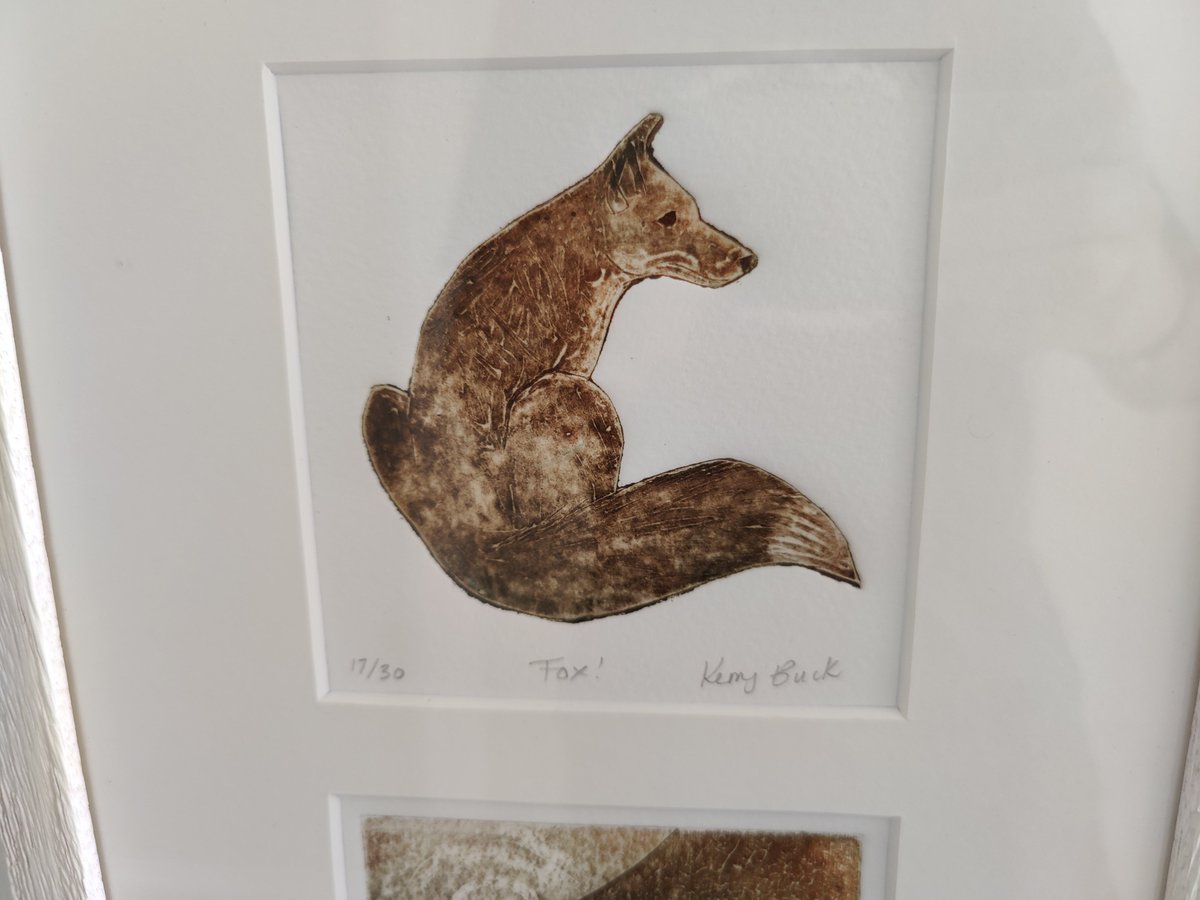
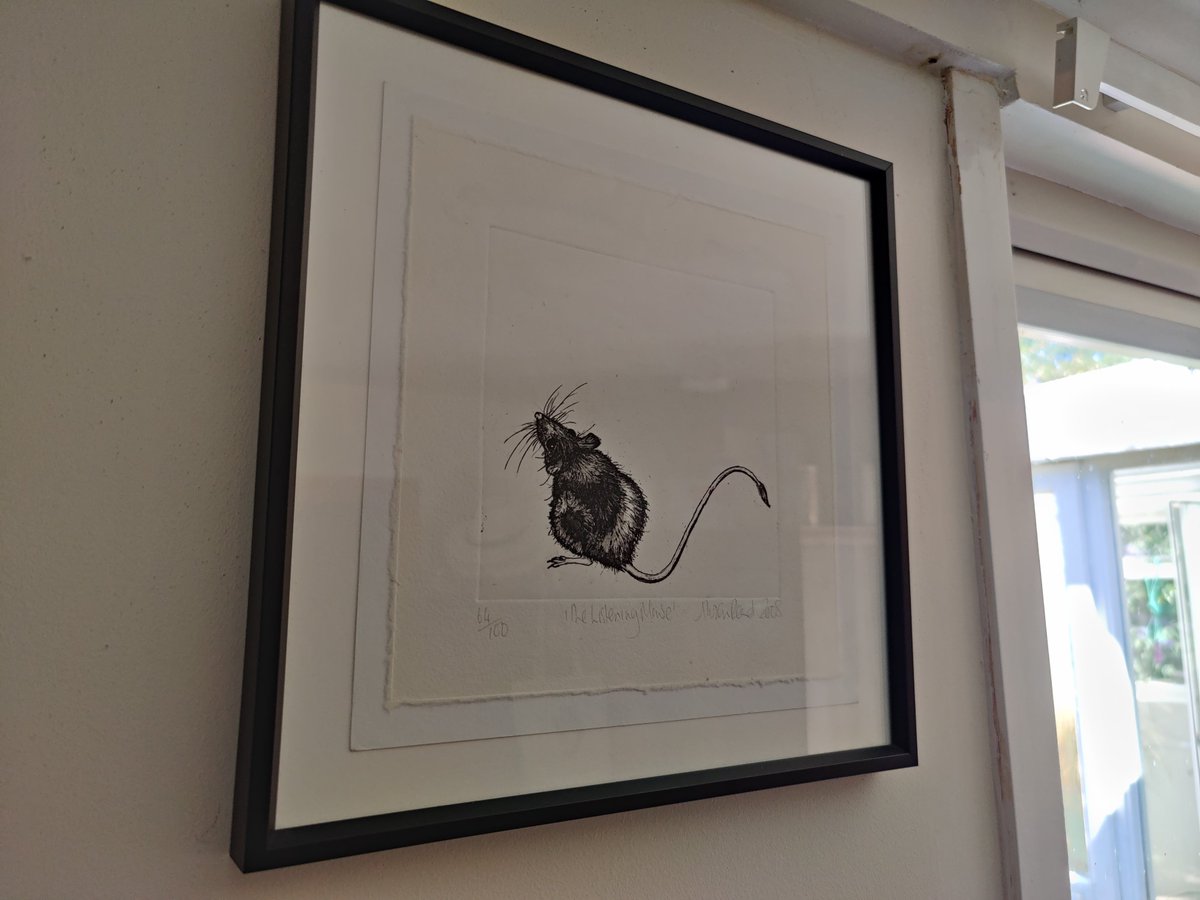
"Animals drawn by our friends and acquaintances and framed in our house", a very short thread. Maurice's Bull by our friend Dick.
Toby, by our friend Jane.
Dancing mice, by Chris Dunn - a wedding anniversary commission as they're wearing our clothes (a Dr Who t-shirt for me)
And another Chris Dunn
And another
And a Kerry Buck fox
And I have several of these. The Listening Mouse by someone whose name I cannot recall or read. I have "The Scruffy Mouse" in my office at work.
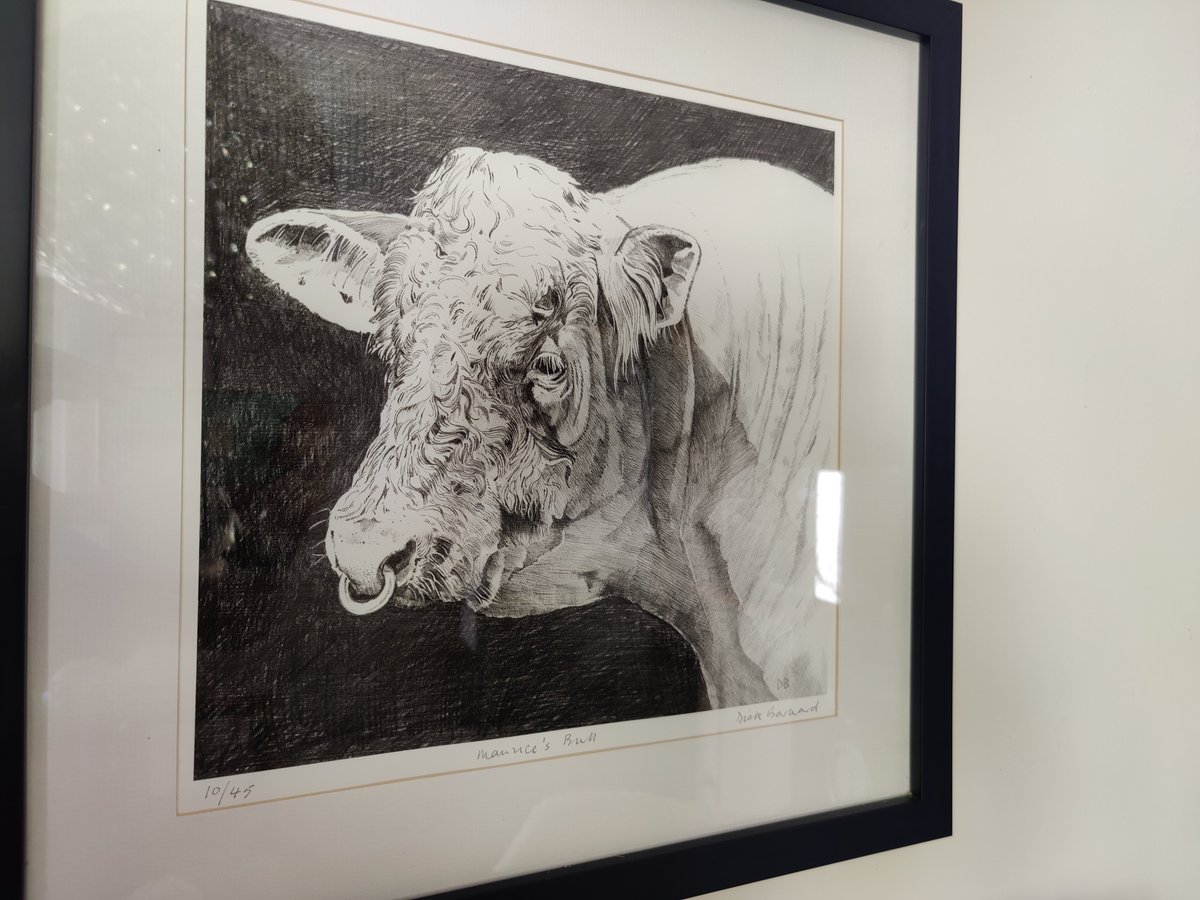
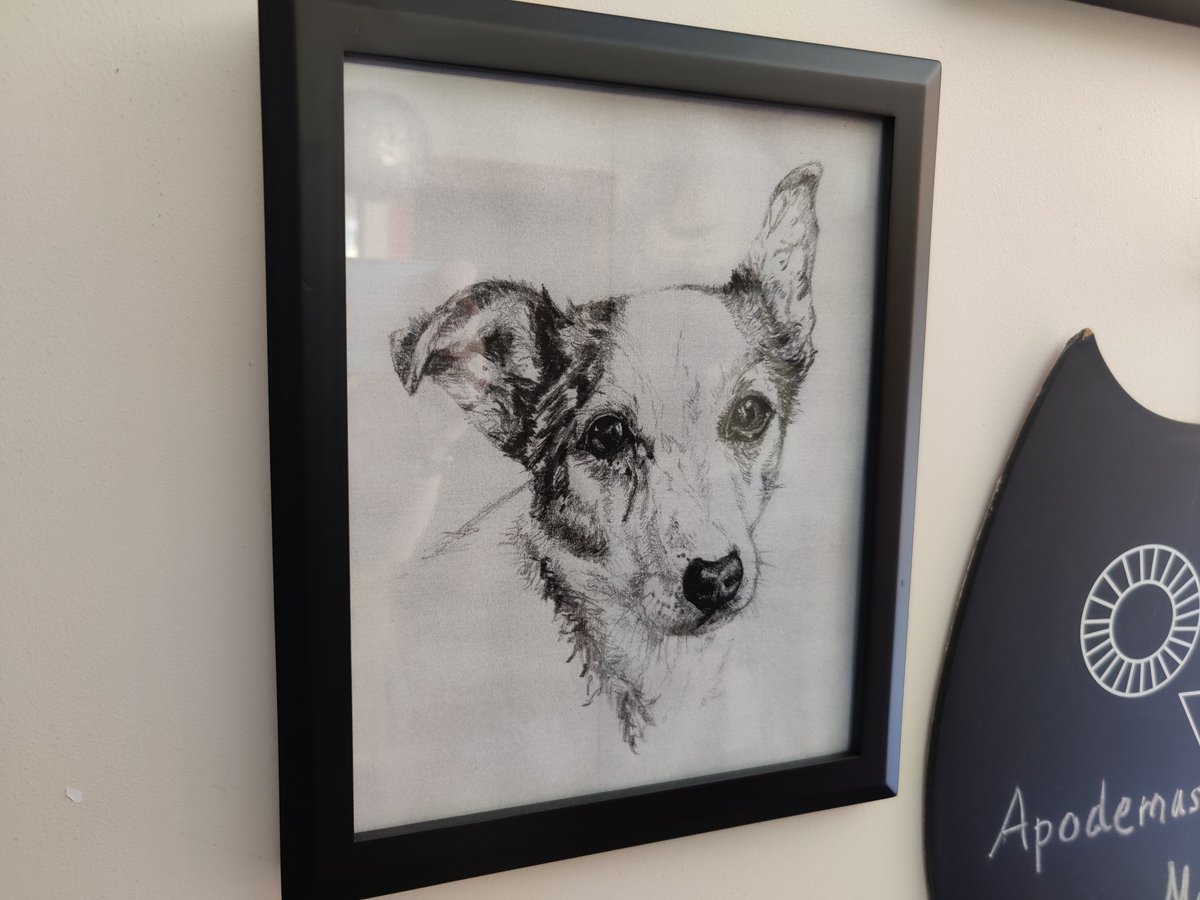
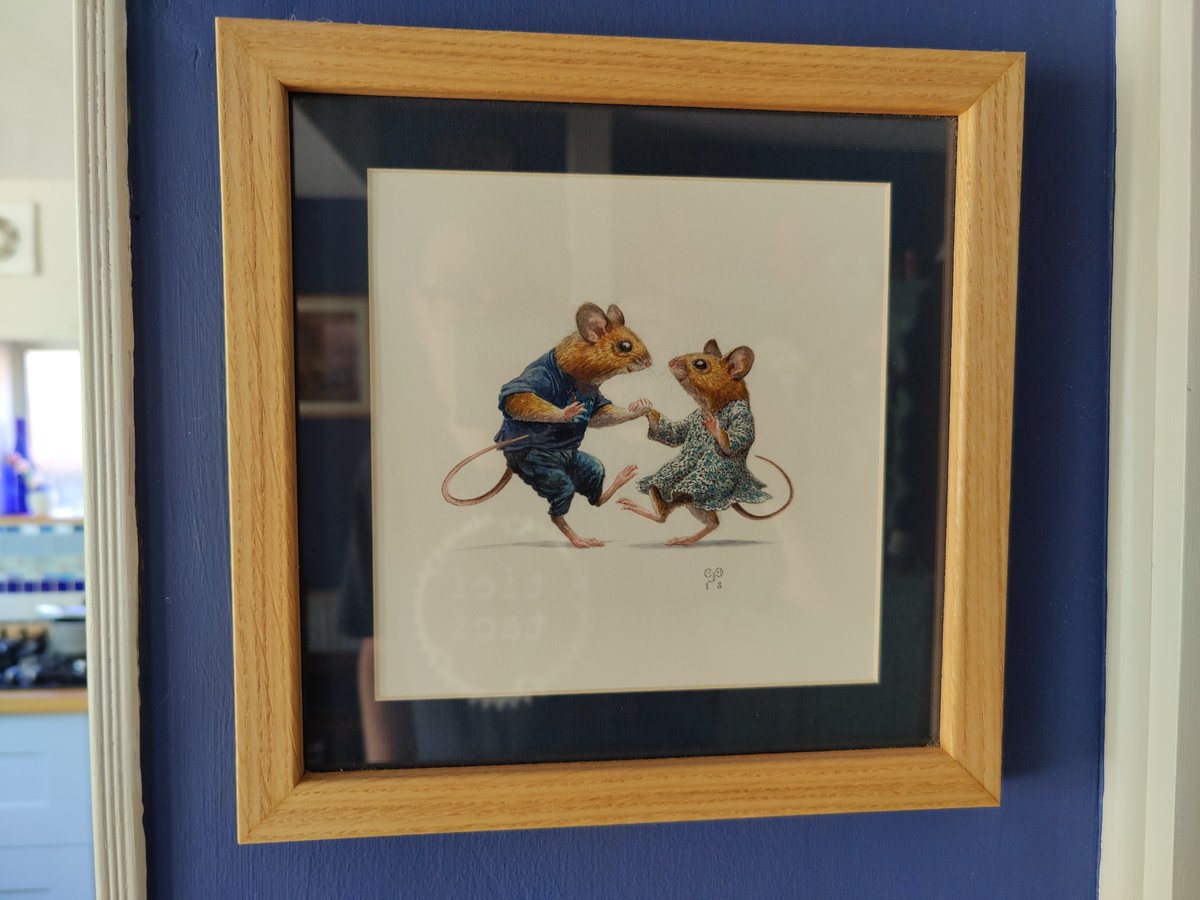
Arch now spiked in position and rambling rose ready to roll!
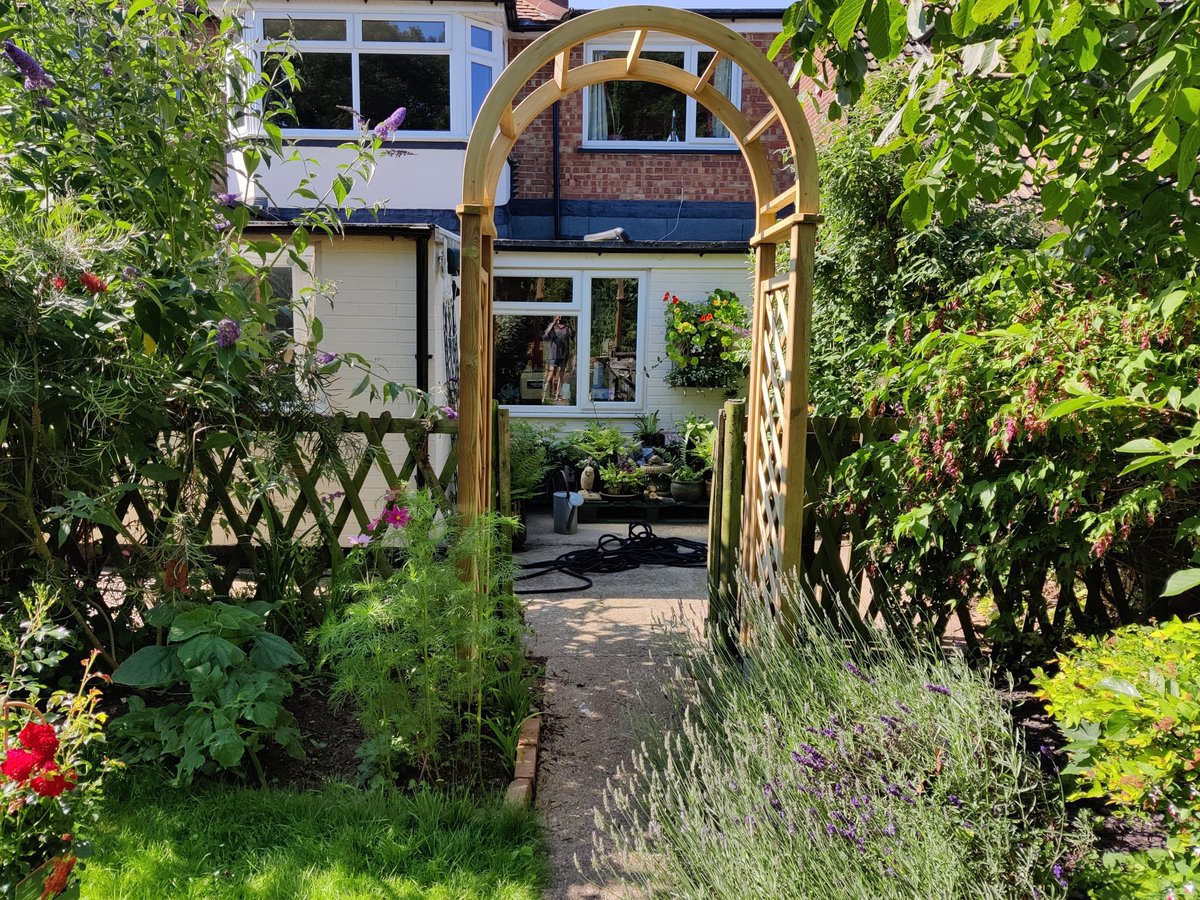
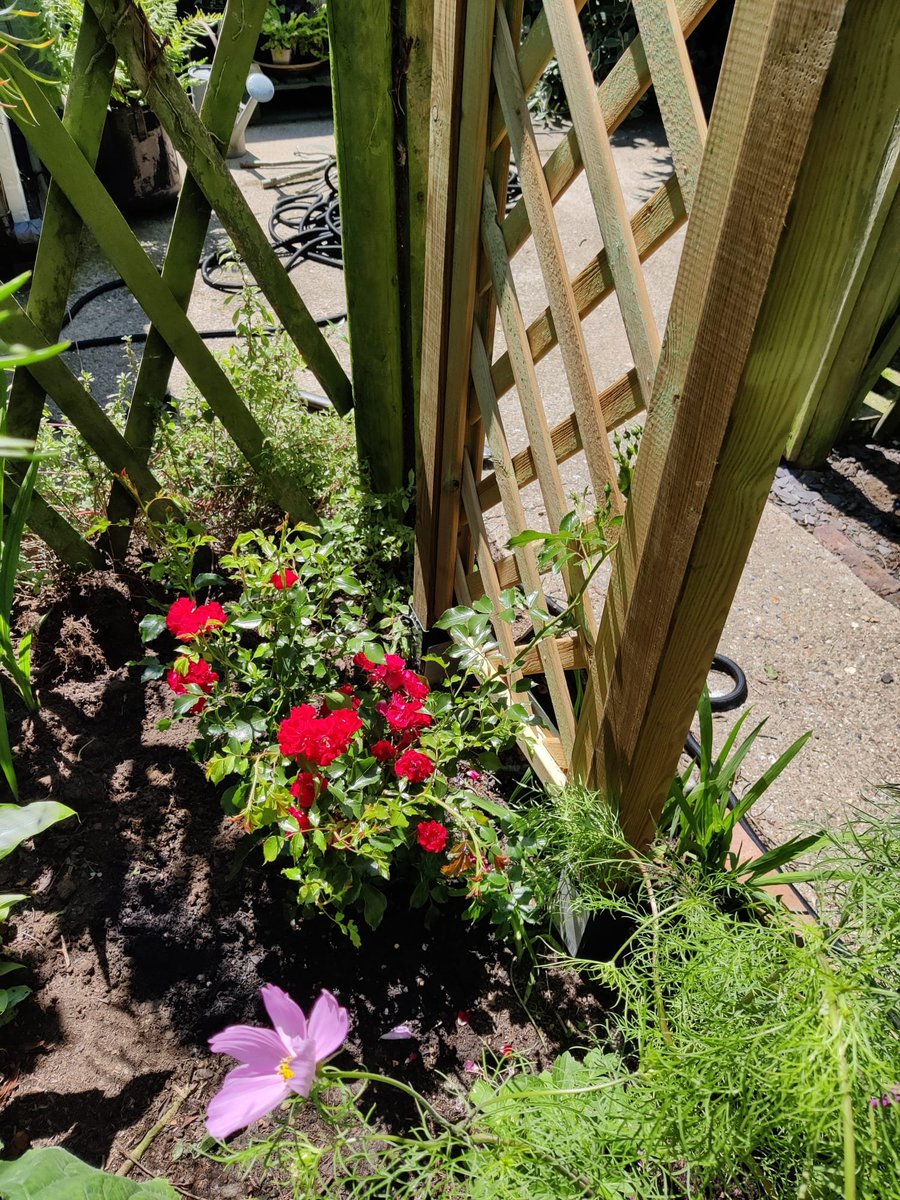
Barnard Castle 2.0 eh?
Hope, horror and Covid-19: my 23 years as the Guardian’s health correspondent https://www.theguardian.com/society/2021/jul/17/hope-horror-and-covid-19-my-23-years-as-the-guardians-health-correspondent
This is (just part of) why the advice to clinically vulnerable to "oh, just make sure you only meet with vaccinated people" is so disingenuous https://x.com/chrischirp/status/1416514127800029184
Actually, I think Birkbeck is rocking the blue Tilda https://t.co/8M2oiZmmUz
Not worrying at all
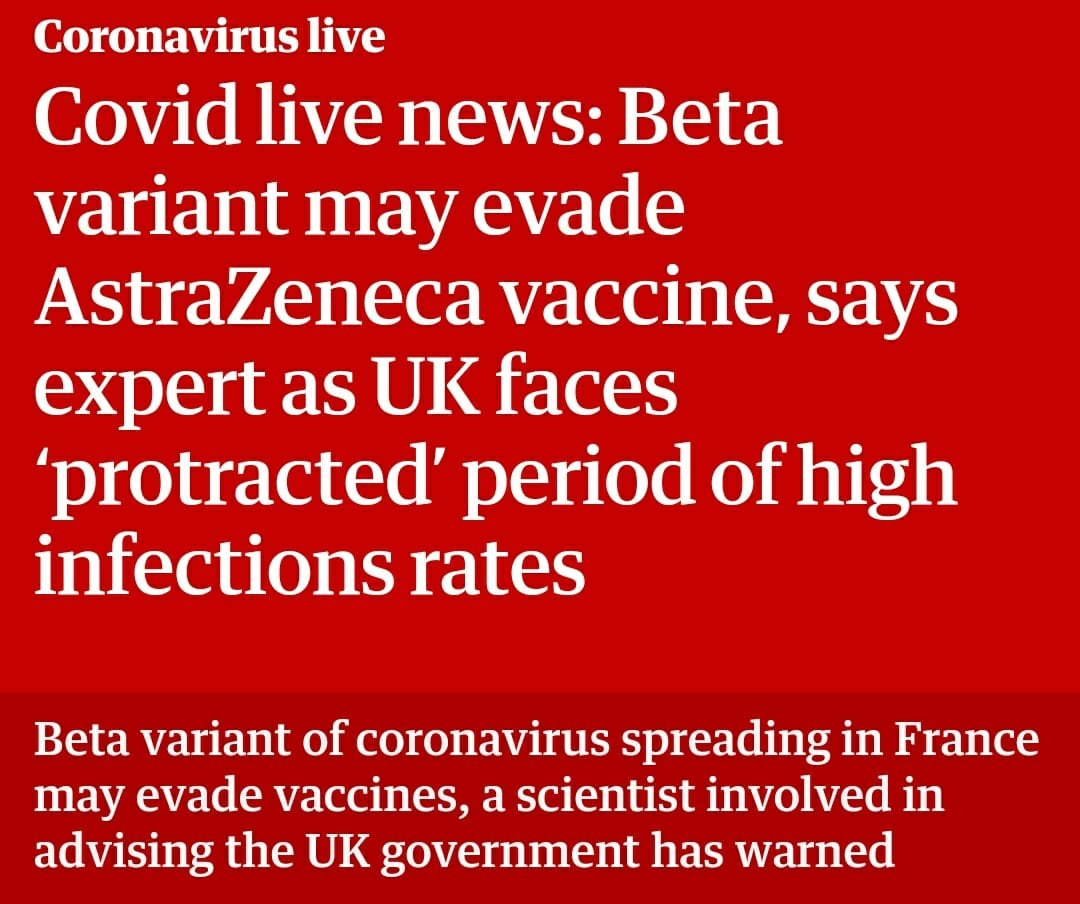
Disabled councillors blocked from accessibility vote b/c they are disabled
You can see whether you're discriminating by subbing in another protected characteristic.
"Women blocked from voting on women's rights b/c they have a 'prejudicial interest'"
https://inews.co.uk/news/politics/disabled-councillors-blocked-from-accessibility-vote-because-they-are-disabled-1107366
Don Sturdy with the Big Snake Hunters is easily my favourite 1920s euphemistically titled boys adventure novel
https://www.abebooks.co.uk/Don-Sturdy-Big-Snake-Hunters-books/30190440254/bd
Tonight's acid dancehall vibe in 45 mins
Here we go!
"We would like to invite you to participate in a research study that will investigate the immune response following COVID-19 infection or immunisation in individuals with antibody deficiency."
How TV Adaptations Are Changing Fiction - The Atlantic
https://www.theatlantic.com/culture/archive/2021/07/tv-adaptations-fiction/619442/
UCU position on relaxation of national restrictions https://www.ucu.org.uk/media/11673/Covid-health-and-safety-update-July-2021/pdf/Covid_health_and_safety_update_16_July_2021.pdf [PDF]
I am pleased to see recognition of the disproportionate impact on disabled and vulnerable people in this statement.
England’s Covid unlocking is threat to world, say 1,200 scientists
https://www.theguardian.com/world/2021/jul/16/englands-covid-unlocking-a-threat-to-the-world-experts-say?CMP=Share_AndroidApp_Other
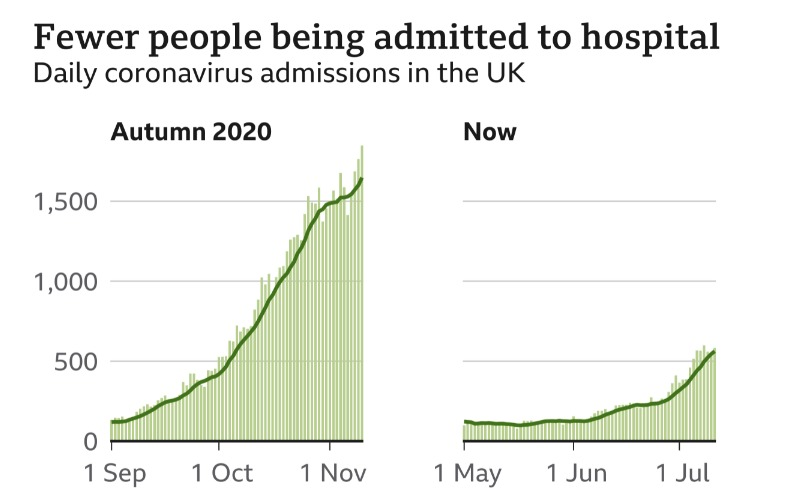
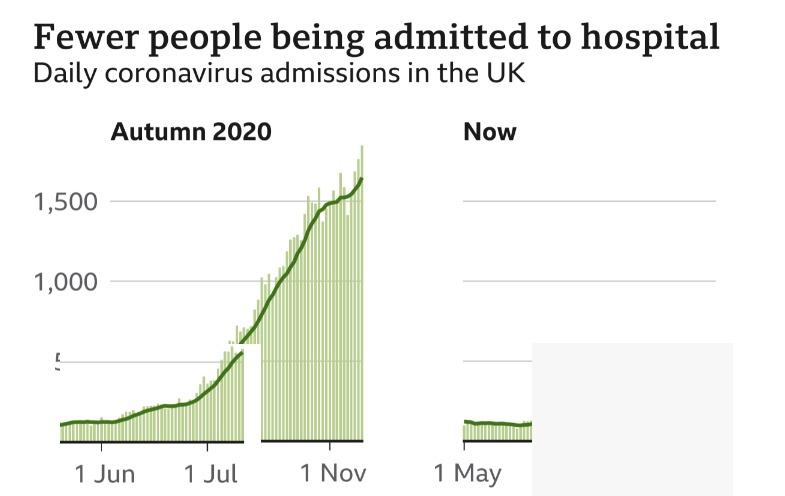
BBC have a very dodgy ability to read graphs from what I can see. See their "fewer people being admitted to hospital graph". However, look what happens if you shift the graph on the right to the left by a month.
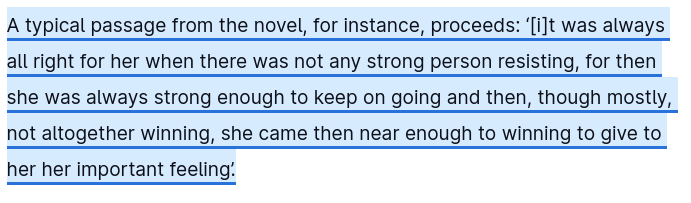
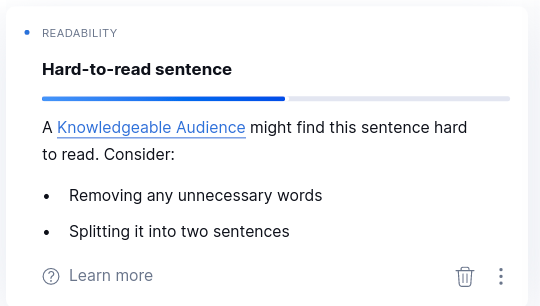
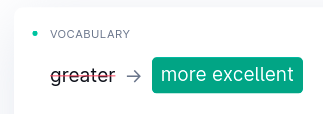
Grammarly reflects on Gertrude Stein and it's not wrong.
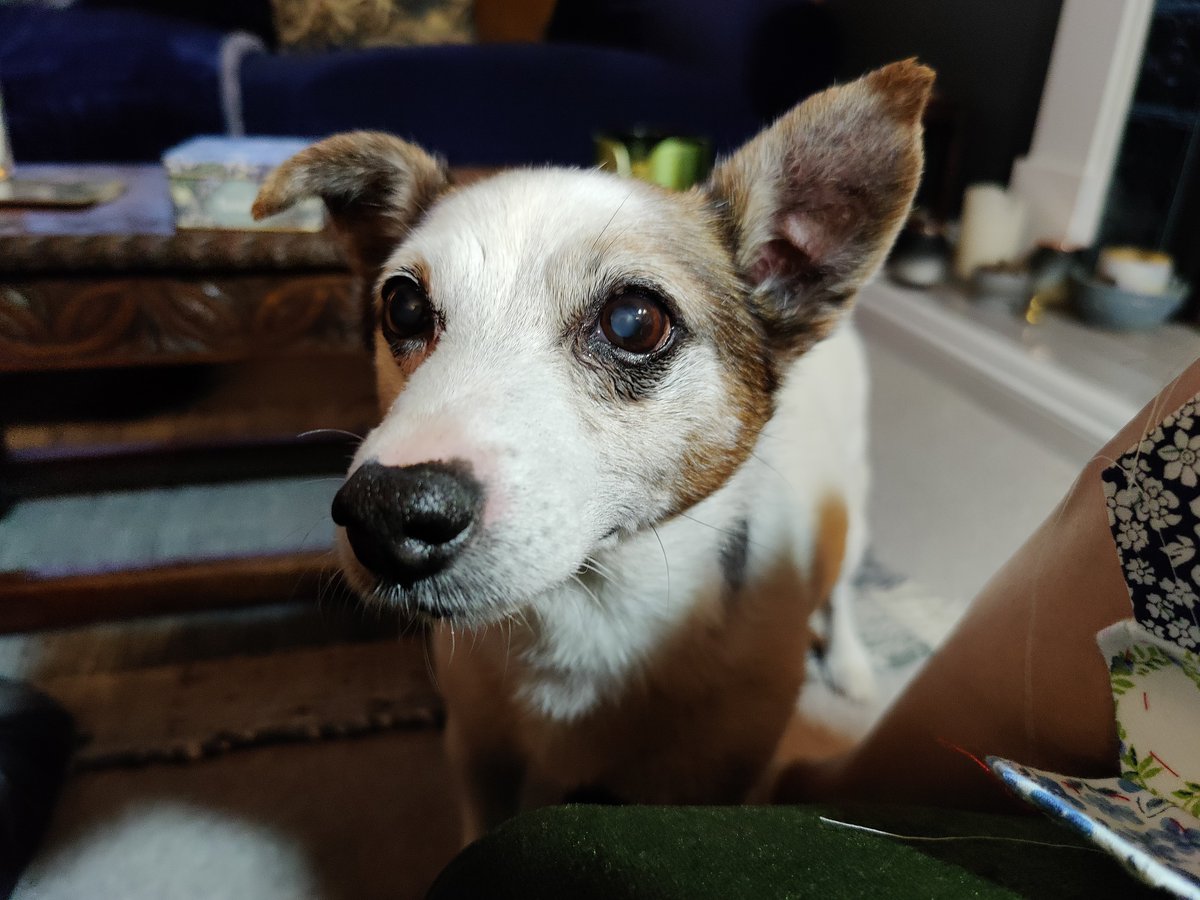
Oh wow. This looks great.
95% of the time, a good test as to whether any solution will fail is to appraise whether 70% of the budget is tech.
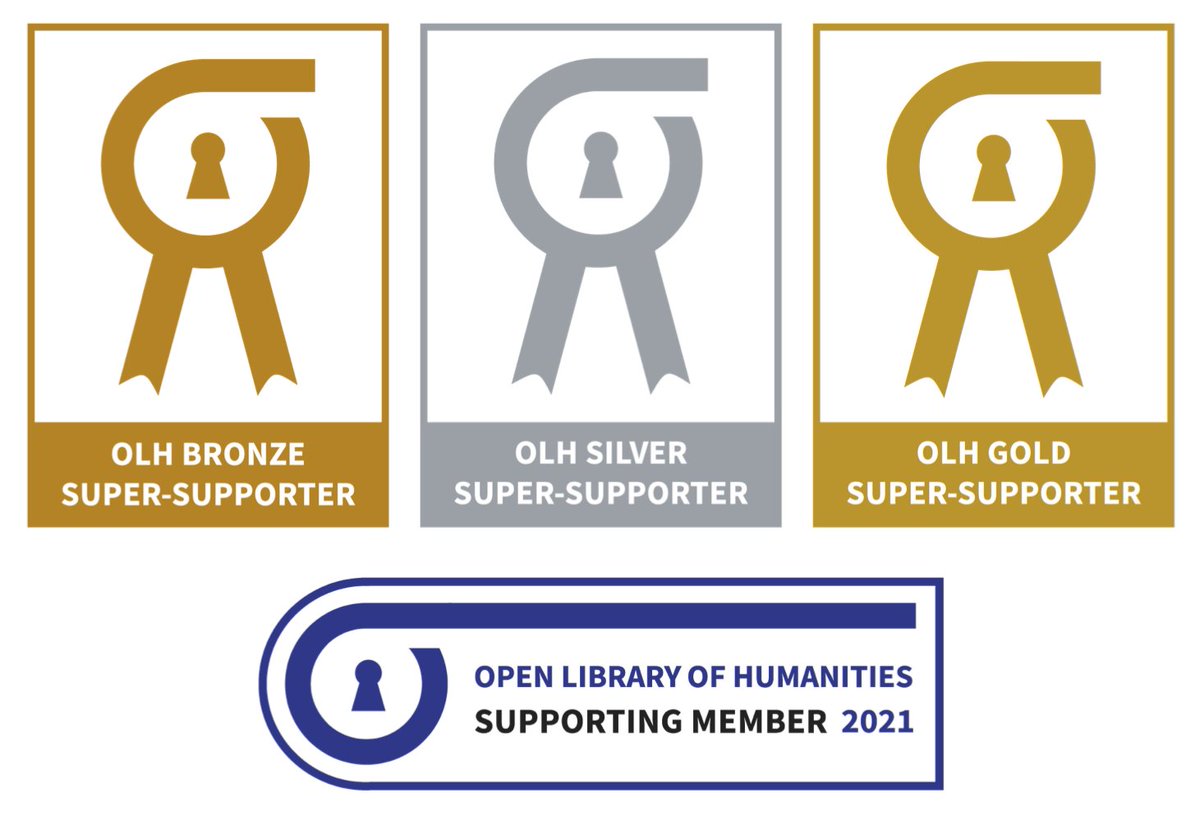
Hurrah! We now have badges for supporting libraries to tell people they are participating in @openlibhums https://www.openlibhums.org/news/460/
Yeah, sorry, but the baseline you've got to be playing from for this to be in any way accurate is absurd.
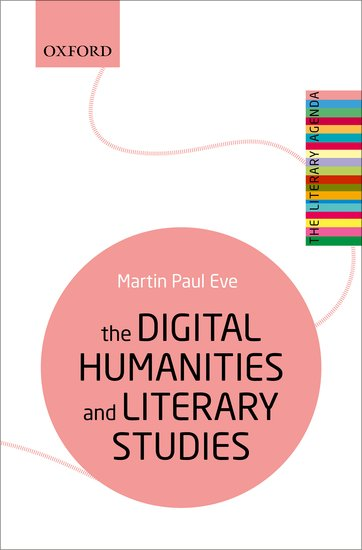
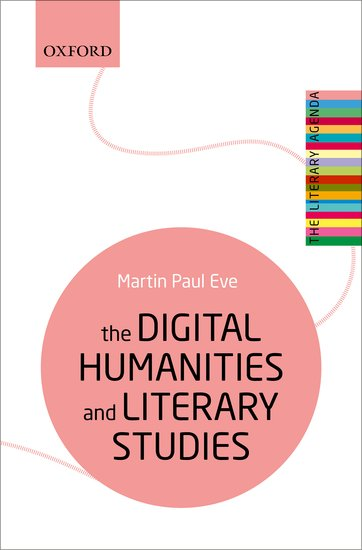
This AM's writing/research work is reviewing copyedits on THE DIGITAL HUMANITIES AND LITERARY STUDIES, which also now has its press page. £15.99 paperback and OA download when published (CC BY-SA) https://global.oup.com/academic/product/the-digital-humanities-and-literary-studies-9780198850489?lang=en&cc=gb
Social Distancing while Blind: A Co-Designed COVID-19 Rapid Response Comic by @ernestopriego https://graphicmedicinereview.com/articles/10.5164/gmr.28/
Tomorrow at Birkbeck we have a talk from the expert disability & discrimination barrister, Catherine Casserley. She's generously speaking to the Disability Network, which I run, and members of our senior management team on what we can do to create and sustain meaningful equality.
"I see you are having a tea break, Martin. Perhaps you would like to throw the donkey toy up and down the room a bit?"
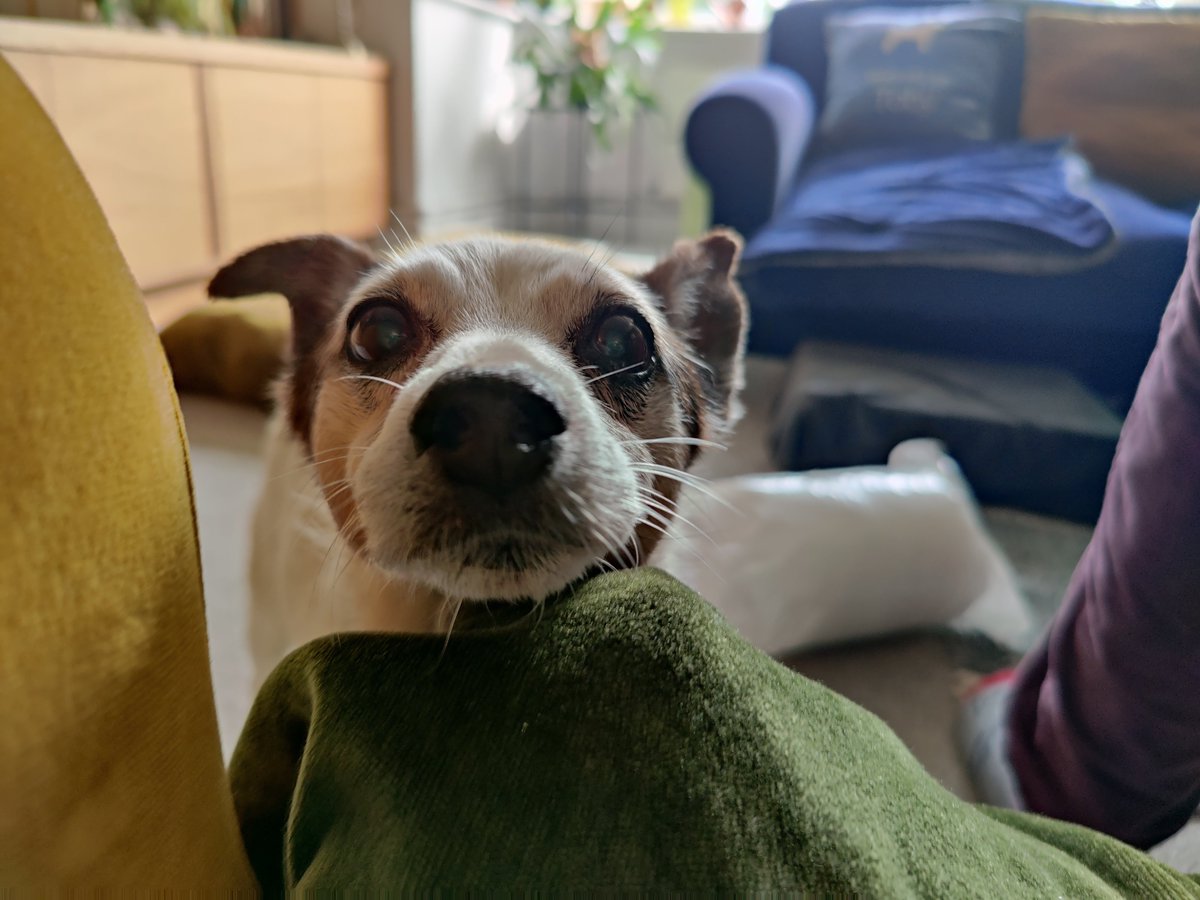
Us: let's get Toby a new blanket that will be nice and soft and won't shed felt everywhere. I'm sure he'll like it.
Toby:
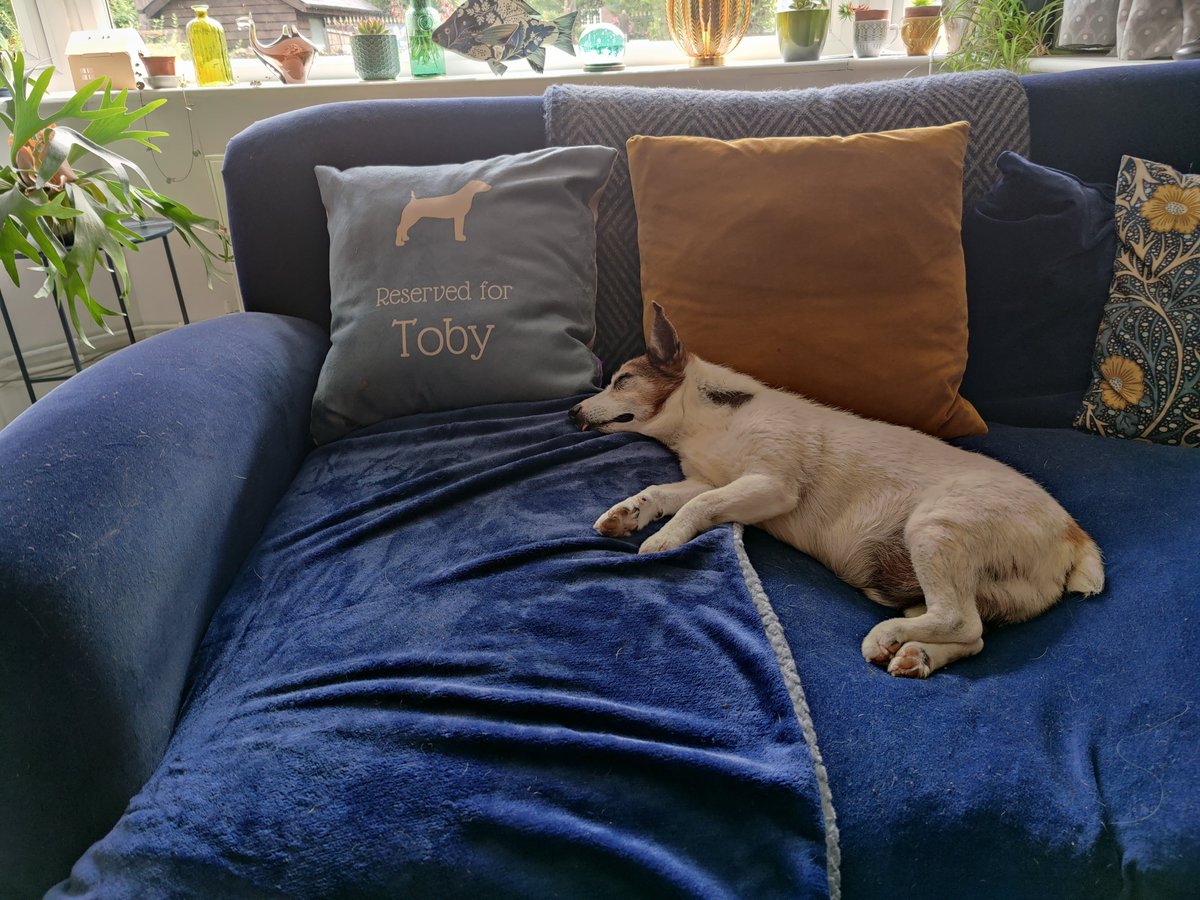
My heart always sinks a little when I realise that I have to read something untranslated into English, particularly when it's a hard-copy-only text. (This makes a quick Google Translate so much harder when I don't know a word.) Les Encres Noires au Moyen Age it is, though.
It is frustrating how research into early writing technologies becomes so geographically segregated. Scholars of the Mediterranean say things like "no detailed descriptions of the manufacture of black ink are attested before the Roman period", but Tsien documents ancient China.
Time to choose you'll kick the blues. For a while.
The Index of Digital Humanities Conferences
https://openhumanitiesdata.metajnl.com/article/10.5334/johd.26/
End to Covid rules for England ‘leaves 3.8m vulnerable people feeling abandoned’
https://www.theguardian.com/world/2021/jul/13/end-to-covid-rules-19-july-england-leaves-38m-clinically-vulnerable-people-feeling-abandoned?CMP=Share_AndroidApp_Other
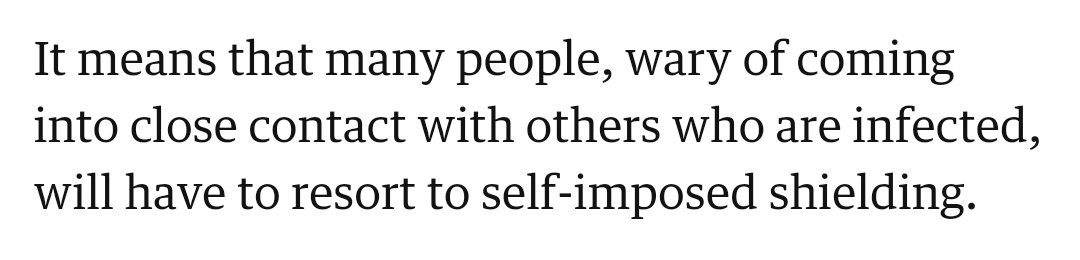
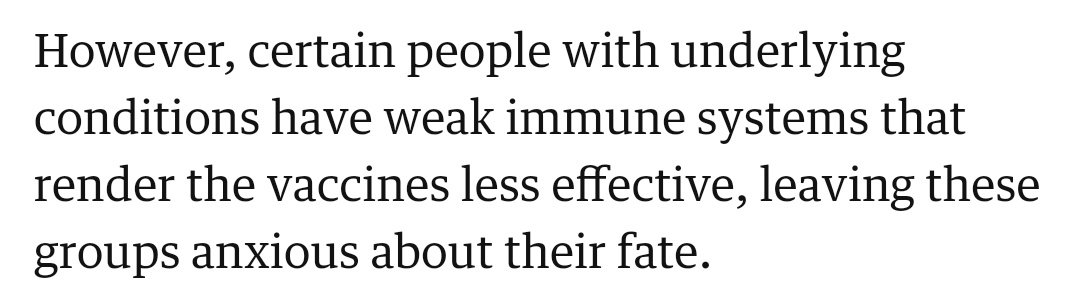
This is the crux of it. What's our "fate" in a system they abandons even the mildest of inconveniences - face masks - because apparently that's too much to ask to protect disabled people's lives.
Embroiled in ongoing admin today, a resolution to myself for tomorrow AM, before any emails, is that I'm going to resume my historical research work on how ink qualities determined paper colouration.
The Lost Civilization of Dial-Up Bulletin Board Systems https://www.theatlantic.com/technology/archive/2016/11/the-lost-civilization-of-dial-up-bulletin-board-systems/506465/
External examination board for Loughborough this afternoon. Always good to contribute to the cross-institutional validation of UK HE.
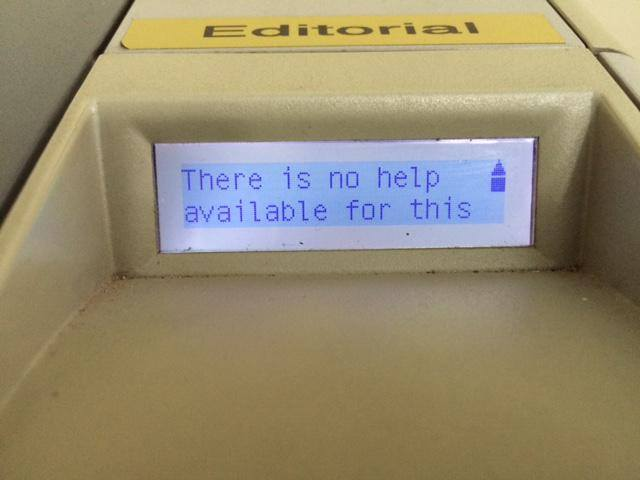
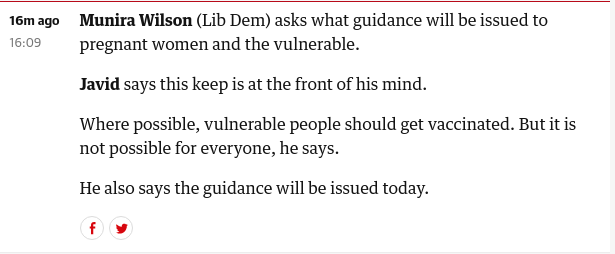
"Those living with health conditions that make them more vulnerable to Covid fear a return to shielding indoors as they are no longer protected by low infection rates and measures such as mask-wearing and physical distancing." - @chrischirp https://www.theguardian.com/commentisfree/2021/jul/13/covid-numbers-england-freedom-day-dont-add-up-strain-nhs
Fun scholcomms chat with @brembs this AM 😄
Giving another plug for this exciting work forthcoming from @erikketzan: digital approaches to style in the novels of Thomas Pynchon https://www.bloomsbury.com/au/thomas-pynchon-and-the-digital-humanities-9781350211841/
Google boss Sundar Pichai warns of threats to internet freedom
This makes it sound as though he's issuing the threats
https://www.bbc.com/news/technology-57763382
I think I may have been to an unnecessary meeting on occasion https://x.com/Kit_Yates_Maths/status/1414854582413533184
‘I’m frightened’: readers at greater risk from Covid share their thoughts
https://www.theguardian.com/world/2021/jul/12/frightened-readers-risk-ill-covid-share-thoughts-health-condition?CMP=Share_AndroidApp_Other
Since I suggested that the current government policy was "throwing disabled people under the bus" I've had someone suggest I do it myself, before the government does, and that I am obviously too delicate and should kill myself.
I know they won't be heard but it made me feel so much less alone hearing from sane, sensible, kind people who talk about protecting the vulnerable and the scientific illiteracy of gov policy. I can't recommend this enough.
https://www.youtube.com/watch?v=ihLq-eMtNJI
Dr Zubaida Haque: were any equality assessments conducted re. impact of dropping restrictions? She concludes that there cannot have been. Could be challenged under Equality Act law as public transport and indoor spaces are now off-limits to disabled people.
Creator of Oxford vaccine Sarah Gilbert warns vulnerable will have to shield as Covid-19 cases rise https://inews.co.uk/news/politics/creator-oxford-vaccine-sarah-gilbert-warns-vulnerable-will-have-shield-covid-19-cases-rise-1096315
Every time I read of the government's next steps, I come away terrified. The PHE research report last week showed that vaccination had substantially lowered effect among the most vulnerable immunocompromised. Javid's guidance is doubtless to be "take steps to protect yourself".
After all, his advice previously was "contact your GP". My immunology appts have left me in little doubt as to the danger. But clinical immunologists can't protect us from government policy of unrestricted spread. https://www.pulsetoday.co.uk/news/coronavirus/health-secretary-urges-immunosuppressed-patients-to-contact-gp-as-restrictions-lift/
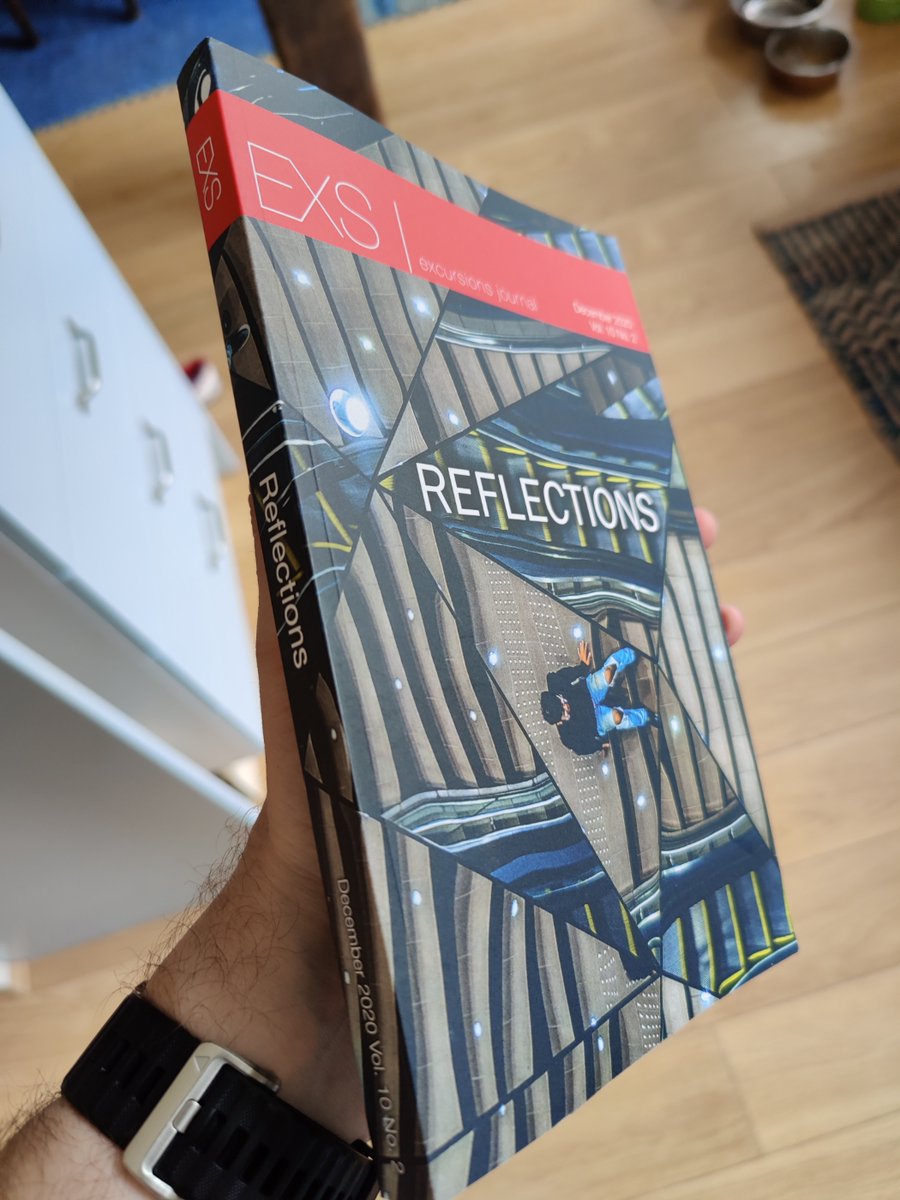
A strange artefact, these days, the printed scholarly journal. Here's the hard copy of the 10th anniversary of the first title I established and published.
Joining a Ph.D. dissertation committee at a US institution and it is extremely interesting to compare the dynamics and processes between our countries. No strict division between examiners and supervisors, for instance. Far less hands-on supervision State-side.
Still, it's a great project that I am looking forward to supervising/examining/working on.
First day outside formal term and today's agenda includes:
* chairing a PhD viva
* COPIM meetings
* PhD supervision work
UKRI accepts open access monographs must be ‘fully funded’ https://www.timeshighereducation.com/news/ukri-accepts-open-access-monographs-must-be-fully-funded
Not UKRI, but we did this modelling for REF a few years ago. Cost estimates of an open access mandate for monographs in the UK’s third Research Excellence Framework.
https://insights.uksg.org/articles/10.1629/uksg.392/
The "health" secretary's advice to immunocompromised people is "you'll need to take steps to protect yourself. Because we sure aren't going to put in place any measures to help!"
Javid urges immunosuppressed patients to contact GP as restrictions lift
https://www.pulsetoday.co.uk/news/coronavirus/health-secretary-urges-immunosuppressed-patients-to-contact-gp-as-restrictions-lift/
"fundamentally, it’s about your appetite for risk"
Seriously, do people understand what this means?
"It's about how keen you are to risk your life"
I just need to adjust my a̶p̶p̶e̶t̶i̶t̶e̶ ̶f̶o̶r̶ ̶r̶i̶s̶k̶ desire to die.
🎼"Sealions on the shirt"
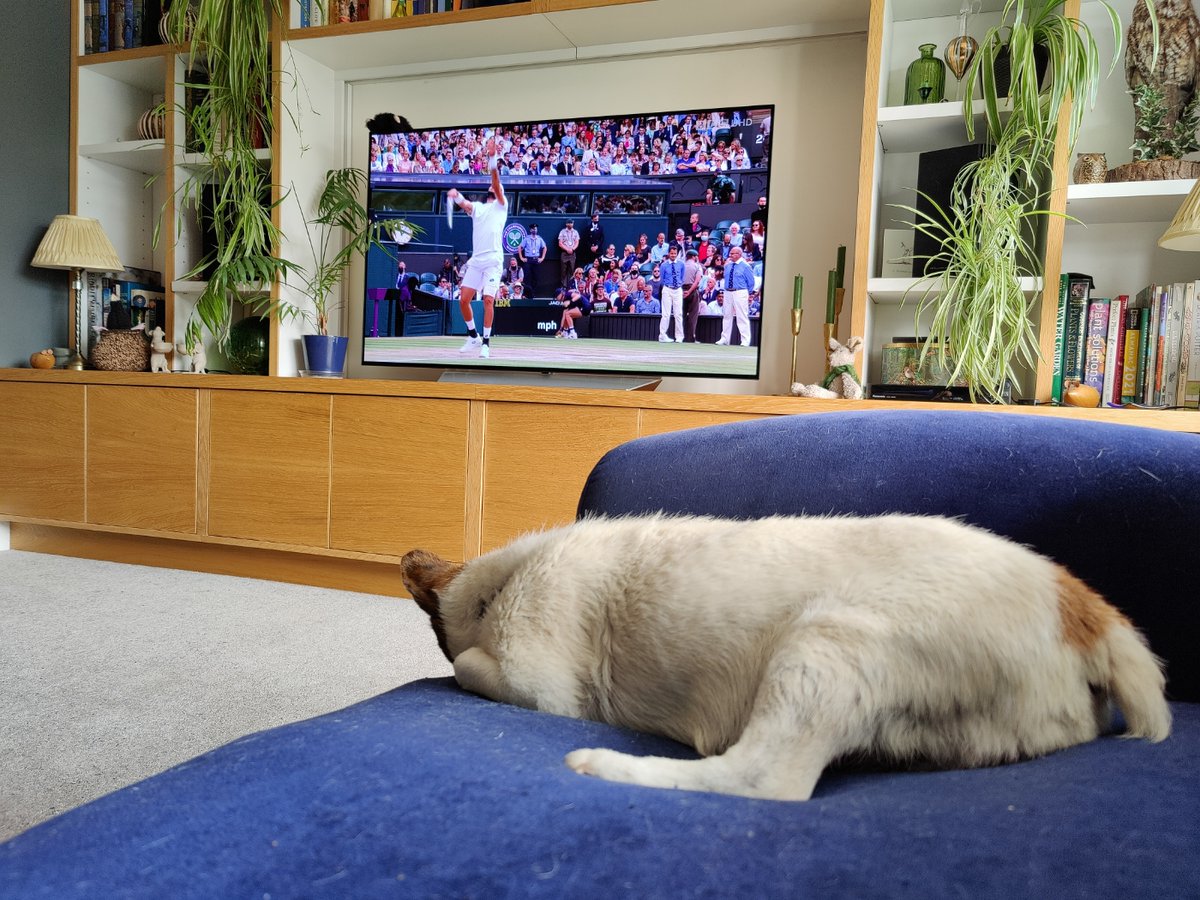
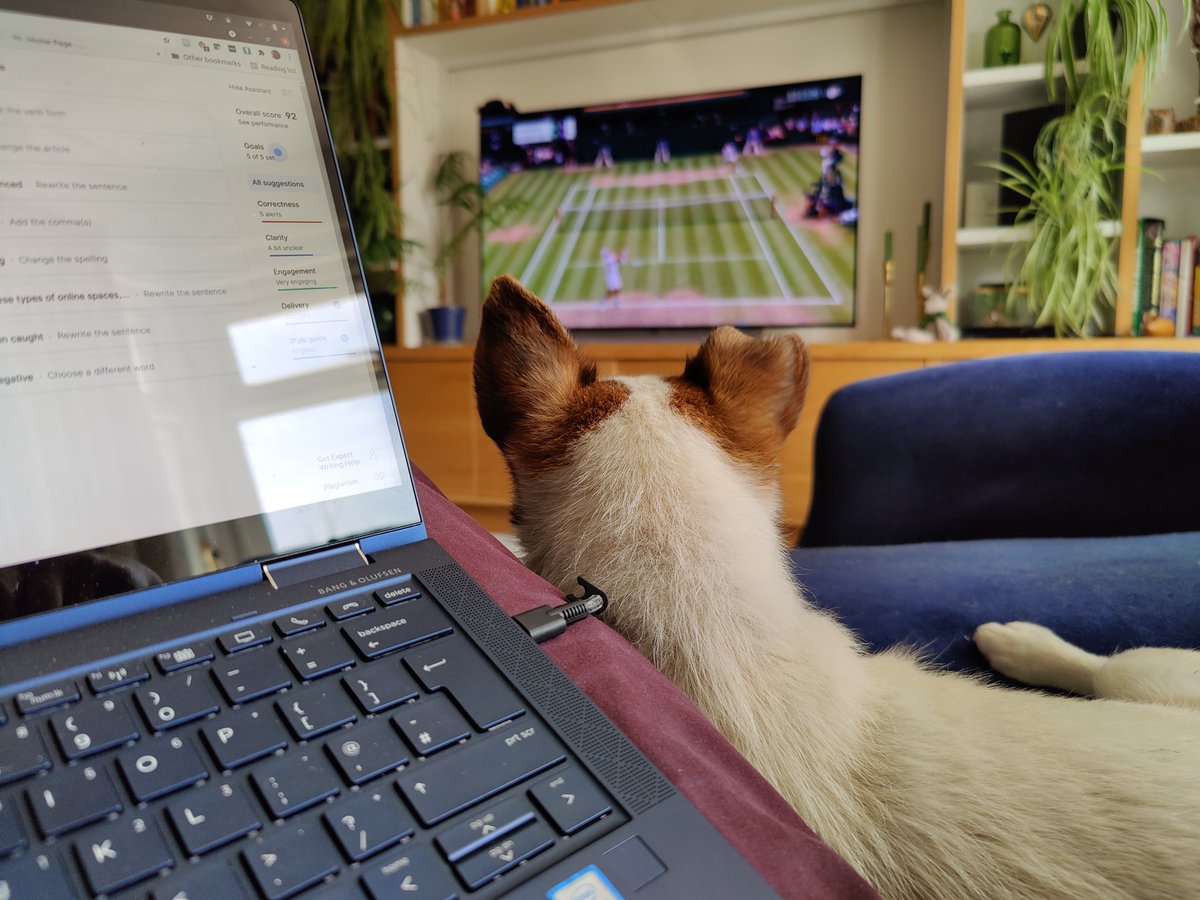
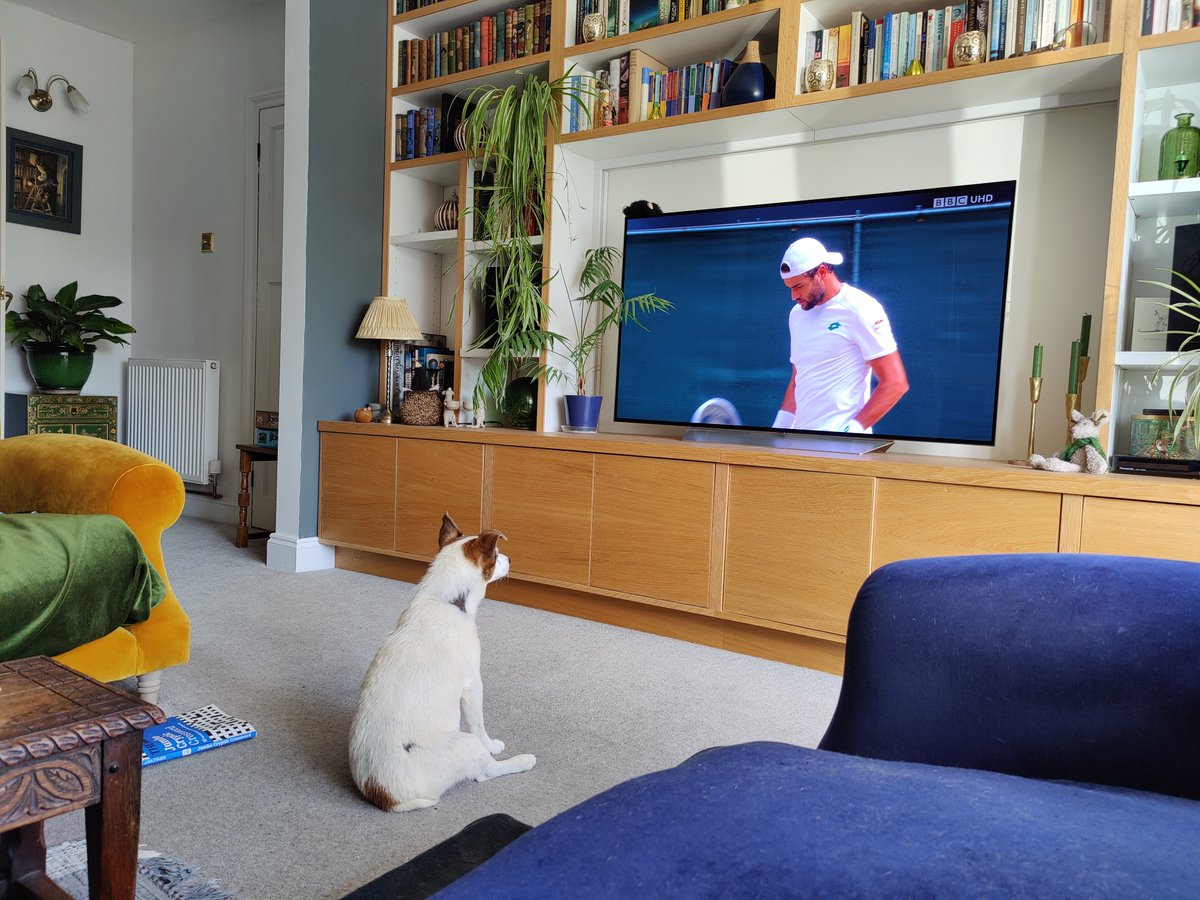
I finished final revisions to the Warez book this afternoon while watching the tennis. Final chapter on raids and shutdowns. Phew. Football not really my thing, but hope those who do like it have a good evening!
Toby and tennis
Baby gets go-ahead for world’s most expensive drug from NHS.
It makes me happy to pay taxes for our healthcare system when I see stories like this. And corporate tax avoidance, which withholds care from small children, makes me sick.
https://www.theguardian.com/society/2021/jul/11/baby-gets-go-ahead-for-worlds-most-expensive-drug-from-nhs?CMP=Share_AndroidApp_Other
Sunday DIY garden assemblage phase 1. Predictably terrible instructions. Pilot holes wrongly spaced. Instructions didn't give any room for a screwdriver where you're supposed to affix. Still, getting there.

Perhaps even better than rewatching the Disney classic was discovering this 2017 cash-in/knock-off imitation attempt...

Public Health England accused of misleading cancer patients on Covid jab.
Exactly what I said about that dodgy study and press release yesterday.
https://www.theguardian.com/world/2021/jul/10/public-health-england-accused-of-misleading-cancer-patients-on-covid-jab?CMP=Share_AndroidApp_Other
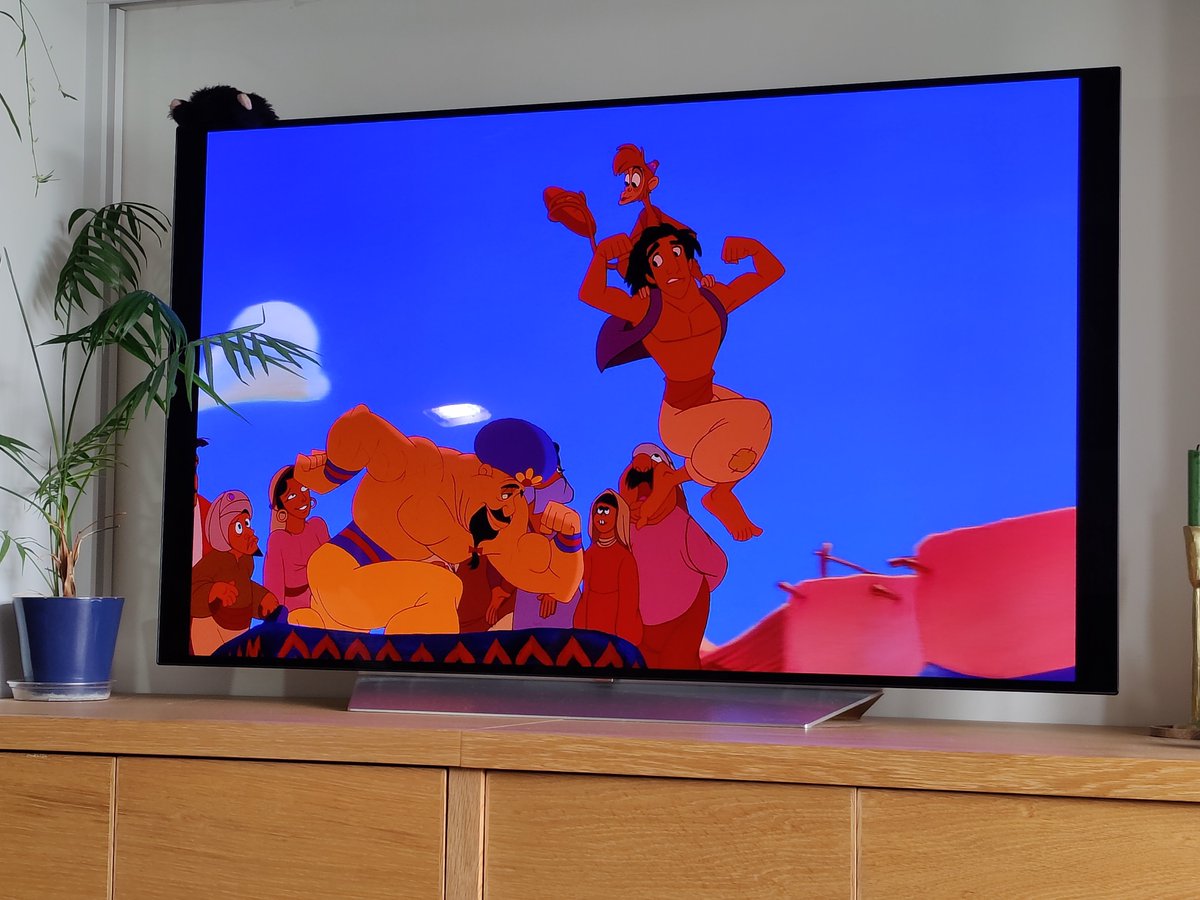
A Disney classic, albeit with some very suspect Orientalism at play.
The next section of the Warez book for revision is one of my favourites: software DRM that modifies gameplay in response to piracy. 1988's Zak McKracken and the Alien Mindbenders had a "pirate jail" if users couldn't show they owned a legitimate copy of the game's manual.
The Sims 4 had a pixellation effect where the bathroom nudity obscuring paradigm filled the whole screen of cracked editions. And Serious Sam 3: BFE developer, Croteam, embedded an un-killable Adult Arachnid “boss” character in the game when a pirated edition is detected.
This one is particularly great because legitimate users became jealous -- and created a mod to get the pirate boss in the game for real!
Grand Theft Auto IV features cars that accelerate beyond the pirating user’s control. In Command & Conquer: Red Alert 2 the illegitimate player’s base would self destruct after a short period of time. In Settlers 3, pirates can only produce pigs, not iron.
Another good one is Game Dev Tycoon from 2012, where if you have pirated the game, the users of the games you develop in the simulation also begin pirating your games... and you go out of business. 😂
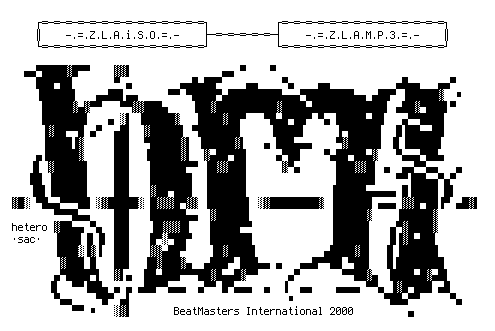
Now revising the section of the Warez book that focuses on the relationship between NFO ASCII art and various concrete poetry movements.
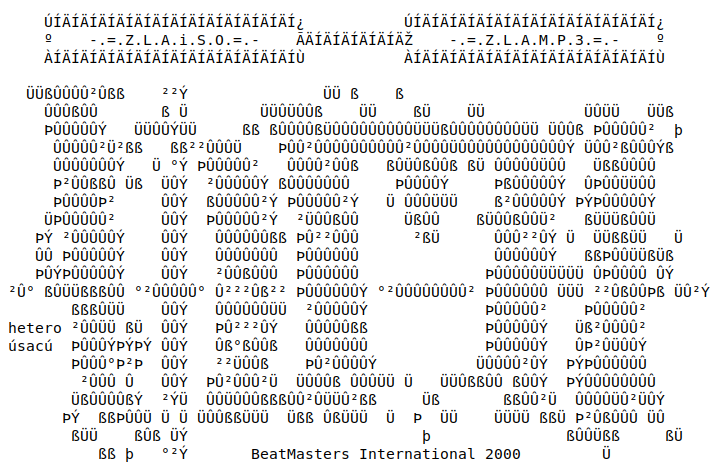
Now revisiting the section of the book on the DemoScene and the remarkable demo, "Elevated". This software procedurally animates a 3D flight over a mountain range. Its codebase is 12,500,000 smaller than Doom Eternal.

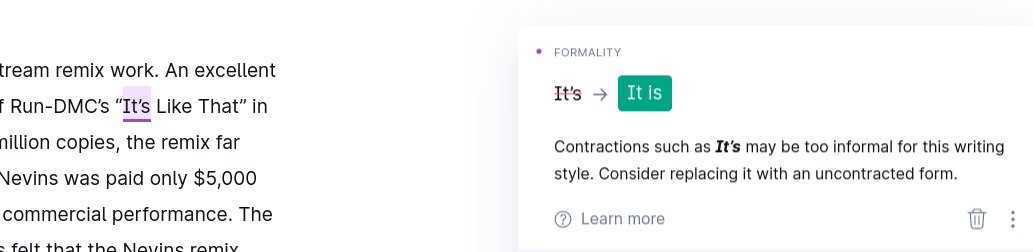
Ah yes, Run-DMC's "It Is Like That"
Today I'm back to revisions on my book about the underground piracy scene. Currently finalising the chapter on NukeNets, release rules, and quality control. https://punctumbooks.com/titles/warez-the-infrastructure-and-aesthetics-of-piracy/

Helping out around the house
Tired now
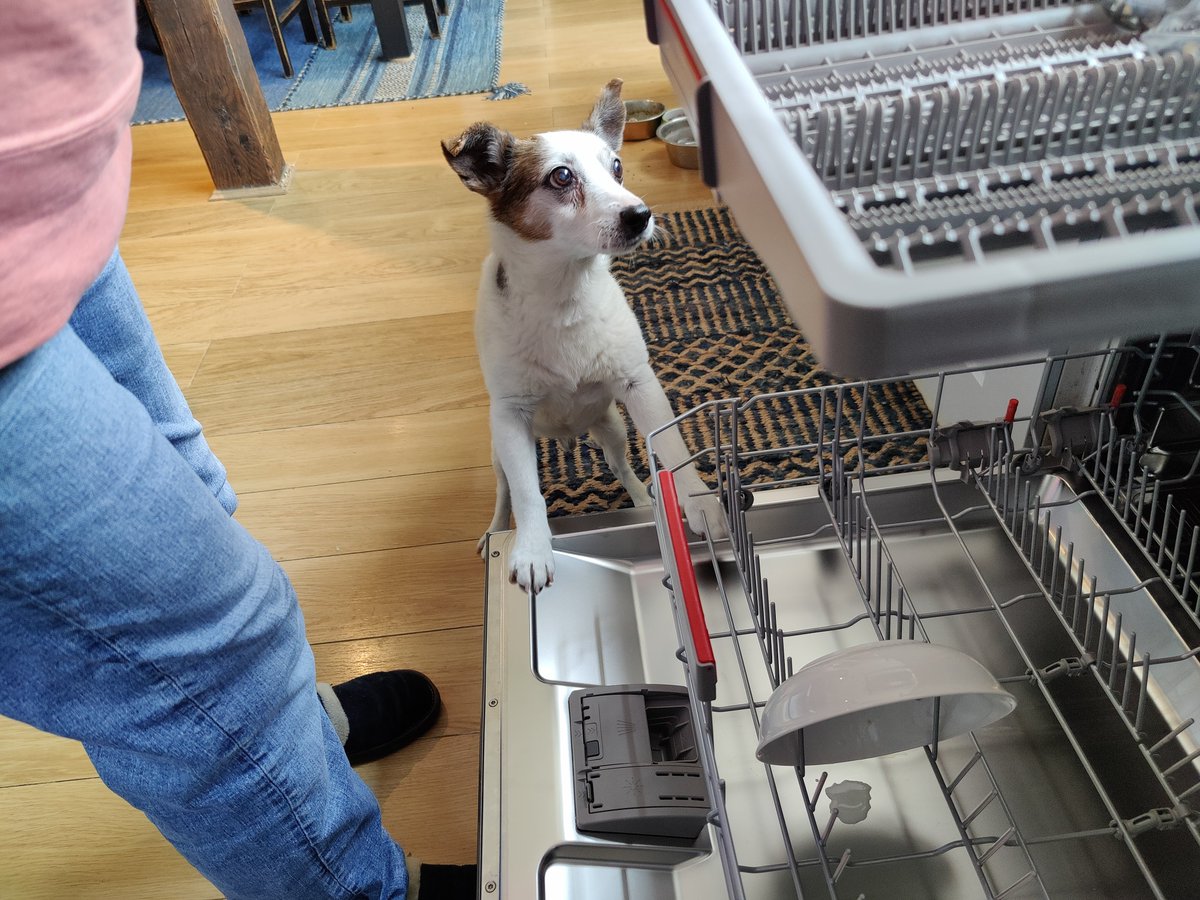
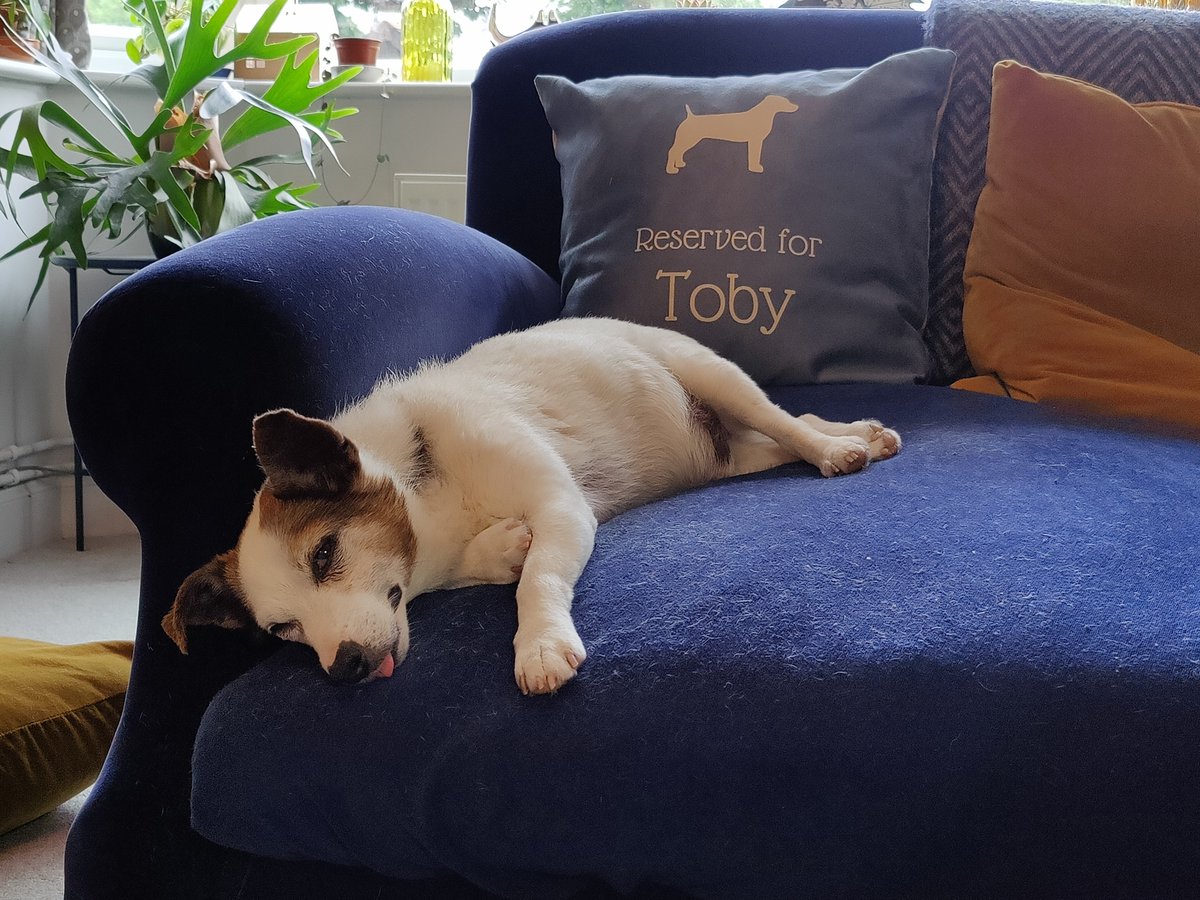
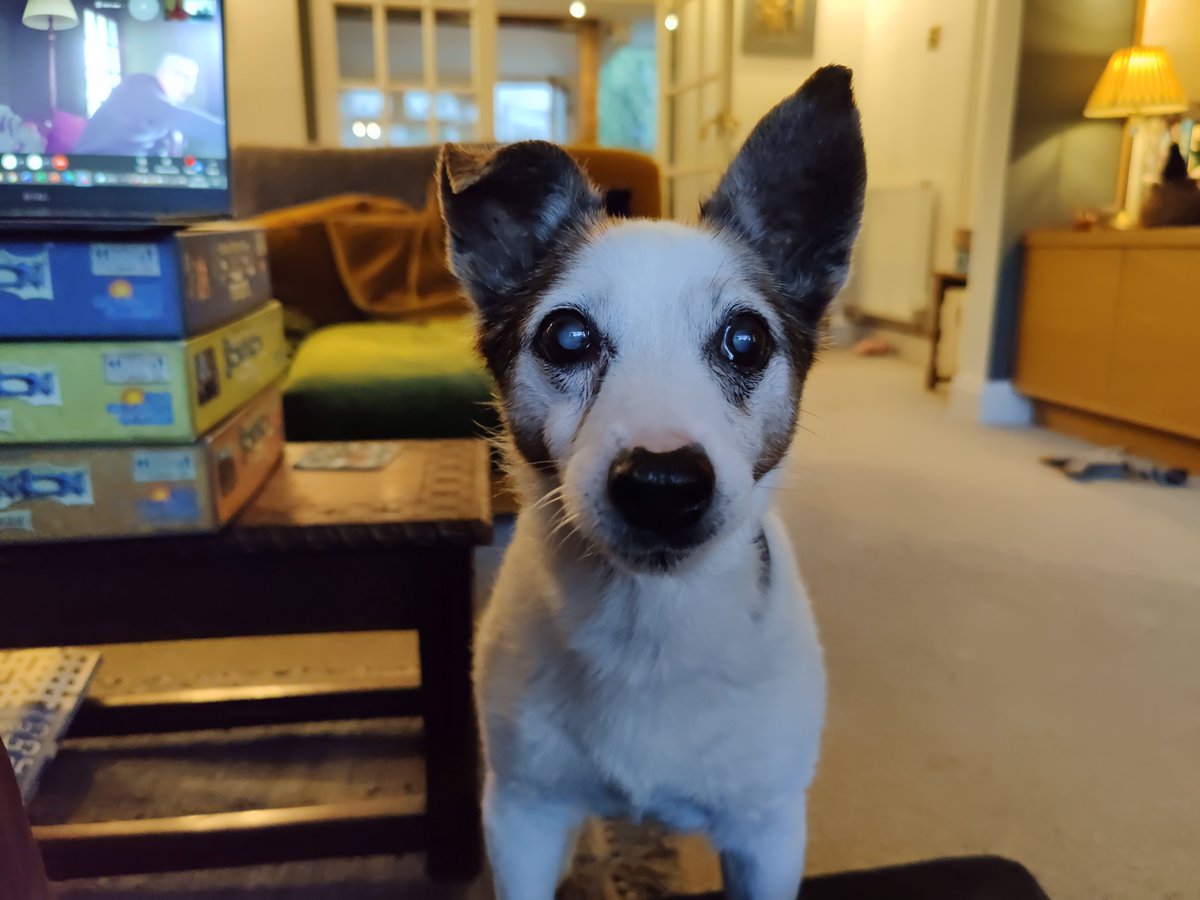
Hello?
Actual study: there was "significantly reduced S-antibody response after one and 2 doses [in] the immunocompromised group who had a 68% (95%CI: 43 to 82%) reduction in the geometric mean titre after 2 doses."
BBC: "Covid vaccines do work well in CEV"
https://khub.net/documents/135939561/430986542/RCGP+VE+riskgroups+paper.pdf/a6b54cd9-419d-9b63-e2bf-5dc796f5a91f
"When stratifying into groups of specific conditions the only group where VE [Vaccine Efficacy] was notably diminished was the immunocompromised group"
Bollocks.
University of Liverpool hit with global boycott by @ucu https://ucu.org.uk/article/11661/University-of-Liverpool-hit-with-global-boycott
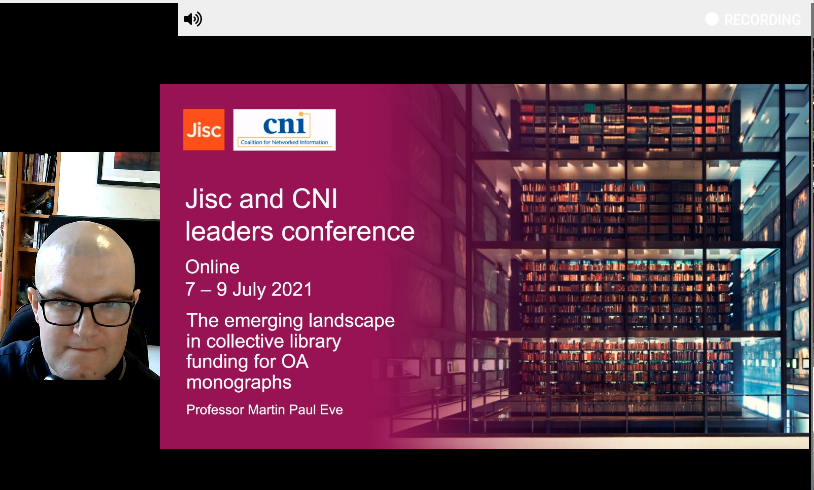
This afternoon, I will be presenting the OA monograph funding landscape and the @COPIMproject Opening the Future model at the Jisc/CNI Leaders Conference.

I hope that somebody good applies for this and gets it. Versus Arthritis Professorship of Rheumatology https://www.jobs.cam.ac.uk/job/30448/
This morning's early morning research was final edits to my forthcoming article in Book History journal, “New Leaves: The Histories of Digital Pagination”. It should be out in January, gold open access.
Repo (embargoed for now): https://eprints.bbk.ac.uk/id/eprint/43860/
Notes on “Learning to Live with the Virus” by @ernestopriego
https://ernestopriego.com/2021/07/09/notes-on-learning-to-live-with-the-virus/
Had the trippiest morphine dream last night. Was trying to remember an old academic friend's name. Could only remember what she worked on. Googled her subjects and her profile came up... and then I could remember her name. All in my dream.
Ceci n'est pas une pipe


...and running on @janeway_systems that we develop here at @birkbeck_ETC @BirkbeckUoL https://x.com/Ted_Underwood/status/1413133736850468864
Pleased to be on the editorial board of this new initiative -- and hoping to have something to submit, too! https://x.com/jcls_io/status/1413121051832225799
Thinking back on the last live gig I went to in 2020
https://www.youtube.com/watch?v=fl4YMl3duJA&list=RDfl4YMl3duJA&start_radio=1
Apparently it's
nicked from everyone
The first 4m deaths.

There's nothing for it
The damning report states disabled people, those from black, Asian and minority ethnic backgrounds or those on low incomes are now at further risk after rules on mask-wearing, as well as the requirement to work from home when possible, are set to be axed. https://www.theguardian.com/politics/2021/jul/07/england-covid-reopening-plan-dangerous-experiment-ministers-told
Spin machines: the curious history of video games on vinyl https://www.theguardian.com/games/2021/jul/07/video-games-on-vinyl-flexi-discs-zx-spectrum
Sharing the gist of my immunology appt. today to spread awareness of the challenges for immunodeficient patients (and because it helps to deal with it).
Of the 500 patients with my condition, despite shielding, several have died and quite a number have been hospitalised.
The blood product that replaces my immune system four days per week is unlikely to have effective coverage against Covid until 2024/2025. There is a twelve month delay and it has a three-year shelf life. Protection against variants also unknown.
There are no interim synthetic antibody cocktails etc. planned for general administration. There is simply an insufficient plasma supply to manufacture this at the requisite scale.
I hope to be enrolled in the COVAD trial to study the effect of immunodeficiency on vaccine responses. This may involve a booster vaccine which can provide some protection.
Publishing job: Scholarly Publications Manager at University of Westminster Press https://vacancies.westminster.ac.uk/Hrvacancies/default.aspx?id=50051774
Argh. My internet has died, which is certainly going to cause some challenges for work meetings today. Nonetheless, working on the final copyedits for my next book.

Magnus Carlsen celebrates 10 years unbroken as world no. 1
https://chess24.com/en/read/news/magnus-carlsen-celebrates-10-years-unbroken-as-world-no-1?fbclid=IwAR3X_e9qnUS6TTa3LfZKMf3HtRB8IkO3ZVBD-89T2NdG5LvxTOkm0UGNCd4
"Glitterball, glisten. Listen."
"England’s ‘freedom day’ to be day of fear for vulnerable and immunocompromised people, charities warn"
https://www.theguardian.com/society/2021/jul/06/freedom-day-fear-elderly-people-charities-warn-england-covid
Quite remarkable.
Nikole Hannah-Jones Issues Statement on Decision to Decline Tenure Offer at University of North Carolina-Chapel Hill and to Accept Knight Chair Appointment at Howard University
https://www.naacpldf.org/press-release/nikole-hannah-jones-issues-statement-on-decision-to-decline-tenure-offer-at-university-of-north-carolina-chapel-hill-and-to-accept-knight-chair-appointment-at-howard-university/
At least this is good https://soundcloud.com/whypeopledance/premiere-john-patter-yallah-melomana-records?in=melomana-records/sets/john-patter-cuatro-lados-ep
Next up today are some of the best parts of my job: reading MA dissertation work and checking copyedits to the forthcoming book /THE DIGITAL HUMANITIES AND LITERARY STUDIES/.
My first ever publishing project that I setup when a Ph.D. student. Still going strong. https://x.com/EXSJournal/status/1412406344796213250
I expect this will be a cheery, heartening conversation tomorrow.

Current lunchtime strategy for dealing with traumatic virus news
Next up today I will be giving a presentation to the @alpsp prize judging board for our joint @COPIMproject @BirkbeckUoL @birkbeck_ETC @CEUPress nomination for the "Opening the Future" project. Wish us luck!
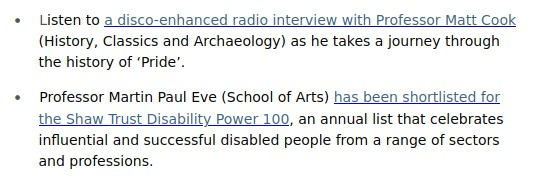
Just to add that my own output is also, of course, "disco-enhanced".
This is really good from the BBC today.
"While the vaccine offers a level of protection against Covid-19 for most people, for an estimated 500,000 in the UK - with a range of medical conditions - the jabs are unlikely to work."
https://www.bbc.co.uk/news/uk-57643063
This AM I am at the OASPA "creating a healthy OA market" event. I am sure that @samoore_ will agree with my view that this is not a brilliant framing from which to begin. Why do we assume that we want a "market"? Why do we assume, given past failures, this will be possible?
To be fair, the workshop framing has now introduced a set of reflexive questions that interrogate that very premise.
Why living with Covid would not be the same as flu
https://www.theguardian.com/world/2021/jul/05/why-living-with-covid-would-not-be-the-same-as-flu?CMP=Share_AndroidApp_Other
Look, journalists, PLEASE. CAN SOMEONE ASK: "What are you going to do to protect those who are still vulnerable after vaccination?"
Just accepting that this group must be put at risk, with no help, is disgusting. "Learning to live with the virus" has to mean supporting those who are still in danger.
"I'd like to play now, please"
In grim times, it was nice to make something good happen https://www.gofundme.com/f/jacobs-offroad-wheelchair
New review essays out today at Orbit. The Elmore Bros. on McCarthy-as-Philosopher; Isekenmeier on Contemporary Literary Mediality; and Lindquist on Postnationalism in Postmodernism.
https://orbit.openlibhums.org/article/id/4378/
Congratulations! We've got a new way to quantify you.
Precisely this https://x.com/SharonBrennan/status/1411755015312707590
I need to read this in the light of @BobEaglestone's recent piece on the challenges of context https://x.com/UCLpress/status/1411610929591205897
Toby is not impressed by the performance of Rafiki in Disney's 1994 film, THE LION KING
Today's 0 -> Funk in 60 mins muckabout
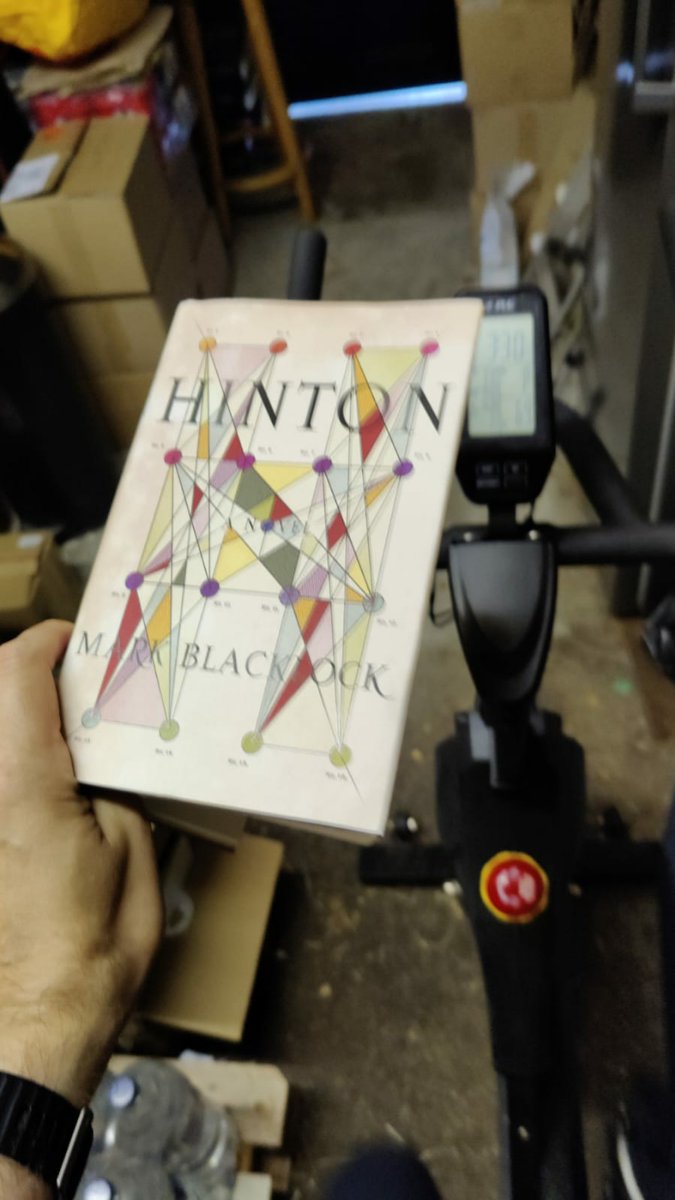
A few busy weeks led me to neglect exercise & reading. Decided to rectify these by finishing my @birkbeck_ETC friend and colleague, @DrBlacklock's, quirky, documentary second novel, HINTON, while on the exercise bike. The view is not great, but the fictional panorama wasn't bad.
‘They said I don’t exist. But I am here’ – one woman’s battle to prove she isn’t dead
https://www.theguardian.com/lifeandstyle/2021/jul/03/they-said-i-dont-exist-but-i-am-here-one-womans-battle-to-prove-she-isnt-dead?CMP=Share_AndroidApp_Other
How it started. How it's going.
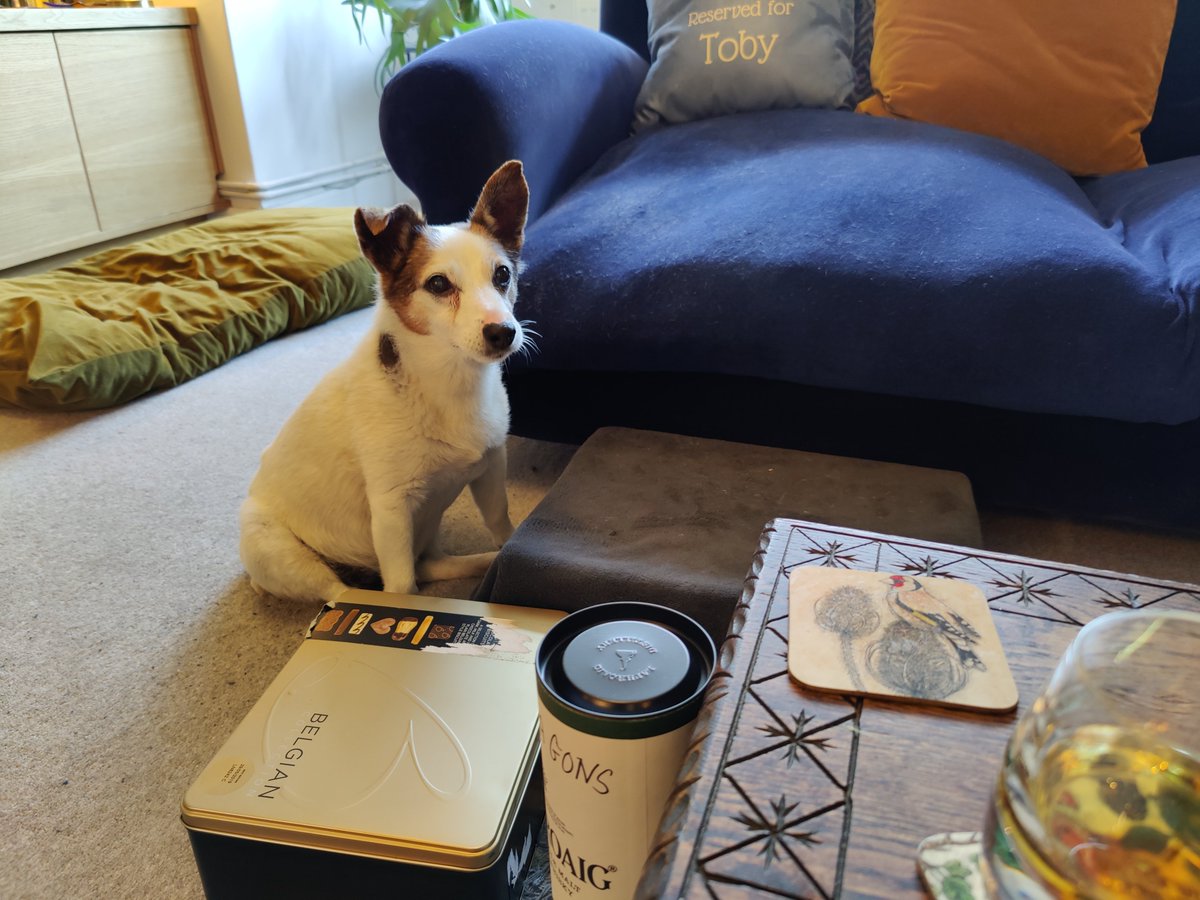
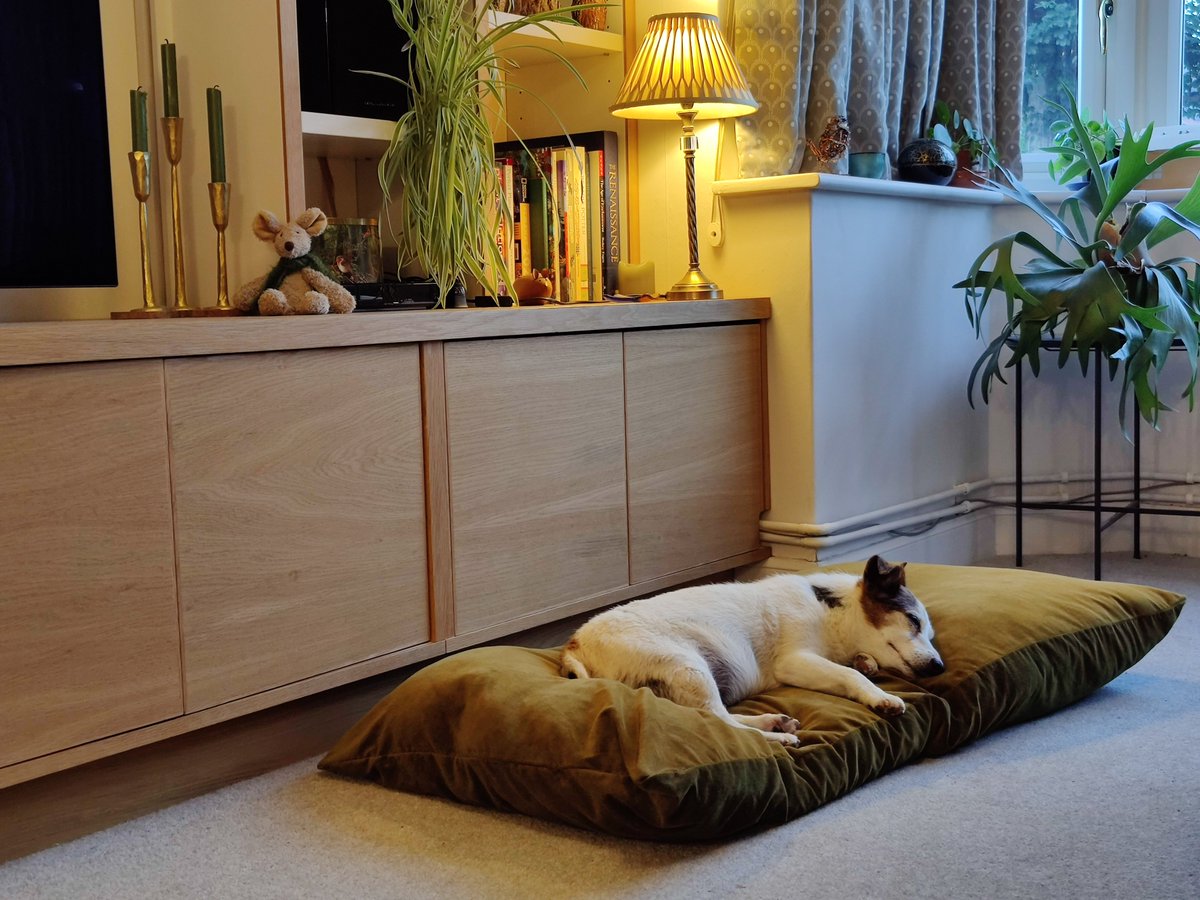
Still doing practices for digital conferences, 1.5yrs into everything being totally digital 😂
Really sorry to hear this. A robust voice who spoke up for the value of making humanities research available to everyone. https://x.com/OpenBookPublish/status/1410865246269591554
The government: "Children are desperate to go to school. They are literally breaking into schools.
Children: https://inews.co.uk/news/technology/tiktok-fake-covid-positive-test-schools-1079693
https://www.bbk.ac.uk/news/professor-martin-paul-eve-shortlisted-for-the-disability-power-100-2021
The peer reviewers and editor wanted to publish my paper. The legal team rejected it. – Retraction Watch
https://retractionwatch.com/2021/06/02/the-peer-reviewers-and-editor-wanted-to-publish-my-paper-the-legal-team-rejected-it/