
August 2021
"The persistent UK death toll is in excess of a crammed London Routemaster bus driving over a cliff day after day after day. One could be forgiven for imagining that the regular and avoidable loss of so many vehicles would be headline news"
https://www.theguardian.com/world/2021/aug/30/we-must-not-act-as-if-covid-is-all-behind-us
"The study found that out of a group of over 3 million insured US patients between ages 18 and 64, 2.8 percent were on immunosuppressive drugs [and are therefore still vulnerable]." https://www.popsci.com/health/immunocompromised-covid-19-vaccine/
Today I've learned that the NHS refers to gardening for therapy as “green social prescribing”.
Looks as though the talk I did for UKSG on behalf of @COPIMproject is now OA https://underline.io/events/53/sessions?eventSessionId=2456
Nothing libertarian about the electro honking I recorded this afternoon
Pretty terrible for a movement that was, for me, always about community, care, and fun together 😔 https://t.co/sU1F7yn3hy
I'm mired deep in writing complex Django “Q” queries this afternoon and can't resist a final flippant comment #trekkie #TNG

I still laugh at LSP's letter to Japan's Ministry of Justice. It can't have helped.
“I LEE PIPECOCK JACKSON PERRY would LOVE to express my concern over your consideration of one quarter kilo to be an excessive amount of herbs in the case as it pertains to master PAUL McCARTNEY”
Ah no. RIP Lee "Scratch" Perry.
https://www.theguardian.com/music/2021/aug/29/lee-scratch-perry-visionary-master-of-reggae-dies-aged-85
It seems somehow strangely wrong how close together were the advent of the bicycle and the motorcar. You'd think the former would be centuries before the latter. Or, at least, I would.
It's just so typical, as well, here, that the interview with the editor asks "when do you think the journal will get an impact factor". While more enlightened minds campaign for responsible use of metrics, there's just no intention in this case.
https://www.journals.elsevier.com/new-techno-humanities/news/interview-with-editor-in-chief-professor-qinglong-peng https://x.com/martin_eve/status/1431925862119710723
The Hospital Mandated Exercise Programme™ for my heart problem (apparently a side effect of the stroke) is, quite frankly, a total bastard. Sticking with it though.
Apparently the peripheral vascular damage has led to altered blood flow throughout my body, which means the heart works abnormally. Very odd.
I can expect to see results... In 5-6 months. 😭😐😵
1 the writing in the blurb here is pretty terrible
2 wild and unsubstantiated claims for novelty
3 many non-Elsevier outlets you could pick instead for fee-free OA https://t.co/6KqvT6Jiup
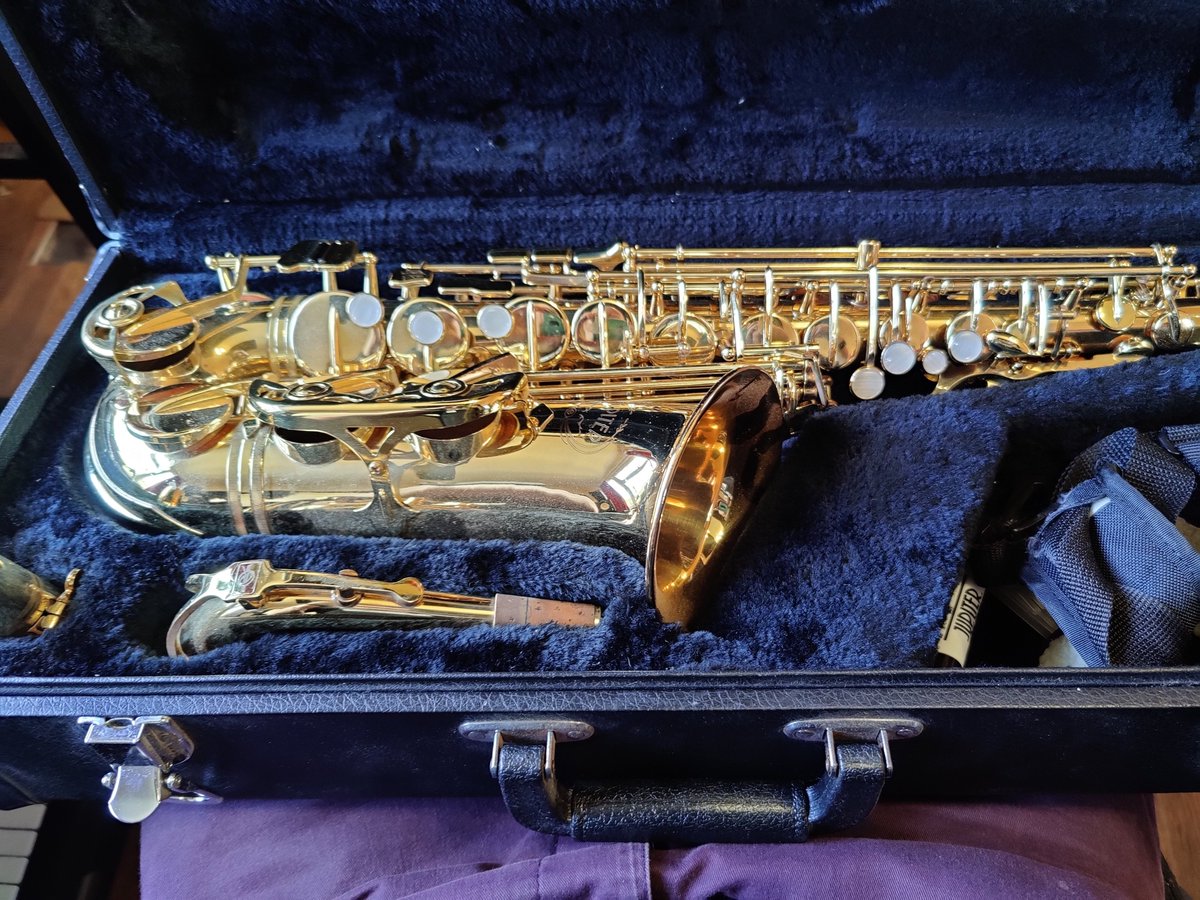
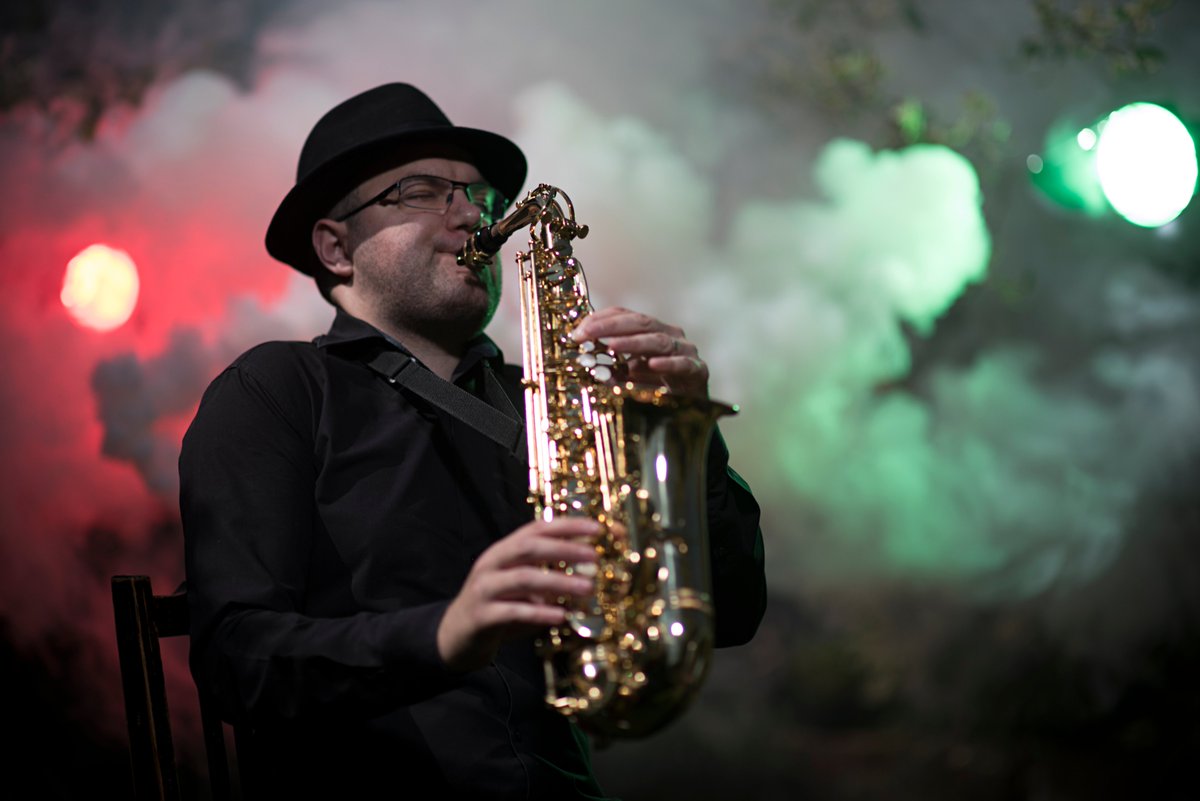
It's been a pretty long time since I played it, but got the urge to resurrect my saxophone last night. Honking time.
* photo of playing not from last night 🎷😂
Tada. And there we have it: full python API integration with Thoth 0.4.2 from the @COPIMproject. Not bad for 9.30am on a Sunday. https://github.com/thoth-pub/thoth-client/pull/2
I think that the story might be p-hacking https://x.com/alvinfoo/status/1431458670684954629
Further work on Thoth import to display a books catalogue!
@COPIMproject @cmplxtv_studies @rupertgatti @ontakragoueke
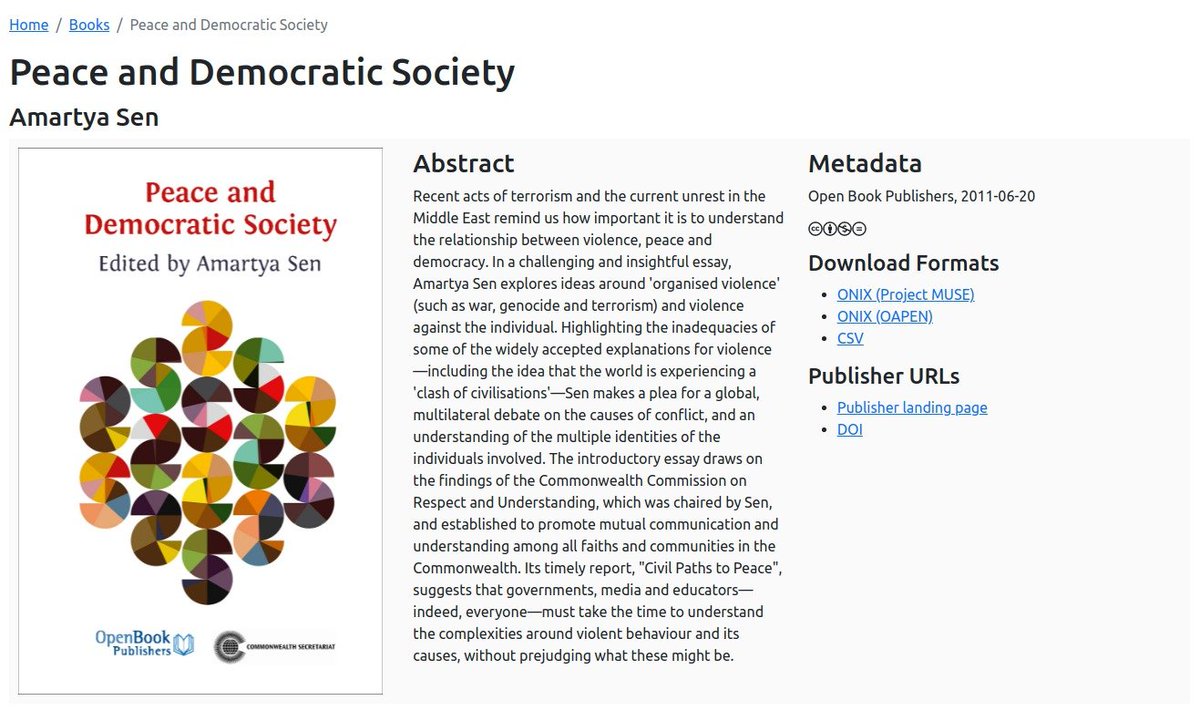
Trying to get an ebook on "loan" from VLeBooks. The only part of it that works is the DRM: it will stop me printing more than 60 pages. But I can't actually download it.
If you are going to develop irritating DRM, perhaps make sure your core functionality works first?
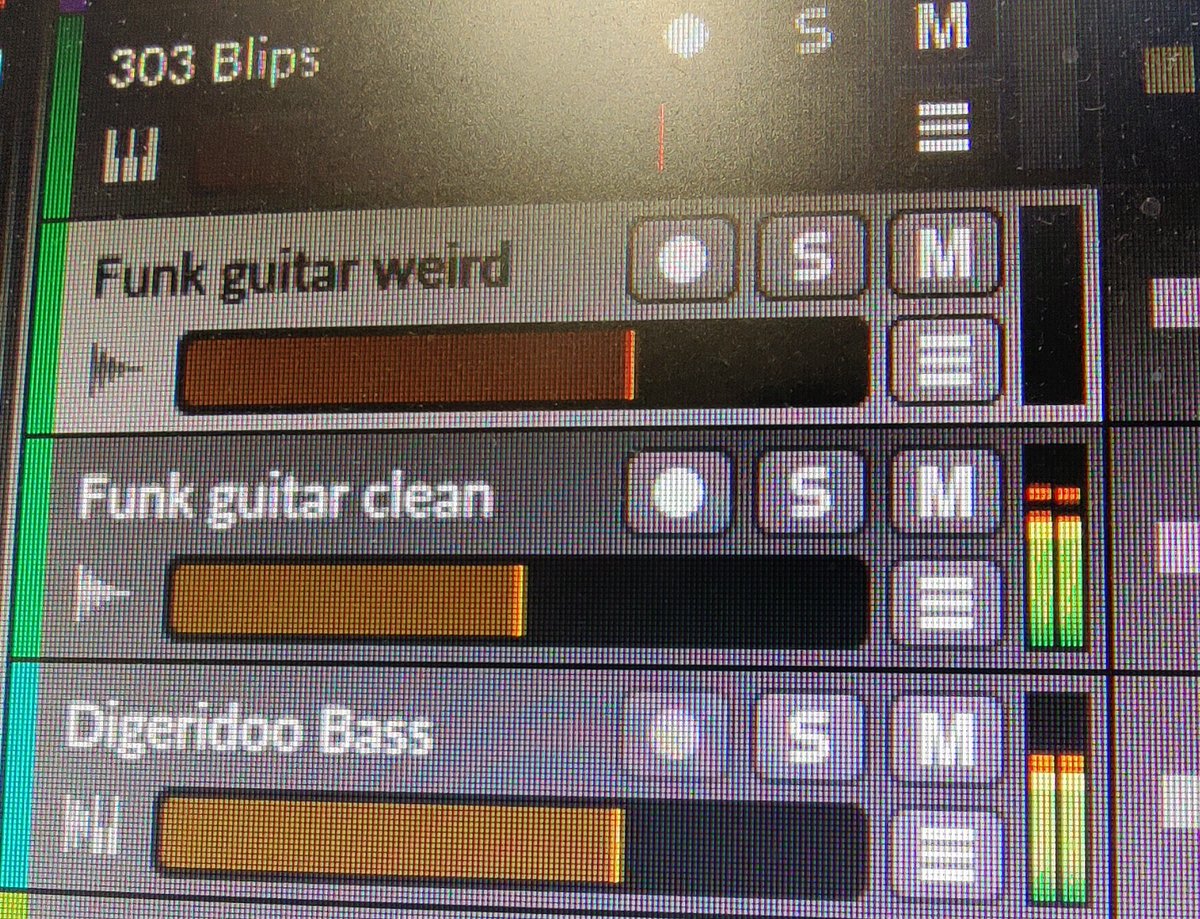
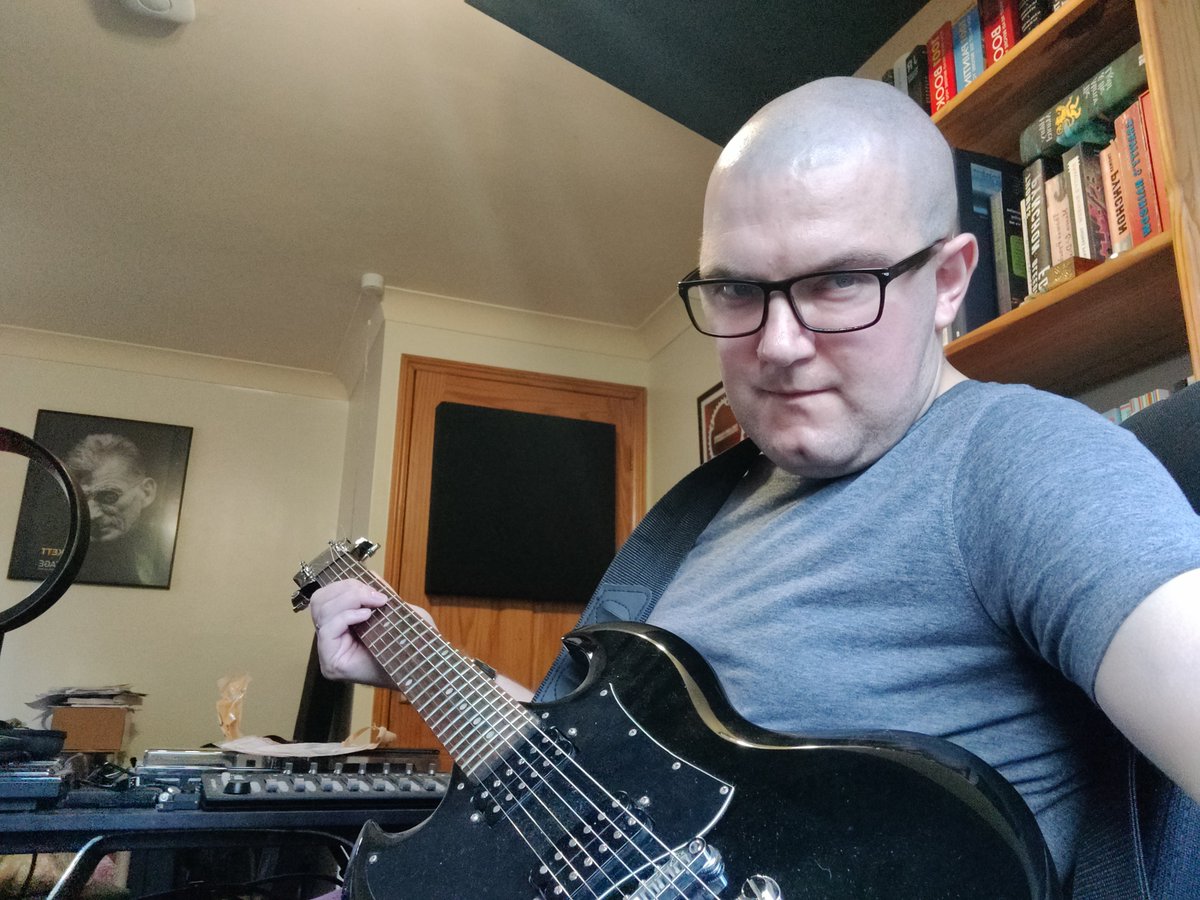
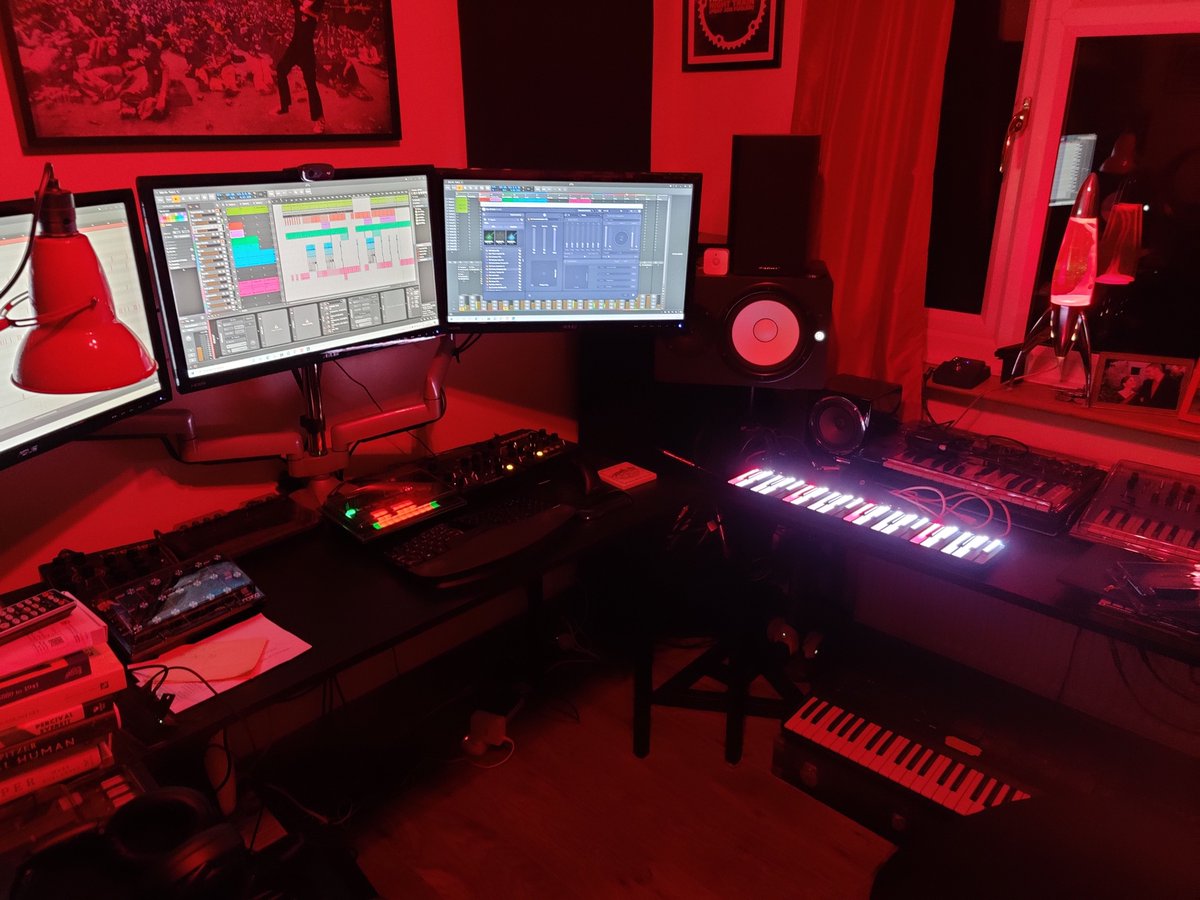
It's Friday. Its a bank holiday weekend. It's time for "Funk guitar weird".
Also: didgeridoo bass.
It feels great to know that your country's leader regards your death as acceptable. 140 people per day and we're almost there already.
Boris Johnson 'privately accepts' up to 50,000 annual Covid deaths as an acceptable level.
https://inews.co.uk/news/boris-johnson-privately-accepts-up-to-50000-annual-covid-deaths-as-an-acceptable-level-1170069
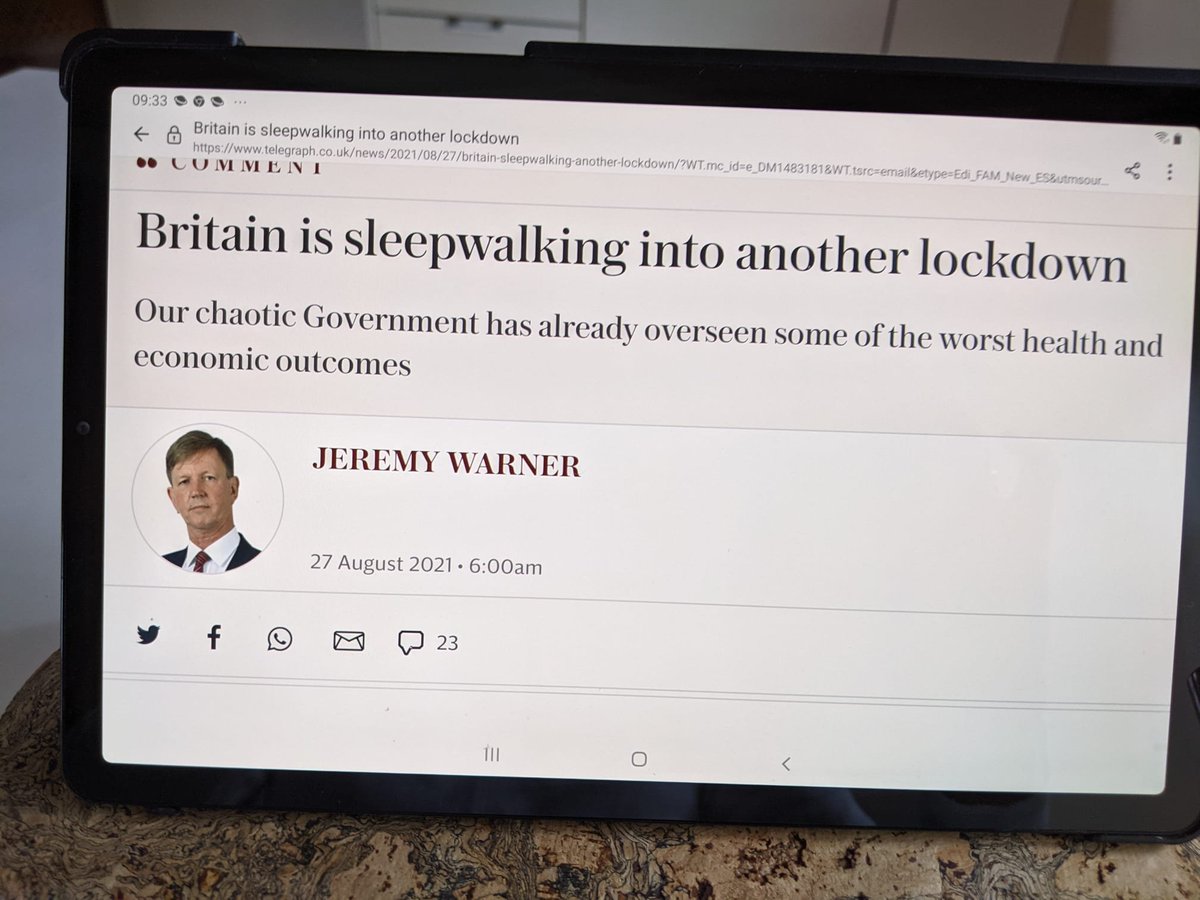
The Telegraph finally gets it. This year, in the summer, when everyone's outside, we have 150 deaths per day. A year ago today, we had 16. Combine waning immunity with the possibility of vaccine escape, and autumn looks dire.
Meanwhile, hospital waiting times for routine treatments are set to soar, because you just can't operate a safe clinical environment with uncontrolled viral spread. Shielders, like me, now unaided by any government help, are having to lock themselves down to prevent infection.
Harling-Lee | Caught in the Regime: Classical Music and the Individual in the Contemporary Novel | Open Library of Humanities
https://olh.openlibhums.org/article/id/4685/?fbclid=IwAR3kPujQQBwxZ5FS17reMamwzskQCPwO9tuAhEM5qa3aDwys3nrsm1u4jrs
Linux is 30 years old today
https://blog.adafruit.com/2021/08/25/linux-is-30-years-old-today-linux-opensource-linus__torvalds/
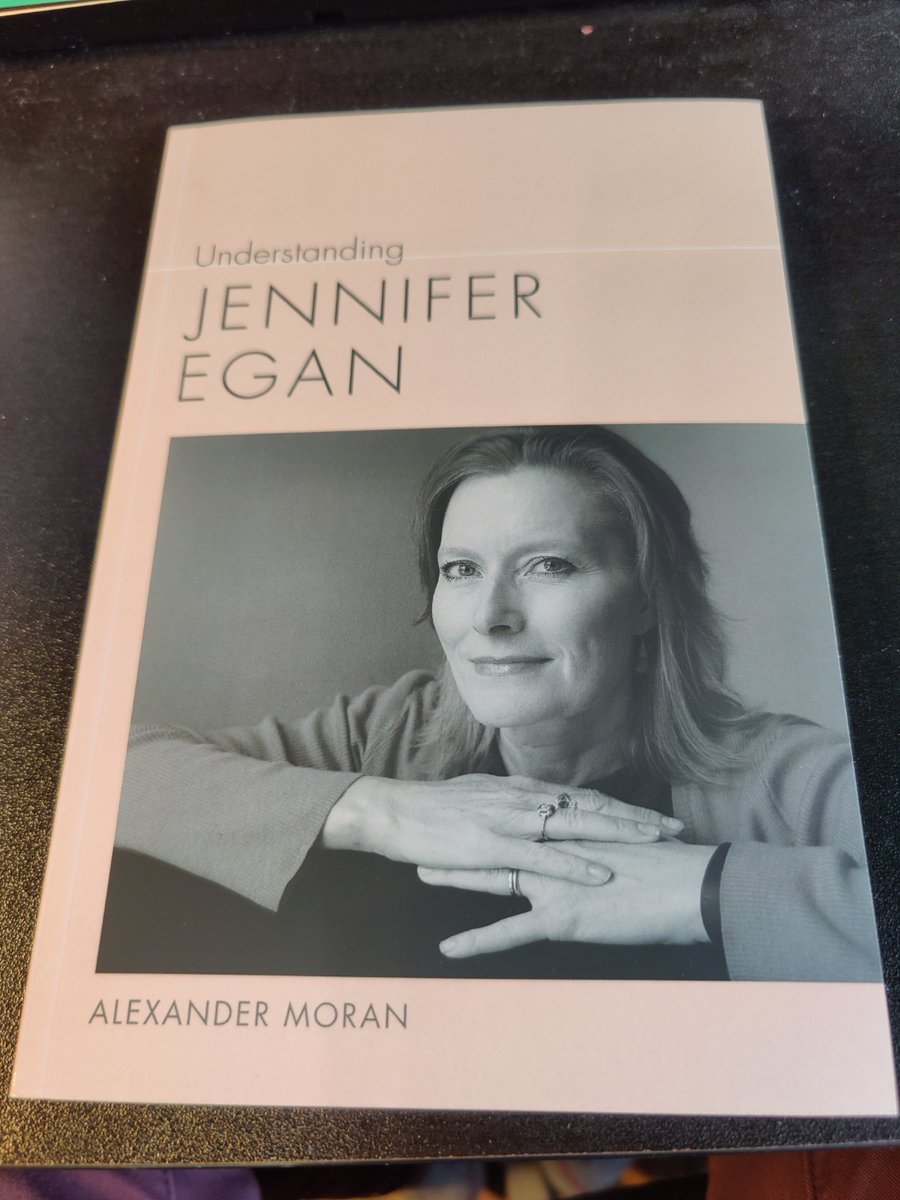
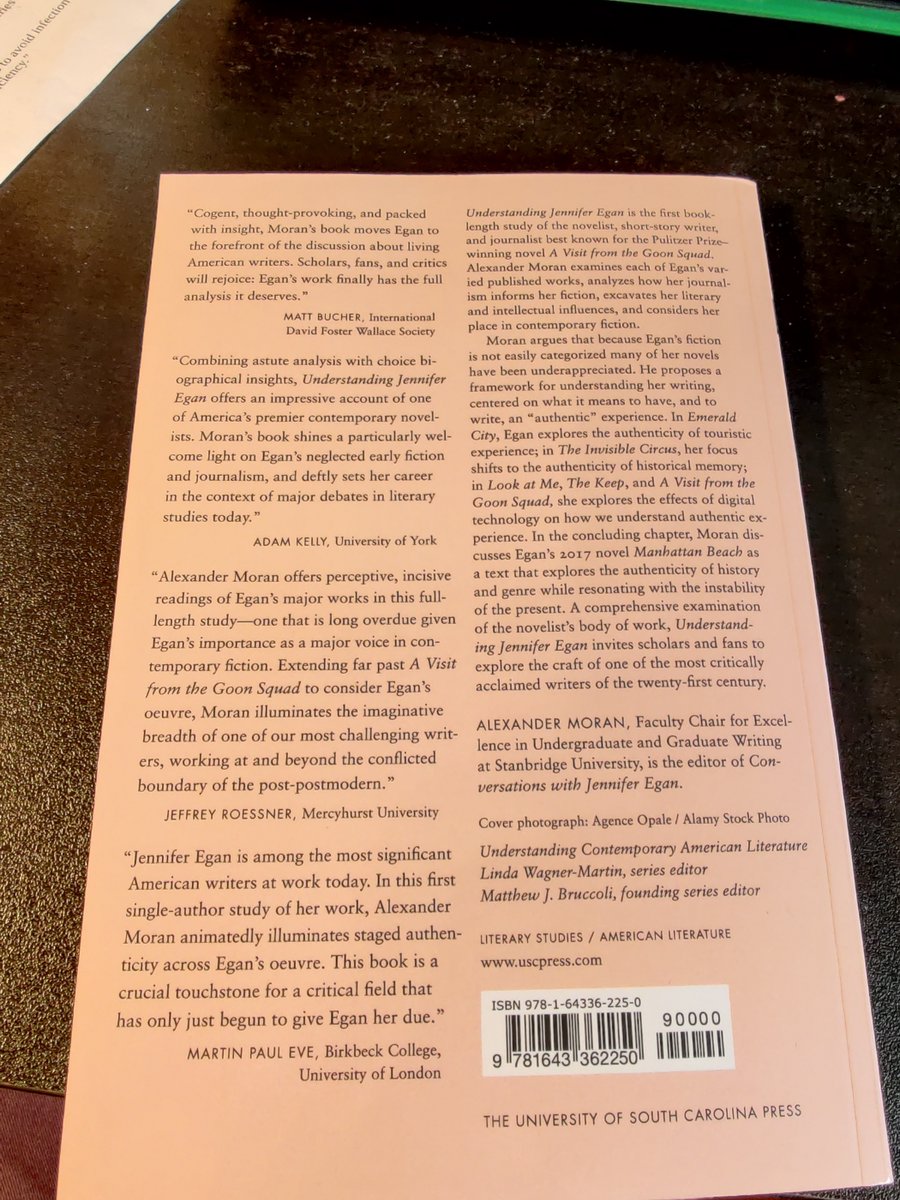
Today's lit crit hard copy postal treat is Alexander Moran's volume on Jennifer Egan - the first monograph devoted to her work. A
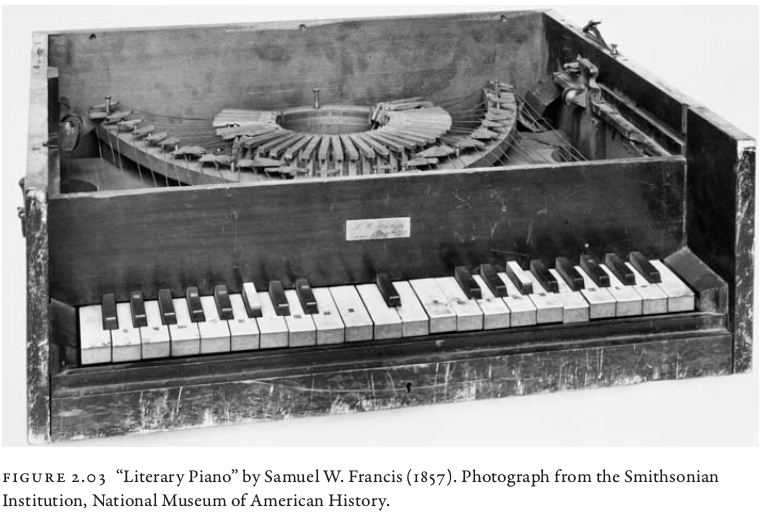
This morning I am reading Ivan Raykoff's, /Dreams of Love: Playing the Romantic Pianist/ (Oxford: OUP, 2014) and loving the converging backgrounds he charts of piano keyboards and typewriter keyboards.
Was wondering this AM what has happened with the Sci-Hub case at the High Court in Delhi. I thought it was scheduled for the 23rd August...
When the legalities of natural language generation meet literary theory...
https://nonsite.org/against-theory-now-with-bots-on-the-persistent-fallacy-of-intentionless-speech/
Even though it's not Christmas, this evening I rewatched DIE HARD (1988). It really is a hilariously self-aware 80s action film.
It's odd to think that, in pre-Covid times, the talk I just did would have involved international travel and at least 2 days away. Now, just a few hours and I think "what task should I do next?"
Looking forward to this.
I'll be answering the question: “Why is Whitespace White?” https://x.com/vicki_will/status/1430433260992008197
AHRC Blank Generation award scheme https://x.com/conversiontales/status/1430452934391869442
For those who would like to review them, my slides for #OpenAccessIE are here https://eprints.bbk.ac.uk/id/eprint/45502/
And we're now kicking off the NORF/IHA event on open access. I'll be speaking about opportunities, challenges, and ways forward.
We are using the #OpenAccessIE hashtag
Words Algorithm Collection - finding closely related open access books using text mining techniques by @ronaldsnijder https://liberquarterly.eu/article/view/10938
Preprint at The Lancet from the OCTAVE trial.
72.4% of the patient group who had received Rituximab, the drug that caused my permanent immunodeficiency, did not generate antibodies in response to the vaccine.
https://papers.ssrn.com/sol3/papers.cfm?abstract_id=3910058
10 years ago, today, I was giving a talk in Tokyo and feeling somewhat lost in translation...

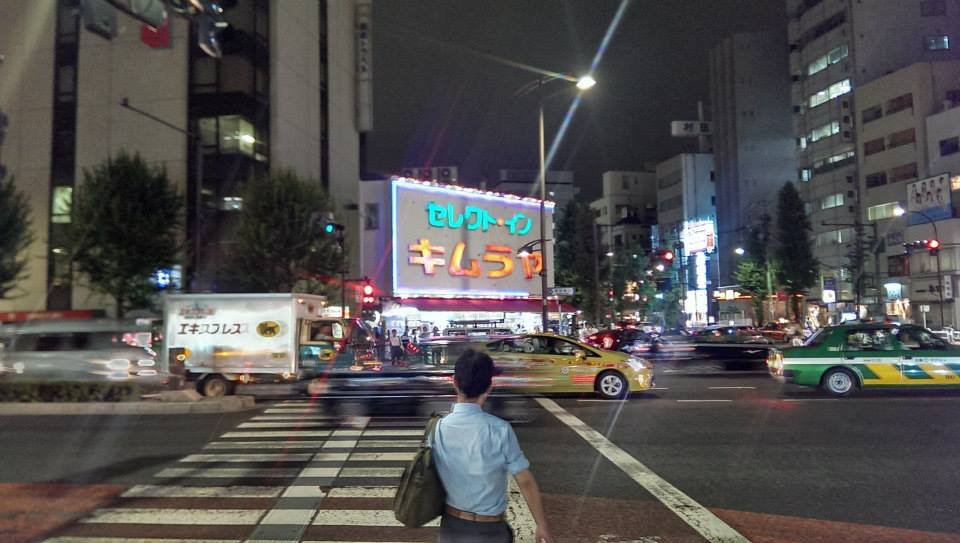
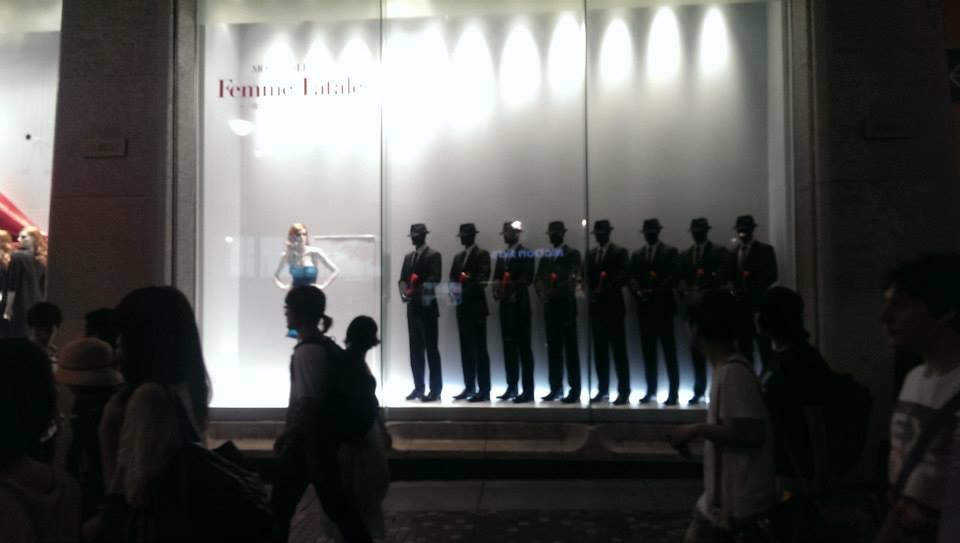
I try to get Simon involved in all of my writing projects. He's busy for a reason (he's good). https://x.com/SFD85/status/1430182243901841416
This is the kind of FFP3, 10-day, post-hospital calendar notification that I can get behind ;)
14-day, even!
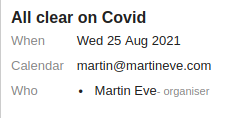
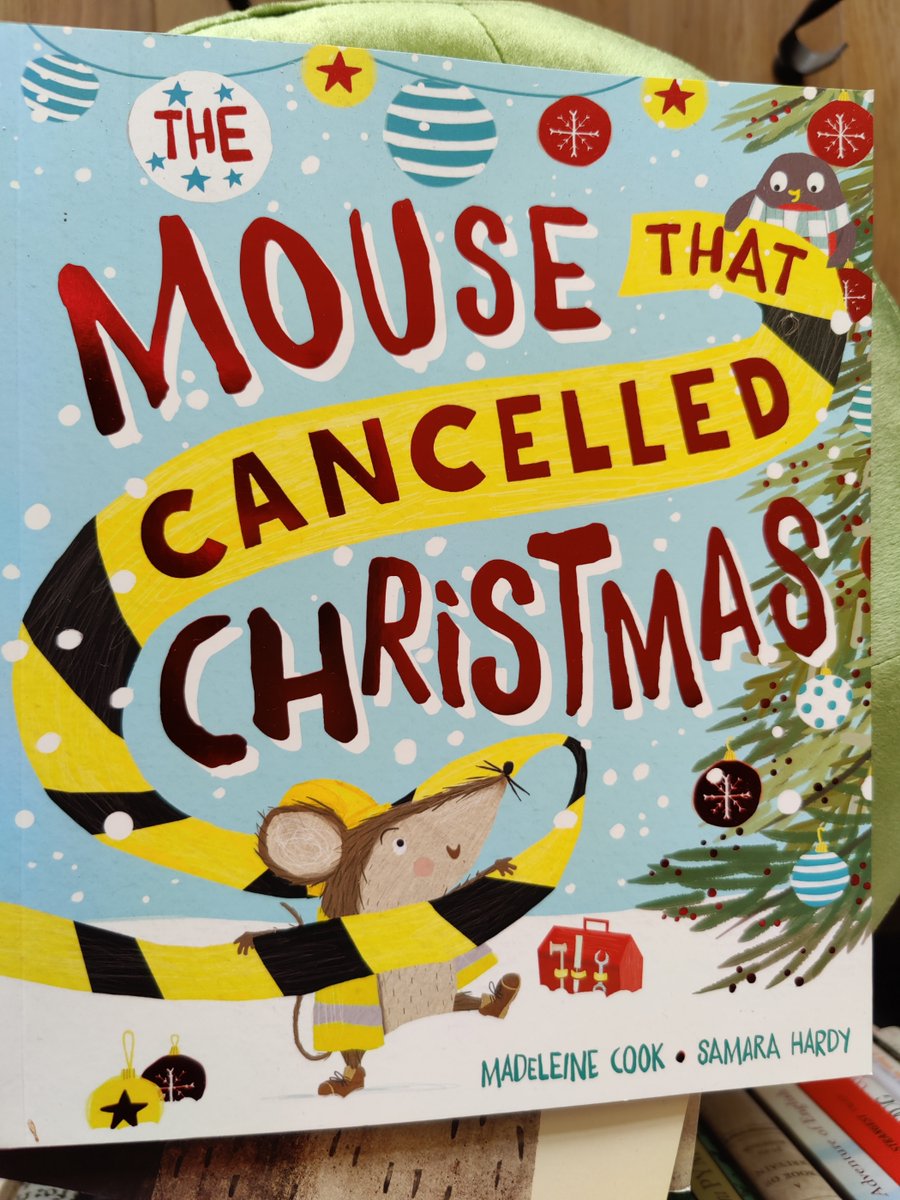
"Cancel culture has really gone too far"
"Synthetic groove professionals"
"The challenge is getting the model to work beyond a handful of successful, single-resource experiments (including the ArXiv preprint server, the Open Library of Humanities, and SCOAP3)".
Yeah, quite (though we're not an experiment).
https://commonplace.knowledgefutures.org/pub/erpw9udj/release/3?readingCollection=58eb241e
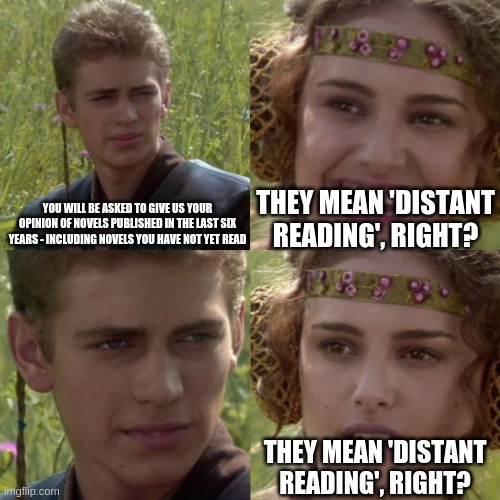
"You will be asked to give us your opinion of novels published in the last six years - including novels you have not yet read"
https://nquire.org.uk/mission/the-2020-reader-review/contribute
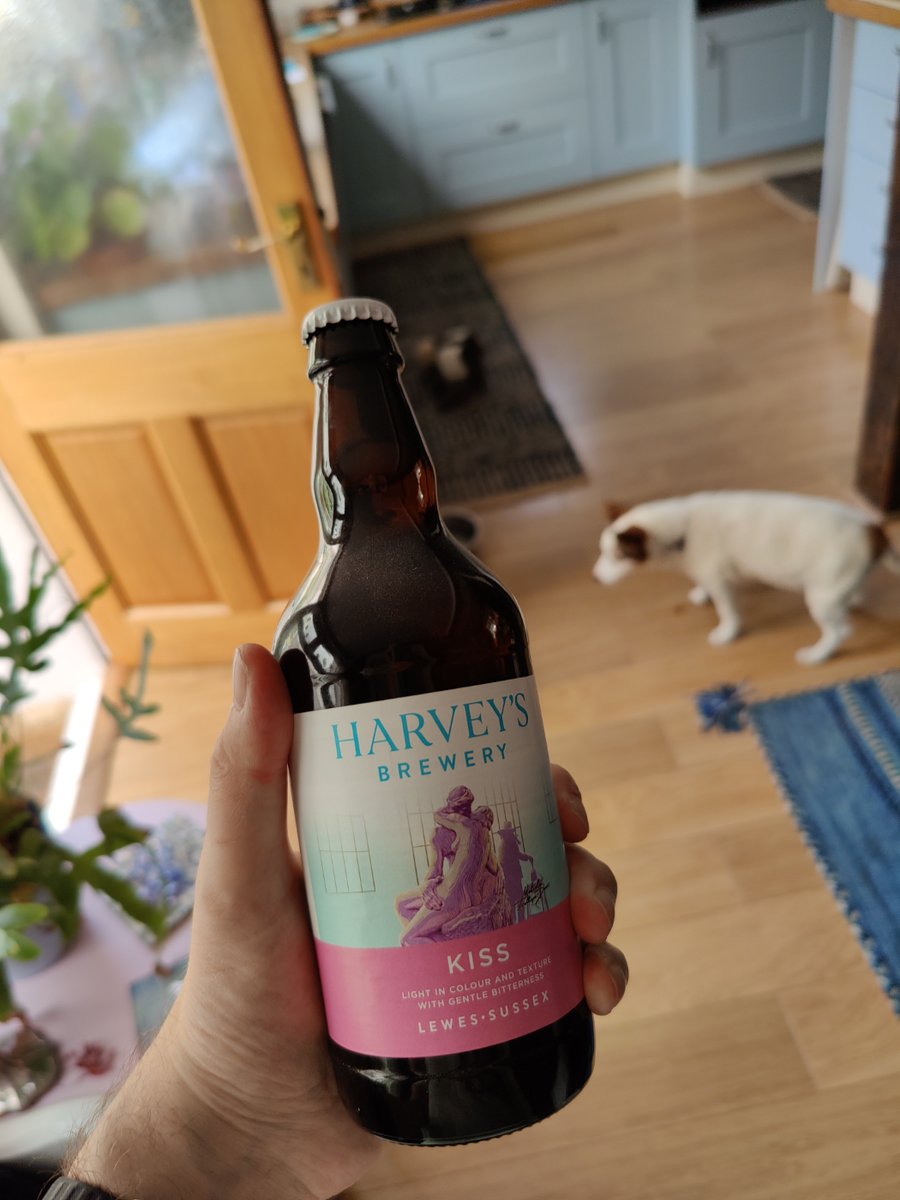
Every time I pick up one of these beers, I get the initial chords from a certain Prince track blaring in my head.
I have been invited to join the technical advisory group of Humanities Commons, the platform behind the MLA's subject repository and for which I previously contributed the DOI lookup code. It's a great platform and I'm pleased to be involved!
https://sustaining.hcommons.org/details/governance/
This week, for me, is finishing writing the second chapter of Paper Thin: New Histories of Digital Text. It's been a bit of a rollercoaster this one, encompassing material histories of paper and ink through to an analysis of Unicode control characters as speech acts.
Also this week:
I will speak at Open Access and the Humanities: A dialogue on future directions for Ireland, organized by the National Open Research Forum and Irish Humanities Alliance https://eprints.bbk.ac.uk/id/eprint/45502/
I will also attend a focus group at our institution around "innovation". While everything I do (and want to do) is public-good oriented, I hope this will let us discuss how we can be more reactive to opportunities for non-standard university activities.
Finally, there's lots going on around COPIM that is quite exciting and fun on an ongoing basis!
"Circular breathing"
Aargh. I've just learned of PiFS, a filesystem that simply points to the start and end points of the digits in Pi that... precisely replicate the contents of your hard disk.
https://esoteric.codes/blog/make-your-hard-drive-infinite-with-these-three-file-systems
https://github.com/philipl/pifs
Can anybody please recommend the best starting point for reading about the language-ness (or otherwise) of programming languages?
"Lesh queried the point of lockdowns and maintaining closed borders for a virus, that with vaccines in the mix, caused limited harm to people."
Ah yes, the limited harm of,
*checks notes* 4.42m dead so far.
You live through the 6th most lethal disease in human history and media commentators still say it has caused "limited harm".

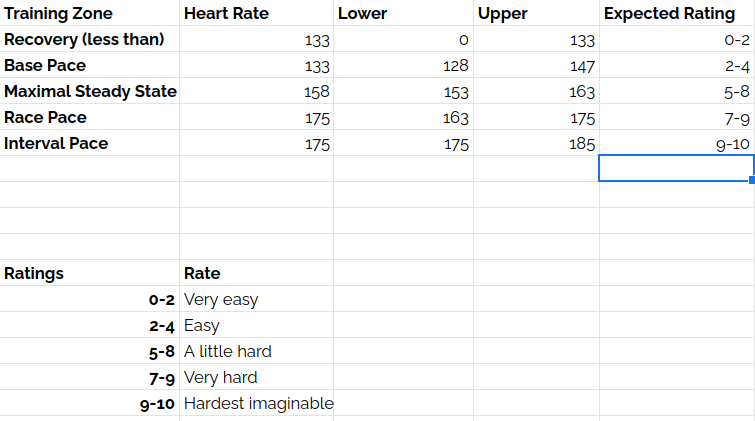
One of the heart/autonomic things that they found a couple of weeks ago at the hospital requires a new type of exercise training regime with specific pacings. This is a good excuse to do some serious spreadsheetage.

Show me the sunshine
In your eyes
Take me away
Today I have been writing about Unicode and its hidden whitespace characters. Have now switched to proofing the OUP book and coincidentally hit the section on ASCII Art, which is more thoroughly explored in the Warez book. Many interconnections between these works, in parallel.
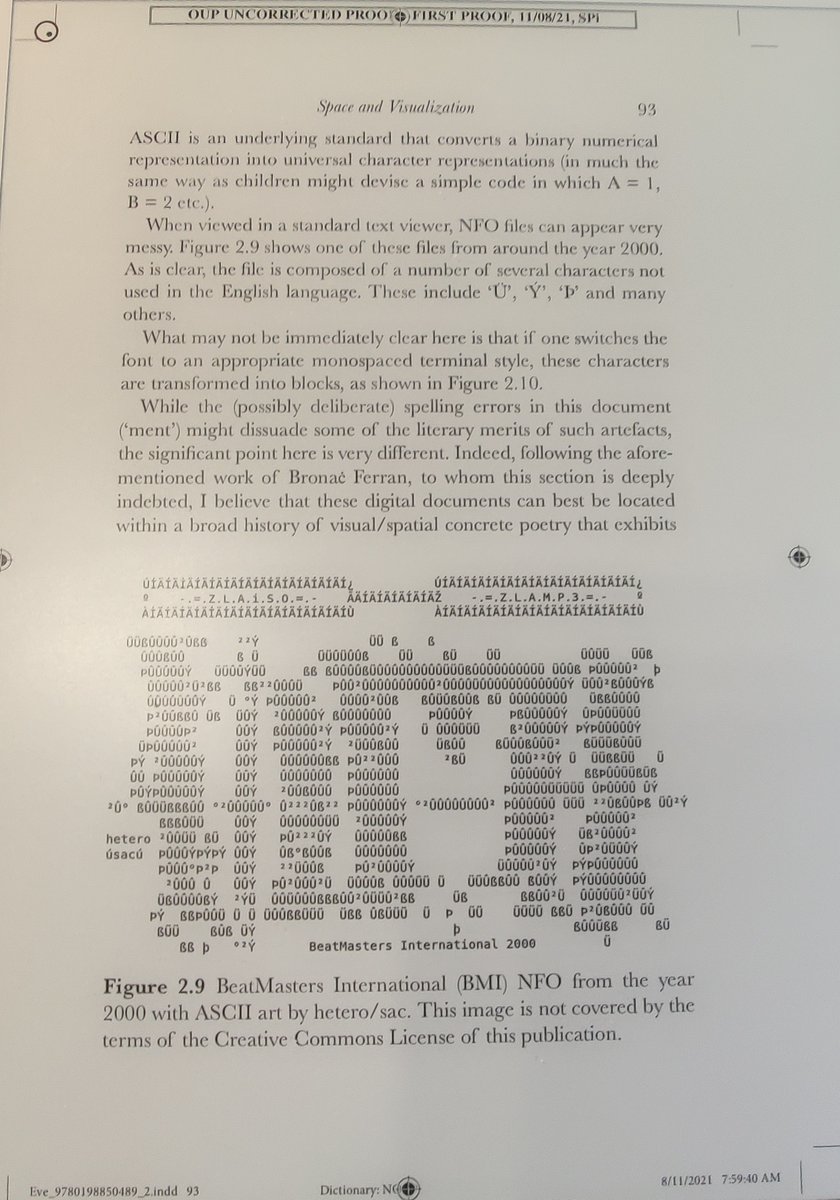
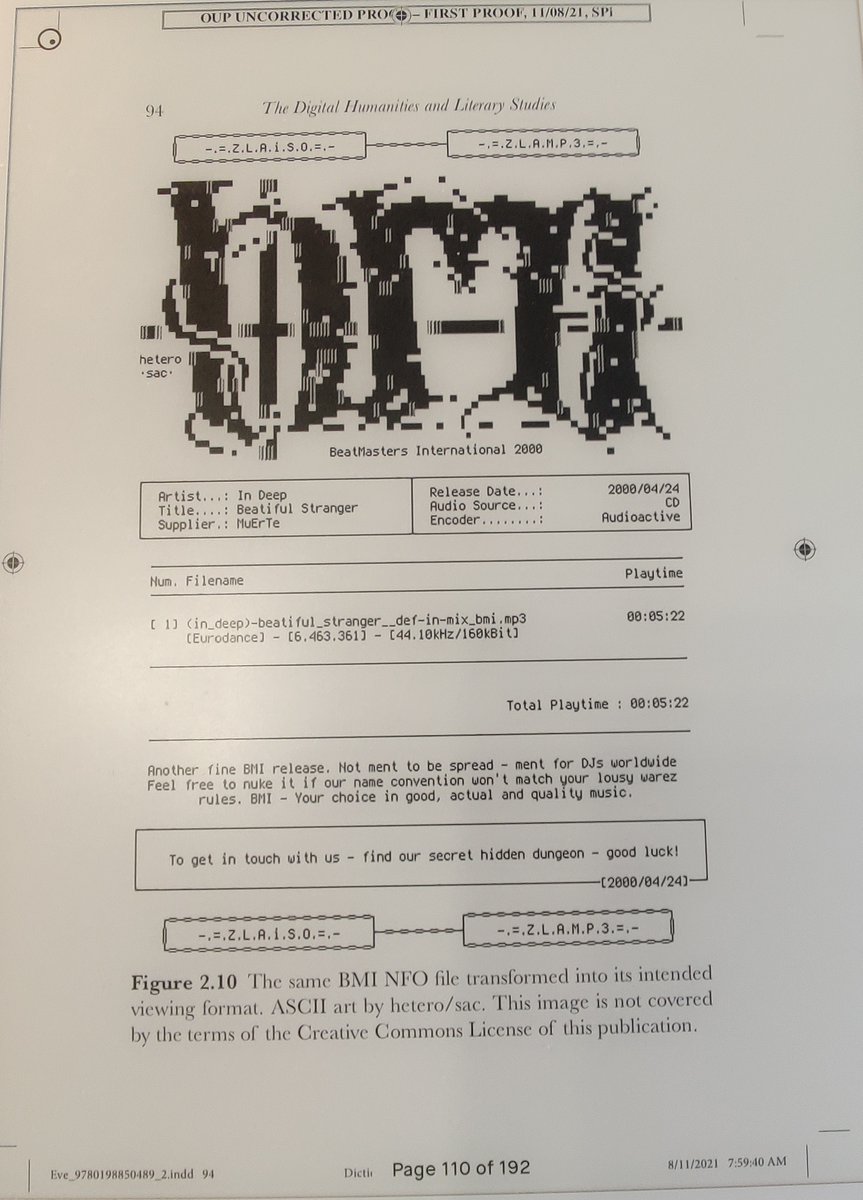
This is the single most important development for me, medically, in the past 18 months. https://x.com/PeterHorby/status/1428630944953552896
Friday listening...
Tracy Chapman - Give Me One Reason (Lev Tatarov & Thommie G Edit) https://soundcloud.com/lndkhn/lndkhnedits014-tracey-chapman-give-me-one-reason-lev-tatarov-thommie-g-edit
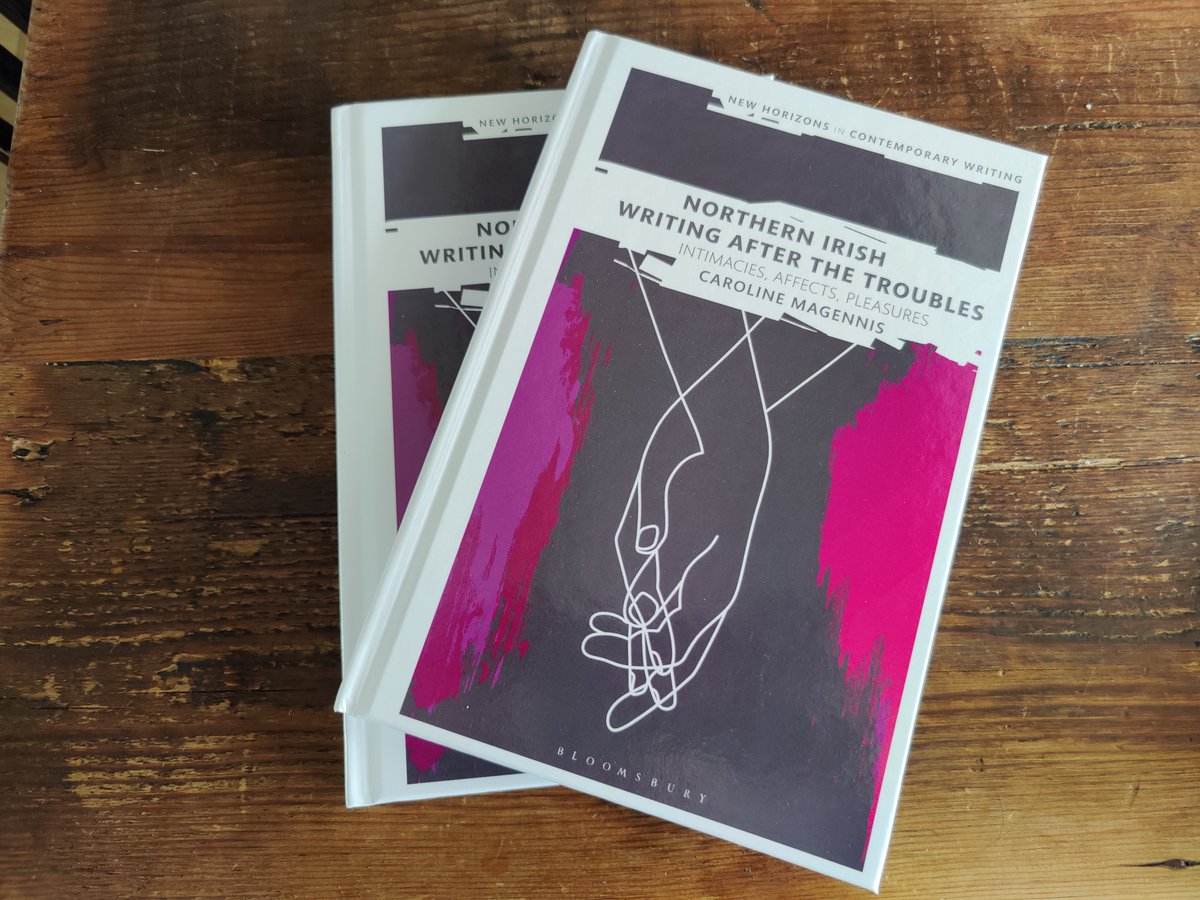
Today's postal goodies brought @DrMagennis's Northern Irish Writing After the Troubles: Intimacies, Affects, Pleasures in our New Horizons in Contemporary Writing series
As I enter my later thirties, I am increasingly appreciating the music of Genesis, which is a worry.
"I can't dance..."
Has anybody written about the discourse of "interest" in the humanities? A common apologia is "I'm particularly interested in", and I'd be curious to read about the intersection of subjective expertise and subject focus in such discursive manoeuvres.
Current status
"I see you have hot chocolate. I am sure that I would also like hot chocolate."

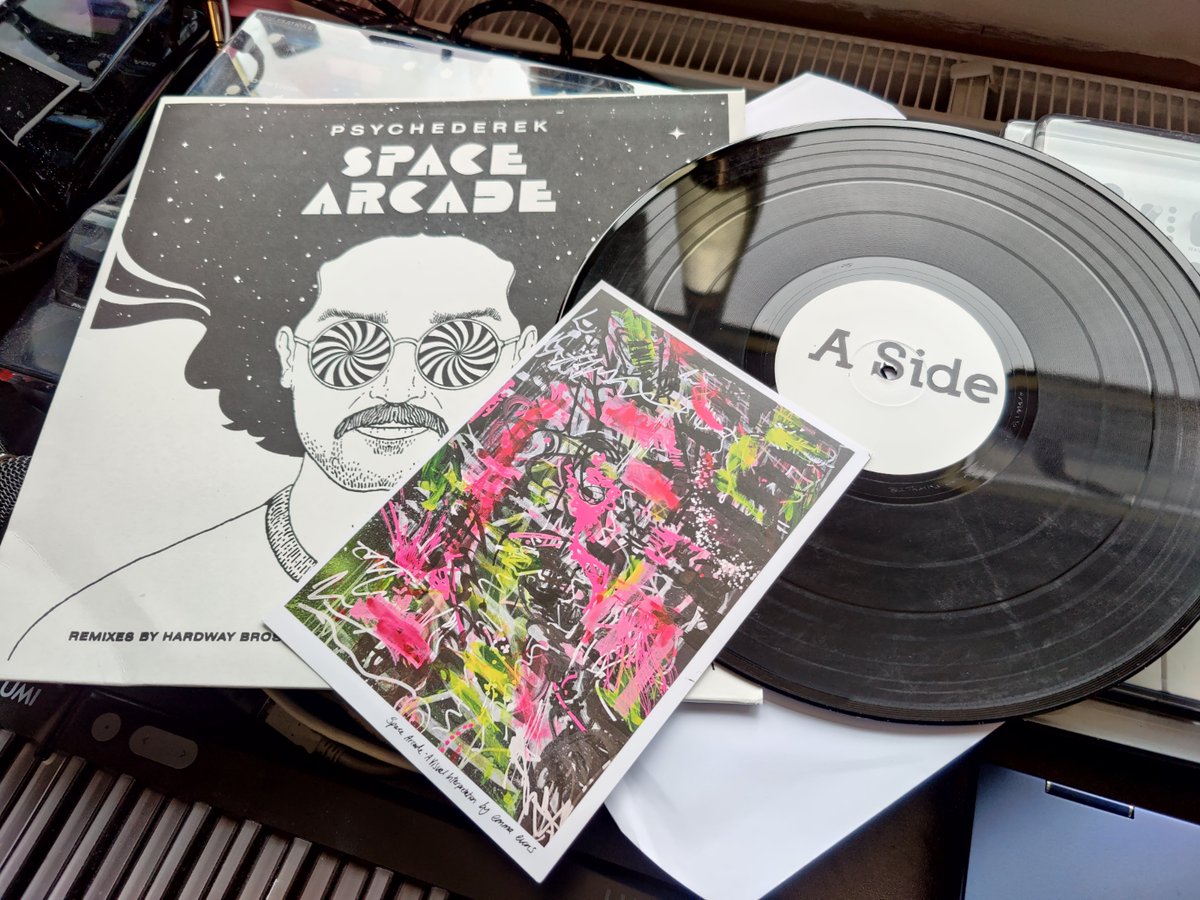
Tonight's evening record is the new Psychederek EP, featuring @HardwayBros and my label boss, Dunc, in his "Monkton" guise...
Today I replaced my OpenVPN setup with Wireguard, including transpiling the kernel modules for Synology DSM 7 NAS (Denverton) devices. Used Netmaker for administration and it's great!
Netmaker: https://github.com/gravitl/netmaker
The current situation for severely immunocompromised just got a bit worse. 😬 "The onset of COVID-19 has reduced the availability of donated plasma meaning immunoglobulin supply is not equal to the current demand. A shortfall of 10% to 20% has been estimated."
Today I will be enrolled in the COVAD study (COVID infection in patients with Antibody Deficiency). The study formally examines what level of protection people with immunodeficiency have from the vaccines.
The study will inform future COVID-19 guidelines for care of patients with antibody deficiencies. https://www.ucl.ac.uk/news/2021/may/study-investigates-immune-response-covid-19-patients-antibody-deficiency
CEU Press’ Opening the Future programme hits funding target for 2nd and 3rd books https://ceup.openingthefuture.net/news/11/
If you need to blow away some Monday cobwebs, here's the mix I did for Feed Your Head a couple of weeks ago! https://soundcloud.com/feedyourheadradioshow/feed-your-head-guest-mix-martin-eve
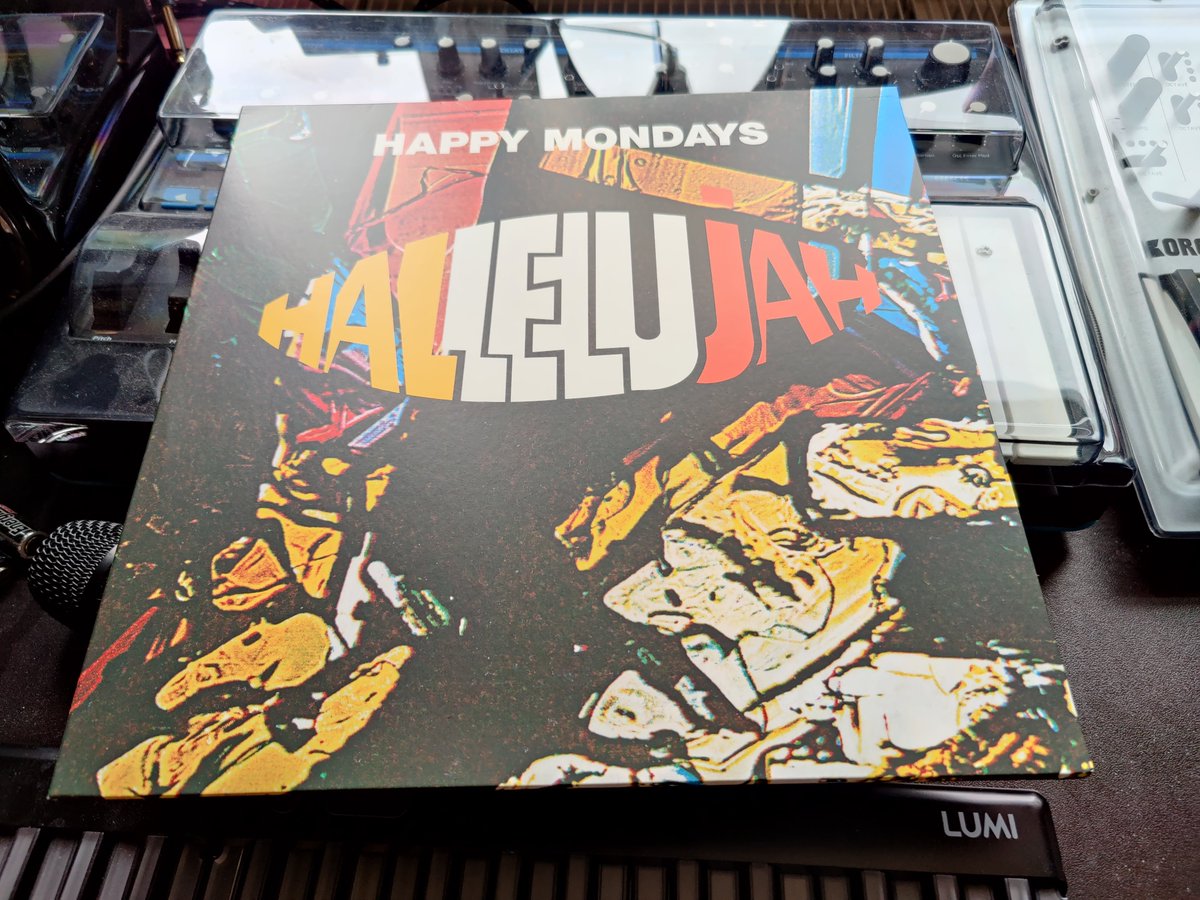
Today's aptly-named inferior sonic recording media delivery contains the Record Store Day reissue of Happy Mondays' Hallelujah, with new Ewan Pearson remixes!
Ever more "we just need to move on from covid, it's going to kill some people, bad luck" pieces. This would all feel a lot better if there was any support for those like me for whom vaccines haven't worked. Even delaying until an effective antibody therapy is licensed.
As it is, every time I read one of these pieces and they say "some people" will likely die, I breathe in and say, "that's me". The world changed here in March 2020. The structures to help the most vulnerable still have not.
We have just watched the final episode of STAR TREK: THE NEXT GENERATION for the second full watch through. It's now on to the third watch through of VOYAGER... 😂
Toby, August 2021

Yeah, having academic books and articles accepted is cool, but have you tried getting a track accepted by your record label?
Right. Downing tools. Upping synthesizers. Have a great weekend, all.
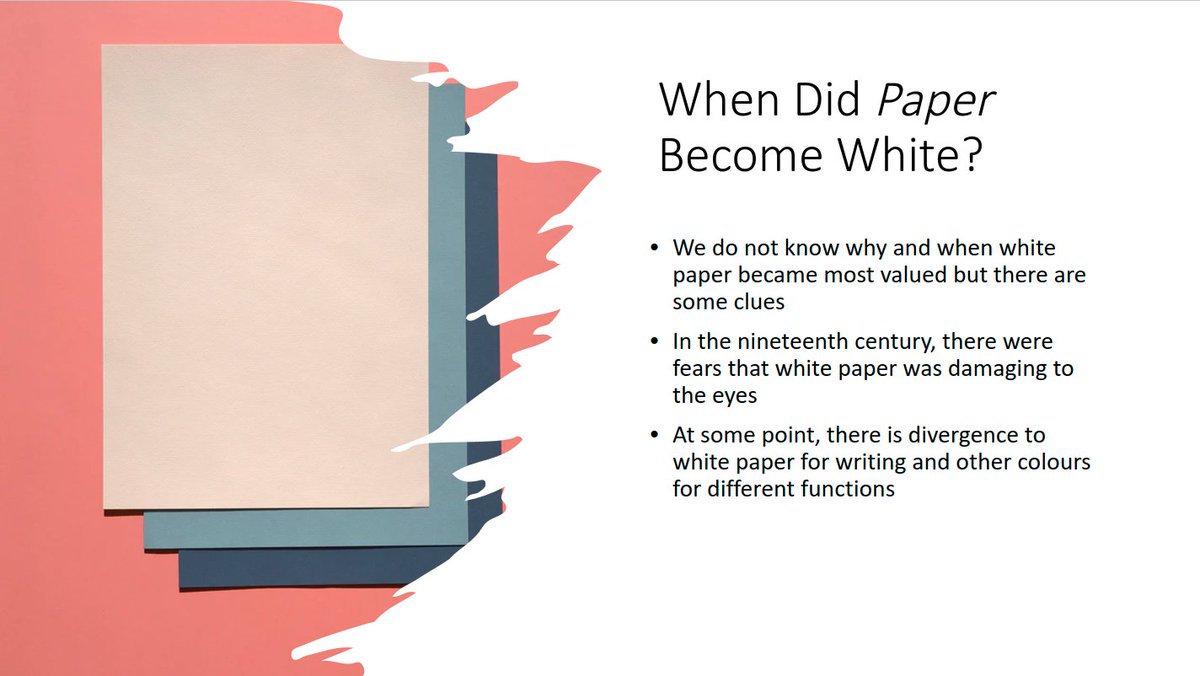
Why is Whitespace White?
https://birkbeck.cloud.panopto.eu/Panopto/Pages/Viewer.aspx?id=611cdc36-cda6-4115-b80e-ad8300dcb7e9
Back. In. Business.

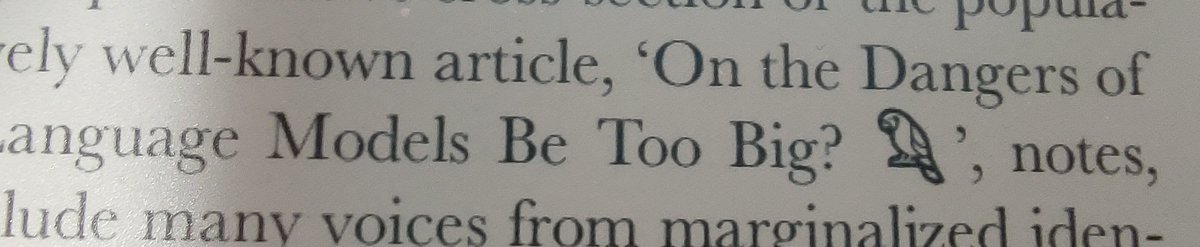
Excellent. I successfully got the parrot emoji typeset in the book. 🦜
Seeing university adverts on twitter saying "it's not too late for your son or daughter to study with us". 1. I don't have any; 2. What is this with targeting the _parents_ of fully grown adult students?
Of course, it could be that they think that Twitter is the platform of choice only for parents of current school leavers. Twitter = dad rock.
Day two of conference paper writing and prepping. The other work that I am presenting at the @BACLS_official conference this year is my work on computational textual blankness: Why is Whitespace White?
Sneak preview

Time for some proofin', yeah!
I heartily approve of this. At OLHJ and my journal, Orbit, we also allow any submission format that is internally consistent and do not insist on any single style. I wrote about this all a few years ago: https://eve.gd/2015/07/16/the-politics-of-style-on-styleguides-in-scholarly-communications/ https://x.com/petersuber/status/1425810965333950465
This is shockingly bad. Cornell forcing disabled and vulnerable people back into the workplace, even when some impairments result in inefficacy of vaccines. Pretty disgusting. https://x.com/NeilLewisJr/status/1425487332803764229
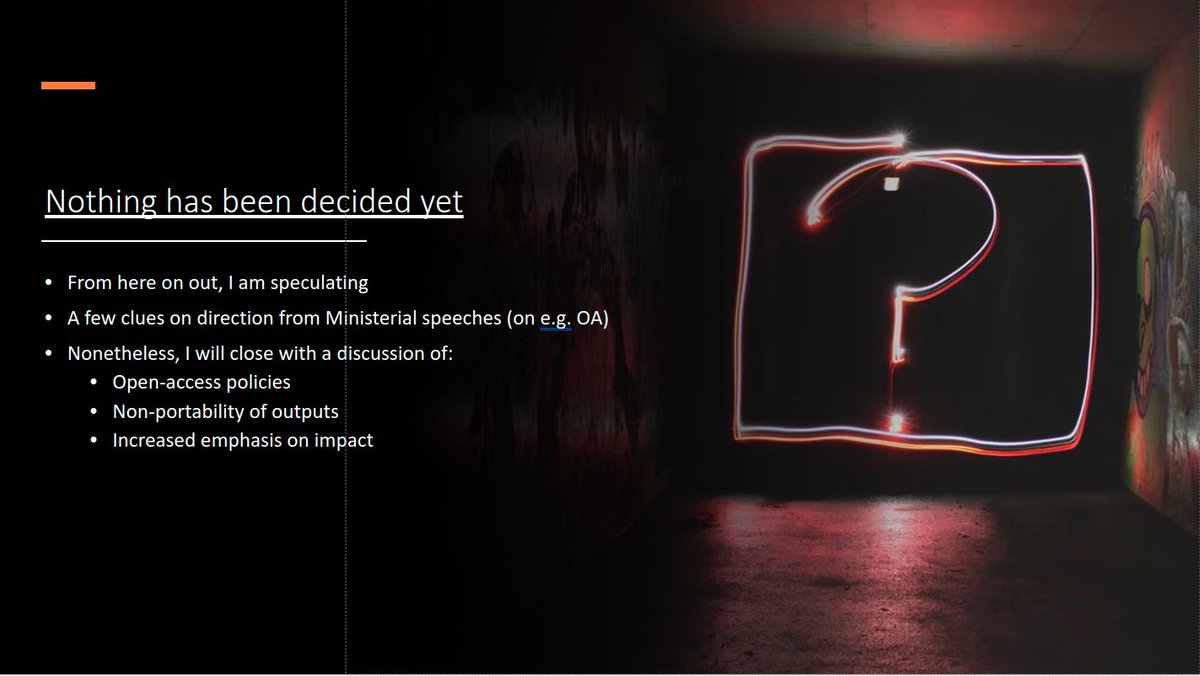
This morning I am preparing a talk on what we know about the next REF for the British Association of Contemporary Literary Studies.
Spoilers...
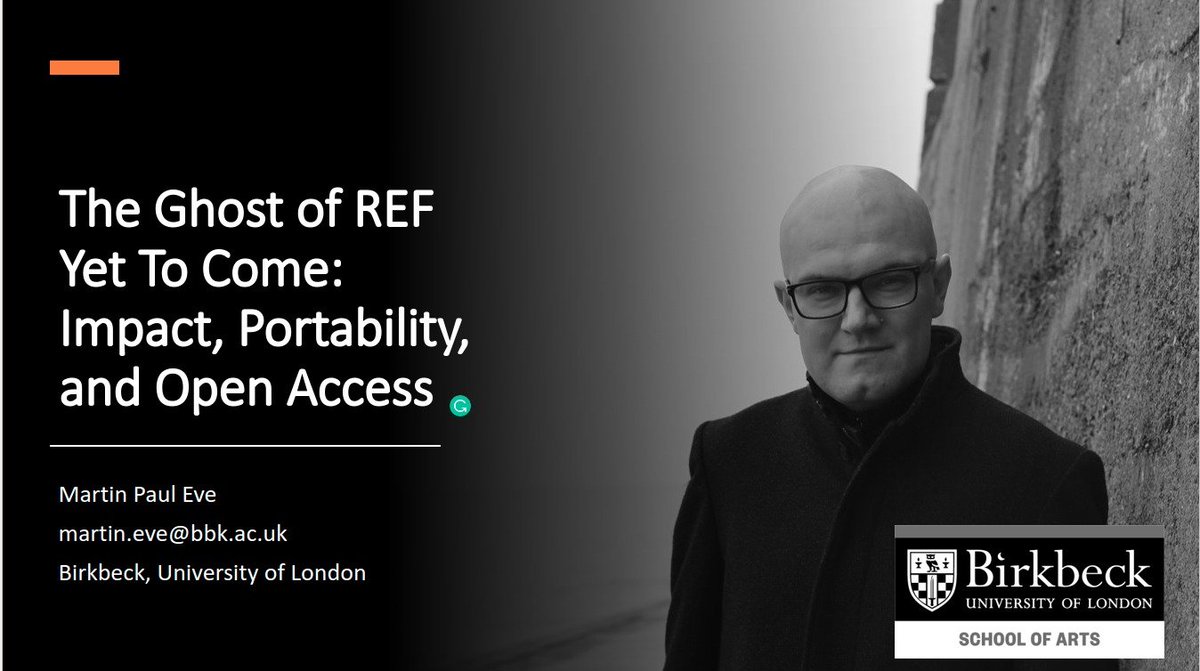
There are thousands of "safe things to do [for those still vulnerable] during the pandemic" sites. Unfortunately, almost all of their suggestions are shit.
Well, preliminary report from the hospital is in. I have anomalous autonomic results that seem to indicate some form of spinal nerve damage. Will need further tests to investigate.
While everyone else wants to do dirty text to clean OCR, Microsoft gives us a tool to generate fuzzy docs from plaintext 😂
Microsoft Unveils Genalog: An Open Source, AI Cross-Platform Python Package For Generating Document Images With Synthetic Noise
https://www.marktechpost.com/2021/08/09/microsoft-unveils-genalog-an-open-source-ai-cross-platform-python-package-for-generating-document-images-with-synthetic-noise/
"Thank you for your submission. I am sad to say that Orbit is not a journal of eye surgery/research. It is a journal focusing on American Literature."
385 emails to handle, having been in hospital for a week.
I am pleased to say that at least 50 of these are Jiscmail discussions of the new UKRI policy
IT IS DONE.

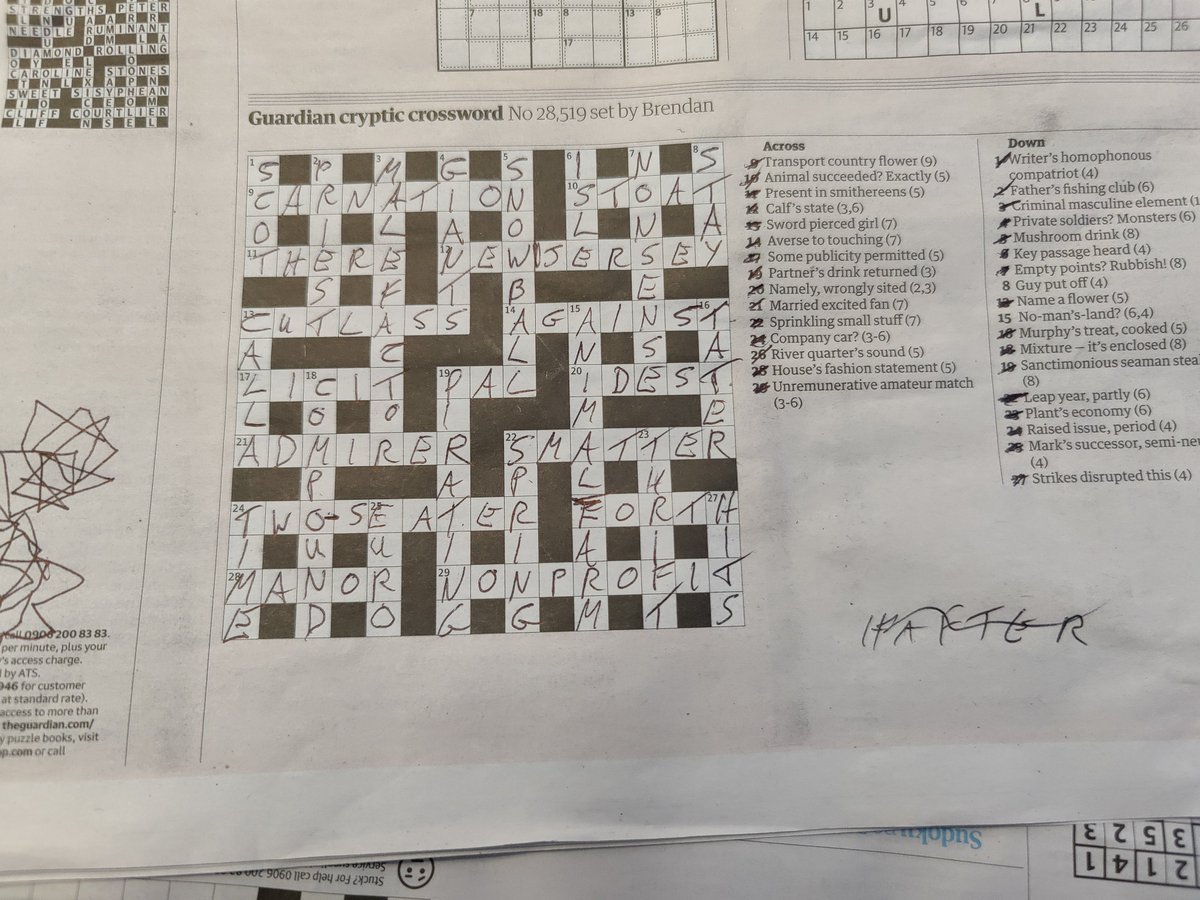
Haven't done a Guardian cryptic in a long time, so was pleased with myself for being able to do one whole on hospital.
Best clue was: Calf's state (3, 6)
It's NEW JERSEY.
A baby cow (calf) and a state.
English Lit, Computer Science, French, History https://x.com/LauraPAuthor/status/1425086896565329928
Got back from the hospital to find that someone has smashed our Virgin Media broadband box off the front of the house.
Fortunately, my cunning 4G router backup has kicked in.
But, really. Sigh.
Friends reunited
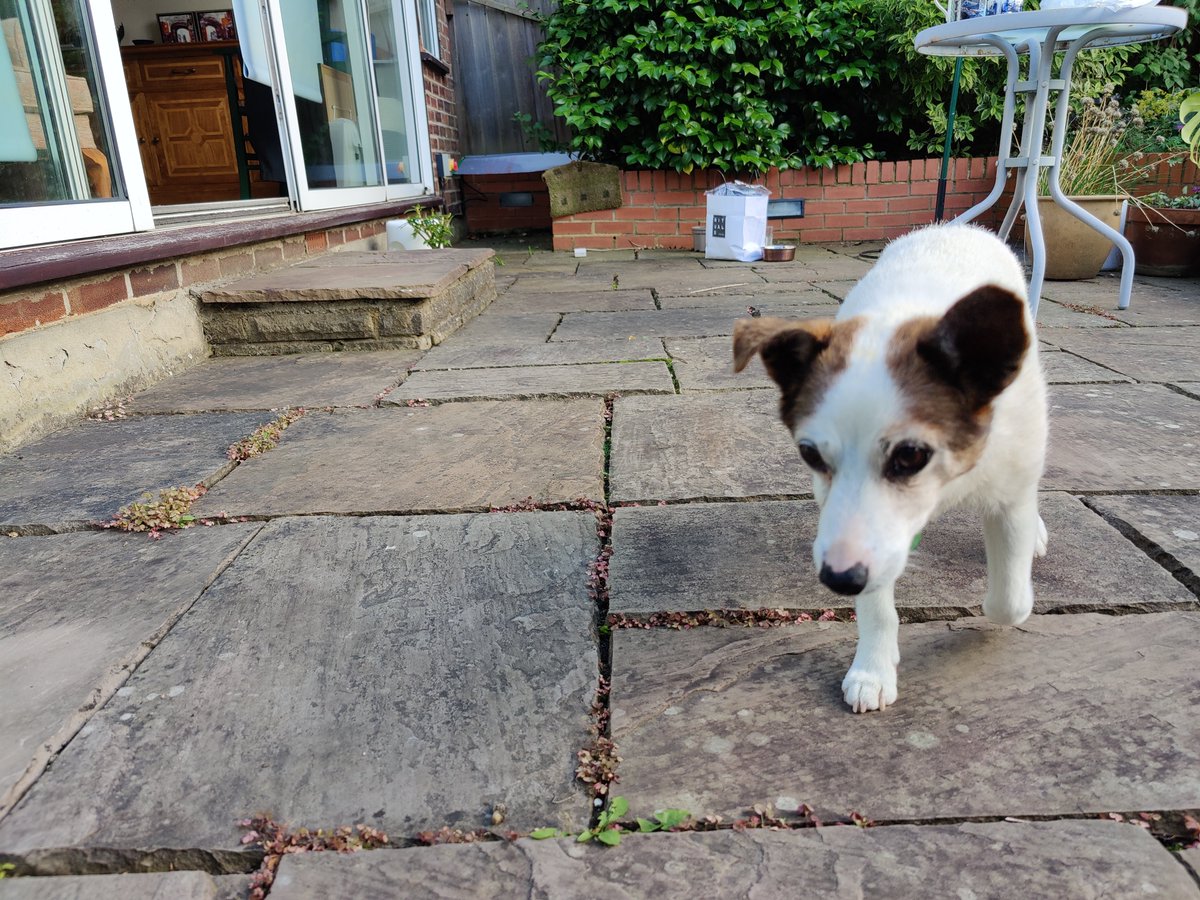
Well, so far, they've found out that I have postural orthostatic tachycardia syndrome, which explains the blacking out. Much more autonomic analysis still needed though and that will take a couple of weeks. Waiting to go home now.
Just another instance of Gavin Williamson trampling on the academic freedom that he claims to hold so dear. Dictating teaching methods to autonomous institutions, divorced from any pedagogical thinking.
Today is an MRI scan, followed by further autonomic tests. Then I will be allowed to escape!
*finally gets off the planet*
Voiceover: "if you write, you NEED grammarly". https://x.com/ajplus/status/1424801149626961942
I'm sure I owe lots of you emails. With apologies if you are waiting on a reply, I'll be back on these later this week, once I have been discharged from hospital.
Today's neurology hospital tests look like something out of a horror film. This is for the "sweat test" where you get put in a 50 degrees celsius box for 45 minutes covered in a red dye that shows up sweat patterns. New author pic for sure.
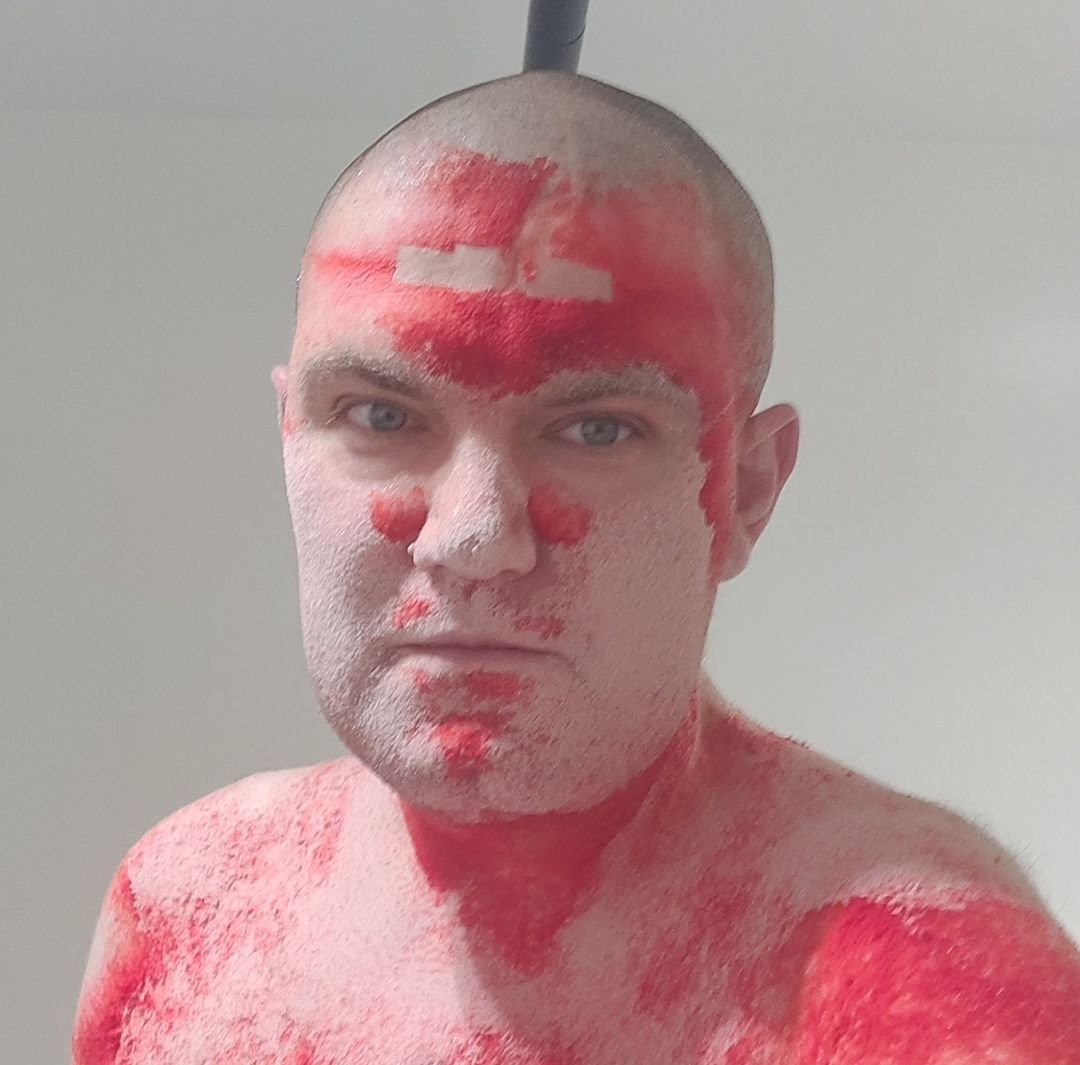
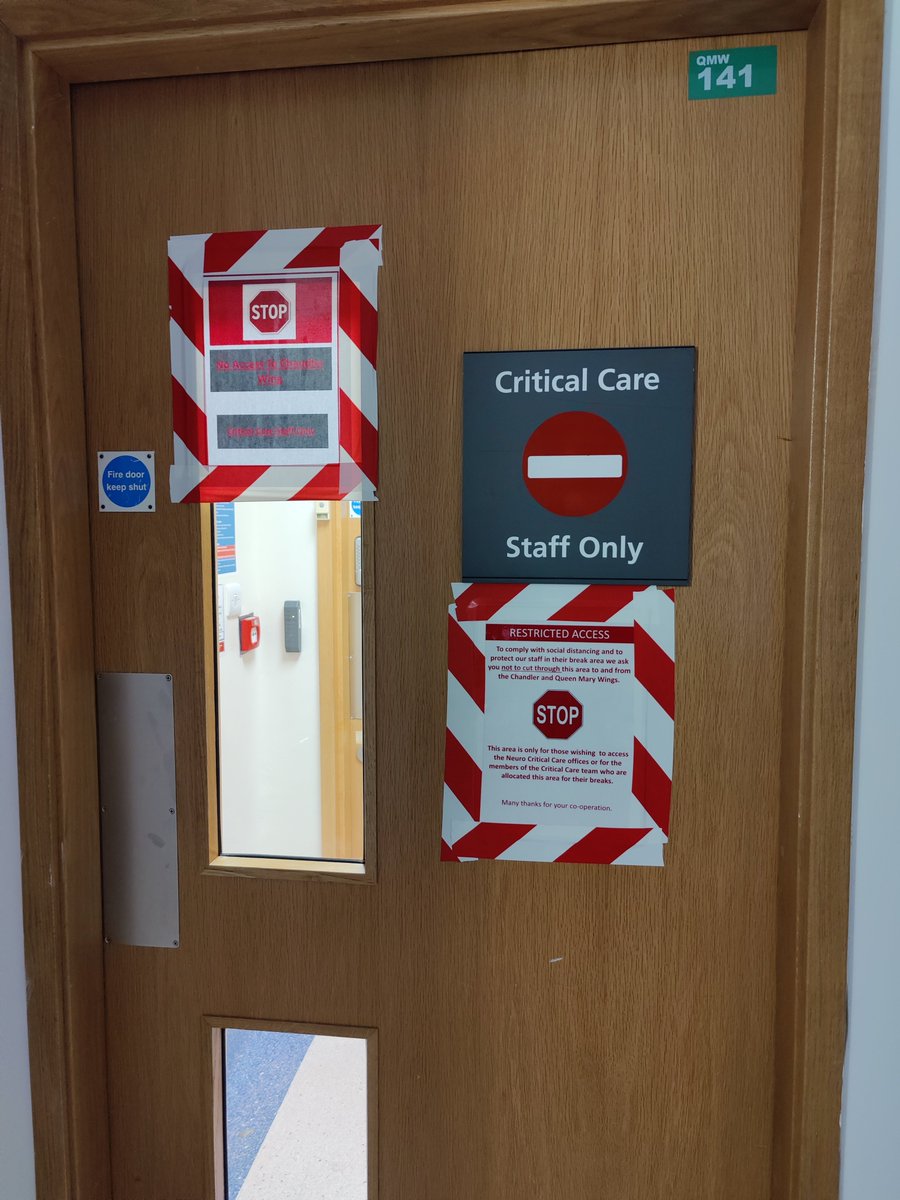
I'm compiling a list of "places in a neurology hospital that you never want to end up" while I'm moved around for tests. This is #1. Eek.
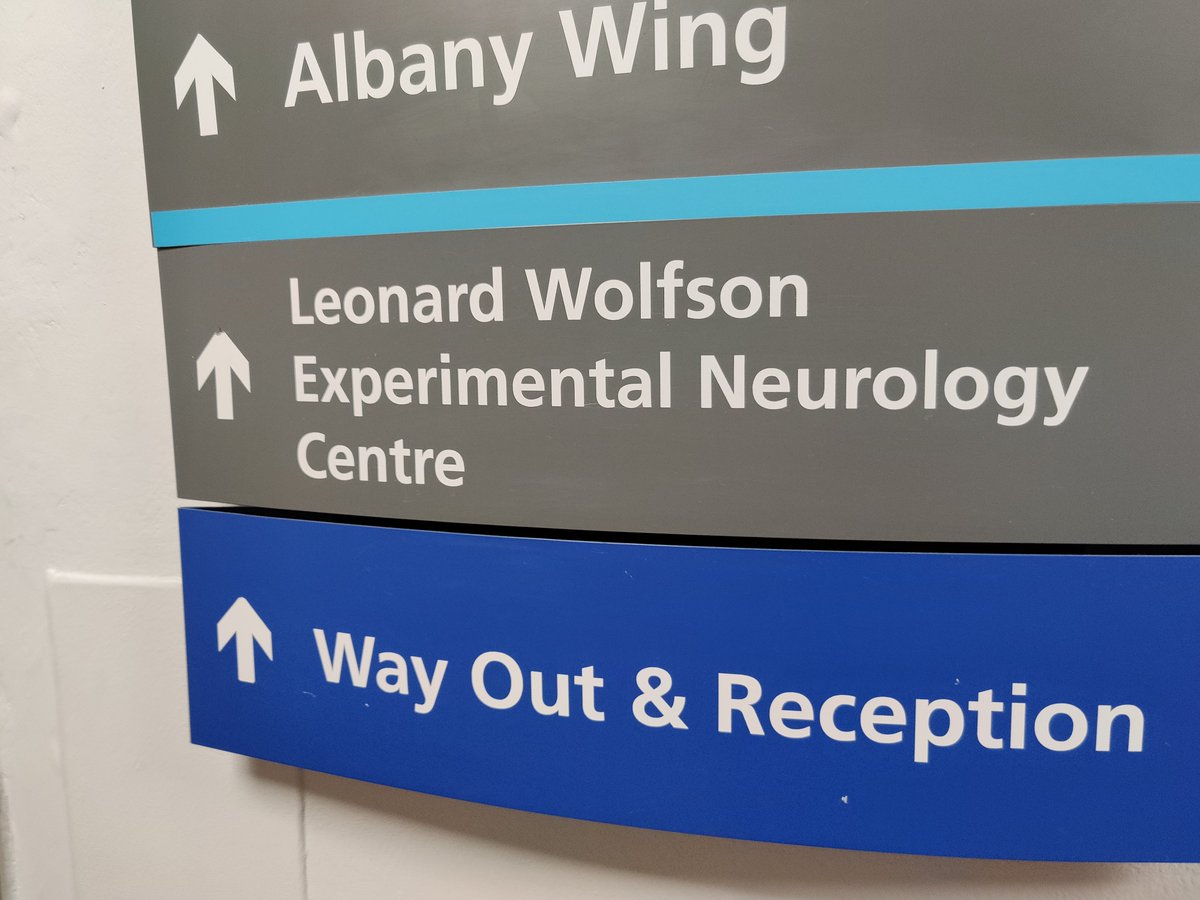
That said, a close second is the "experimental neurology centre". I very much hope I do not need their, undoubtedly excellent, help.
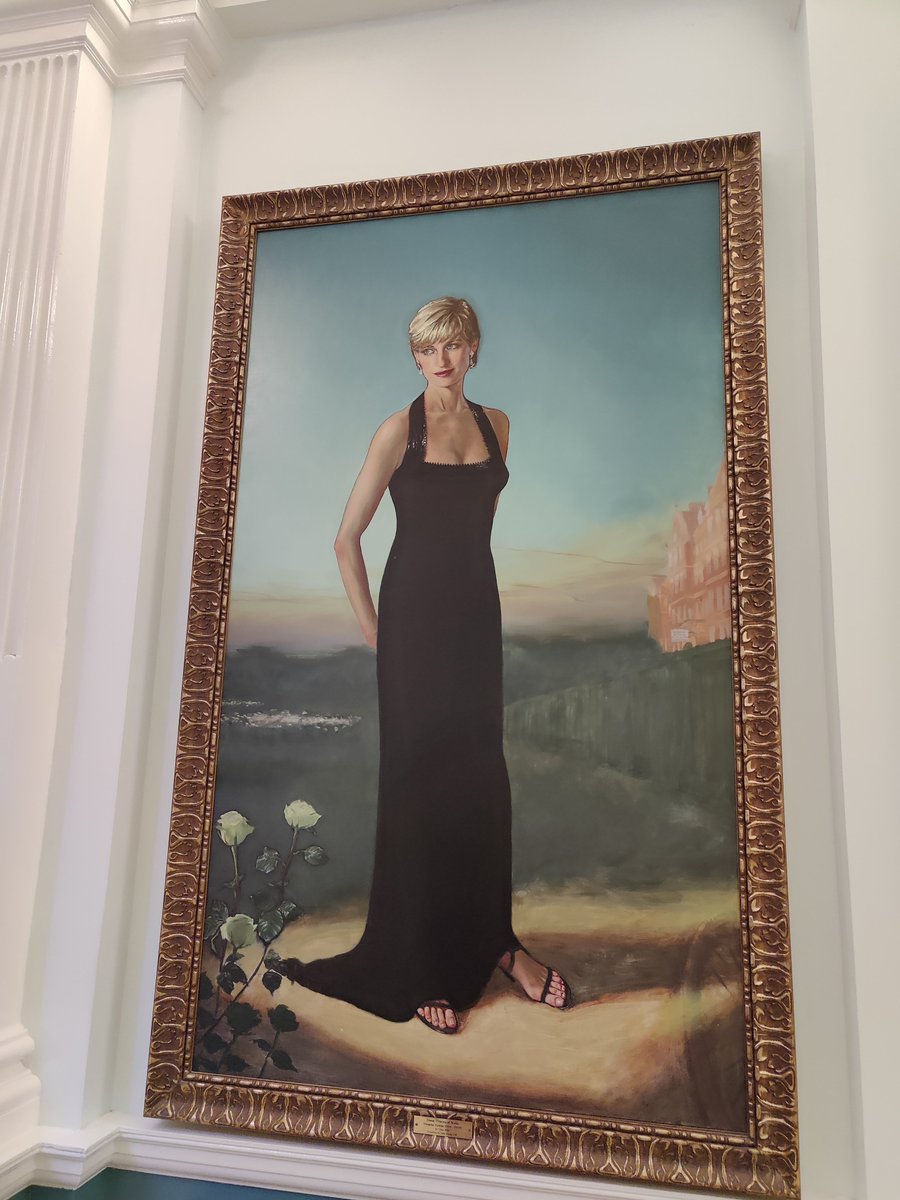
Finally, as a bonus, there's this MASSIVE DIANA portrait in the lobby. I'm sure she was a great patron to the hospital, but imagine seeing that while in neurological distress.
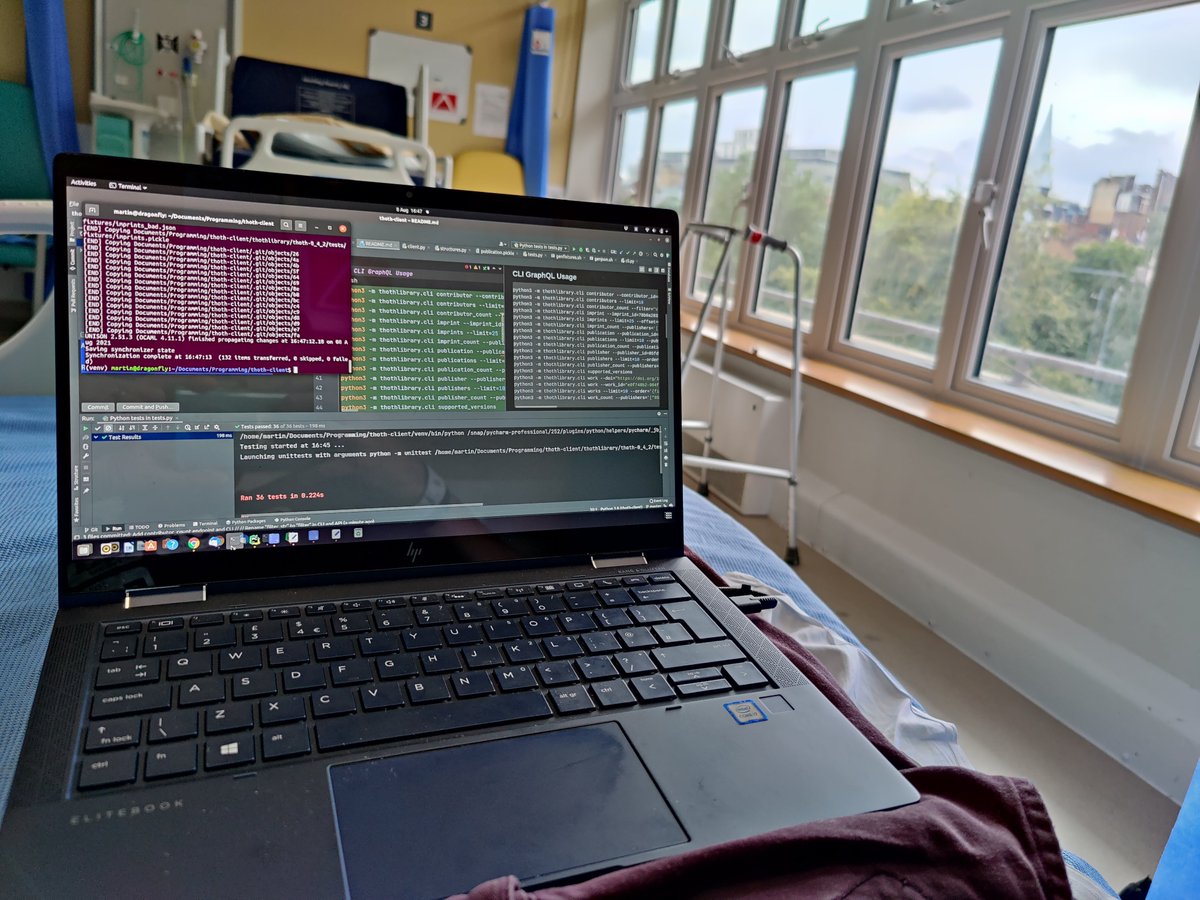
Hospital hacking on Thoth metadata API
Worth a read on the likely evolutionary progression of Covid. In the longterm, they hope it will become manageable. In the short term: well, enjoy the summer while you can.
https://www.forbes.com/sites/williamhaseltine/2021/08/04/a-warning-about-the-future-of-covid-19-from-the-scientific-advisory-group-for-emergencies-of-the-united-kingdom/
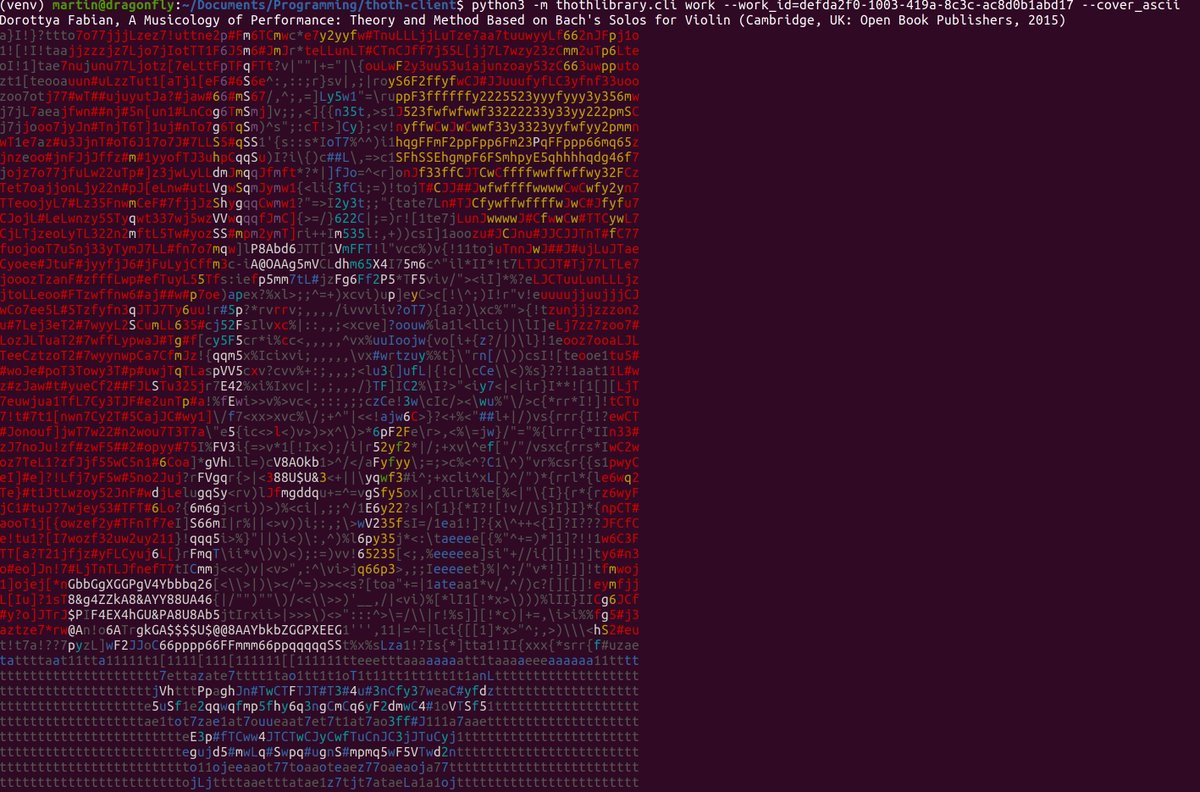
Lots of hacking about on the Thoth Python API while I am in hospital today as I'm not really up to much else. We now have full unit tests, additional endpoints and... covers in ASCII Art to the terminal.
@OpenBookPublish @rupertgatti @COPIMproject @ontakragoueke
Utterly gratuitous
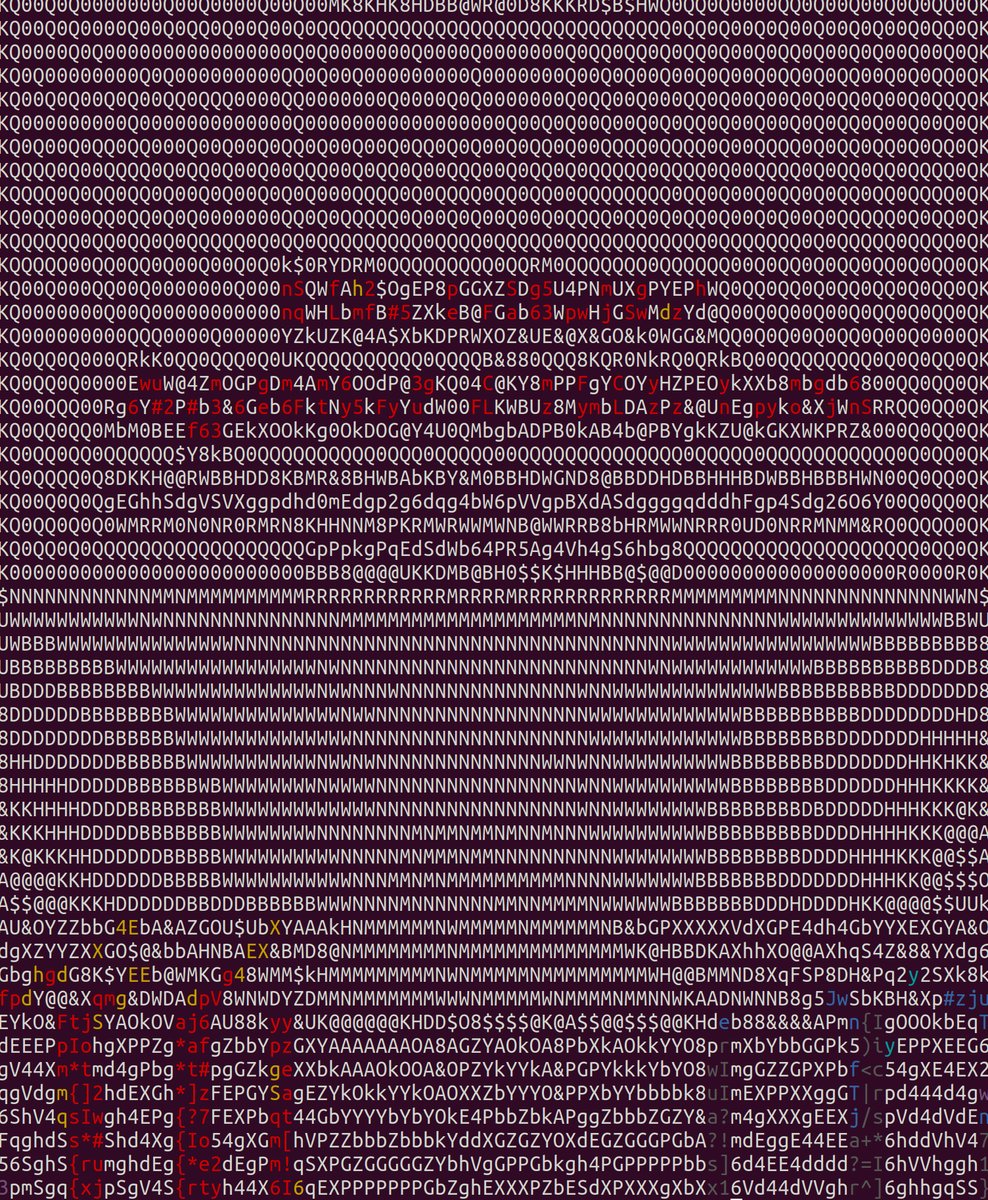
Neurology have told me that I can go for a walk outside today in Queen's Square if I'm careful.
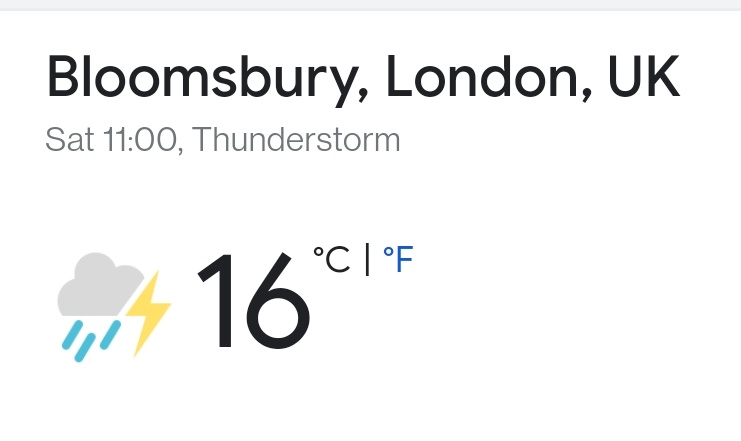
London weather:
In hospital all weekend and into next week. Reading about the computational solving of the game of checkers, which is fascinating. This is a good lay piece.
How Checkers Was Solved - The Atlantic
https://www.theatlantic.com/technology/archive/2017/07/marion-tinsley-checkers/534111/
And here's the actual academic proof article https://science.sciencemag.org/content/317/5844/1518.full
One of my favourite lay metaphors for understanding the game space is "imagine draining the Pacific Ocean and then having to fill it back up with a tiny cup, one at a time. The sea is the number of checkers possibilities. The cup is each calculation."
Marion Tinsley is also a fascinating individual worth reading about
UK Science Minister mentions us! "And the ground-breaking @openlibhums is now supported by over 300 institutions, making research across its 28 titles openly fully available to a wider audience". @BirkbeckUoL @birkbeck_ETC
https://www.gov.uk/government/speeches/science-minister-announces-ukris-open-access-policy
Greatly cheered last night by this video of Toby and my mum's dog, Skye, engaging in a barking competition
Nerve conduction tests are some of my least favourite diagnostics. They basically stick electrodes in different parts of, say, the leg and then send an electric shock between them.
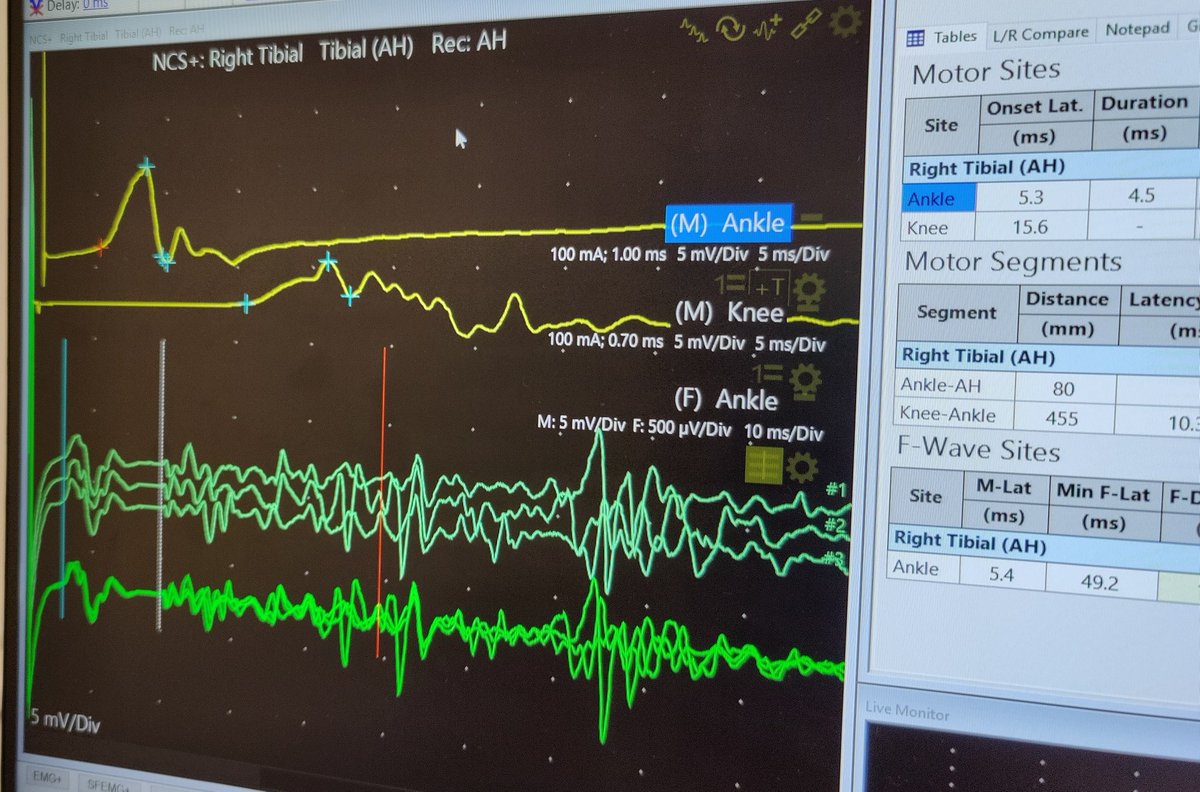
I've been in here for 3 days now and brought lots of reading. However, I haven't actually yet had a single chance to read anything, so packed has been the test schedule.
Opened my book. Immediately called by EMG for nerve conduction studies. I hate these.
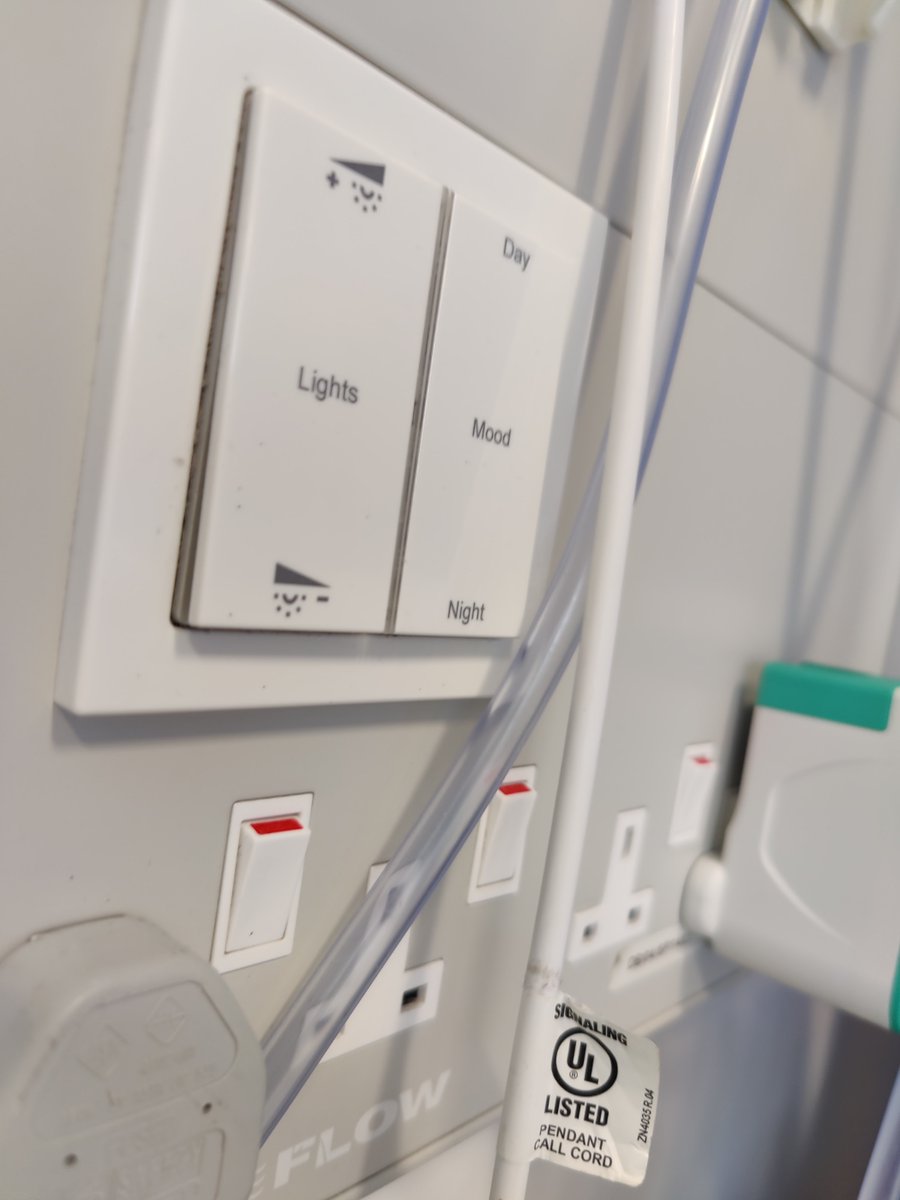
Hospital bed seems to have a "mood" light setting... 🤔💡
New UKRI open access policy announced. "monographs, book chapters and edited collections published from 1 January 2024 to be made open access within 12 months of publication"
https://www.ukri.org/news/ukri-announces-new-open-access-policy/
Test originally schedule for 9am now bumped to 1pm. Requires 4 hours fasting, so I'd already eaten at 5am. Nothing for it.

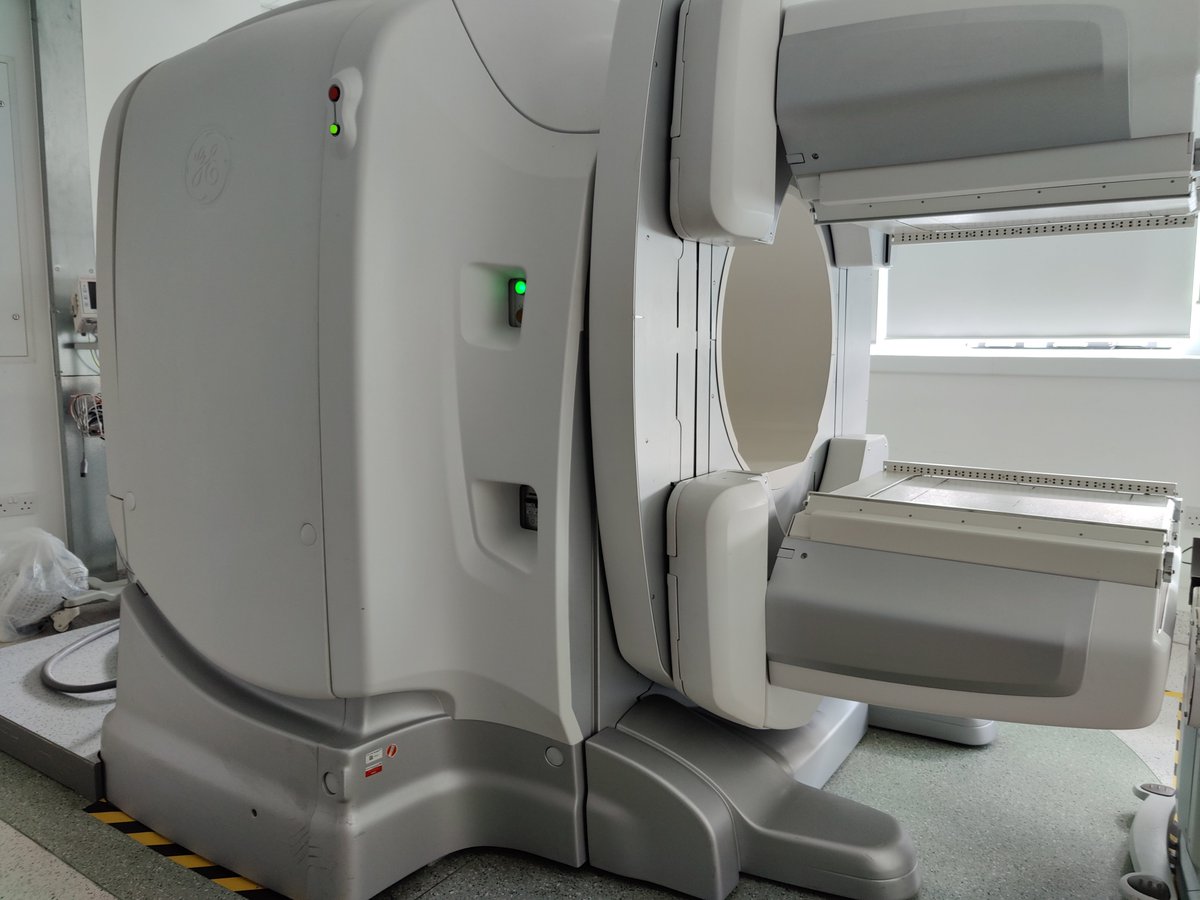
After today's radioactive porridge and pupilometry I will be doing autonomic exercise tests tomorrow.
One piece of news is that, apparently, it's not likely to be autonomic autoimmune ganglionopathy - an antibody mediated autonomic condition - because this usually has abnormal pupil response. It could be my systemic vasculitis causing sporadic autonomic failures.
What ever happened to that Spectator article about Marcus Rashford?
Of course, whether we should take this piece at face value is also etc etc
https://sunbeamsoutofcucumbers.substack.com/
Next up are pupilometry tests. Should be an eye opener.
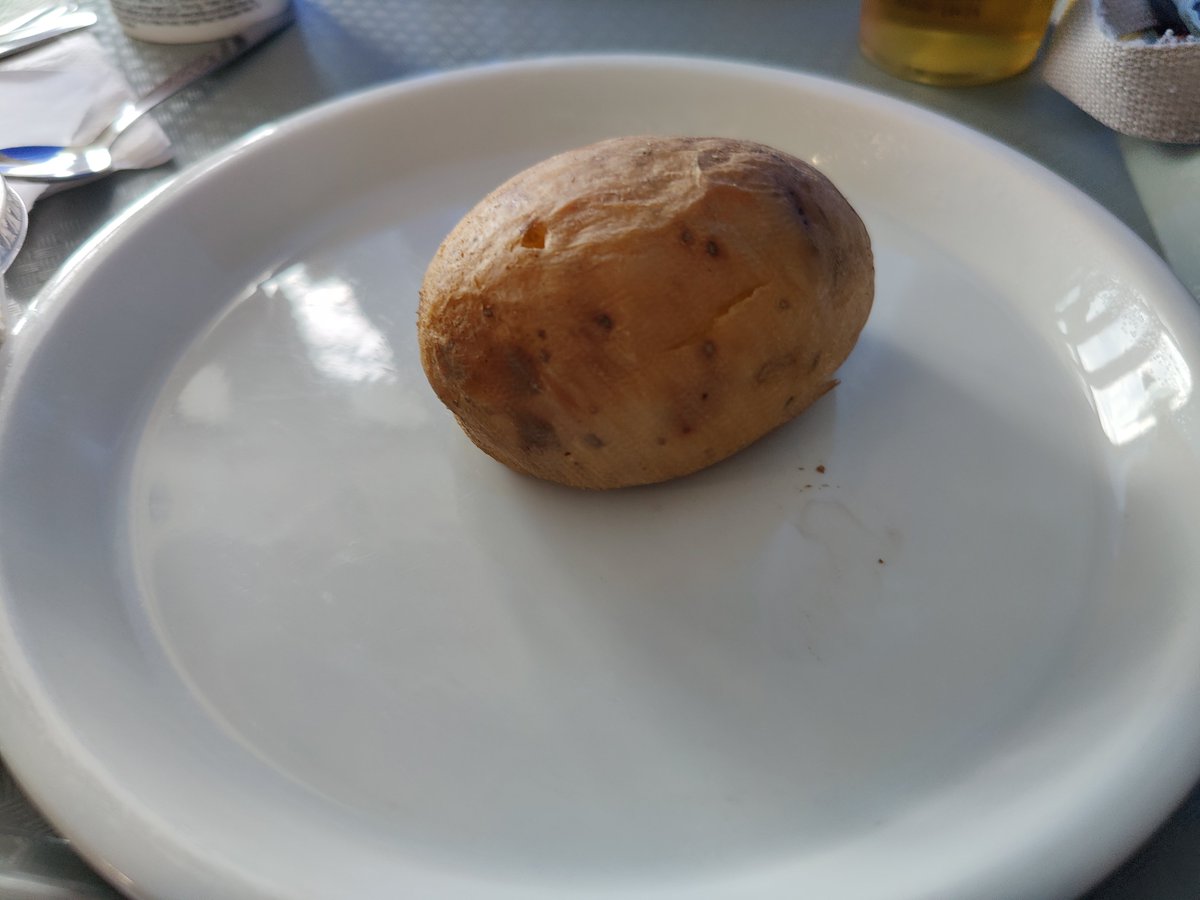
Hospital lunch of champions
I have just spent the last hour in this, having consumed some radioactive porridge
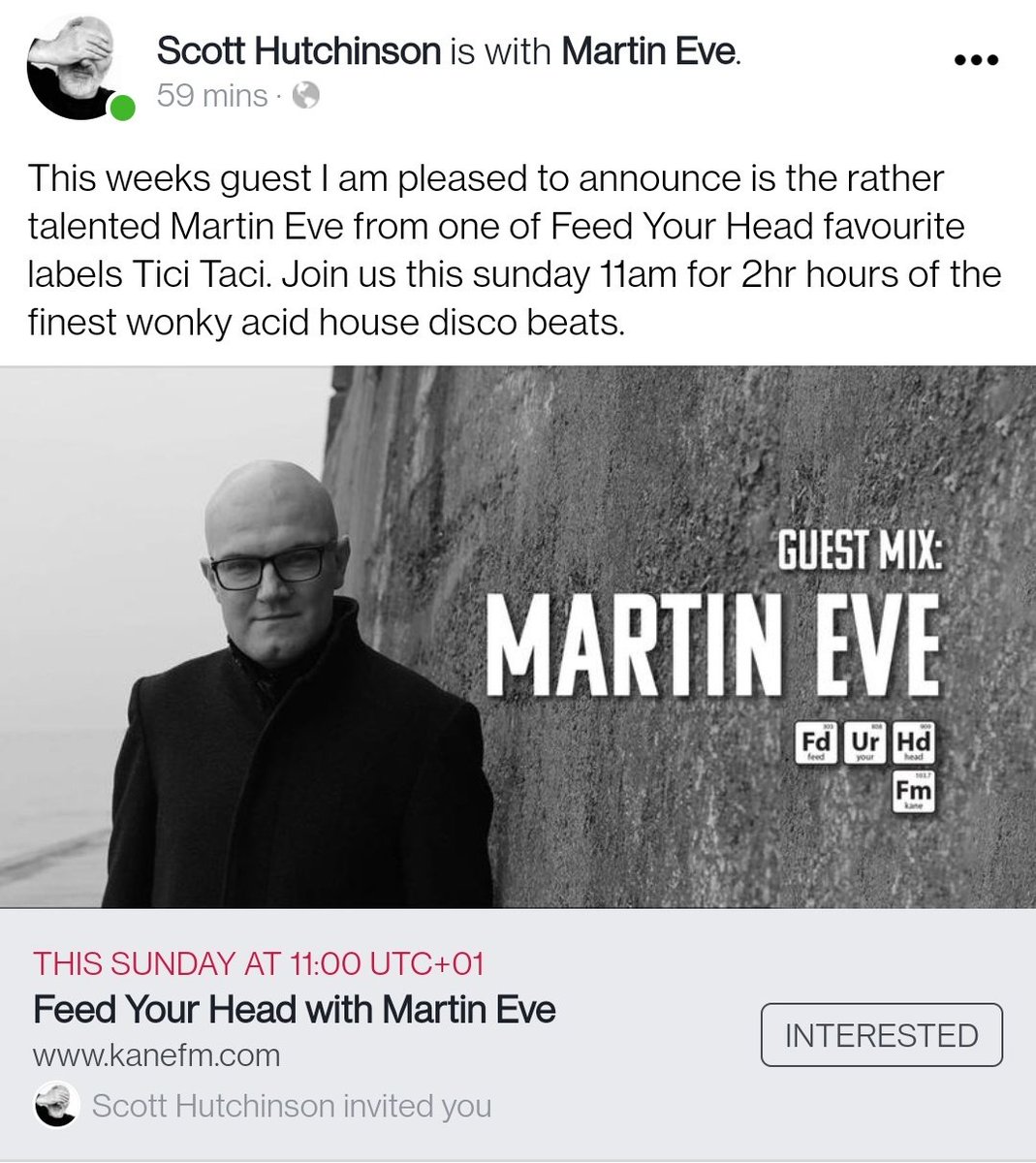
I'm trying not to let a minor thing like urgent neurology hospital admission hold me back... So I'll be taking over the airwaves on Kane 106FM's Feed Your Head radio show this Sunday. You can also listen online!
(It's prerecorded. I'm not actually DJing from hospital.)
I even have a Feed Your Head t-shirt to wear. In hospital.
In the meantime, g'night!
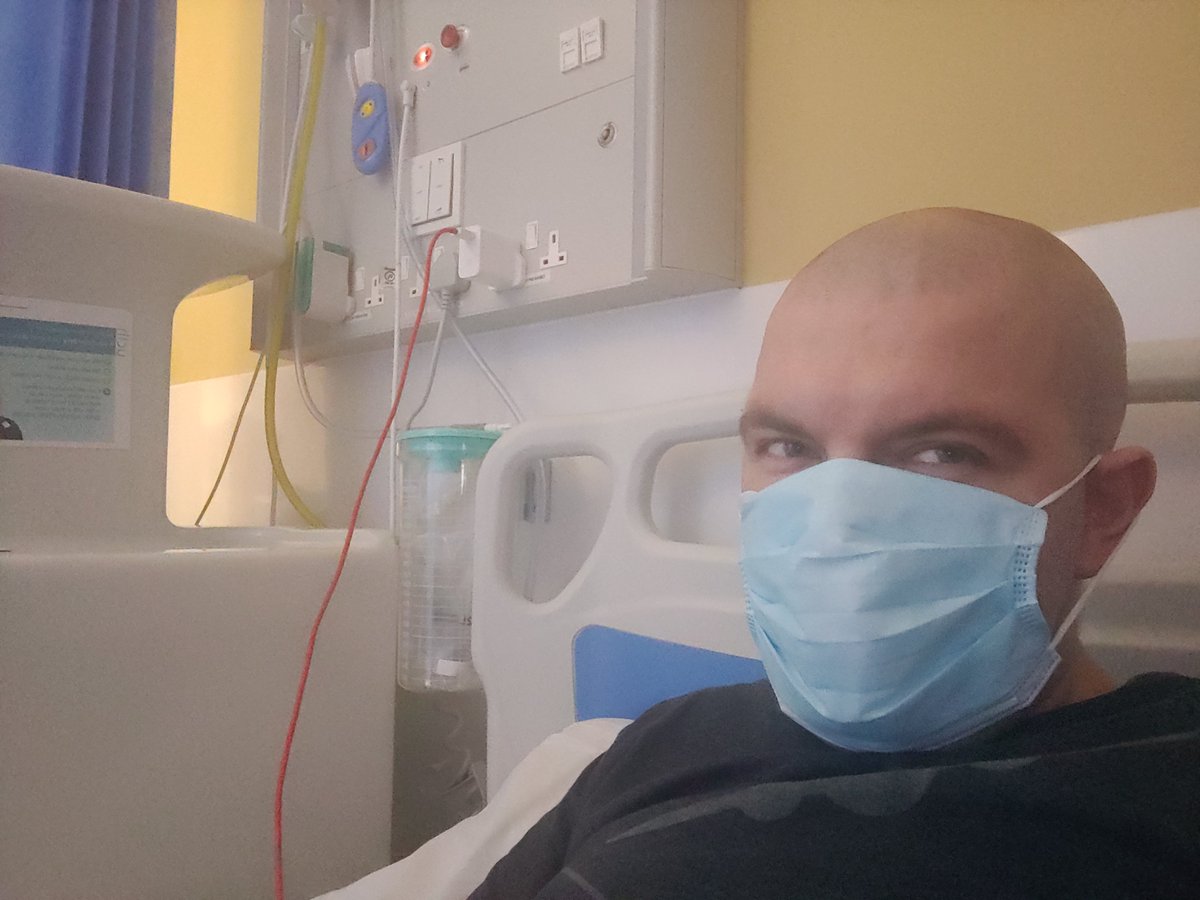
Today's fun:
The cold stress test. Arm encased in freezing cold block for 90 seconds while monitoring blood pressure changes. This was incredibly painful.
Also mildly unpleasant: dynamic sweat test. Gives electric shock to sweat glands in arms and legs and measures response.
Autonomic screening, various MRIs, pupilometry, exercise test, sweat test. And many others. I'm in here for a while, though. Probably until Monday at least.

An apt crossword clue from my lunch break while waiting for the hospital.
Times must conceal tiny message (5)
"In a rarely seen phenomenon in the simian world, a nine-year-old female known as Yakei has become the boss of a 677-strong troop of Japanese macaque monkeys at a nature reserve on the island of Kyushu in Japan."
https://www.theguardian.com/world/2021/aug/03/macaques-at-japan-reserve-get-first-alpha-female-in-70-year-history?CMP=Share_AndroidApp_Other
This morning, I am kicking off by reading Nicholas Gaskill's "Chromographia: American Literature and the Modernization of Color". Amusingly, I'm reading it on an e-reading device. In black and white. https://www.upress.umn.edu/book-division/books/chromographia
pp 1-2 details Milton Bradley's color wheel for optical color mixing; translates from the strange names of colors on the market ("elephant's breath") to specific hues
p3: He also instigated a programme of colour education for school children
pp4-5 details some very dubious anthropological experiments where the wheel was used to discern whether non-white Europeans perceived color in more "primitive" ways. Eek.
Gaskill's thesis on p6: color, developed through synthetic dyes, is central to modernity. It is "an essential part of what it meant to feel and be modern -- or, by contrast, 'primitive' -- in the United States in the decades between 1880 and 1930".
My note: OK, but I'm going to need some persuading of this, given the long history of synthetic color.
p7: details emergence of relational model of color experience; proliferation of synthetic dyes; and formulation of a distinct "color sense"
p7: this book will focus on "inscriptions of color in writing" (chromographia) that document "the activity of narrating color experience"
p8 gives a background to history of color perception and the development of a relational understanding (it isn't how much red you put on that makes it redder, it's the ratio of red to other hues, and particularly, white)
p9: color came to be regarded as a distinctive force with identifiable effects on the body and emotions
p10: the obligatory reference to John Locke and primary and secondary qualities
p13 has more on emergent educational contexts for children around color perception and understanding
p14 quotes George R. Stewart Jr. as saying that the discovery in 1856 of phenylphenosafranine for mauve dye will be "one of the most important events in the history of poetry during the nineteenth century"
(With thanks to @becimay - this is actually what put me on to this book)
also reminds me, of course, of Ben Blatt's /NABOKOV'S FAVORITE WORD IS MAUVE/
pp15-16 claims that synthetic color production -- and color naming -- gave rise to a vastly expanded linguistic resource pool for color description
p17 documents proliferation of bright commercial products. Again, I have some questions about how this is different or intensified vs other earlier historical periods
p 19 - documents via Batchelor an oscillation in the West between chromophilia (utopian visions of color ecstasy) and chromophobia (fears of colorful excess and moral decadence)
p19 also points to how the extraction of color from natural substances -- such as coal tar -- further erased the natural/synthetic distinction
p20: claims that invention of aniline changed the referent of "color" from a sensory property of natural objects to, at end of 19c, "the artificial means of manipulating and exaggerating chromatic quality as an abstract entity"
p20 has the reference to Pynchon's /GRAVITY'S RAINBOW/ that I thought was coming. "The first new color on Earth", linked to totalizing systems of the war and the Holocaust.
One of the phrases rolling around my head re. some of these claims is "modernist exceptionalism"
p 21 has some examples of Modernist color symbolism in Pound H.D. and Wallace Stevens. Still not convinced about the specificity of all this to modernism.
pp22-24 details how sensitivity to color perception became a "badge of civilization" in various dodgy anthropological contexts
pp24-25 does go into the scholarship that has claimed that Homer, for instance, describes color in a very different way to later poetry
p26 - the biological explanation of supposedly superior color perception organs was refuted by Wallace and Grant Allen
p30 - on racialized versions of color perception in the 19c, based on Lamarckian models of the sensing body
p31 has a crucial point for Gaskill. He writes that "Color became modernist only against a background of color perception becoming historical". I.e. when color becomes socially and historically contingent, it becomes "modern"
p35 gestures towards Huxley and Kristeva's "Giotto's Joy" as important for the language of color sensation
p43 registers shift in idiom of "local color" from a term in painting to the meaning of "local culture"
p45 introduces Hamlin Garland as the subject of this chapter and a writer of "local color"
Hey! There is a business more profitable than Elsevier!
https://www.theguardian.com/lifeandstyle/2021/jul/31/how-games-workshop-grew-to-become-more-profitable-than-google?CMP=Share_AndroidApp_Other
I am next on the urgent admissions list at the National Neurology Hospital. It could be tomorrow, day after, or day after. They currently have no beds free in the entire hospital. Likely to be this week, though, but it will be "we have a bed now, you should come in at once".
I am now going in.
"Anyone who reads The Teaching Archive will be struck by the fact that the book’s three women scholars developed methods of quantitative analysis much in advance of the digital humanities." Of course, it goes back much longer than this, too...
https://www.lareviewofbooks.org/article/flipping-the-history-of-literary-studies/
You wouldn't really want to be in the marketing dept at Delta Airlines at the moment, would you?
Back from annual leave today and it's the first day of my research leave! That said, I think that most of today is going to be dealing with 200 emails and then, most likely, the hospital admission...
... down to 15 emails now in the first hour of work. Those were the easy 185 though. :P