The inaugural SHARPIES, a global book history festival celebrating work in book history from around the world, will take place from July 7–9, 2026 (although these dates vary according to time zone). All the events are free for SHARP members, but registration is required. Registration will open in March 2026.
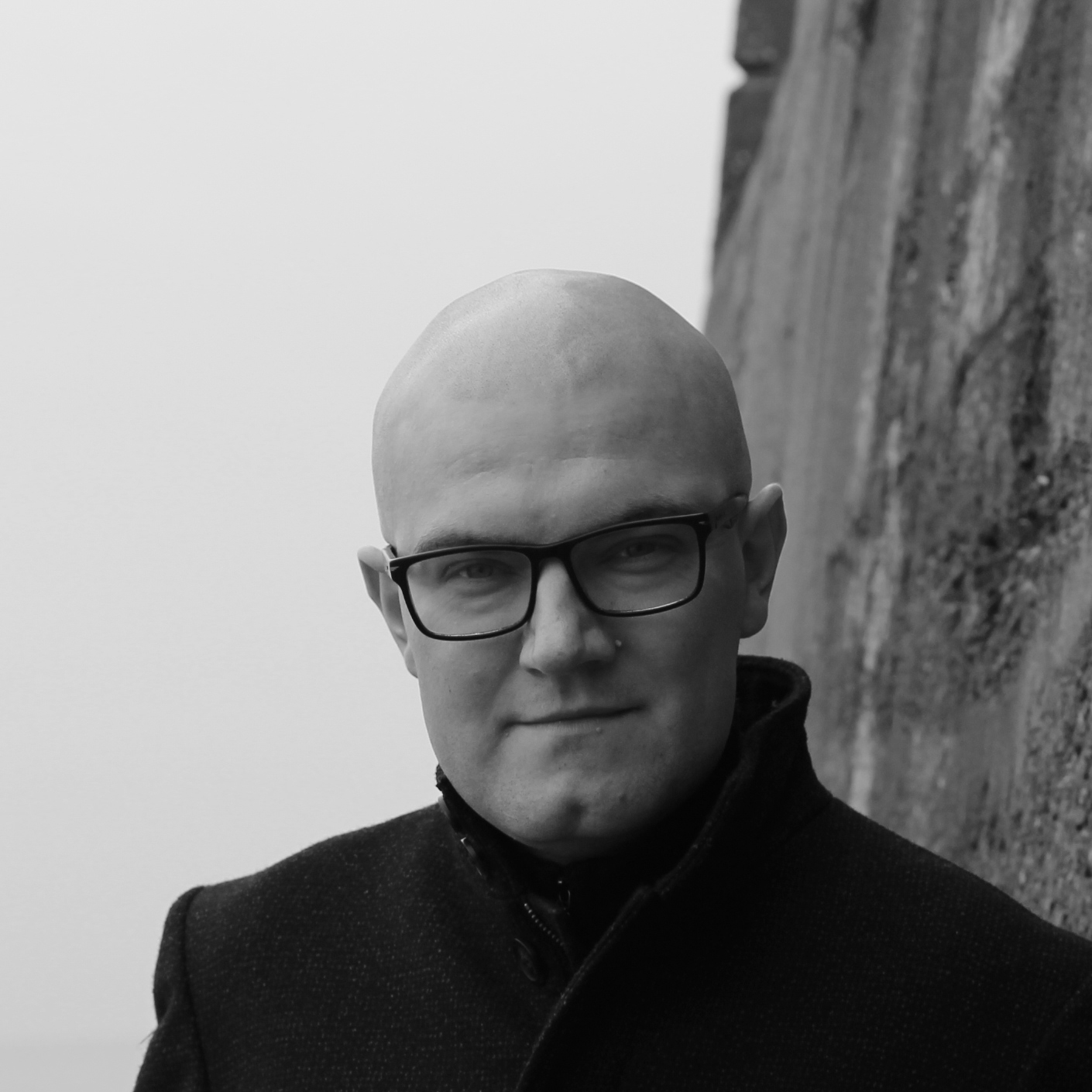
On the Tuesday of the festival, at UTC 13.00-14.00, I will be interviewed by/in conversation with Professor Matthew G. Kirschenbaum, with time for audience questions. Matthew Kirschenbaum was the Chair of the SHARP Board of Directors from 2021–25 and is Commonwealth Professor of Artificial Intelligence and English at the University of Virginia and the 2009 winner of the George A. and Jeanne S. DeLong Book History Book Prize for Mechanisms: New Media and the Forensic Imagination (MIT Press, 2008). He is, in short, one of my academic heroes; an intellectual with a consistently fresh way of looking at and understanding technology and its histories. My recent book was sincerely indebted to his work as an intellectual foundation for thinking about technologies and reading them (I hope he thinks this is a good thing). I am absolutely thrilled that we will be having this discussion. I hope many of you can join us.
I would also note that I would like to commend SHARP for running an online, digitally-accessible event. As they note, in the programme, “One of our central aims in planning the SHARPIES has been to try to ensure accessibility for all participants”. I was gutted last year not to be able to attend the SHARP conference. My kidney failure and need for dialysis every other day makes it near-impossible for me to conduct overseas travel. However, the organisation made it possible for me to speak to them via video link at that time and this was extremely appreciated. I am glad that they are continuing this route of accessibility and finding ways to make it possible for more people who cannot attend in person to participate in this scholarly community. The pandemic convinced many people that they never wanted to go back to having to use Zoom for all their social and occupational interactions. For some people, though, they suddenly felt included on an equal footing in a way that they had not before. It is good if we can preserve that latter inclusivity.
In any case. as above, I hope you can join us.